

Navigating Projects – Workshop 5 (Finance Management)

The Appleton Greene Corporate Training Program (CTP) for Navigating Projects is provided by Mr. Williams Certified Learning Provider (CLP). Program Specifications: Monthly cost USD$2,500.00; Monthly Workshops 6 hours; Monthly Support 4 hours; Program Duration 12 months; Program orders subject to ongoing availability.
If you would like to view the Client Information Hub (CIH) for this program, please Click Here
Learning Provider Profile

Mr Williams has extensive experience in designing, developing, and successfully delivering portfolios, programs, and projects for various entities, both government and enterprise, across the globe. He has worked with organizations in Australia, Asia, the United Kingdom, Europe, New Zealand, and Fiji.
Recently, he has been leveraging his expertise for numerous organizations to craft portfolio, program, and project frameworks along with attendant processes and procedures. This includes designing and implementing the establishment of portfolio management offices for international enterprises and government organizations. On their behalf, he has also delivered facilitated training workshops and one-on-one mentoring to support them, ensuring they are well-equipped for success.
During his career, Mr Williams has held various roles managing and delivering a wide range of strategic programs and projects, transformation programs, rollouts, integrations, upgrades, and migrations, both ICT and Business focused, for the public and private sectors. He is also an expert in process and procedure usage and is often called upon to provide gateway assurance, and organizational maturity uplifts to government departments and international organizations. He has vast experience in business transformation, strategy and scaling, including designing, developing, and implementing end-to-end business change processes and controls to support portfolios, programs, and projects.
Some of his recent personal achievements include developing a specialist ICT Portfolio Management Framework, the first of its kind for the Queensland State Government. Furthermore, he led the development and implementation of an IT PMO practice for an international enterprise based in Sydney. His efforts resulted in the successful establishment of a comprehensive IT PMO practice, complete with a clear vision, strategy, and roadmap for success.
His service skills include portfolio, program, and project management delivery process improvement and performance; process development and testing; business maturity consulting; planning, developing and establishing PMOs; team management and leadership; business case development; management of risk; strategic discovery and planning; ICT, Cloud and On-premises Solutions Management and Delivery

MOST Analysis

Mission Statement
Part 1 Month 5 Finance Management – Finance is an essential resource that must be a key focus for initiating and controlling initiatives. This module demonstrates how to capture and evaluate the likely costs of an initiative within a formal business case and how to categorize and manage costs throughout the investment lifecycle. It will also demonstrate methods of developing formal funding requests for new and existing initiatives. Delegates will gain an understanding of the finance management process, including how it ensures the availability and scheduling of funds to support investment decisions. However, this module’s focus is not just on finance but takes the delegate through developing a business case. Delegates will discover how a well written business case is used to provide the evaluated costs of the initiative, define its value to the business and contain a financial appraisal of the possible options. Delegates will discover how to ensure the business case is at the core of decision making during the initiative’s lifecycle. Also, it shows how to use the business case to provide the problem statement and details of the analysis of cost to benefit associated with alternative actions and options that led to the preferred solution.

Objectives
01. Strategic Finance Management in Change Initiatives: departmental SWOT analysis; strategy research & development. Time Allocated: 1 Month
02. Fundamentals of Cost Estimation and Budget Planning: departmental SWOT analysis; strategy research & development. Time Allocated: 1 Month
03. Funding Models and Investment Approval Processes: departmental SWOT analysis; strategy research & development. Time Allocated: 1 Month
04. Developing a Compelling Business Case: departmental SWOT analysis; strategy research & development. Time Allocated: 1 Month
05. Financial Appraisal and Cost-Benefit Analysis: departmental SWOT analysis; strategy research & development. Time Allocated: 1 Month
06. Integrating Risk, Contingency and Financial Controls: departmental SWOT analysis; strategy research & development. Time Allocated: 1 Month
07. Lifecycle-Based Financial Monitoring and Control: departmental SWOT analysis; strategy research & development. 1 Month
08. Business Case as a Living Document: departmental SWOT analysis; strategy research & development. Time Allocated: 1 Month
09. Stakeholder Engagement and Financial Transparency: departmental SWOT analysis; strategy research & development. Time Allocated: 1 Month
10. Lessons Learned and Best Practice in Finance and Case Development: departmental SWOT analysis; strategy research & development. Time Allocated: 1 Month

Strategies
01. Strategic Finance Management in Change Initiatives: Each individual department head to undertake departmental SWOT analysis; strategy research & development.
02. Fundamentals of Cost Estimation and Budget Planning: Each individual department head to undertake departmental SWOT analysis; strategy research & development.
03. Funding Models and Investment Approval Processes: Each individual department head to undertake departmental SWOT analysis; strategy research & development.
04. Developing a Compelling Business Case: Each individual department head to undertake departmental SWOT analysis; strategy research & development.
05. Financial Appraisal and Cost-Benefit Analysis: Each individual department head to undertake departmental SWOT analysis; strategy research & development.
06. Integrating Risk, Contingency and Financial Controls: Each individual department head to undertake departmental SWOT analysis; strategy research & development.
07. Lifecycle-Based Financial Monitoring and Control: Each individual department head to undertake departmental SWOT analysis; strategy research & development.
08. Business Case as a Living Document: Each individual department head to undertake departmental SWOT analysis; strategy research & development.
09. Stakeholder Engagement and Financial Transparency: Each individual department head to undertake departmental SWOT analysis; strategy research & development.
10. Lessons Learned and Best Practice in Finance and Case Development: Each individual department head to undertake departmental SWOT analysis; strategy research & development.

Tasks
01. Create a task on your calendar, to be completed within the next month, to analyse Strategic Finance Management in Change Initiatives.
02. Create a task on your calendar, to be completed within the next month, to analyse Fundamentals of Cost Estimation and Budget Planning.
03. Create a task on your calendar, to be completed within the next month, to analyse Funding Models and Investment Approval Processes.
04. Create a task on your calendar, to be completed within the next month, to analyse Developing a Compelling Business Case.
05. Create a task on your calendar, to be completed within the next month, to analyze Financial Appraisal and Cost-Benefit Analysis.
06. Create a task on your calendar, to be completed within the next month, to analyse Integrating Risk, Contingency and Financial Controls.
07. Create a task on your calendar, to be completed within the next month, to analyse Lifecycle-Based Financial Monitoring and Control.
08. Create a task on your calendar, to be completed within the next month, to analyse Business Case as a Living Document.
09. Create a task on your calendar, to be completed within the next month, to analyze Stakeholder Engagement and Financial Transparency.
10. Create a task on your calendar, to be completed within the next month, to analyse Lessons Learned and Best Practice in Finance and Case Development.
Introduction

Finance management sits at the heart of effective program and project delivery. It is both a foundational enabler and a critical control mechanism, ensuring that initiatives are not only well-conceived but also sustainably executed. Without a disciplined approach to financial oversight, even the most innovative or strategically aligned projects can falter. The capacity to initiate and control initiatives depends as much on sound financial planning as it does on technical expertise or operational efficiency.
Finance is more than a record of expenditures—it is the backbone of informed decision-making. By capturing, evaluating, and controlling costs, finance management allows organizations to assess whether a given initiative represents a worthwhile investment of resources. It helps set the boundaries for what is achievable, provides clarity on trade-offs, and ensures that objectives remain financially viable throughout the lifecycle of an initiative.
Central to this discipline is the business case, which serves as both a proposal and a guiding document. A well-developed business case synthesizes financial, operational, and strategic considerations, enabling leadership to make evidence-based investment decisions. From initial cost projections to ongoing benefit evaluations, the business case operates as a living framework that keeps financial priorities aligned with organizational goals.
This module explores how finance management operates across the entire investment lifecycle—from early-stage estimation and categorization of costs, through to funding requests, cost control, and benefit realization. It examines not only the mechanics of financial appraisal but also the strategic role finance plays in ensuring initiatives remain on course and deliver value.

The Strategic Importance of Finance in Initiatives
The relationship between finance and successful initiatives is deeply interwoven. Finance functions not merely as a support service but as a central strategic lever—determining which initiatives move forward, at what scale, and with what expectations for return. In both public and private sector organizations, finance serves as the mechanism through which finite resources are allocated to activities believed to deliver the greatest value. That value may be expressed in terms of profitability, efficiency, competitive positioning, social impact, or long-term resilience, but in every case, finance plays the critical role of enabling, shaping, and constraining the possibilities.
In complex operating environments where demands exceed available resources, finance management becomes a strategic filter—a means of distinguishing between promising ideas and initiatives that are either unviable or poorly aligned with organizational objectives. It does so by bringing structure to decision-making, ensuring that investment choices are grounded in empirical evaluation rather than intuition or optimism. A robust finance framework challenges assumptions, quantifies trade-offs, and ensures that funding is directed toward initiatives most likely to contribute measurable value.
This evaluative function is particularly important in portfolio environments, where multiple programs and projects are simultaneously under consideration. Finance management helps resolve competing claims on capital by facilitating comparison between initiatives using standard financial metrics such as net present value (NPV), internal rate of return (IRR), payback period, or cost-benefit ratios. These tools enable decision-makers to weigh the relative merits of each initiative not only based on projected financial return but also on strategic alignment, timing, risk exposure, and dependency on other initiatives.
Moreover, the role of finance is not confined to upfront assessments. As initiatives transition from planning into execution, finance management provides ongoing control and visibility, allowing organizations to respond dynamically to changes in scope, cost, or environmental conditions. This ongoing involvement supports risk mitigation by enabling early intervention when deviations occur. It ensures that changes in cost estimates, resourcing needs, or delivery timelines are evaluated in financial terms, so that corrective actions can be taken without undermining strategic goals.
This control function is made possible through processes such as cost tracking, variance analysis, and forecasting, all of which ensure that expenditures remain within acceptable boundaries. The ability to monitor financial performance in real time—and to course-correct when necessary—helps prevent resource drain and protects the value proposition articulated in the original business case.
In addition to enabling decision-making and maintaining control, finance serves as a key driver of governance and accountability. Transparency in financial management is essential for maintaining stakeholder confidence. When organizations manage large or high-risk initiatives—especially those involving public funds, partnerships, or regulatory oversight—the demand for financial clarity intensifies. Stakeholders expect to see where and how resources are being used, what value is being delivered in return, and how financial risks are being addressed.
This expectation has led to the rise of structured financial governance mechanisms such as stage-gated funding, milestone-linked approvals, and post-investment reviews. These tools ensure that initiatives remain justifiable at every stage of their lifecycle and provide a defensible audit trail in support of governance requirements. Finance management, in this sense, becomes a pillar of organizational integrity, reinforcing disciplined delivery and maintaining alignment between promises made and outcomes delivered.
Another often overlooked dimension of finance in strategic initiatives is its role in communication. Financial data serves as a shared language among diverse stakeholders—including executives, delivery teams, investors, and regulators—each of whom may have different perspectives on success. By converting strategic goals and delivery plans into quantifiable terms, finance creates a common framework for discussion, negotiation, and decision-making. This is particularly valuable in cross-functional initiatives where different priorities must be reconciled.

Finance also supports adaptive decision-making. In today’s volatile, uncertain, complex, and ambiguous (VUCA) business environment, organizations must be ready to pivot. Finance management enables this by continuously updating cost and benefit forecasts, allowing decision-makers to reevaluate initiatives as new data becomes available. If an initiative is no longer viable or less strategically relevant than anticipated, finance provides the data needed to make difficult decisions—whether to re-scope, pause, or terminate a project—in an informed and timely manner.
Ultimately, the strategic importance of finance in initiatives lies in its ability to serve multiple roles simultaneously: enabler, evaluator, controller, communicator, and guardian of value. It is through finance that ideas are tested, refined, approved, and resourced. It is through finance that progress is monitored and guided. And it is through finance that accountability is maintained and value is ultimately realized. Without strong finance management, even the most ambitious or visionary initiative risks veering off course, overshooting its budget, or failing to deliver meaningful outcomes. With it, initiatives gain not only funding but direction, discipline, and legitimacy.

The Investment Lifecycle and Cost Evaluation
Every initiative unfolds across a structured investment lifecycle, each stage carrying distinct financial responsibilities, risks, and evaluation criteria. The ability to manage finance across this continuum—from conceptualization through benefit realization—is fundamental to organizational control, accountability, and the consistent delivery of value. Finance management is not confined to the budgeting of isolated tasks; it is an ongoing, dynamic process that enables strategic decision-making at every point along the initiative’s trajectory.
Understanding the investment lifecycle is essential for aligning financial resources with operational needs. It ensures that funding is not only sufficient but also available when required, and that it is deployed in a way that maximizes return, minimizes waste, and supports the initiative’s evolving objectives. Misalignment at any stage—whether through underestimation of early costs or failure to monitor expenditures in real time—can compromise delivery and erode confidence in the initiative’s viability.
Initiation Phase: Establishing Financial Feasibility
The financial journey begins with the initiation phase, where the organization must decide whether to allocate resources to further develop a concept. At this stage, financial inputs are typically limited to high-level cost approximations, drawn from benchmarking data, historical projects, or expert judgment. These early estimates serve two core purposes: to establish a rough order of magnitude for the investment required and to determine whether the concept is worth pursuing.
Because data is limited, these estimates are inherently uncertain. Nonetheless, they must be sufficiently robust to support preliminary go/no-go decisions. The goal is not to produce detailed forecasts but to offer a credible starting point for financial planning. Initial estimates also feed into early versions of the business case, providing stakeholders with a financial frame of reference for evaluating strategic relevance and potential return.
Flexibility is critical during this phase. Assumptions are tested and revised as more information becomes available. Finance management must support agility, allowing for the refinement of cost projections without undermining the initiative’s momentum.
Planning Phase: Refining Cost Estimates and Defining Financial Structure
Following concept validation, initiatives enter the planning phase, where detailed cost evaluation becomes a central focus. At this stage, financial models are built around specific scopes of work, procurement strategies, timelines, and resource requirements. Costs are broken down into individual components such as materials, labor, licensing, logistics, overheads, and contingency reserves.
Multiple cost scenarios are often developed to reflect different design choices, delivery models, or risk tolerances. This enables decision-makers to compare the financial implications of alternative paths and to balance ambition with affordability. For example, one version of the plan may prioritize speed to market at a higher cost, while another emphasizes long-term cost efficiency with a slower implementation timeline.
Financial structuring also takes place during this phase. This includes defining how costs will be phased across time, how they align with funding availability, and whether external financing or partnerships will be required. Detailed cost breakdowns support funding requests and provide the basis for formal budget approval.
This phase represents the foundation of financial accountability. The forecasts produced here form the baseline against which all future performance is measured. Precision and clarity are essential, not only for internal governance but also for building trust among external stakeholders, sponsors, or regulators.
Execution Phase: Monitoring and Managing Expenditures
During the execution phase, finance management shifts from projection to real-time monitoring and control. This is the point at which financial discipline is tested, as actual expenditures begin to replace forecasts, and unforeseen costs emerge.
Key financial processes in this phase include:
• Cost tracking: Recording actual spend against budgeted items in a consistent and timely manner.
• Variance analysis: Identifying differences between planned and actual costs, understanding root causes, and assessing their impact on overall performance.
• Forecast updating: Revising remaining cost estimates based on current performance and emerging risks.
This phase requires close coordination between finance professionals and initiative managers. While project leaders may focus on operational deliverables, finance teams provide the analytical insight needed to ensure that those deliverables are being achieved within the approved financial envelope.
Effective finance management in this phase helps maintain alignment between spending and value delivery. It also supports informed decision-making around potential scope changes, allowing leaders to understand the financial implications of adaptations before committing to them.
Financial reporting is another key element. Timely, accurate reporting supports transparency and enables governance bodies to take proactive action if the initiative deviates from its approved financial path.
Closure and Post-Investment Review: Evaluating Return and Capturing Lessons
Once the initiative reaches completion, finance management enters the closure and post-investment review phase. This phase is sometimes undervalued, but it plays a vital role in validating whether the anticipated return on investment has been realized—and in identifying lessons to strengthen future initiatives.
Post-investment review involves comparing actual costs and benefits to those forecasted in the original business case. Discrepancies are analyzed to understand whether they resulted from flawed assumptions, execution challenges, or external changes. This analysis can reveal strengths in financial planning as well as areas for improvement.
This phase also involves evaluating long-term benefits. Some outcomes may not be immediately measurable upon completion, particularly in initiatives focused on transformation, capability building, or social value. Finance teams may develop benefit tracking frameworks that extend beyond the initiative’s formal end date, ensuring that intended value is captured and that corrective actions can be taken if it falls short.
The insights generated during this phase contribute to organizational learning. They inform future cost estimations, risk assessments, and funding strategies, making finance management a contributor to continuous improvement.
Financial Appraisal Techniques: Supporting Sound Decision-Making
At every stage of the investment lifecycle, financial decision-making is guided by cost evaluation techniques. These techniques provide structured methods for assessing the economic viability of an initiative and comparing alternative investment options.
Common methods include:
• Net Present Value (NPV): Calculates the present value of future cash flows, adjusted for time and discount rate, to determine whether an initiative will create net value.
• Internal Rate of Return (IRR): Estimates the discount rate at which the present value of costs equals the present value of benefits, indicating expected profitability.
• Payback Period: Measures how long it will take to recoup the initial investment, offering a simple view of financial risk exposure.

• Cost-Benefit Analysis (CBA): Weighs the total expected benefits against the total expected costs, often incorporating qualitative considerations.
• Sensitivity and Scenario Analysis: Tests how results change under different assumptions or external conditions, improving resilience in decision-making.
These methods offer more than mathematical outputs—they shape how initiatives are discussed, approved, and governed. They also encourage transparency and objectivity, particularly when multiple stakeholders are involved in evaluating proposals. By applying these techniques consistently across initiatives, organizations build a reliable foundation for investment decisions and resource allocation.

Developing and Managing the Business Case
The business case serves as the strategic and financial foundation upon which initiatives are built, approved, and governed. It is the primary instrument for justifying the allocation of organizational resources to a specific initiative, laying out the rationale in terms of financial investment, expected benefits, and alignment with broader objectives. More than a project justification, the business case offers a structured, evidence-based narrative that helps decision-makers assess risk, prioritize initiatives, and evaluate the likely return on investment.
A strong business case connects strategic intent with operational execution. It does this by clearly articulating the need the initiative aims to address, evaluating possible solutions, selecting the preferred course of action, and forecasting the associated costs and benefits. Its role is to create confidence that the proposed initiative is both viable and worthwhile—not only in financial terms, but also in terms of risk exposure, strategic contribution, and organizational readiness.
While often viewed as a pre-approval document, the business case is in fact a dynamic asset that should evolve alongside the initiative. As more information becomes available, as delivery conditions change, or as financial performance varies, the business case is updated to reflect new realities. This flexibility allows it to continue supporting informed decision-making and financial control throughout the lifecycle of the initiative.
Core Components of a Business Case:
The effectiveness of a business case depends on its clarity, completeness, and rigor. While formats may vary across organizations, most high-quality business cases include several core components:
• Problem Statement: This section defines the issue or opportunity the initiative is designed to address. A well-crafted problem statement provides context for the proposal and helps stakeholders understand the urgency or strategic relevance of the initiative. It often includes evidence such as performance metrics, market trends, regulatory changes, or stakeholder concerns that validate the need for action.
• Options Analysis: Here, the business case outlines the various solutions that were considered, including the status quo (“do nothing”) as a baseline. Each option is assessed in terms of feasibility, cost, benefits, risks, and alignment with strategic goals. This comparative analysis ensures that the chosen solution is not selected arbitrarily but is demonstrably superior to alternatives. Techniques such as cost-benefit analysis or multi-criteria decision matrices are often used to support this evaluation.
• Preferred Solution: Based on the options analysis, the preferred solution is presented with supporting evidence. This section includes a description of how the solution will be implemented, what it will achieve, and why it represents the best use of available resources. The rationale may incorporate not only financial returns but also qualitative factors such as reputational gain, stakeholder satisfaction, or risk mitigation.
• Financial Appraisal: A critical component of the business case, the financial appraisal provides detailed estimates of the total investment required, including capital and operational costs, as well as projected benefits—whether in the form of revenue, savings, or efficiency gains. Techniques such as Net Present Value (NPV), Internal Rate of Return (IRR), and payback period are used to support this appraisal, enabling consistent comparisons between initiatives.
• Implementation Plan: This section outlines how the initiative will be delivered, including key milestones, resource requirements, timelines, governance structures, and risk management strategies. The implementation plan ensures that the initiative is not only theoretically viable but also practically executable within the organizational context.
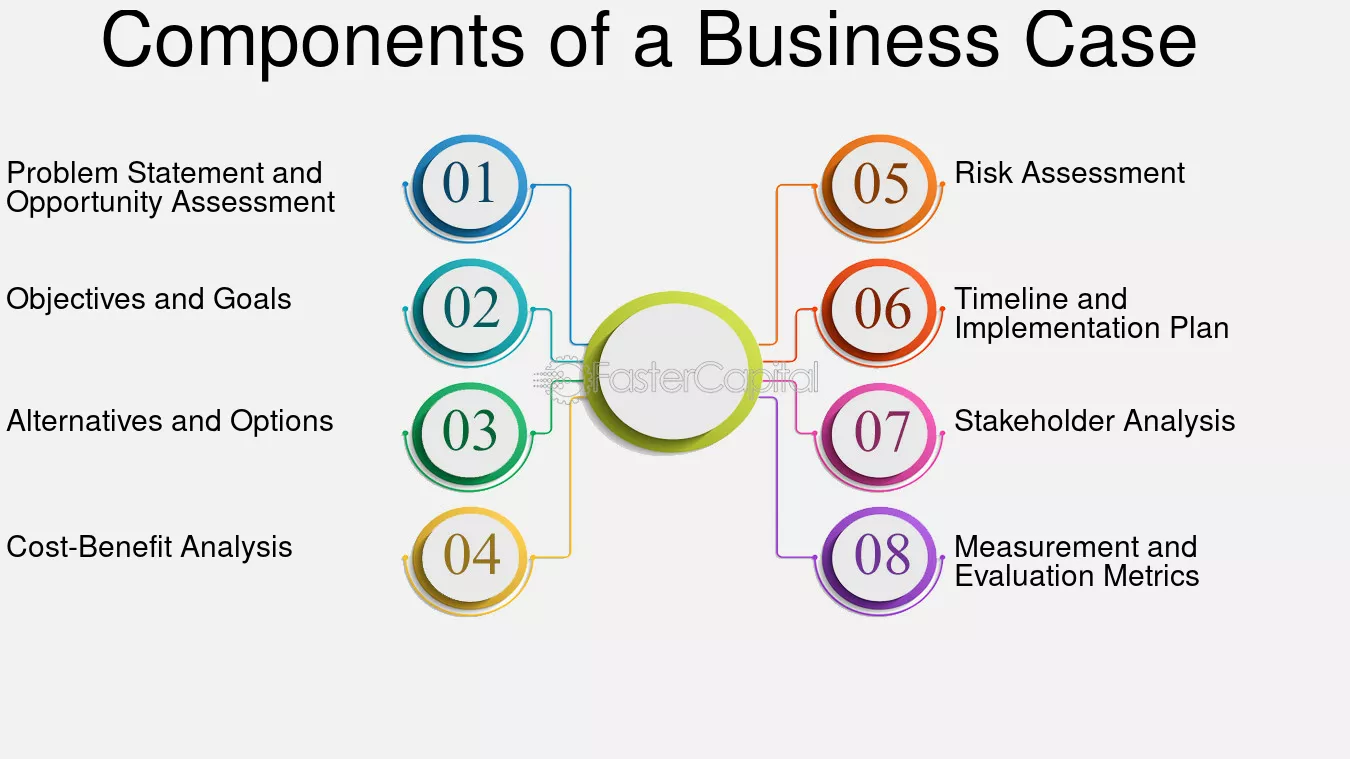
These components work together to create a comprehensive view of the initiative’s value proposition. A well-prepared business case does not merely request funding—it demonstrates that funding an initiative is a prudent and beneficial course of action for the organization as a whole.
The Business Case as a Living Document:
One of the most important but often overlooked features of a business case is its ability to evolve. Initial cost estimates, assumptions about benefits, and timelines are made using the best available data at the time of writing, but as the initiative unfolds, these inputs inevitably change. Treating the business case as a static, one-time deliverable risks undermining its relevance and accuracy.
By contrast, treating the business case as a living document allows for continuous refinement. As actual costs are recorded, projections can be adjusted. As stakeholder needs shift or external conditions evolve, assumptions can be revisited. Benefit forecasts can be recalibrated based on real-time performance or external feedback. This ongoing adaptation ensures that the business case remains a credible basis for decision-making throughout the initiative’s duration.
In practice, maintaining a living business case involves regular updates—typically aligned with project stage gates, reporting cycles, or major change requests. These updates allow financial and governance stakeholders to reassess the business rationale in light of emerging data and to make timely adjustments to scope, resources, or delivery methods as needed.
This approach not only supports better financial control but also promotes organizational agility. Initiatives that maintain an up-to-date business case are better positioned to respond to risk, adapt to change, and deliver outcomes that reflect current priorities rather than outdated assumptions.
Strategic Role in Governance and Decision-Making:
The business case occupies a central role in initiative governance. It provides the evidentiary basis for approvals, funding releases, and continued investment. During project reviews, performance is assessed not just against operational plans but also against the cost-benefit expectations set out in the business case. This ensures that strategic oversight is grounded in financial reality.
Many organizations incorporate formal checkpoints—such as stage-gate reviews or investment panels—at which the business case is reviewed and either reaffirmed or revised. These governance structures allow leadership to assess whether the initiative is still delivering its expected value or whether intervention is required. In some cases, the updated business case may support a change in direction, a scope reduction, or even a decision to halt the initiative if it no longer represents a sound investment.
By linking ongoing investment to real-time financial evidence, the business case becomes a tool for accountability. It enables senior stakeholders to ensure that resources are being used appropriately and that the initiative remains aligned with organizational priorities. This accountability also extends to external stakeholders—such as regulators, funding bodies, or shareholders—who may require assurance that initiatives are managed transparently and effectively.
In more mature environments, business cases are archived and reviewed collectively to support organizational learning. Comparing planned versus actual outcomes across multiple initiatives helps improve forecasting accuracy, identify systemic challenges, and refine investment appraisal methodologies.
Beyond the Financial Case: Broader Organizational Value:
While financial appraisal is central to the business case, it is not the only measure of value. Effective business cases consider a wider set of benefits and impacts—some of which may be difficult to quantify but are nonetheless strategically important. These can include:
• Enhanced customer satisfaction
• Improved compliance with regulatory or legal requirements
• Increased organizational resilience
• Support for sustainability goals
• Strengthened brand reputation or market positioning
Incorporating both quantitative and qualitative benefits ensures that the business case captures the full range of value an initiative is expected to deliver. This holistic view is especially important in public sector, non-profit, or mission-driven organizations where return on investment may not be purely financial.
Ultimately, the business case is a mechanism for ensuring disciplined investment. It bridges the gap between vision and execution, allowing strategic intent to be translated into financially sound, operationally feasible, and governance-approved action. It is through the business case that initiatives gain legitimacy, secure funding, and remain accountable for results. Managed effectively, it is not just a document—but a vital tool for responsible leadership and successful outcomes.

Funding Requests and Cost Management Practices
The transition from planning to execution in any initiative hinges on a single, critical gateway: the securing of appropriate funding. Without formal financial backing, even the most thoroughly developed business case remains a theoretical exercise. Funding approval is the mechanism by which an organization signals its commitment to the initiative, authorizing the use of resources and enabling work to begin. As such, the development of clear, credible, and strategically aligned funding requests is an essential practice in effective finance management.
Funding requests serve as the operational expression of the business case’s financial appraisal. They are designed to convert forecasts and recommendations into a structured proposal that meets the requirements of internal governance bodies, investment panels, or funding authorities. Their purpose is not only to obtain financial support but also to reinforce confidence that resources will be used responsibly and that the initiative will be managed in line with broader organizational goals.
Key Elements of a Robust Funding Request:
To be effective, funding requests must go beyond basic cost estimates. They must provide sufficient granularity, justification, and contextual awareness to support approval decisions and enable long-term financial control. Common elements include:
• Clear Breakdown of Required Funds by Category and Timeline: A comprehensive view of how much funding is needed, when it is needed, and for what specific purposes. This includes categorizing expenditure by type (e.g., personnel, equipment, technology, consultancy), by initiative phase (e.g., design, procurement, delivery), and across time periods. Phased funding requests are often preferred, enabling organizations to release funds incrementally as progress milestones are achieved.
• Justification for Expenditure, Linked to Expected Benefits: Each requested cost should be linked to a clear rationale that ties expenditure to anticipated value. This connection demonstrates that the requested funding is not arbitrary but grounded in a plan to deliver specific outputs or outcomes. It also allows for benefit realization planning to begin at the funding stage.
• Risk Analysis Related to Funding and Expenditure Patterns: Funding requests should acknowledge potential financial risks—such as price volatility, exchange rate fluctuations, or resource availability—and outline how these will be managed. This not only shows financial foresight but also gives stakeholders a more realistic view of the funding envelope required to accommodate uncertainty.
• Evidence of Alignment with Organizational Objectives: Effective funding requests demonstrate that the initiative supports strategic aims, such as market expansion, operational efficiency, regulatory compliance, or innovation. This alignment reinforces the case for funding by showing how the initiative contributes to broader organizational success.
Approval processes vary by organization, but most include some form of review or scrutiny, whether through finance committees, executive boards, or steering groups. Funding requests that clearly present the case for investment in a transparent and structured manner are far more likely to pass through these gateways successfully and with minimal delay.
Cost Categorization and Financial Structuring:
Once funding is approved, attention shifts to cost management—the process of ensuring that approved funds are used effectively, efficiently, and in alignment with the agreed-upon financial plan. A foundational element of this is cost categorization, which allows for detailed tracking and reporting across different areas of expenditure.
At the highest level, costs are often split into two primary categories:
• Capital Expenditure (CapEx): These are long-term investments intended to create future value, such as infrastructure development, system acquisition, or major equipment purchases. Capital costs typically appear on the balance sheet and are depreciated over time.
• Operational Expenditure (OpEx): These represent the ongoing costs of running the initiative, including salaries, utilities, consumables, training, and maintenance. Operational expenses are recorded in the profit and loss account as they are incurred.

Further detail is often introduced through secondary categorizations, such as:
• Direct Costs: Costs directly tied to the initiative, such as the salary of dedicated staff, vendor invoices, or materials procured specifically for the project.
• Indirect Costs: Costs that are shared across initiatives or departments, including overheads like office space, utilities, or administrative support.
• Contingency Allocations: Financial buffers built into the budget to absorb unforeseen costs or risks. These are essential for maintaining stability under uncertain conditions and are often subject to strict governance controls before use.
A well-structured cost framework supports more accurate tracking, better forecasting, and clearer reporting. It enables organizations to identify cost drivers, assess the cost-efficiency of delivery methods, and compare actual spending to baseline budgets.
Ongoing Cost Management and Financial Control:
Effective cost management extends far beyond the initial budgeting phase. It is a continuous process that involves monitoring, evaluating, and adjusting financial performance throughout the lifecycle of the initiative.
Key practices include:
• Regular Financial Reporting: Periodic reports comparing actual costs to forecasted budgets are a cornerstone of transparency. These reports often include commentary on variances, explanations of cost increases, and projections for future expenditure.
• Variance Analysis: This technique involves comparing planned financial performance to actual results and analyzing deviations. Variance analysis helps identify areas of overspending or underspending and provides early warning signs of potential financial issues. It also supports root-cause analysis and continuous improvement in financial planning.
• Forecasting and Reforecasting: Forecasting is not a one-time exercise. Reforecasting based on new data, changes in scope, or emerging risks is vital for maintaining financial accuracy. It ensures that resources remain sufficient and appropriately allocated throughout the initiative.
• Milestone-Based Funding Releases: Many organizations implement funding controls that tie financial disbursement to the achievement of predefined milestones. This approach reduces financial risk and ensures that additional funding is only released when specific deliverables or outcomes are met.
• Change Control Mechanisms: As initiatives evolve, changes to scope or schedule may necessitate budget adjustments. Formal change control processes ensure that these adjustments are reviewed, justified, and approved in accordance with financial governance frameworks.
Promoting Efficiency and Value for Money:
Beyond financial discipline, cost management also involves a commitment to efficiency and value creation. Identifying ways to achieve outcomes at lower cost—or to increase value without increasing spend—is a central concern of finance professionals supporting initiative delivery.
Common efficiency strategies include:
• Supplier Negotiation: Renegotiating contracts, exploring competitive sourcing options, or leveraging purchasing consortia to reduce procurement costs.
• Process Optimization: Streamlining internal workflows or delivery processes to reduce labor or time inputs without affecting quality or output.
• Technology Leverage: Investing in tools or platforms that automate routine tasks or enhance productivity, leading to long-term operational savings.
• Resource Reallocation: Continuously assessing how resources are used and reallocating them to areas of higher impact or urgency where appropriate.
Efficiency gains can be reinvested into the initiative to enhance scope or accelerate timelines, or returned to the organization to support other priorities. The key is that cost management is not about rigid austerity, but about responsible financial stewardship that maximizes return on investment.
Enabling Accountability and Governance Through Cost Transparency:
Ultimately, effective funding and cost management practices enhance accountability. By maintaining clear records of how funds are allocated and spent, organizations create a transparent environment that builds stakeholder confidence. Financial data becomes a key input to decision-making, performance reviews, and external reporting, ensuring that all parties understand how financial resources are contributing to organizational success.
Cost transparency also supports stronger governance. Leadership teams, oversight bodies, and auditors rely on accurate, timely financial data to assess initiative health, identify emerging issues, and approve future investments. In regulated environments, the ability to demonstrate sound financial practices can also protect against reputational or legal risk.

Challenges, Risks, and Best Practices in Finance Management
Finance management provides a disciplined framework for controlling initiatives, enabling strategic decisions based on cost, value, and risk. However, despite the structure and methodologies in place, managing finance across the lifecycle of an initiative presents a unique set of challenges. These challenges stem from the inherent unpredictability of external factors, the complexity of internal dynamics, and the evolving nature of most initiatives. Even in well-governed environments, financial assumptions made at the outset can become outdated or invalid as conditions shift.
Understanding and anticipating these challenges is essential for strengthening financial resilience, improving the accuracy of projections, and safeguarding the integrity of investments. At the same time, adopting best practices helps organizations not only react to problems but actively prevent them—transforming finance management from a reactive process into a strategic, value-generating capability.
Common Challenges and Risks in Finance Management:
Several risks consistently surface across programs and projects, regardless of industry or size. These include:
• Uncertainty in Early-Stage Cost Estimation: One of the most persistent challenges is the uncertainty involved in estimating costs during the initiation and planning phases. At these stages, limited information and incomplete specifications make it difficult to produce accurate forecasts. As a result, initial budgets are often built on assumptions that may not hold true as the initiative progresses.
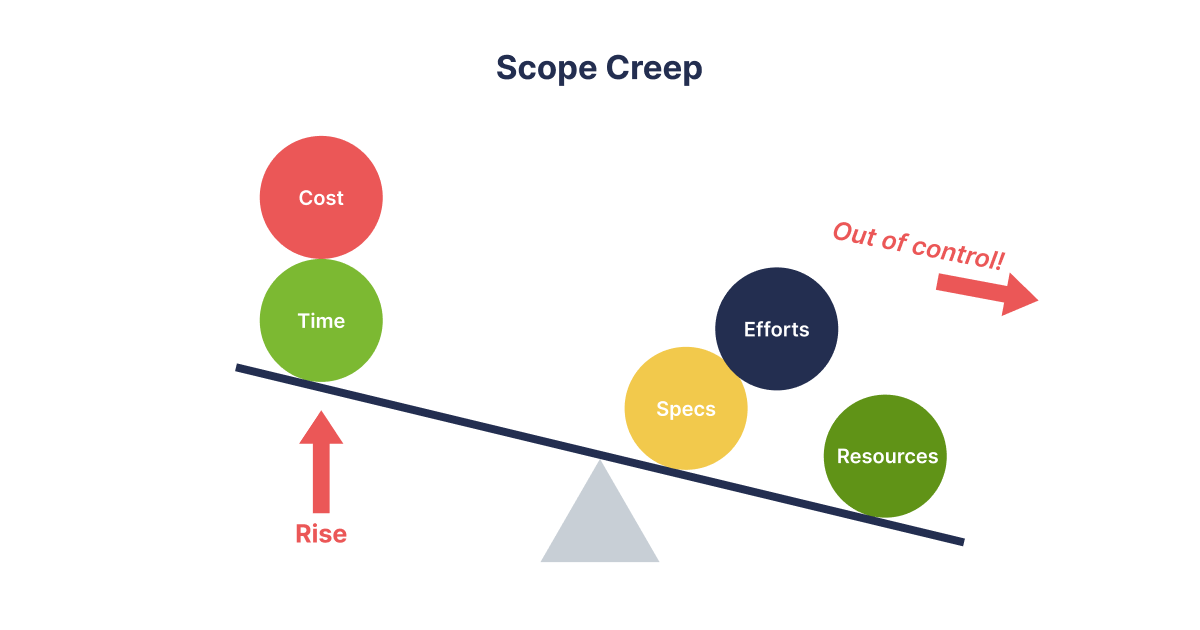
• Scope Creep and Change-Driven Cost Increases: As initiatives evolve, it is common for additional requirements, features, or deliverables to be added—often without a corresponding increase in budget. This phenomenon, known as scope creep, can significantly increase costs unless tightly controlled through change management and financial governance processes.
• Market Volatility and Supply Chain Disruptions: External economic conditions can quickly alter the financial landscape. Currency fluctuations, inflation, interest rate changes, and disruptions in global supply chains can drive costs higher than originally expected. These macroeconomic risks are often outside the control of the initiative team but have substantial financial implications.
• Overestimation of Benefits or Value: Just as underestimating costs can erode budgets, overestimating benefits can create false expectations about return on investment. This risk is especially pronounced in innovation-driven or technology-intensive initiatives where outcomes are speculative, and benefits may take longer to materialize than projected.
• Failure to Maintain a Living Business Case: A static business case becomes increasingly irrelevant as initiatives progress. If it is not regularly updated with current financial data, revised risk assessments, and reforecasted benefits, it can mislead decision-makers and undermine strategic oversight. Decisions may then be based on outdated or inaccurate information.
• Fragmentation of Financial Oversight: In large or multi-stakeholder initiatives, finance responsibilities can be dispersed across departments or functions, leading to inconsistencies in tracking, reporting, and accountability. Without integrated financial management, it becomes difficult to maintain a clear and accurate view of overall performance.
Each of these risks can lead to delayed timelines, cost overruns, reduced value delivery, or even the failure of the initiative. However, organizations can mitigate these issues by embedding proven finance management practices into their standard delivery approach.
Best Practices in Finance Management:
Effective finance management is characterized by a set of interrelated behaviours and systems that promote accuracy, responsiveness, and alignment. These best practices strengthen financial discipline while providing the flexibility needed to respond to change.
1. Continuous Monitoring of Financial Performance Against Forecasts:
Ongoing financial monitoring is essential for maintaining control and visibility. Rather than relying solely on static budgets or annual reviews, continuous monitoring involves real-time tracking of actual spend against planned forecasts. This practice allows for the early detection of deviations, giving teams the opportunity to investigate causes and make adjustments before problems escalate.
Key techniques include variance analysis, earned value management, and financial dashboards that provide up-to-date insights into costs, funding utilization, and burn rates. When combined with milestone tracking and risk monitoring, these tools ensure that financial health is assessed as part of regular initiative reviews.
2. Adaptive Planning and Reforecasting:
Flexibility in financial planning is a vital component of success. Conditions rarely remain constant across the lifecycle of an initiative. Therefore, organizations must be able to adjust financial forecasts and plans in response to changing internal priorities or external events.
Adaptive planning enables teams to revise cost projections, recalibrate funding schedules, and reassess benefit expectations based on the most recent data. It also allows for scenario planning, where multiple financial outcomes are modelled to understand how different risks or decisions may impact costs and value delivery.
The ability to reforecast accurately requires close collaboration between finance professionals and initiative teams, ensuring that emerging risks and opportunities are captured in a timely and transparent manner.
3. Transparent Reporting to Build Trust and Enable Informed Decision-Making:
Trust in financial reporting is a prerequisite for strong governance. Transparency does not simply mean sharing numbers—it means presenting them in a context that is meaningful, consistent, and aligned with decision-making processes.
Financial reporting should include clear explanations of variances, updates to forecasts, and commentary on key drivers of performance. It should also be tailored to the needs of different stakeholders—executive sponsors, steering committees, regulatory bodies—ensuring that each group has access to the data required to fulfil their oversight responsibilities.
Transparent reporting not only supports decision-making but also enhances accountability. It provides a record of how funds are being used, what value is being delivered, and where corrective action may be necessary.
4. Integration with Broader Management Disciplines:
Finance management is most effective when it is integrated with other core disciplines such as risk management, resource planning, procurement, and stakeholder engagement. Financial decisions are rarely made in isolation; they are informed by timelines, dependencies, constraints, and stakeholder expectations.
For example:
• Risk assessments inform contingency planning and help shape financial buffers.
• Resource planning ensures that financial commitments align with workforce capacity and availability.
• Stakeholder feedback can influence prioritization and affect benefit assumptions.
• Procurement strategies can alter timelines and impact contract-related costs.
When finance is viewed as part of an integrated project ecosystem rather than a standalone function, it becomes more responsive, holistic, and strategically aligned.
Embedding a Proactive Finance Culture:
The ultimate goal of these best practices is to shift finance management from a passive, compliance-driven process to a proactive, value-focused capability. This requires a cultural orientation toward financial awareness, responsibility, and adaptability across all layers of the organization.
Proactive finance management means anticipating challenges rather than reacting to them, using data to inform choices, and continuously seeking ways to optimize outcomes. It means equipping delivery teams with the tools and knowledge to manage budgets effectively and empowering finance professionals to act as strategic partners rather than gatekeepers.
When financial acumen becomes embedded in initiative design, planning, and execution, organizations are better positioned to deliver consistent value, protect investments, and adapt to uncertainty. This approach ensures that finance management serves not just as a system of control—but as an enabler of long-term success.

Case Study: The Crossrail Project – Managing Costs Through Structured Financial Governance
The Crossrail project, now known as the Elizabeth Line, was one of the largest infrastructure developments in Europe. Initiated in the United Kingdom, this extensive transportation program aimed to deliver a high-capacity railway running across London, connecting major economic hubs and reducing travel times for millions of commuters. The program involved multiple stakeholders, complex engineering works, and a vast number of contractual arrangements.
Financial Challenges:
At the outset, Crossrail had a detailed business case with structured funding arrangements and cost projections. The business case set out the strategic justification for the project, highlighting anticipated economic benefits, congestion relief, and increased capacity on the rail network. However, as the project progressed, several factors—such as design modifications, supply chain issues, and system integration delays—led to significant cost escalations.
Finance Management Approach:
In response, financial governance was strengthened through tighter cost control measures, milestone-based funding releases, and continuous business case reviews. The original business case, which outlined capital expenditures, contingency budgets, and long-term operational costs, was revised multiple times to reflect real-time financial performance. Independent assurance bodies were engaged to validate the revised financial forecasts and reappraise the cost-to-benefit analysis as scope adjustments were made.
Outcomes and Lessons Learned:
Although the project experienced delays and budget overruns, the structured financial management approach allowed for greater visibility into cost drivers and accountability for financial decisions. This transparency enabled informed decisions about scope prioritization and the sequencing of works. The eventual delivery of the line brought about a significant boost to London’s transport capacity and urban regeneration, reaffirming the importance of maintaining a dynamic, well-managed business case throughout the lifecycle of complex initiatives.
Case Study: Cisco Systems – Using Business Cases to Guide Strategic Product Investment
Cisco Systems, a multinational technology conglomerate, frequently evaluates new technology investments and product development initiatives as part of its innovation strategy. One such project involved the development of a cloud-based collaboration platform intended to serve enterprise customers transitioning to hybrid work environments. Given the competitive nature of the market, the initiative carried both financial risk and strategic opportunity.
Financial Challenges:
Initial internal discussions revealed competing priorities for R&D funding. To secure backing, the project team was required to submit a robust business case detailing forecasted development costs, market demand validation, and a projected return on investment. Concerns were raised regarding the scalability of the proposed platform, infrastructure costs, and time-to-market.
Finance Management Approach:
The business case presented three possible technical paths, each with distinct cost implications. Financial modeling tools were used to evaluate these options based on internal rate of return (IRR), time-based break-even analysis, and sensitivity testing. A staged funding model was approved, tied to development milestones and market feedback checkpoints.
Throughout the development lifecycle, the business case was revisited and updated. As customer insights revealed new feature demands, the scope was adapted while cost implications were managed through vendor negotiations and process optimization. Finance and product teams worked closely to monitor spending, align funding with deliverables, and ensure ongoing justification for investment continuation.
Outcomes and Lessons Learned:
The product launched successfully and quickly gained adoption among large enterprises. Financial targets were met within the first 18 months, and the platform became a central offering within Cisco’s cloud portfolio. The case reinforced the value of structured business cases—not just for initial funding approval, but as an adaptive management tool that supports financial discipline and market responsiveness.
Executive Summary

Chapter 1: Strategic Finance Management in Change Initiatives
Strategic finance management forms the backbone of effective portfolio, program, and project delivery. It is not only a mechanism for tracking expenditure but a vital enabler of strategic change. By embedding financial thinking into the structure of change initiatives, organizations can better align resources to strategic priorities, drive value realization, and maintain financial accountability throughout the initiative lifecycle.
This part of the course introduces the foundational principles of finance management within complex delivery environments. It emphasizes the need to view finance as a dynamic, actively managed resource that influences decision-making, controls investment flows, and supports the achievement of long-term goals. Rather than approaching finance as a post-hoc reporting function, this perspective positions financial oversight as a proactive tool that guides initiative planning, execution, and governance.
The manual explores the critical relationship between financial discipline and benefits realization. Through the application of strategic alignment matrices and value chain mapping techniques, it becomes possible to visualize the financial impact of each activity in relation to desired business outcomes. This approach supports the selection and prioritization of investments that deliver measurable value, while also providing a framework for tracking performance and assessing return on investment.
Financial governance is presented as a key component of effective oversight. Drawing on widely adopted standards such as MSP, MoP, P3M3, ISO 21500, and PMI’s PMBOK, the manual examines how organizations can integrate financial controls into existing governance frameworks. These models offer structured approaches to investment planning, cost control, and funding approval, tailored to the complexity of modern change portfolios. Sector-specific variations in global financial governance practices are also addressed, highlighting the diverse applications of strategic finance principles across industries.
To support practical implementation, the manual introduces tools such as financial governance templates and control point mapping across the investment lifecycle. These tools help formalize financial decision-making and enable consistent evaluation of whether initiatives remain aligned to business strategy. They also assist in identifying risks, ensuring accountability, and maintaining transparency with internal and external stakeholders.
By establishing a foundation in financial governance and strategic alignment, this manual positions finance as a driver of performance rather than a constraint. It highlights the importance of early engagement, continuous oversight, and structured investment controls in enabling successful outcomes. In doing so, it lays the groundwork for future exploration of funding mechanisms, cost management strategies, and business case development within the broader finance management discipline.
Chapter 2: Fundamentals of Cost Estimation and Budget Planning
Accurate cost estimation and disciplined budget planning are fundamental components of effective financial management within change initiatives. These practices enable organizations to allocate resources with confidence, support informed investment decisions, and establish a sound financial baseline for delivery oversight. Developing credible, well-structured budgets requires both methodological rigor and an understanding of the broader financial landscape in which initiatives operate.
This part of the course explores the key principles, frameworks, and tools that underpin cost estimation and budgeting in project, program, and portfolio contexts. It begins by outlining the full spectrum of cost types that may be incurred across the initiative lifecycle. These include capital and operational expenditures, sunk costs, indirect charges, and contingency allocations. Recognizing and correctly categorizing these costs ensures that budget forecasts are comprehensive and capable of withstanding financial scrutiny.
The manual then introduces widely used cost estimation techniques, such as analogous, parametric, and bottom-up approaches. Each method offers advantages depending on the nature, complexity, and maturity of the initiative. Emphasis is placed on selecting the most appropriate technique based on available data, historical benchmarks, and the degree of accuracy required at each planning stage.
To support the development of structured financial plans, the manual highlights the use of Cost Breakdown Structures (CBS) and whole-of-life costing approaches. These models allow for the disaggregation of total costs into manageable components, making it easier to track, report, and adjust financial plans over time. The inclusion of sector-specific estimation frameworks reflects the diverse cost planning practices employed across different industries, while adherence to P3M3 and ISO-aligned budgeting processes ensures consistency with global standards.
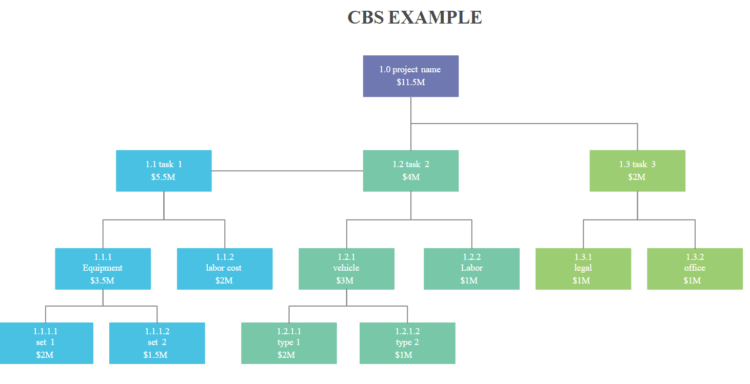
Practical implementation is reinforced through the application of budgeting templates, estimation workbooks, and real-world cost modelling examples. These tools support the development of phased budgets that reflect initiative timelines, delivery risks, and anticipated resource flows. The ability to forecast funding requirements accurately over time enhances delivery assurance and supports the financial aspects of business case development and validation.
By applying robust estimation techniques and budget planning practices, organizations improve the credibility of their financial forecasts and the resilience of their initiatives. This manual promotes transparency in resource allocation and establishes a defensible financial foundation from which success can be managed, monitored, and measured.

Chapter 3: Funding Models and Investment Approval Processes
The ability to secure appropriate funding is central to the successful initiation and delivery of strategic initiatives. Navigating the complexity of funding models and organizational investment approval processes requires both technical knowledge and a strong understanding of governance expectations. When aligned to strategic objectives, funding decisions serve not only to enable delivery but also to safeguard organizational resources and maintain portfolio integrity.
This section outlines the principles and practices that govern investment decision-making within project, program, and portfolio environments. It introduces a range of funding mechanisms and approval models, highlighting how these structures shape the flow of capital and determine whether initiatives proceed, are modified, or are rejected. An understanding of investment logic mapping, funding gate alignment, and portfolio prioritization ensures that funding submissions are not only financially sound but also strategically positioned.
The manual explores various frameworks used to structure investment decisions, including Gateway Reviews, Treasury Investment Decision Frameworks, and globally recognized sector-based models. These frameworks provide formal checkpoints that assess readiness, validate assumptions, and guide decision-makers on the release of funds across initiative stages. The integration of funding gates with delivery governance enhances oversight, promotes accountability, and supports phased investment approaches that align financial support with performance outcomes.
To support the development of high-quality submissions, the manual includes templates, worked examples, and tools for comparing investment options. These resources enable practitioners to prepare compelling funding requests that clearly articulate the value proposition, associated risks, and expected returns. Strategic alignment is emphasized throughout, reinforcing the importance of linking financial requests to business drivers, outcomes, and measurable benefits.
The inclusion of real-world case studies further illustrates the impact of effective and ineffective funding approaches. These examples reveal common success factors and pitfalls, such as clarity of purpose, consistency of financial data, and stakeholder engagement in the approval process.
Through the application of these models and tools, this manual establishes a foundation for financial decision-making that supports both initiative viability and organizational resilience. It highlights the role of funding in reinforcing delivery confidence, enhancing governance, and ensuring that resources are invested where they can deliver the most strategic value.

Chapter 4: Developing a Compelling Business Case
A strong business case serves as the foundation for investment decisions, providing the rationale for committing resources to an initiative. It is both a strategic and financial document—used to justify investment, evaluate options, and guide delivery throughout the initiative lifecycle. When constructed effectively, a business case enables organizations to prioritize wisely, allocate funding with confidence, and hold initiatives accountable for delivering measurable benefits.
This section explores the development of business cases that are structured, evidence-based, and aligned to organizational objectives. It introduces recognized frameworks such as the Five Case Model, PMI’s business case structure, and PRINCE2 guidance, each offering a systematic approach to presenting value propositions. These frameworks help ensure that business cases are clear, consistent, and comprehensive in scope.

The manual emphasizes the importance of defining the problem or opportunity in precise terms, as this forms the basis for evaluating potential solutions. A compelling business case articulates the need for change, identifies and assesses viable options, and provides a reasoned recommendation supported by financial and non-financial analysis.
Financial appraisal plays a central role in the business case process. This includes conducting cost-benefit analyses, assessing financial viability versus affordability, and integrating risk and benefit considerations into the evaluation of each option. These elements support transparent comparisons between alternatives and ensure that proposed solutions offer value for money over the short and long term.
Practical tools are provided to support business case development, including templates for both three- and five-part models, cost-benefit analysis examples, and evaluation scoring sheets. These resources help formalize decision-making criteria and ensure that business cases are tailored to the complexity and scale of the proposed initiative.
The manual also draws on guidance from MoP and MSP to demonstrate how business cases evolve over time and remain central to governance throughout delivery. Rather than a static document, the business case is positioned as a dynamic tool—updated as new information becomes available and used to assess ongoing alignment between costs, risks, and benefits.
By reinforcing the principles of clarity, structure, and strategic alignment, this manual supports the development of business cases that resonate with decision-makers and stakeholders alike. It ensures that investment proposals are both credible and compelling, ultimately enabling organizations to invest wisely, manage risks effectively, and deliver the intended value.

Chapter 5: Financial Appraisal and Cost-Benefit Analysis
Financial appraisal provides a structured basis for evaluating the economic viability of potential initiatives. It enables decision-makers to compare investment options, assess value for money, and identify those initiatives most likely to deliver sustainable returns. A disciplined approach to financial appraisal supports both transparency and accountability, ensuring that investment decisions are grounded in evidence rather than intuition.
This part of the course outlines the core principles and techniques that underpin financial appraisal within organizational change contexts. It focuses on key methods such as Net Present Value (NPV), Internal Rate of Return (IRR), and Payback Period, providing practical guidance on how to calculate and interpret these indicators. These tools are essential for determining whether an initiative is financially viable, how long it will take to recover initial investment, and what return can be expected over time.
A critical component of appraisal is the application of discounted cash flow models, which account for the time value of money and enable more accurate comparisons between initiatives with differing timelines and cost structures. The manual also introduces sensitivity analysis, a technique that tests the impact of variable changes—such as costs, timelines, or benefit projections—on the overall financial viability of a proposal. Sensitivity testing supports robust decision-making by exposing potential risks and highlighting areas of financial uncertainty.
Frameworks such as the Treasury Green Book methodology and ISO 15686 ROI calculations are explored to demonstrate consistent, internationally recognized standards for investment appraisal. These frameworks provide guidelines for structuring appraisals, validating assumptions, and presenting findings to governance bodies. In addition, P3M3 value management processes are examined to show how financial appraisal aligns with broader portfolio and program value strategies.
To support practical application, the manual includes tools such as cost-benefit calculators, scenario testing models, and real-world financial templates. These resources help formalize financial evaluations and ensure that economic assessments are repeatable, auditable, and suited to the scale of the initiative under review.
By mastering these appraisal techniques, organizations enhance the credibility of their business cases and increase the rigor of their investment decisions. Financial appraisal becomes not just a finance function, but a strategic enabler—ensuring that resources are allocated based on clear value propositions, that risks are understood and quantified, and that initiatives are set up to deliver tangible, measurable outcomes.

Chapter 6: Integrating Risk, Contingency and Financial Controls
Effective financial management requires more than accurate estimates and structured budgets—it also demands proactive identification and mitigation of financial risk. Cost uncertainty, unforeseen events, and external disruptions are inherent to complex initiatives, and without integrated control mechanisms, these risks can erode value, delay delivery, or compromise outcomes. Embedding financial risk and contingency planning into all stages of the investment lifecycle is critical to sustaining delivery confidence and protecting organizational resources.
This section explores how financial risk can be systematically managed by incorporating it into business case development, cost estimation, and budgeting activities. The manual outlines the process of identifying potential financial risks, quantifying their impact, and applying structured mitigation strategies. By aligning risk management with financial control processes, initiatives gain greater resilience and adaptability in the face of changing conditions.
Key techniques such as risk-adjusted cost estimating are introduced, supported by methodologies like Monte Carlo simulation, which enables probabilistic forecasting of budget outcomes. These approaches allow for a more dynamic understanding of cost exposure, helping organizations assess the likelihood of overruns and build appropriate contingency allocations into financial plans.
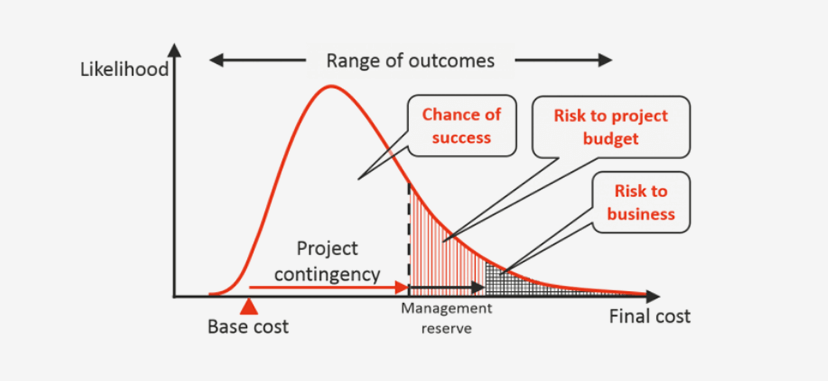
The manual also examines frameworks including ISO 31000, which provides guidance on integrating enterprise risk management with financial governance, and P3M3 risk maturity models, which offer insight into how financial control practices evolve as organizational capability increases. These frameworks support the alignment of financial planning with overall risk appetite and oversight expectations.
Tools such as risk-cost matrix templates and risk-adjusted budget models are provided to help translate abstract risk concepts into actionable financial controls. These tools assist in prioritizing financial risks, applying cost buffers, and ensuring that business cases account for both known and emerging uncertainties.
Additionally, the manual highlights the distinction between assurance and audit processes, clarifying their respective roles in promoting financial integrity. Assurance activities are presented as proactive measures embedded in delivery governance, while audits offer retrospective validation of financial decisions and outcomes. Understanding the function of both supports stronger governance and reinforces accountability.
Lessons learned from historical cost overruns are also explored, providing practical examples of how inadequate risk integration can undermine financial performance. These insights reinforce the value of forward-thinking financial planning and strengthen the case for embedding contingency strategies into standard delivery practices.
By incorporating financial risk and control mechanisms into governance frameworks, this manual supports the development of robust, adaptable financial strategies. It enables organizations to anticipate disruption, respond effectively to change, and maintain confidence in their financial planning and investment decisions across the initiative lifecycle.
Chapter 7: Lifecycle-Based Financial Monitoring and Control
Ongoing financial oversight is essential to ensure that initiatives remain within defined cost parameters and continue to deliver expected value. Financial performance must be monitored systematically throughout the initiative lifecycle, with timely interventions applied where necessary to protect investment integrity. Consistent monitoring not only supports corrective action when variances occur but also provides assurance that benefits remain achievable and aligned to strategic objectives.
This part of the course outlines how structured financial monitoring practices can be integrated into portfolio, program, and project environments. It introduces key metrics, reporting methods, and performance management tools that support the real-time tracking of expenditure and progress. At the core of this approach is Earned Value Management (EVM)—a performance measurement methodology that provides a quantitative view of cost and schedule variance.
Using EVM models based on standards such as PMI guidelines and ISO 21508, the manual demonstrates how to calculate cost performance indicators and compare actual progress to planned expenditure. These insights enable delivery teams and governance bodies to detect deviations early and implement corrective actions before they affect outcomes. Variance analysis techniques are explored in detail, providing a structured way to assess root causes and inform financial recovery planning.
Lifecycle-based monitoring also connects financial data to benefits realization. By linking expenditure to planned outcomes, organizations can assess whether investments are delivering value in line with expectations. This alignment ensures that financial performance is not managed in isolation, but in conjunction with strategic benefit tracking and delivery assurance.
The manual includes models for lifecycle financial monitoring, emphasizing how financial control practices evolve from planning through to closure. Each stage of the lifecycle presents unique monitoring requirements—ranging from baseline tracking during initiation to benefits review during post-completion phases. Practical tools such as EVM dashboards, financial health checklists, and monthly reporting templates are provided to support implementation.
Through structured financial monitoring, organizations gain the visibility needed to maintain control over complex initiatives. It enables evidence-based decision-making, reinforces governance, and ensures that investment remains aligned to delivery expectations. By embedding these practices into standard operations, financial performance becomes a continuous, integrated component of initiative management—enhancing both accountability and value delivery.

Chapter 8: Business Case as a Living Document
In dynamic delivery environments, the original rationale for investment must be revisited and validated as conditions evolve. The business case, far from being a static approval document, serves as a continuous reference point for alignment between strategic objectives, delivery performance, and realized value. Treating the business case as a living document allows for agility, transparency, and sustained decision integrity throughout the initiative lifecycle.
This section highlights the critical role of ongoing business case maintenance as a governance tool. As initiatives progress, changes in scope, risk, cost structures, or market conditions can significantly alter the assumptions upon which funding and delivery plans were based. In response, the business case must be actively reviewed, revised, and communicated to ensure it reflects the current reality of the initiative and maintains its relevance to stakeholders and decision-makers.
Frameworks such as MoP and MSP emphasize dynamic case governance, encouraging the integration of business case reviews into health checks, gate reviews, and major checkpoint events. These governance moments offer structured opportunities to assess whether continued investment remains justified and whether anticipated benefits are still achievable under evolving conditions.
The manual introduces change control and refresh procedures, which formalize the process of reviewing and updating business case components. Triggers for review may include major delivery milestones, cost escalations, risk profile changes, or shifts in strategic direction. Ensuring that these triggers are recognized and acted upon reinforces financial discipline and supports responsive governance.
Key tools such as business case update logs, assurance review templates, and stakeholder briefing packs are included to facilitate transparent revisions and engagement. These resources enable delivery teams to document changes clearly, communicate their implications effectively, and secure alignment across stakeholder groups.
A focus is also placed on benefit-cost revalidation, which involves reassessing the balance between investment inputs and intended outcomes. Engaging stakeholders in this process ensures continued buy-in, reinforces the value proposition, and enhances decision quality at key junctures in the initiative’s progression.
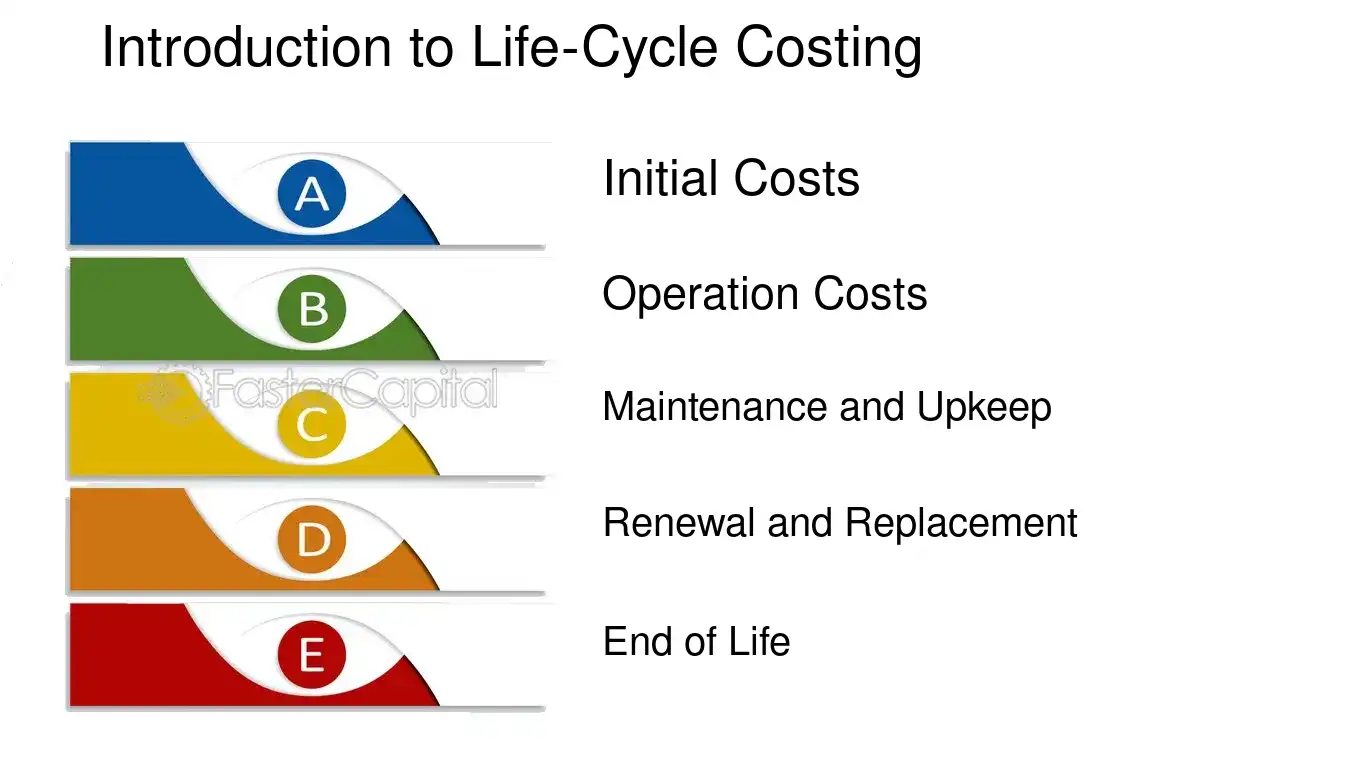
By embedding the concept of the business case as a living document into financial and delivery governance, organizations can respond confidently to change while maintaining a disciplined focus on value. This approach strengthens oversight, supports real-time decision-making, and ensures that investment continues to serve strategic intent throughout the course of transformation.

Chapter 9: Stakeholder Engagement and Financial Transparency
Sustained stakeholder engagement is a critical component of financial governance, particularly in environments where investments are complex, multi-phased, or politically sensitive. Financial transparency serves as both a communication tool and a trust-building mechanism, enabling stakeholders to understand how funds are allocated, how decisions are made, and how value is being protected or delivered over time.
This part of the course explores the role of financial communication in stakeholder engagement, emphasizing the importance of presenting financial information in ways that are accessible, relevant, and tailored to diverse audiences. Complex data must be translated into narratives that resonate with technical experts, executive decision-makers, governance boards, and external partners alike. When this translation is done well, finance becomes a unifying language—reinforcing commitment, reducing resistance, and enhancing delivery confidence.
Drawing from PMI’s stakeholder management framework, the manual introduces principles for identifying stakeholder interests, expectations, and levels of financial literacy. These insights are then used to shape communication strategies that align messaging with stakeholder needs, ensuring clarity and relevance.
Techniques for structuring financial storylines are also explored, particularly in relation to board engagement and investment gate reviews. By creating clear financial narratives, delivery leaders can link expenditure to outcomes, demonstrate alignment with strategic goals, and convey the rationale behind financial decisions. This clarity strengthens decision-making processes and reinforces accountability.
Models such as MoP stakeholder value maps and governance communication protocols provide guidance for mapping influence, timing engagements, and managing expectations throughout the initiative lifecycle. These frameworks help ensure that communication efforts are proactive rather than reactive and that stakeholders remain informed and aligned as conditions evolve.
To support practical implementation, the manual includes tools such as financial summary reports, communication frameworks, and stakeholder influence maps. These resources simplify the process of communicating performance, forecast changes, and trade-offs without overwhelming recipients with technical detail.
Ultimately, financial transparency is more than a reporting obligation—it is a strategic lever that strengthens partnerships, accelerates decision cycles, and builds a shared understanding of risk, opportunity, and value. By fostering open, purposeful financial dialogue, this manual equips practitioners to engage effectively, promote confidence, and support the sustained success of investment-led change.

Chapter 10: Lessons Learned and Best Practice in Finance and Case Development
Building robust financial management and business case development capabilities requires not only the mastery of frameworks and tools but also the ability to reflect on past experiences. Examining both successful outcomes and critical failures offers essential insights into the dynamics of real-world financial governance and investment decision-making. Lessons learned serve as a foundation for continuous improvement, helping organizations to refine processes, avoid repeated missteps, and raise overall maturity in finance-related disciplines.
This section brings together key observations from across diverse project and program environments, identifying patterns in what drives strong financial performance and what commonly undermines it. Among the most frequently encountered challenges are underdeveloped cost models, unrealistic benefit projections, misaligned stakeholder expectations, and outdated or static business cases. Understanding the root causes of these failures allows organizations to put preventative measures in place for future initiatives.
Drawing from knowledge management practices such as After Action Reviews (AARs) and Post-Implementation Reviews (PIRs), the manual encourages structured reflection throughout and after the initiative lifecycle. These learning loops support the capture of contextual insights that might otherwise be lost, embedding reflection as a core part of financial governance.
The manual also explores how maturity models—including those from P3M3—can be used to assess and benchmark organizational capabilities in finance and business case development. These models identify clear progression pathways, enabling teams to move from reactive compliance to proactive, value-driven financial leadership.
Practical resources such as finance governance audit tools, lessons learned repositories, and best practice checklists are included to support systematic analysis and knowledge transfer. These tools help institutionalize learning across departments, projects, and leadership tiers, ensuring that successful methods are repeatable and avoidable failures are not overlooked.
In addition to evaluating internal practices, the manual presents a synthesis of global best practices from both public and private sectors. These examples offer tested approaches to budgeting, financial appraisal, benefit tracking, and stakeholder communication that can be tailored to different organizational contexts.
Ultimately, this manual consolidates the entire financial management learning journey. It reinforces the importance of critical reflection, structured improvement, and the integration of practical wisdom into formal governance processes. By embedding lessons and best practices into core capability, organizations enhance resilience, boost strategic confidence, and ensure their financial and investment governance functions are primed to support long-term success.
Curriculum

Navigating Projects – Workshop 5 – Finance Management
- Strategic Finance Management in Change Initiatives
- Fundamentals of Cost Estimation and Budget Planning
- Funding Models and Investment Approval Processes
- Developing a Compelling Business Case
- Financial Appraisal and Cost-Benefit Analysis
- Integrating Risk, Contingency and Financial Controls
- Lifecycle-Based Financial Monitoring and Control
- Business Case as a Living Document
- Stakeholder Engagement and Financial Transparency
- Lessons Learned and Best Practice in Finance and Case Development
Distance Learning

Introduction
Welcome to Appleton Greene and thank you for enrolling on the Navigating Projects corporate training program. You will be learning through our unique facilitation via distance-learning method, which will enable you to practically implement everything that you learn academically. The methods and materials used in your program have been designed and developed to ensure that you derive the maximum benefits and enjoyment possible. We hope that you find the program challenging and fun to do. However, if you have never been a distance-learner before, you may be experiencing some trepidation at the task before you. So we will get you started by giving you some basic information and guidance on how you can make the best use of the modules, how you should manage the materials and what you should be doing as you work through them. This guide is designed to point you in the right direction and help you to become an effective distance-learner. Take a few hours or so to study this guide and your guide to tutorial support for students, while making notes, before you start to study in earnest.
Study environment
You will need to locate a quiet and private place to study, preferably a room where you can easily be isolated from external disturbances or distractions. Make sure the room is well-lit and incorporates a relaxed, pleasant feel. If you can spoil yourself within your study environment, you will have much more of a chance to ensure that you are always in the right frame of mind when you do devote time to study. For example, a nice fire, the ability to play soft soothing background music, soft but effective lighting, perhaps a nice view if possible and a good size desk with a comfortable chair. Make sure that your family know when you are studying and understand your study rules. Your study environment is very important. The ideal situation, if at all possible, is to have a separate study, which can be devoted to you. If this is not possible then you will need to pay a lot more attention to developing and managing your study schedule, because it will affect other people as well as yourself. The better your study environment, the more productive you will be.
Study tools & rules
Try and make sure that your study tools are sufficient and in good working order. You will need to have access to a computer, scanner and printer, with access to the internet. You will need a very comfortable chair, which supports your lower back, and you will need a good filing system. It can be very frustrating if you are spending valuable study time trying to fix study tools that are unreliable, or unsuitable for the task. Make sure that your study tools are up to date. You will also need to consider some study rules. Some of these rules will apply to you and will be intended to help you to be more disciplined about when and how you study. This distance-learning guide will help you and after you have read it you can put some thought into what your study rules should be. You will also need to negotiate some study rules for your family, friends or anyone who lives with you. They too will need to be disciplined in order to ensure that they can support you while you study. It is important to ensure that your family and friends are an integral part of your study team. Having their support and encouragement can prove to be a crucial contribution to your successful completion of the program. Involve them in as much as you can.
Successful distance-learning
Distance-learners are freed from the necessity of attending regular classes or workshops, since they can study in their own way, at their own pace and for their own purposes. But unlike traditional internal training courses, it is the student’s responsibility, with a distance-learning program, to ensure that they manage their own study contribution. This requires strong self-discipline and self-motivation skills and there must be a clear will to succeed. Those students who are used to managing themselves, are good at managing others and who enjoy working in isolation, are more likely to be good distance-learners. It is also important to be aware of the main reasons why you are studying and of the main objectives that you are hoping to achieve as a result. You will need to remind yourself of these objectives at times when you need to motivate yourself. Never lose sight of your long-term goals and your short-term objectives. There is nobody available here to pamper you, or to look after you, or to spoon-feed you with information, so you will need to find ways to encourage and appreciate yourself while you are studying. Make sure that you chart your study progress, so that you can be sure of your achievements and re-evaluate your goals and objectives regularly.
Self-assessment
Appleton Greene training programs are in all cases post-graduate programs. Consequently, you should already have obtained a business-related degree and be an experienced learner. You should therefore already be aware of your study strengths and weaknesses. For example, which time of the day are you at your most productive? Are you a lark or an owl? What study methods do you respond to the most? Are you a consistent learner? How do you discipline yourself? How do you ensure that you enjoy yourself while studying? It is important to understand yourself as a learner and so some self-assessment early on will be necessary if you are to apply yourself correctly. Perform a SWOT analysis on yourself as a student. List your internal strengths and weaknesses as a student and your external opportunities and threats. This will help you later on when you are creating a study plan. You can then incorporate features within your study plan that can ensure that you are playing to your strengths, while compensating for your weaknesses. You can also ensure that you make the most of your opportunities, while avoiding the potential threats to your success.
Accepting responsibility as a student
Training programs invariably require a significant investment, both in terms of what they cost and in the time that you need to contribute to study and the responsibility for successful completion of training programs rests entirely with the student. This is never more apparent than when a student is learning via distance-learning. Accepting responsibility as a student is an important step towards ensuring that you can successfully complete your training program. It is easy to instantly blame other people or factors when things go wrong. But the fact of the matter is that if a failure is your failure, then you have the power to do something about it, it is entirely in your own hands. If it is always someone else’s failure, then you are powerless to do anything about it. All students study in entirely different ways, this is because we are all individuals and what is right for one student, is not necessarily right for another. In order to succeed, you will have to accept personal responsibility for finding a way to plan, implement and manage a personal study plan that works for you. If you do not succeed, you only have yourself to blame.
Planning
By far the most critical contribution to stress, is the feeling of not being in control. In the absence of planning we tend to be reactive and can stumble from pillar to post in the hope that things will turn out fine in the end. Invariably they don’t! In order to be in control, we need to have firm ideas about how and when we want to do things. We also need to consider as many possible eventualities as we can, so that we are prepared for them when they happen. Prescriptive Change, is far easier to manage and control, than Emergent Change. The same is true with distance-learning. It is much easier and much more enjoyable, if you feel that you are in control and that things are going to plan. Even when things do go wrong, you are prepared for them and can act accordingly without any unnecessary stress. It is important therefore that you do take time to plan your studies properly.
Management
Once you have developed a clear study plan, it is of equal importance to ensure that you manage the implementation of it. Most of us usually enjoy planning, but it is usually during implementation when things go wrong. Targets are not met and we do not understand why. Sometimes we do not even know if targets are being met. It is not enough for us to conclude that the study plan just failed. If it is failing, you will need to understand what you can do about it. Similarly if your study plan is succeeding, it is still important to understand why, so that you can improve upon your success. You therefore need to have guidelines for self-assessment so that you can be consistent with performance improvement throughout the program. If you manage things correctly, then your performance should constantly improve throughout the program.
Study objectives & tasks
The first place to start is developing your program objectives. These should feature your reasons for undertaking the training program in order of priority. Keep them succinct and to the point in order to avoid confusion. Do not just write the first things that come into your head because they are likely to be too similar to each other. Make a list of possible departmental headings, such as: Customer Service; E-business; Finance; Globalization; Human Resources; Technology; Legal; Management; Marketing and Production. Then brainstorm for ideas by listing as many things that you want to achieve under each heading and later re-arrange these things in order of priority. Finally, select the top item from each department heading and choose these as your program objectives. Try and restrict yourself to five because it will enable you to focus clearly. It is likely that the other things that you listed will be achieved if each of the top objectives are achieved. If this does not prove to be the case, then simply work through the process again.
Study forecast
As a guide, the Appleton Greene Navigating Projects corporate training program should take 12-18 months to complete, depending upon your availability and current commitments. The reason why there is such a variance in time estimates is because every student is an individual, with differing productivity levels and different commitments. These differentiations are then exaggerated by the fact that this is a distance-learning program, which incorporates the practical integration of academic theory as an as a part of the training program. Consequently all of the project studies are real, which means that important decisions and compromises need to be made. You will want to get things right and will need to be patient with your expectations in order to ensure that they are. We would always recommend that you are prudent with your own task and time forecasts, but you still need to develop them and have a clear indication of what are realistic expectations in your case. With reference to your time planning: consider the time that you can realistically dedicate towards study with the program every week; calculate how long it should take you to complete the program, using the guidelines featured here; then break the program down into logical modules and allocate a suitable proportion of time to each of them, these will be your milestones; you can create a time plan by using a spreadsheet on your computer, or a personal organizer such as MS Outlook, you could also use a financial forecasting software; break your time forecasts down into manageable chunks of time, the more specific you can be, the more productive and accurate your time management will be; finally, use formulas where possible to do your time calculations for you, because this will help later on when your forecasts need to change in line with actual performance. With reference to your task planning: refer to your list of tasks that need to be undertaken in order to achieve your program objectives; with reference to your time plan, calculate when each task should be implemented; remember that you are not estimating when your objectives will be achieved, but when you will need to focus upon implementing the corresponding tasks; you also need to ensure that each task is implemented in conjunction with the associated training modules which are relevant; then break each single task down into a list of specific to do’s, say approximately ten to do’s for each task and enter these into your study plan; once again you could use MS Outlook to incorporate both your time and task planning and this could constitute your study plan; you could also use a project management software like MS Project. You should now have a clear and realistic forecast detailing when you can expect to be able to do something about undertaking the tasks to achieve your program objectives.
Performance management
It is one thing to develop your study forecast, it is quite another to monitor your progress. Ultimately it is less important whether you achieve your original study forecast and more important that you update it so that it constantly remains realistic in line with your performance. As you begin to work through the program, you will begin to have more of an idea about your own personal performance and productivity levels as a distance-learner. Once you have completed your first study module, you should re-evaluate your study forecast for both time and tasks, so that they reflect your actual performance level achieved. In order to achieve this you must first time yourself while training by using an alarm clock. Set the alarm for hourly intervals and make a note of how far you have come within that time. You can then make a note of your actual performance on your study plan and then compare your performance against your forecast. Then consider the reasons that have contributed towards your performance level, whether they are positive or negative and make a considered adjustment to your future forecasts as a result. Given time, you should start achieving your forecasts regularly.
With reference to time management: time yourself while you are studying and make a note of the actual time taken in your study plan; consider your successes with time-efficiency and the reasons for the success in each case and take this into consideration when reviewing future time planning; consider your failures with time-efficiency and the reasons for the failures in each case and take this into consideration when reviewing future time planning; re-evaluate your study forecast in relation to time planning for the remainder of your training program to ensure that you continue to be realistic about your time expectations. You need to be consistent with your time management, otherwise you will never complete your studies. This will either be because you are not contributing enough time to your studies, or you will become less efficient with the time that you do allocate to your studies. Remember, if you are not in control of your studies, they can just become yet another cause of stress for you.
With reference to your task management: time yourself while you are studying and make a note of the actual tasks that you have undertaken in your study plan; consider your successes with task-efficiency and the reasons for the success in each case; take this into consideration when reviewing future task planning; consider your failures with task-efficiency and the reasons for the failures in each case and take this into consideration when reviewing future task planning; re-evaluate your study forecast in relation to task planning for the remainder of your training program to ensure that you continue to be realistic about your task expectations. You need to be consistent with your task management, otherwise you will never know whether you are achieving your program objectives or not.
Keeping in touch
You will have access to qualified and experienced professors and tutors who are responsible for providing tutorial support for your particular training program. So don’t be shy about letting them know how you are getting on. We keep electronic records of all tutorial support emails so that professors and tutors can review previous correspondence before considering an individual response. It also means that there is a record of all communications between you and your professors and tutors and this helps to avoid any unnecessary duplication, misunderstanding, or misinterpretation. If you have a problem relating to the program, share it with them via email. It is likely that they have come across the same problem before and are usually able to make helpful suggestions and steer you in the right direction. To learn more about when and how to use tutorial support, please refer to the Tutorial Support section of this student information guide. This will help you to ensure that you are making the most of tutorial support that is available to you and will ultimately contribute towards your success and enjoyment with your training program.
Work colleagues and family
You should certainly discuss your program study progress with your colleagues, friends and your family. Appleton Greene training programs are very practical. They require you to seek information from other people, to plan, develop and implement processes with other people and to achieve feedback from other people in relation to viability and productivity. You will therefore have plenty of opportunities to test your ideas and enlist the views of others. People tend to be sympathetic towards distance-learners, so don’t bottle it all up in yourself. Get out there and share it! It is also likely that your family and colleagues are going to benefit from your labors with the program, so they are likely to be much more interested in being involved than you might think. Be bold about delegating work to those who might benefit themselves. This is a great way to achieve understanding and commitment from people who you may later rely upon for process implementation. Share your experiences with your friends and family.
Making it relevant
The key to successful learning is to make it relevant to your own individual circumstances. At all times you should be trying to make bridges between the content of the program and your own situation. Whether you achieve this through quiet reflection or through interactive discussion with your colleagues, client partners or your family, remember that it is the most important and rewarding aspect of translating your studies into real self-improvement. You should be clear about how you want the program to benefit you. This involves setting clear study objectives in relation to the content of the course in terms of understanding, concepts, completing research or reviewing activities and relating the content of the modules to your own situation. Your objectives may understandably change as you work through the program, in which case you should enter the revised objectives on your study plan so that you have a permanent reminder of what you are trying to achieve, when and why.
Distance-learning check-list
Prepare your study environment, your study tools and rules.
Undertake detailed self-assessment in terms of your ability as a learner.
Create a format for your study plan.
Consider your study objectives and tasks.
Create a study forecast.
Assess your study performance.
Re-evaluate your study forecast.
Be consistent when managing your study plan.
Use your Appleton Greene Certified Learning Provider (CLP) for tutorial support.
Make sure you keep in touch with those around you.
Tutorial Support

Programs
Appleton Greene uses standard and bespoke corporate training programs as vessels to transfer business process improvement knowledge into the heart of our clients’ organizations. Each individual program focuses upon the implementation of a specific business process, which enables clients to easily quantify their return on investment. There are hundreds of established Appleton Greene corporate training products now available to clients within customer services, e-business, finance, globalization, human resources, information technology, legal, management, marketing and production. It does not matter whether a client’s employees are located within one office, or an unlimited number of international offices, we can still bring them together to learn and implement specific business processes collectively. Our approach to global localization enables us to provide clients with a truly international service with that all important personal touch. Appleton Greene corporate training programs can be provided virtually or locally and they are all unique in that they individually focus upon a specific business function. They are implemented over a sustainable period of time and professional support is consistently provided by qualified learning providers and specialist consultants.
Support available
You will have a designated Certified Learning Provider (CLP) and an Accredited Consultant and we encourage you to communicate with them as much as possible. In all cases tutorial support is provided online because we can then keep a record of all communications to ensure that tutorial support remains consistent. You would also be forwarding your work to the tutorial support unit for evaluation and assessment. You will receive individual feedback on all of the work that you undertake on a one-to-one basis, together with specific recommendations for anything that may need to be changed in order to achieve a pass with merit or a pass with distinction and you then have as many opportunities as you may need to re-submit project studies until they meet with the required standard. Consequently the only reason that you should really fail (CLP) is if you do not do the work. It makes no difference to us whether a student takes 12 months or 18 months to complete the program, what matters is that in all cases the same quality standard will have been achieved.
Support Process
Please forward all of your future emails to the designated (CLP) Tutorial Support Unit email address that has been provided and please do not duplicate or copy your emails to other AGC email accounts as this will just cause unnecessary administration. Please note that emails are always answered as quickly as possible but you will need to allow a period of up to 20 business days for responses to general tutorial support emails during busy periods, because emails are answered strictly within the order in which they are received. You will also need to allow a period of up to 30 business days for the evaluation and assessment of project studies. This does not include weekends or public holidays. Please therefore kindly allow for this within your time planning. All communications are managed online via email because it enables tutorial service support managers to review other communications which have been received before responding and it ensures that there is a copy of all communications retained on file for future reference. All communications will be stored within your personal (CLP) study file here at Appleton Greene throughout your designated study period. If you need any assistance or clarification at any time, please do not hesitate to contact us by forwarding an email and remember that we are here to help. If you have any questions, please list and number your questions succinctly and you can then be sure of receiving specific answers to each and every query.
Time Management
It takes approximately 1 Year to complete the Navigating Projects corporate training program, incorporating 12 x 6-hour monthly workshops. Each student will also need to contribute approximately 4 hours per week over 1 Year of their personal time. Students can study from home or work at their own pace and are responsible for managing their own study plan. There are no formal examinations and students are evaluated and assessed based upon their project study submissions, together with the quality of their internal analysis and supporting documents. They can contribute more time towards study when they have the time to do so and can contribute less time when they are busy. All students tend to be in full time employment while studying and the Navigating Projects program is purposely designed to accommodate this, so there is plenty of flexibility in terms of time management. It makes no difference to us at Appleton Greene, whether individuals take 12-18 months to complete this program. What matters is that in all cases the same standard of quality will have been achieved with the standard and bespoke programs that have been developed.
Distance Learning Guide
The distance learning guide should be your first port of call when starting your training program. It will help you when you are planning how and when to study, how to create the right environment and how to establish the right frame of mind. If you can lay the foundations properly during the planning stage, then it will contribute to your enjoyment and productivity while training later. The guide helps to change your lifestyle in order to accommodate time for study and to cultivate good study habits. It helps you to chart your progress so that you can measure your performance and achieve your goals. It explains the tools that you will need for study and how to make them work. It also explains how to translate academic theory into practical reality. Spend some time now working through your distance learning guide and make sure that you have firm foundations in place so that you can make the most of your distance learning program. There is no requirement for you to attend training workshops or classes at Appleton Greene offices. The entire program is undertaken online, program course manuals and project studies are administered via the Appleton Greene web site and via email, so you are able to study at your own pace and in the comfort of your own home or office as long as you have a computer and access to the internet.
How To Study
The how to study guide provides students with a clear understanding of the Appleton Greene facilitation via distance learning training methods and enables students to obtain a clear overview of the training program content. It enables students to understand the step-by-step training methods used by Appleton Greene and how course manuals are integrated with project studies. It explains the research and development that is required and the need to provide evidence and references to support your statements. It also enables students to understand precisely what will be required of them in order to achieve a pass with merit and a pass with distinction for individual project studies and provides useful guidance on how to be innovative and creative when developing your Unique Program Proposition (UPP).
Tutorial Support
Tutorial support for the Appleton Greene Navigating Projects corporate training program is provided online either through the Appleton Greene Client Support Portal (CSP), or via email. All tutorial support requests are facilitated by a designated Program Administration Manager (PAM). They are responsible for deciding which professor or tutor is the most appropriate option relating to the support required and then the tutorial support request is forwarded onto them. Once the professor or tutor has completed the tutorial support request and answered any questions that have been asked, this communication is then returned to the student via email by the designated Program Administration Manager (PAM). This enables all tutorial support, between students, professors and tutors, to be facilitated by the designated Program Administration Manager (PAM) efficiently and securely through the email account. You will therefore need to allow a period of up to 20 business days for responses to general support queries and up to 30 business days for the evaluation and assessment of project studies, because all tutorial support requests are answered strictly within the order in which they are received. This does not include weekends or public holidays. Consequently you need to put some thought into the management of your tutorial support procedure in order to ensure that your study plan is feasible and to obtain the maximum possible benefit from tutorial support during your period of study. Please retain copies of your tutorial support emails for future reference. Please ensure that ALL of your tutorial support emails are set out using the format as suggested within your guide to tutorial support. Your tutorial support emails need to be referenced clearly to the specific part of the course manual or project study which you are working on at any given time. You also need to list and number any questions that you would like to ask, up to a maximum of five questions within each tutorial support email. Remember the more specific you can be with your questions the more specific your answers will be too and this will help you to avoid any unnecessary misunderstanding, misinterpretation, or duplication. The guide to tutorial support is intended to help you to understand how and when to use support in order to ensure that you get the most out of your training program. Appleton Greene training programs are designed to enable you to do things for yourself. They provide you with a structure or a framework and we use tutorial support to facilitate students while they practically implement what they learn. In other words, we are enabling students to do things for themselves. The benefits of distance learning via facilitation are considerable and are much more sustainable in the long-term than traditional short-term knowledge sharing programs. Consequently you should learn how and when to use tutorial support so that you can maximize the benefits from your learning experience with Appleton Greene. This guide describes the purpose of each training function and how to use them and how to use tutorial support in relation to each aspect of the training program. It also provides useful tips and guidance with regard to best practice.
Tutorial Support Tips
Students are often unsure about how and when to use tutorial support with Appleton Greene. This Tip List will help you to understand more about how to achieve the most from using tutorial support. Refer to it regularly to ensure that you are continuing to use the service properly. Tutorial support is critical to the success of your training experience, but it is important to understand when and how to use it in order to maximize the benefit that you receive. It is no coincidence that those students who succeed are those that learn how to be positive, proactive and productive when using tutorial support.
Be positive and friendly with your tutorial support emails
Remember that if you forward an email to the tutorial support unit, you are dealing with real people. “Do unto others as you would expect others to do unto you”. If you are positive, complimentary and generally friendly in your emails, you will generate a similar response in return. This will be more enjoyable, productive and rewarding for you in the long-term.
Think about the impression that you want to create
Every time that you communicate, you create an impression, which can be either positive or negative, so put some thought into the impression that you want to create. Remember that copies of all tutorial support emails are stored electronically and tutors will always refer to prior correspondence before responding to any current emails. Over a period of time, a general opinion will be arrived at in relation to your character, attitude and ability. Try to manage your own frustrations, mood swings and temperament professionally, without involving the tutorial support team. Demonstrating frustration or a lack of patience is a weakness and will be interpreted as such. The good thing about communicating in writing, is that you will have the time to consider your content carefully, you can review it and proof-read it before sending your email to Appleton Greene and this should help you to communicate more professionally, consistently and to avoid any unnecessary knee-jerk reactions to individual situations as and when they may arise. Please also remember that the CLP Tutorial Support Unit will not just be responsible for evaluating and assessing the quality of your work, they will also be responsible for providing recommendations to other learning providers and to client contacts within the Appleton Greene global client network, so do be in control of your own emotions and try to create a good impression.
Remember that quality is preferred to quantity
Please remember that when you send an email to the tutorial support team, you are not using Twitter or Text Messaging. Try not to forward an email every time that you have a thought. This will not prove to be productive either for you or for the tutorial support team. Take time to prepare your communications properly, as if you were writing a professional letter to a business colleague and make a list of queries that you are likely to have and then incorporate them within one email, say once every month, so that the tutorial support team can understand more about context, application and your methodology for study. Get yourself into a consistent routine with your tutorial support requests and use the tutorial support template provided with ALL of your emails. The (CLP) Tutorial Support Unit will not spoon-feed you with information. They need to be able to evaluate and assess your tutorial support requests carefully and professionally.
Be specific about your questions in order to receive specific answers
Try not to write essays by thinking as you are writing tutorial support emails. The tutorial support unit can be unclear about what in fact you are asking, or what you are looking to achieve. Be specific about asking questions that you want answers to. Number your questions. You will then receive specific answers to each and every question. This is the main purpose of tutorial support via email.
Keep a record of your tutorial support emails
It is important that you keep a record of all tutorial support emails that are forwarded to you. You can then refer to them when necessary and it avoids any unnecessary duplication, misunderstanding, or misinterpretation.
Individual training workshops or telephone support
Tutorial Support Email Format
You should use this tutorial support format if you need to request clarification or assistance while studying with your training program. Please note that ALL of your tutorial support request emails should use the same format. You should therefore set up a standard email template, which you can then use as and when you need to. Emails that are forwarded to Appleton Greene, which do not use the following format, may be rejected and returned to you by the (CLP) Program Administration Manager. A detailed response will then be forwarded to you via email usually within 20 business days of receipt for general support queries and 30 business days for the evaluation and assessment of project studies. This does not include weekends or public holidays. Your tutorial support request, together with the corresponding TSU reply, will then be saved and stored within your electronic TSU file at Appleton Greene for future reference.
Subject line of your email
Please insert: Appleton Greene (CLP) Tutorial Support Request: (Your Full Name) (Date), within the subject line of your email.
Main body of your email
Please insert:
1. Appleton Greene Certified Learning Provider (CLP) Tutorial Support Request
2. Your Full Name
3. Date of TS request
4. Preferred email address
5. Backup email address
6. Course manual page name or number (reference)
7. Project study page name or number (reference)
Subject of enquiry
Please insert a maximum of 50 words (please be succinct)
Briefly outline the subject matter of your inquiry, or what your questions relate to.
Question 1
Maximum of 50 words (please be succinct)
Maximum of 50 words (please be succinct)
Question 3
Maximum of 50 words (please be succinct)
Question 4
Maximum of 50 words (please be succinct)
Question 5
Maximum of 50 words (please be succinct)
Please note that a maximum of 5 questions is permitted with each individual tutorial support request email.
Procedure
* List the questions that you want to ask first, then re-arrange them in order of priority. Make sure that you reference them, where necessary, to the course manuals or project studies.
* Make sure that you are specific about your questions and number them. Try to plan the content within your emails to make sure that it is relevant.
* Make sure that your tutorial support emails are set out correctly, using the Tutorial Support Email Format provided here.
* Save a copy of your email and incorporate the date sent after the subject title. Keep your tutorial support emails within the same file and in date order for easy reference.
* Allow up to 20 business days for a response to general tutorial support emails and up to 30 business days for the evaluation and assessment of project studies, because detailed individual responses will be made in all cases and tutorial support emails are answered strictly within the order in which they are received.
* Emails can and do get lost. So if you have not received a reply within the appropriate time, forward another copy or a reminder to the tutorial support unit to be sure that it has been received but do not forward reminders unless the appropriate time has elapsed.
* When you receive a reply, save it immediately featuring the date of receipt after the subject heading for easy reference. In most cases the tutorial support unit replies to your questions individually, so you will have a record of the questions that you asked as well as the answers offered. With project studies however, separate emails are usually forwarded by the tutorial support unit, so do keep a record of your own original emails as well.
* Remember to be positive and friendly in your emails. You are dealing with real people who will respond to the same things that you respond to.
* Try not to repeat questions that have already been asked in previous emails. If this happens the tutorial support unit will probably just refer you to the appropriate answers that have already been provided within previous emails.
* If you lose your tutorial support email records you can write to Appleton Greene to receive a copy of your tutorial support file, but a separate administration charge may be levied for this service.
How To Study

Your Certified Learning Provider (CLP) and Accredited Consultant can help you to plan a task list for getting started so that you can be clear about your direction and your priorities in relation to your training program. It is also a good way to introduce yourself to the tutorial support team.
Planning your study environment
Your study conditions are of great importance and will have a direct effect on how much you enjoy your training program. Consider how much space you will have, whether it is comfortable and private and whether you are likely to be disturbed. The study tools and facilities at your disposal are also important to the success of your distance-learning experience. Your tutorial support unit can help with useful tips and guidance, regardless of your starting position. It is important to get this right before you start working on your training program.
Planning your program objectives
It is important that you have a clear list of study objectives, in order of priority, before you start working on your training program. Your tutorial support unit can offer assistance here to ensure that your study objectives have been afforded due consideration and priority.
Planning how and when to study
Distance-learners are freed from the necessity of attending regular classes, since they can study in their own way, at their own pace and for their own purposes. This approach is designed to let you study efficiently away from the traditional classroom environment. It is important however, that you plan how and when to study, so that you are making the most of your natural attributes, strengths and opportunities. Your tutorial support unit can offer assistance and useful tips to ensure that you are playing to your strengths.
Planning your study tasks
You should have a clear understanding of the study tasks that you should be undertaking and the priority associated with each task. These tasks should also be integrated with your program objectives. The distance learning guide and the guide to tutorial support for students should help you here, but if you need any clarification or assistance, please contact your tutorial support unit.
Planning your time
You will need to allocate specific times during your calendar when you intend to study if you are to have a realistic chance of completing your program on time. You are responsible for planning and managing your own study time, so it is important that you are successful with this. Your tutorial support unit can help you with this if your time plan is not working.
Keeping in touch
Consistency is the key here. If you communicate too frequently in short bursts, or too infrequently with no pattern, then your management ability with your studies will be questioned, both by you and by your tutorial support unit. It is obvious when a student is in control and when one is not and this will depend how able you are at sticking with your study plan. Inconsistency invariably leads to in-completion.
Charting your progress
Your tutorial support team can help you to chart your own study progress. Refer to your distance learning guide for further details.
Making it work
To succeed, all that you will need to do is apply yourself to undertaking your training program and interpreting it correctly. Success or failure lies in your hands and your hands alone, so be sure that you have a strategy for making it work. Your Certified Learning Provider (CLP) and Accredited Consultant can guide you through the process of program planning, development and implementation.
Reading methods
Interpretation is often unique to the individual but it can be improved and even quantified by implementing consistent interpretation methods. Interpretation can be affected by outside interference such as family members, TV, or the Internet, or simply by other thoughts which are demanding priority in our minds. One thing that can improve our productivity is using recognized reading methods. This helps us to focus and to be more structured when reading information for reasons of importance, rather than relaxation.
Speed reading
When reading through course manuals for the first time, subconsciously set your reading speed to be just fast enough that you cannot dwell on individual words or tables. With practice, you should be able to read an A4 sheet of paper in one minute. You will not achieve much in the way of a detailed understanding, but your brain will retain a useful overview. This overview will be important later on and will enable you to keep individual issues in perspective with a more generic picture because speed reading appeals to the memory part of the brain. Do not worry about what you do or do not remember at this stage.
Content reading
Once you have speed read everything, you can then start work in earnest. You now need to read a particular section of your course manual thoroughly, by making detailed notes while you read. This process is called Content Reading and it will help to consolidate your understanding and interpretation of the information that has been provided.
Making structured notes on the course manuals
When you are content reading, you should be making detailed notes, which are both structured and informative. Make these notes in a MS Word document on your computer, because you can then amend and update these as and when you deem it to be necessary. List your notes under three headings: 1. Interpretation – 2. Questions – 3. Tasks. The purpose of the 1st section is to clarify your interpretation by writing it down. The purpose of the 2nd section is to list any questions that the issue raises for you. The purpose of the 3rd section is to list any tasks that you should undertake as a result. Anyone who has graduated with a business-related degree should already be familiar with this process.
Organizing structured notes separately
You should then transfer your notes to a separate study notebook, preferably one that enables easy referencing, such as a MS Word Document, a MS Excel Spreadsheet, a MS Access Database, or a personal organizer on your cell phone. Transferring your notes allows you to have the opportunity of cross-checking and verifying them, which assists considerably with understanding and interpretation. You will also find that the better you are at doing this, the more chance you will have of ensuring that you achieve your study objectives.
Question your understanding
Do challenge your understanding. Explain things to yourself in your own words by writing things down.
Clarifying your understanding
If you are at all unsure, forward an email to your tutorial support unit and they will help to clarify your understanding.
Question your interpretation
Do challenge your interpretation. Qualify your interpretation by writing it down.
Clarifying your interpretation
If you are at all unsure, forward an email to your tutorial support unit and they will help to clarify your interpretation.
Qualification Requirements
The student will need to successfully complete the project study and all of the exercises relating to the Navigating Projects corporate training program, achieving a pass with merit or distinction in each case, in order to qualify as an Accredited Navigating Projects Specialist (APTS). All monthly workshops need to be tried and tested within your company. These project studies can be completed in your own time and at your own pace and in the comfort of your own home or office. There are no formal examinations, assessment is based upon the successful completion of the project studies. They are called project studies because, unlike case studies, these projects are not theoretical, they incorporate real program processes that need to be properly researched and developed. The project studies assist us in measuring your understanding and interpretation of the training program and enable us to assess qualification merits. All of the project studies are based entirely upon the content within the training program and they enable you to integrate what you have learnt into your corporate training practice.
Navigating Projects – Grading Contribution
Project Study – Grading Contribution
Customer Service – 10%
E-business – 05%
Finance – 10%
Globalization – 10%
Human Resources – 10%
Information Technology – 10%
Legal – 05%
Management – 10%
Marketing – 10%
Production – 10%
Education – 05%
Logistics – 05%
TOTAL GRADING – 100%
Qualification grades
A mark of 90% = Pass with Distinction.
A mark of 75% = Pass with Merit.
A mark of less than 75% = Fail.
If you fail to achieve a mark of 75% with a project study, you will receive detailed feedback from the Certified Learning Provider (CLP) and/or Accredited Consultant, together with a list of tasks which you will need to complete, in order to ensure that your project study meets with the minimum quality standard that is required by Appleton Greene. You can then re-submit your project study for further evaluation and assessment. Indeed you can re-submit as many drafts of your project studies as you need to, until such a time as they eventually meet with the required standard by Appleton Greene, so you need not worry about this, it is all part of the learning process.
When marking project studies, Appleton Greene is looking for sufficient evidence of the following:
Pass with merit
A satisfactory level of program understanding
A satisfactory level of program interpretation
A satisfactory level of project study content presentation
A satisfactory level of Unique Program Proposition (UPP) quality
A satisfactory level of the practical integration of academic theory
Pass with distinction
An exceptional level of program understanding
An exceptional level of program interpretation
An exceptional level of project study content presentation
An exceptional level of Unique Program Proposition (UPP) quality
An exceptional level of the practical integration of academic theory
Preliminary Analysis

Online Article
Finance Management in Project Management for Today’s Leaders
By NorthWest.Education
Strategic leaders recognize that mastering finance management in project management becomes essential for optimizing resource allocation, ensuring initiative success, and maintaining stakeholder confidence during complex organizational transformations. Financial management failures cascade through project lifecycles, creating budget crises, timeline delays, and scope compromises that undermine strategic vision achievement and market competitiveness. Effective project financial stewardship requires sophisticated frameworks that integrate cost control, performance measurement, and risk management while enabling strategic objective realization through disciplined resource optimization.
This comprehensive guide explores proven strategies and essential frameworks that enable executives to excel in project financial management while delivering measurable business results through strategic resource allocation and performance optimization.
What is finance management?
Finance management encompasses the strategic planning, allocation, monitoring, and control of financial resources to achieve organizational objectives while maximizing value creation and minimizing financial risks across business operations. Modern finance management integrates budgeting, forecasting, cost control, and performance measurement to ensure optimal resource utilization and strategic alignment. Effective financial stewardship combines analytical rigor with strategic vision to guide decision-making processes that support sustainable competitive advantage and stakeholder value creation.
Resource allocation and optimization
Finance management optimizes organizational resources through systematic analysis, prioritization frameworks, and allocation strategies that maximize return on investment while supporting strategic objectives. Resource optimization balances competing priorities, evaluates investment alternatives, and ensures efficient capital deployment across business functions. Strategic allocation capabilities enable organizations to achieve superior performance through disciplined resource management and value-focused investment decisions.
Performance measurement and control
Financial management systems provide comprehensive performance measurement, variance analysis, and control mechanisms that ensure accountability and enable continuous improvement throughout organizational operations. Performance control capabilities track actual results against planned objectives while identifying deviations and implementing corrective measures. Measurement systems enable data-driven decision-making that optimizes financial performance and strategic execution effectiveness.
What does a finance project manager do?
Finance project managers specialize in the financial oversight, budgetary control, and resource optimization of specific projects while ensuring alignment with organizational objectives and stakeholder expectations. These professionals combine project management expertise with financial acumen to deliver initiatives within budget constraints while maximizing value creation and strategic impact. Finance project managers serve as critical links between project teams and executive leadership, providing transparency and accountability throughout project lifecycles.
Budget development and management
Finance project managers develop comprehensive budgets that account for all project requirements including personnel, technology, materials, and contingency provisions while aligning with strategic objectives and resource constraints. Budget management involves continuous monitoring, variance analysis, and adjustment recommendations that maintain financial discipline. Budgetary expertise ensures projects remain financially viable while achieving intended outcomes and strategic value creation.
Key responsibilities include:
• Initial budget estimation and resource requirement analysis.
• Ongoing cost tracking and variance identification.
• Cash flow forecasting and liquidity management.
• Change order evaluation and financial impact assessment.
• Stakeholder communication regarding financial performance.
Risk assessment and mitigation
Finance project managers identify potential financial risks, evaluate their impact on project success, and implement mitigation strategies that protect organizational assets and strategic objectives. Risk management capabilities include scenario planning, contingency budgeting, and early warning systems that enable proactive responses to emerging challenges. Financial risk expertise ensures projects maintain viability while adapting to changing conditions and market dynamics.
Stakeholder communication and reporting
Finance project managers provide regular financial reporting, performance updates, and strategic insights to executive leadership and project stakeholders through clear, accurate, and timely communication. Reporting capabilities build stakeholder confidence while ensuring transparency and accountability throughout project execution. Communication expertise enables effective collaboration between financial management and project delivery teams.
Importance of finance management in project management
Finance management in project management serves as the foundation for successful initiative delivery through strategic resource optimization, risk mitigation, and performance accountability that ensure projects achieve intended business value while maintaining fiscal responsibility. Effective financial stewardship enables organizations to pursue ambitious strategic initiatives while controlling costs, managing risks, and maximizing return on investment. Project financial management integration creates competitive advantages through superior resource utilization and strategic execution capabilities.
1. Strategic alignment and value creation
Project finance management ensures initiatives align with organizational strategy while delivering measurable value that justifies investment and supports competitive positioning. Strategic alignment requires continuous evaluation of project contributions to business objectives while optimizing resource allocation for maximum impact. Value creation through disciplined financial management enables organizations to pursue growth initiatives while maintaining fiscal responsibility and stakeholder confidence.
Strategic alignment encompasses:
• Business case validation and value proposition assessment.
• Strategic objective alignment and contribution measurement.
• Investment return optimization and value maximization.
• Competitive advantage creation through superior execution.
• Long-term sustainability and organizational capability building.
2. Cost control and budget optimization
Effective project finance management implements comprehensive cost control systems that prevent budget overruns while optimizing resource utilization and maintaining quality standards. Cost control capabilities include detailed tracking, variance analysis, and corrective action implementation that ensure financial discipline throughout project lifecycles. Budget optimization balances cost reduction with value creation to achieve superior project outcomes and organizational performance.
3. Risk mitigation and contingency planning
Project financial management identifies potential risks that could impact budget, timeline, or scope while implementing mitigation strategies and contingency plans that protect project viability. Risk mitigation includes scenario planning, sensitivity analysis, and reserve allocation that enable proactive responses to emerging challenges. Contingency planning ensures projects maintain momentum despite unexpected circumstances while protecting organizational assets and strategic objectives.
4. Performance accountability and measurement
Financial management systems provide comprehensive performance measurement that tracks progress against objectives while ensuring accountability and enabling continuous improvement throughout project execution. Performance accountability includes regular reporting, milestone assessment, and corrective action implementation that maintains project momentum and stakeholder confidence. Measurement capabilities enable data-driven decision-making that optimizes project outcomes and organizational learning.
5. Resource allocation and optimization
Project finance management optimizes resource allocation across competing priorities while ensuring sufficient capacity for successful initiative delivery and strategic objective achievement. Resource optimization includes personnel allocation, technology deployment, and vendor management that maximize efficiency and value creation. Allocation capabilities enable organizations to pursue multiple strategic initiatives simultaneously while maintaining financial discipline and operational excellence.
6. Stakeholder confidence and communication
Effective project financial management builds stakeholder confidence through transparent reporting, consistent performance delivery, and proactive communication that demonstrates progress and addresses concerns. Stakeholder confidence enables continued support during challenging periods while securing resources for initiative completion and future projects. Communication capabilities ensure alignment between project teams and executive leadership while maintaining organizational credibility and market positioning.
7. Technology integration and automation
Modern project finance management leverages advanced technologies including project management software, financial analytics platforms, and automated reporting systems that enhance accuracy while reducing manual processes. Technology integration enables real-time monitoring, predictive analytics, and scenario modeling that support strategic decision-making and risk management. Automation capabilities free financial professionals to focus on strategic analysis while ensuring consistent, accurate financial tracking and reporting.
8. Continuous improvement and learning
Project financial management creates learning opportunities through post-project analysis, best practice identification, and process optimization that enhance future initiative success and organizational capabilities. Continuous improvement includes lessons learned capture, methodology refinement, and capability development that build institutional knowledge. Learning capabilities ensure organizations adapt and improve their project financial management effectiveness over time while building competitive advantages through superior execution.
If you would like to read this article in full, please visit:
Online Article
How to write a successful business case
By Atlassian
In business, having a great idea is only the first step toward bringing it to life. While a unique and innovative concept is essential, you will also need resources and support to guarantee success.
To secure the necessary resources and support, you must present a compelling argument that demonstrates the value and feasibility of your proposed project or initiative. A well-crafted business case can make all the difference.
In this article, you’ll learn what a business case is, its key components, and how it differs from a business plan. You’ll also discover the benefits of having a solid business case and get a blueprint for creating one that effectively conveys the value of your initiative.
What is a business case?
A business case is a document that justifies undertaking a project or initiative. Its main purpose is to assess the potential benefits, costs, and risks, providing evidence to decision-makers on why the investment is worthwhile.
Key elements of a business case:
A well-structured business case typically includes the following key elements:
• Executive summary: This is a concise overview of the business case, highlighting the business problem, proposed solution, and expected benefits.
• Problem statement: This clearly describes the business issue or opportunity the project aims to address.
• Analysis of options: This involves evaluating potential solutions, including their pros, cons, and estimated costs.
• Recommended solution: Based on the analysis, this is the proposed course of action, along with a justification for its selection.
• Implementation plan: This involves making a high-level roadmap outlining the project timeline, milestones, necessary resources, and key deliverables.
• Financial analysis: This includes a cost-benefit analysis that breaks down the project’s expected costs, benefits, and return on investment (ROI).
• Risk assessment: This helps identify potential risks associated with the project and strategies to mitigate them, including sensitivity analysis.
• Stakeholder analysis: This is an overview of the individuals or groups that the project impacts and their level of influence and interest.
• Conclusion: This summarizes the key points and offers a compelling call to action for decision-makers to approve the project.
Who typically writes a business case?
The business case is usually written by the individual or group proposing the project. This could be a project manager, entrepreneur, or other stakeholder advocating for a particular course of action. Some companies may have a designated role or team responsible for developing business cases.
The project sponsor usually prepares the business case, but all relevant team members should contribute. This includes subject matter experts from finance, HR, IT, and other pertinent functions who can offer specialized insights and information.
What’s the difference between a business case and a business plan?
A business case and a business plan serve different purposes:
• A business case justifies a specific project by outlining its benefits, costs, and risks. It focuses on a single initiative to secure approval and funding.
• A business plan provides a comprehensive overview of an entire business, detailing its business strategy, market analysis, financial projections, and operational plans. It serves as a long-term roadmap for the company.
In summary, a business case is a targeted, short-to-medium-term analysis of a particular project. In contrast, a business plan is a broader, long-term strategic document encompassing the whole business.
What are the benefits of having a business case?
A well-crafted business case provides numerous benefits for companies undertaking projects or initiatives.
Defined problem and solution: A business case clearly defines the problem or opportunity and outlines the proposed solution. It provides a roadmap for the project, ensuring all stakeholders understand the goals and business objectives.
Informed decisions based on analysis: A business case enables informed decision-making by presenting a thorough analysis of costs and benefits. It allows leaders to weigh the project’s merits against other priorities and make evidence-based choices.
Efficient use of resources: A business case helps optimize resource allocation by justifying the investment necessary for the project. It helps direct people and funds toward initiatives with the most significant strategic value and ROI.
Identification and mitigation of risks: A business case identifies potential pitfalls through a comprehensive risk assessment and outlines mitigation strategies. This proactive approach increases the likelihood of project success and minimizes the impact of challenges that may arise.
Alignment of expectations: A business case aligns stakeholder expectations by documenting the expected outcomes, timelines, and responsibilities. It also serves as a communication tool and a point of reference throughout the project lifecycle, ensuring everyone remains focused on the agreed-upon objectives.
Step-by-step guide to creating a business case:
Developing a compelling business case involves a systematic approach to gathering information, analyzing options, and presenting a clear recommendation.
Define the problem: Start by identifying the issue or opportunity that the project aims to address. Clearly articulate the problem statement and its impact on the company. Gather relevant data and evidence, such as customer feedback, market trends, or internal metrics to support the problem statement.
Brainstorm potential solutions: Engage key stakeholders to generate a range of possible solutions. Consider both internal capabilities and external resources. Evaluate each option based on its feasibility, cost, and alignment with organizational goals. A brainstorming template can help keep the conversations productive.
Analyze your financials: Conduct a thorough financial analysis of the proposed solutions. Estimate the costs associated with each option, including upfront investments and ongoing expenses. Project the expected benefits and ROI over a defined time frame.
Assess risk: Identify potential risks of each solution, such as technical challenges, market uncertainties, and resource constraints. Develop mitigation strategies to address these risks and reduce their impact on the project’s success. A risk assessment matrix template simplifies the process.
Engage stakeholders: Collaborate with key stakeholders throughout the process to gather input, build consensus, and secure buy-in. Regularly communicate progress and seek feedback to ensure alignment and support for the recommended solution.
Draft the business case: Compile the gathered information into a comprehensive document. Include an executive summary, problem statement, analysis of options, recommended solution, implementation plan, financial analysis, and risk assessment. Use clear, concise language and visuals to convey the key points.
Review and refine: Share the draft business case with relevant stakeholders for review and feedback. Incorporate their input and refine the document to ensure clarity, accuracy, and persuasiveness. Prepare to present the business case to decision-makers and address any questions or concerns.
Implement and monitor: Develop a detailed implementation plan post-approval such as with a project plan template. Assign responsibilities, allocate resources, and establish timelines. Regularly monitor progress against milestones and key performance indicators. Communicate updates to stakeholders and make adjustments as necessary to ensure successful project delivery.
If you would like to read this article in full, please visit:
https://www.atlassian.com/work-management/project-management/business-case?utm
Online Article
Cost-Benefit Analysis: How It’s Used, Pros and Cons
By Adam Heyes
What Is a Cost-Benefit Analysis?
A cost-benefit analysis (CBA) is a process of comparing the projected costs and benefits of a decision to determine its feasibility. Businesses can determine whether a decision is worthwhile by summing up the potential rewards expected from an action and subtracting the associated costs. If the benefits outweigh the costs, the decision is likely worthwhile for the business.
A cost-benefit analysis doesn’t always involve concrete numbers or measurements. Consultants or analysts, for example, could create models to assign a dollar value to intangible factors, such as the benefits and costs of living in a particular town.
Understanding Cost-Benefit Analysis
Cost-benefit analysis (CBA) estimates and assesses the value of a project’s benefits and costs to determine whether or not it’s worth pursuing. Originating from the work of Jules Dupuit and Alfred Marshall and developed further by the U.S. Corps of Engineers in the 1930s, CBA involves comparing all current and projected costs and benefits of a project, both monetary and intangible.
Before taking on a new project, prudent managers perform a CBA to evaluate all the potential costs and revenues it might generate. The analysis’s outcome determines whether the project is financially viable or whether a company should consider other alternatives.
Many CBA models also factor opportunity cost into the decision-making process. Opportunity cost represents the potential benefits a business misses out on when choosing one alternative over another. It accounts for the value of the next best option that isn’t selected, highlighting the trade-offs involved in any decision. Evaluating opportunity cost can make the decision-making process more comprehensive and effective.
Finally, a manager will compare the total costs and benefits to determine if the benefits outweigh the costs. If they do, the rational decision is to proceed with the project. If not, the business reviews the project to see if adjustments can be made to increase benefits or decrease costs to make it viable. Otherwise, the project should likely be avoided.
The Cost-Benefit Analysis Process
There is no single, universally accepted method of performing a cost-benefit analysis. However, the process usually has some variation of the following five steps.
Define the Project’s Scope:
The first step in a cost-benefit analysis is understanding the current situation, identifying goals, and establishing a framework to define the project scope. Begin by determining the purpose of the cost-benefit analysis. For example, the purpose might be “to decide whether to expand to increase market share” or “to evaluate the benefits of overhauling the company website.”
In this initial stage, the project planning takes place. This includes:
• Setting a timeline
• Identifying necessary resources
• Understanding constraints
• Determining required personnel
• Selecting evaluation techniques
During this phase, the business should identify key stakeholders who will be impacted by the analysis and give them a chance to provide input on the process. For example, if the outcome would be to renovate a company’s website, the IT department may be required to hire multiple additional staff or take on extra work. They should be consulted about the impact this will have on their department, workflow, and other projects.
Determine the Costs:
With the framework behind you, it’s time to start looking at numbers. The second step of a cost-benefit analysis is to determine the project costs.
“Costs” can be financial, such as expenses recorded on an income statement, or non-financial, such as negative repercussions on the community. These costs can be categorized as follows:
• Direct costs: Created by the project, such as labor, inventory, raw materials, and manufacturing expenses
• Indirect costs: Associated or partially associated with the project, such as electricity, overhead costs from management, rent, and utilities
• Intangible costs: Impact that can’t be measured directly, such as the impact on customers, employees, or delivery times
• Opportunity costs: Potential benefits lost from choosing this alternative instead of another
• Cost of potential risks: Regulatory risks, competition, and environmental impacts
When determining costs, consider if they’re recurring or one-time expenses. Additionally, evaluate whether costs are variable or fixed. For fixed costs, consider step costs and relevant ranges that could impact those expenses.
Determine the Benefits:
Every project will have different underlying principles, and the benefits might be tangible or intangible. These could include:
• Higher revenue and sales from increased production or new products
• Improved employee safety and morale
• Greater customer satisfaction
• Increased customer retention
• Competitive advantage
• Expanded market share
In this stage, the project manager or analyst performing the cost-benefit analysis will need to determine both explicit and implicit benefits. Explicit benefits require future assumptions about market conditions, sales volumes, customer demand, and product expectations. Implicit benefits, such as the impact of increased employee satisfaction, may be difficult to quantify as there’s no straightforward formula to calculate the financial effect of happier workers.
For the analysis to work, each type of benefit will need a monetary value assigned to it.
If you would like to read this article in full, please visit:
https://www.investopedia.com/terms/c/cost-benefitanalysis.asp?utm
Course Manuals 1-10

Course Manual 1: Strategic Finance Management in Change Initiatives
Strategic change requires more than vision, leadership, and innovation; it requires disciplined financial management to ensure that investments generate measurable and sustainable value. Finance serves as both the enabler and the governor of organizational transformation. Without clear financial structures and oversight, even the most promising initiatives risk drifting off course, consuming resources without producing tangible benefits.
This manual establishes the foundational principles of strategic finance management within portfolio, program, and project delivery environments. It explores finance as a critical resource that must be actively managed and aligned to strategic outcomes. By understanding governance frameworks, value realization models, and investment lifecycles, organizations can embed financial thinking into planning, investment, and control processes.
Finance in this context goes beyond the traditional role of managing costs; it becomes the mechanism through which strategy is translated into delivery. Every dollar, pound, or euro spent must be tied to a measurable outcome that contributes to long-term organizational value.
Finance as a Strategic Enabler of Change
Finance in change initiatives goes far beyond the act of balancing budgets or tracking expenditure. It represents a strategic lens through which leaders can make informed choices about where to invest, how to allocate scarce resources, and what trade-offs to accept in pursuit of long-term value. In this sense, finance should be understood not simply as an administrative or compliance-driven function but as a frontline enabler of transformation.
When organizations relegate finance to a narrow role—focused only on cost control or reporting—they risk creating a disconnect between resource allocation and strategic priorities. The result is often the funding of projects that deliver activity but not impact, producing outputs without measurable outcomes. By contrast, organizations that embed finance into the core of decision-making create a culture of financial literacy, transparency, and discipline. This integration ensures that decisions are not just visionary or politically appealing but also financially viable and strategically aligned.
Finance in this context is best described as the balancing point between aspiration and feasibility. Strategy may set the ambition, but finance ensures the ambition can be delivered responsibly, sustainably, and with demonstrable returns.
The Multi-Layered Role of Finance:
The role of finance in change initiatives can be viewed across several interconnected layers, each of which contributes to both strategic and operational success:
1. Resourcing: At the most fundamental level, finance ensures that sufficient funding is available to initiate, sustain, and complete initiatives. Without credible resource planning, even the most well-designed projects can falter midway due to lack of financial support. Resourcing is not just about securing funds at the outset; it involves anticipating future needs, aligning investment with timelines, and maintaining reserves for unexpected contingencies.
2. Prioritization: Not all initiatives can or should be funded. Finance provides the data-driven insights required to decide which projects should move forward and which should be delayed, scaled down, or stopped altogether. Effective prioritization requires more than evaluating immediate return on investment—it involves balancing financial performance with long-term strategic value, risk appetite, and organizational capacity.
3. Value Tracking: Finance connects expenditure to outcomes, enabling organizations to measure whether promised benefits are being delivered. This involves establishing baseline expectations, defining financial and non-financial KPIs, and creating mechanisms for tracking benefits throughout the lifecycle. Value tracking prevents “initiative drift” and ensures that projects remain aligned with business cases.
4. Risk Mitigation: Every change initiative involves risk, from cost overruns to revenue shortfalls or benefit delays. Finance plays a crucial role in identifying and mitigating these risks. Through sensitivity analysis, scenario modeling, and the establishment of contingency budgets, finance equips decision-makers with foresight and agility. By quantifying risk exposure, finance allows leaders to balance optimism with realism.

5. Accountability: Transparent financial management creates accountability at every level of the organization. Reporting structures, dashboards, and governance reviews ensure that leaders and teams are held responsible for how resources are spent. Accountability also builds trust with stakeholders, whether they are shareholders, taxpayers, donors, or employees, by demonstrating that money is being managed responsibly and in line with organizational commitments.
Strategic Alignment and Outcomes:
Perhaps the most critical role of finance in change initiatives is to ensure alignment between investment and strategic outcomes. Financial governance provides the mechanisms through which leaders can test whether each dollar spent contributes directly to organizational goals. This alignment not only increases the likelihood of achieving desired results but also helps avoid wasted expenditure on activities that provide little or no strategic return.
For example, consider a large-scale digital transformation in healthcare. While the program may deliver operational efficiencies such as faster record processing or reduced manual errors, the real test of alignment is whether these efficiencies translate into outcomes that matter strategically—such as improved patient access, reduced waiting times, or better quality of care. Finance provides the bridge between the operational benefits and the higher-level outcomes by quantifying the value created, ensuring it is both measurable and reportable.
Similarly, in the public sector, finance ensures that investments in infrastructure, education, or sustainability are not just politically attractive but also economically justified, delivering measurable value for taxpayers. In the private sector, finance enables organizations to pursue innovation or expansion while ensuring shareholder returns and maintaining solvency.
By embedding financial discipline into decision-making, organizations create a virtuous cycle: investments are aligned with strategic objectives, outcomes are tracked against benefits, risks are managed proactively, and accountability is demonstrated to stakeholders. This cycle reinforces confidence in leadership, attracts future investment, and builds organizational resilience.

Linking Finance, Strategy, and Benefits Realization
Strategic alignment is achieved when financial resources are directed toward initiatives that contribute meaningfully to organizational objectives. Finance in this context becomes the translator of strategy into action—allocating resources not only where they are available, but where they will have the most impact.
Organizations often operate with a portfolio of competing priorities: growth opportunities, compliance requirements, efficiency improvements, or innovation investments. Each may appear worthwhile on its own, but resources are finite, and not all projects can or should be pursued. Strategic alignment provides a disciplined way to determine which initiatives deserve investment by testing their contribution against defined strategic pillars.
Tools such as strategic alignment matrices operationalize this process by mapping proposed initiatives against core objectives. For example, a bank might assess whether a new IT system supports its strategic pillars of customer trust, regulatory compliance, and operational efficiency. If the initiative scores low on alignment—even if it appears financially profitable—it may represent an opportunity cost, diverting resources from initiatives that more directly advance long-term goals.
Misaligned projects can create hidden inefficiencies. They consume budgets, resources, and leadership attention while failing to deliver outcomes that strengthen competitiveness or stakeholder value. By embedding strategic alignment checks into financial governance, organizations reduce the risk of “busy work” and ensure that every funded initiative serves the broader mission.
Finance and Benefits Realization:
While strategic alignment determines where resources should go, benefits realization management (BRM) ensures that those resources generate measurable value once deployed. Finance is central to BRM because it validates assumptions, quantifies expected benefits, and establishes mechanisms for tracking whether those benefits are delivered.
Too often, initiatives begin with optimistic projections of cost savings or revenue growth that remain theoretical. Without rigorous financial accountability, organizations risk celebrating outputs—such as delivering a system on time or completing a restructuring—without measuring whether the promised benefits were achieved.
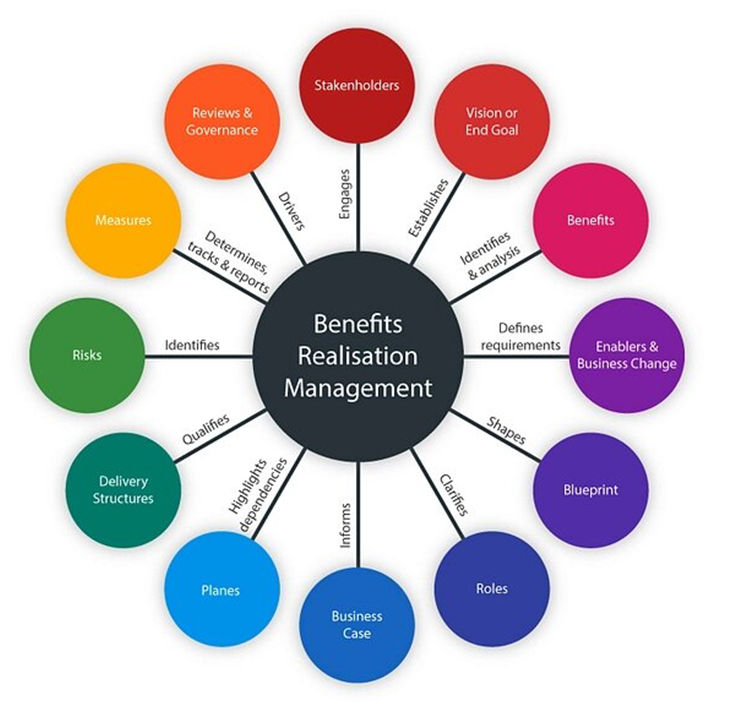
Finance brings discipline to this process through three key principles:
• Benefits must be costed and tracked in financial terms. It is not sufficient to state that a project will “improve efficiency” or “increase satisfaction.” Finance translates these claims into measurable metrics, such as reduced full-time equivalent (FTE) costs, lower transaction times, or higher customer retention rates expressed in revenue terms.
• Assumptions about benefits must be tested and validated. At the planning stage, benefits are often projections rather than certainties. Finance applies scenario testing, sensitivity analysis, and historical benchmarking to challenge assumptions and reduce optimism bias.
• Delivery teams must be held accountable for converting investment into value. By integrating financial KPIs into performance reviews, governance boards ensure that teams do not stop at delivering outputs but remain focused on benefits realization.
For example, in a public infrastructure project, a new transport system might be justified on the basis of reducing congestion and boosting economic productivity. Finance ensures these outcomes are quantified—by estimating time savings for commuters, translating them into economic value, and comparing these returns against the cost of construction and ongoing maintenance.
Without this accountability loop, organizations risk building business cases that look strong on paper but fail to generate tangible, measurable returns in practice.
Value Chain Mapping:
One of the most powerful tools linking finance, strategy, and benefits realization is value chain mapping. Value chains visualize how financial resources flow through processes to create outcomes and, ultimately, impact. By making this flow visible, organizations can identify where value is created, where it leaks, and where improvements can drive the highest return.
For instance, consider an investment in supply chain automation. At the outset, the financial outlay covers technology procurement, implementation, and training. As automation takes effect, manual labor requirements decrease, error rates drop, and order fulfillment accelerates. These process improvements translate into tangible financial benefits: reduced labor costs, lower waste, higher productivity, and ultimately greater customer satisfaction leading to increased market share.
Finance provides the evidence that connects each stage of this value chain. It measures cost reductions, quantifies efficiency gains, and translates customer satisfaction into revenue or margin improvements. Without financial oversight, the story might stop at “automation improves efficiency.” With finance embedded, the narrative becomes “automation reduces annual operating costs by 15%, pays back within three years, and contributes to a 10% improvement in customer retention.”
In service industries, value chain mapping can also highlight intangible benefits. For example, in a consultancy firm investing in knowledge management systems, the value may manifest as reduced duplication of effort, faster proposal turnaround times, and enhanced client satisfaction. Finance quantifies these benefits by linking them to billable hours saved or increased client renewals, ensuring they are not dismissed as “soft” or unmeasurable.
The Integration of Finance Across the Lifecycle:
The link between finance, strategy, and benefits realization is not a one-off exercise conducted at the start of an initiative. It is a continuous alignment process that runs across the entire lifecycle. At initiation, finance ensures that proposals align with strategy and that benefits are credible. During delivery, it tracks performance, validates whether benefits are on course, and applies corrective controls if variances emerge. At closure, finance consolidates actuals against forecasts, ensuring lessons learned are captured and fed back into future investment decisions.
This lifecycle integration transforms finance from a passive gatekeeper into an active driver of value realization. It ensures that initiatives are not only well-justified at the outset but remain strategically aligned, financially viable, and accountable until benefits are fully delivered.
Governance in Financial Oversight
Governance in financial oversight provides the structural backbone that ensures financial resources are applied responsibly, transparently, and in line with organizational priorities. Without governance, financial management often becomes fragmented—decisions may be made in silos, accountability diluted, and resources misallocated. This fragmentation not only leads to inefficiencies such as duplication of investment but can also undermine confidence in the organization’s ability to deliver value.
Strong governance ensures that financial decisions are both informed and defensible. It establishes who has authority to approve funding, what criteria are used to justify investments, and how performance is tracked against agreed outcomes. Importantly, governance goes beyond compliance: it provides assurance to boards, executives, investors, regulators, or taxpayers that funds are not simply being spent, but are being invested wisely with mechanisms in place to monitor returns.
Governance also plays a cultural role. Organizations with strong governance cultures treat financial discipline as everyone’s responsibility, not just that of finance departments. Project managers, portfolio leads, and executives all operate within clear frameworks that integrate financial thinking into decision-making. This shared accountability reduces the risk of financial mismanagement and builds confidence among stakeholders that resources are stewarded effectively.
Governance Frameworks in Practice:
Governance is operationalized through structured frameworks that bring consistency and clarity across projects, programs, and portfolios. Three widely recognized models play a central role:
1. MSP (Managing Successful Programmes): MSP provides governance at the program level, where multiple projects are coordinated to deliver large-scale transformation. Financial oversight is built into MSP’s governance themes, ensuring that business cases remain valid, funding is released incrementally, and financial benefits are tracked against strategic objectives. Decision-making checkpoints (such as stage gates) are embedded to assess whether continued investment is justified. By clarifying roles and responsibilities—from Senior Responsible Owners (SROs) to program boards—MSP ensures accountability for financial performance at every layer.
2. MoP (Management of Portfolios): MoP operates at the portfolio level, ensuring oversight across multiple initiatives that may compete for limited resources. It introduces governance disciplines to evaluate, prioritize, and balance investments against organizational objectives and risk appetite. Financial governance within MoP is not just about selecting the most profitable projects but about achieving a balanced portfolio—mixing short-term gains with long-term strategic bets, ensuring alignment to corporate objectives, and reallocating resources dynamically as conditions change.
3. P3M3 (Portfolio, Programme, and Project Management Maturity Model): P3M3 provides organizations with a structured way to assess and improve maturity in governance practices, including financial governance. By benchmarking current capabilities, organizations can identify weaknesses—such as inadequate benefits tracking or inconsistent cost control—and develop pathways for improvement. At higher maturity levels, organizations demonstrate consistent, repeatable governance processes, underpinned by financial data that drives informed decisions across all initiatives.
Together, MSP, MoP, and P3M3 form a layered governance structure. MSP ensures rigor at the program level, MoP balances resources at the portfolio level, and P3M3 measures and drives organizational improvement. The interplay between these frameworks prevents governance from being applied piecemeal, instead embedding financial oversight across the entire change ecosystem.
International Standards:
Beyond organizational frameworks, international standards and guidelines provide globally recognized structures for financial governance. These standards support consistency across industries, sectors, and geographies:
• Treasury Frameworks: In the public sector, treasury frameworks such as the UK Treasury Green Book set out rigorous approaches for appraising investments, ensuring value for money, and providing transparency in how taxpayer funds are used. They define methods for cost-benefit analysis, risk adjustment, and long-term financial sustainability, making them foundational for public accountability.
• ISO 21500 (Guidance on Project Management): This international standard integrates financial planning and oversight into broader project management practices. It emphasizes cost estimation, budgeting, and financial performance monitoring as inseparable from time, scope, and quality management, helping organizations maintain balance across the “triple constraint.”
• PMI PMBOK (Project Management Body of Knowledge): Within the PMBOK, financial management is structured into processes for cost estimation, cost budgeting, and cost control. These processes create a standardized lifecycle for financial governance, ensuring consistency in how projects around the world manage costs and report financial status.
The strength of these international standards lies in their ability to establish a common language and set of practices. They allow organizations to compare performance, share learning, and demonstrate compliance with recognized norms—critical in globalized environments where stakeholders span multiple countries and industries.
Global Frameworks Across Sectors:
While the principles of financial governance are universal, their application differs across sectors due to distinct drivers and pressures:
• Public Sector: Public organizations operate under heightened scrutiny, with a strong emphasis on transparency, accountability, and value-for-money assessments. Treasury frameworks, independent audits, and legislative oversight are common, ensuring that investments serve public interest and withstand political and regulatory examination. In this sector, governance is often about balancing strategic ambition with stewardship of taxpayer funds.
• Private Sector: Private organizations prioritize shareholder value, return on investment (ROI), and financial agility. Governance frameworks here emphasize the speed of decision-making, the balancing of risk and reward, and the ability to pivot resources quickly in response to market changes. Financial governance may include board-level investment committees, rigorous ROI thresholds, and quarterly reporting cycles tied to shareholder expectations.
• Not-for-Profit Sector: In not-for-profit organizations, governance emphasizes transparency to donors, stewardship of grants, and alignment of financial decisions with mission objectives. Frameworks often incorporate donor-specific reporting requirements, ethical guidelines, and a focus on ensuring that funds are maximized for social impact rather than financial return.
A mature approach to governance recognizes these sectoral differences while reinforcing common requirements: oversight, alignment to strategic objectives, risk management, and assurance that benefits are delivered. In all cases, governance frameworks create the accountability and transparency needed to maintain trust among stakeholders—whether they are citizens, shareholders, or donors.
Integrated Governance for Comprehensive Oversight:
Importantly, these frameworks and standards are not standalone. They interact, overlap, and reinforce one another to create a comprehensive system of oversight. For instance, a government-led infrastructure program might apply Treasury Green Book guidance for appraisals, use MSP for program-level delivery governance, and assess maturity through P3M3. Similarly, a multinational corporation might rely on PMI PMBOK processes for project-level financial control while applying MoP to manage its global investment portfolio.
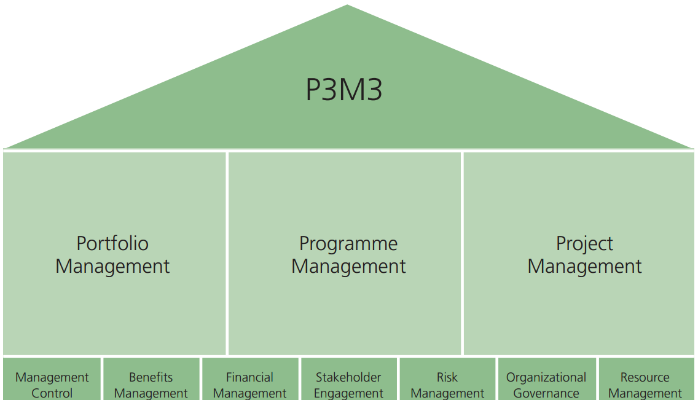
When combined, these frameworks provide a holistic approach that ensures financial decisions are transparent, aligned, and defensible at every level. They embed checks and balances into decision-making, ensuring that resources are not only controlled but continuously directed toward the initiatives that deliver the greatest value.
Investment Lifecycle and Control Points
Financial governance and strategic alignment are not abstract concepts; they are enacted through the investment lifecycle. By structuring initiatives around a defined sequence of stages, organizations ensure that financial discipline is embedded from conception through closure. At each stage, decisions are supported by evidence, aligned with strategy, and subject to oversight mechanisms that safeguard value for stakeholders.
Lifecycle Stages:
1. Initiation: Early Feasibility Studies and High-Level Cost-Benefit Analysis
The initiation stage marks the starting point of an investment’s journey. At this stage, the key question is whether a proposed initiative is worth further exploration. Feasibility studies assess whether the idea is technically, financially, and operationally viable, while high-level cost-benefit analyses test whether potential benefits outweigh expected costs.
• Activities: Developing an outline business case, scanning for strategic fit, conducting early stakeholder consultations, and identifying high-level risks.
• Financial Role: Finance provides initial modeling to compare expected costs with possible returns and tests whether assumptions are reasonable. At this stage, precision is less important than clarity: identifying whether the initiative deserves detailed planning or should be halted early.
• Strategic Contribution: Prevents resources from being wasted on misaligned or impractical initiatives. By requiring an initial financial and strategic assessment, organizations establish discipline at the earliest point.
2. Planning: Detailed Business Cases, Budgets, and Risk Assessments
Once an initiative passes initiation, it enters the planning stage. Here, the outline concepts are expanded into detailed plans that will guide delivery. The business case becomes central: it sets out financial justifications, identifies benefits, clarifies risks, and defines how success will be measured.
• Activities: Preparing a full business case, establishing baselines for costs, schedules, and benefits, developing risk registers, and securing stakeholder alignment.
• Financial Role: Finance teams play a pivotal role in validating assumptions, stress-testing projections, and ensuring costs and benefits are quantified realistically. Contingency planning is embedded, ensuring financial resilience against risks.
• Strategic Contribution: Aligns the investment with organizational priorities, ensures that benefits are clear and measurable, and provides a robust foundation for decision-makers to approve or reject the initiative.
3. Execution: Monitoring of Costs, Benefits, and Variances
During execution, the initiative is actively delivered, and financial oversight shifts from justification to control. This stage requires disciplined monitoring to ensure that funds are used as planned and that benefits remain achievable.
• Activities: Tracking expenditures, monitoring progress against budgets and forecasts, managing variances, and reporting to governance boards.
• Financial Role: Finance ensures transparency in spending, validates claims for additional resources, and tracks whether expected benefits are still on course. Corrective action—such as reallocation of funds, scope adjustment, or even termination—may be required if performance deviates from the plan.
• Strategic Contribution: Ensures that investments remain aligned with strategic goals during delivery. It prevents “initiative drift,” where projects lose focus and consume resources without delivering meaningful outcomes.
4. Closure: Post-Initiative Reviews, Benefits Realization Tracking, and Lessons Learned
Closure is often the most overlooked stage, but it is critical to embedding learning and validating value. At this stage, financial and strategic performance is formally reviewed to assess whether benefits have been realized and whether assumptions proved accurate.
• Activities: Conducting post-implementation reviews, capturing lessons learned, transitioning outputs to business-as-usual operations, and archiving documentation.
• Financial Role: Finance validates actual costs against budgets, compares delivered benefits with those promised, and identifies whether the initiative achieved value-for-money. This review informs future investment decisions and strengthens organizational learning.
• Strategic Contribution: Closure ensures accountability. By learning from both successes and failures, organizations improve their ability to invest wisely in the future, avoiding repeated mistakes and reinforcing best practices.
Control Points:
While lifecycle stages provide structure, control points act as decision gates within that structure. They ensure that investments progress only when justified, that funding is released incrementally, and that lessons are formally captured.
• Business Case Approval: Formal Sign-Off on Financial Justification
The business case is the cornerstone of investment decision-making. Approval represents formal authorization to proceed, based on evidence that the initiative is both strategically aligned and financially viable. At this control point, senior decision-makers confirm that the case meets standards for cost-benefit balance, risk management, and governance oversight.
Strategic Role: Prevents poorly conceived or misaligned initiatives from entering delivery. Encourages rigor in planning and strengthens accountability.
• Funding Release Milestones: Staged Release of Funds Based on Performance
Rather than releasing the entire budget upfront, many organizations use staged funding tied to progress or performance milestones. This creates financial discipline, ensuring that initiatives must demonstrate value before receiving additional investment.
Example: A program might receive initial funding for design and proof-of-concept stages, with subsequent tranches released only if objectives are achieved.
Strategic Role: Prevents overcommitment to failing initiatives and reduces exposure to financial risk.
• Midpoint Reviews: Assessment of Progress Against Financial and Strategic Expectations
Midpoint reviews provide a formal opportunity to assess whether the initiative is delivering as planned. They examine cost performance, schedule adherence, risk exposure, and benefits forecasts. If performance is weak, corrective measures may be introduced, or the initiative may be halted to conserve resources.
Strategic Role: Protects against “initiative inertia,” where projects continue despite underperformance. Encourages course correction and reinforces alignment to evolving strategic priorities.
• Post-Implementation Reviews: Evaluation of Benefits Delivered Versus Promised
Post-implementation reviews assess whether the initiative delivered on its promises. This includes a comparison of planned versus actual costs, benefits, and risks. These reviews provide evidence of accountability and feed lessons into future investment decisions.
Strategic Role: Ensures that benefits realization is treated as a measurable outcome, not just an aspirational goal. Supports continuous improvement and builds organizational maturity in investment management.
Preventing the Sunk Cost Fallacy:
A critical purpose of control points is to guard against the sunk cost fallacy—the tendency to continue funding initiatives simply because significant resources have already been invested. Without strong governance and staged controls, organizations risk pouring good money after bad, sustaining failing projects at the expense of more promising initiatives.
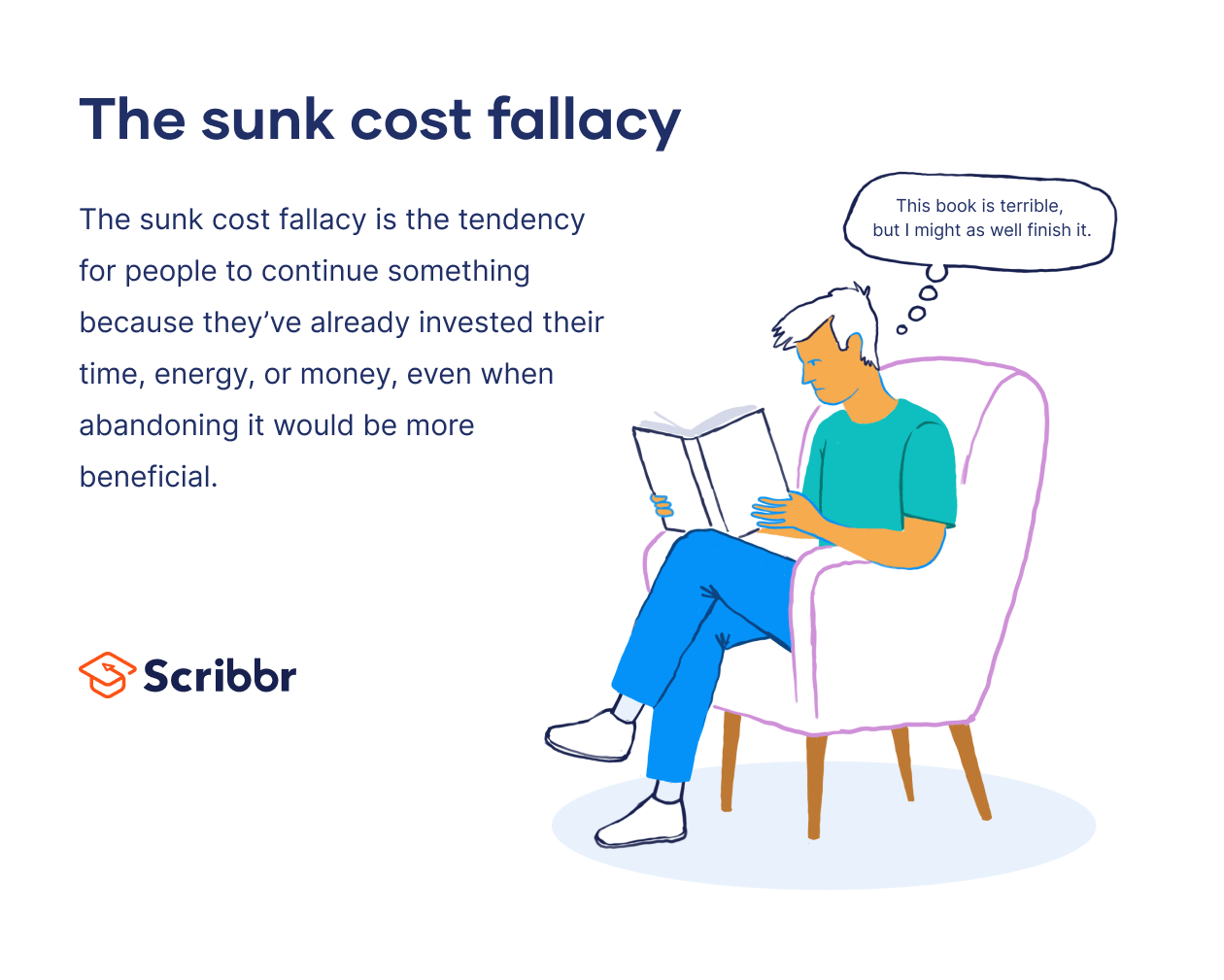
By embedding business case approvals, staged funding, midpoint reviews, and post-implementation evaluations into the lifecycle, organizations create natural “stop/go” decision points. These safeguards protect resources, reinforce accountability, and ensure that every dollar or pound invested continues to deliver strategic value.

Tools and Practical Applications
While frameworks and governance models provide the structure for financial discipline, their impact depends on the tools and methods applied in daily practice. Tools serve as the practical bridge between high-level strategy and operational delivery, ensuring that oversight, alignment, and accountability are not abstract ideals but embedded within the workflow of portfolio, program, and project management.
Strategic Alignment Matrices:
A strategic alignment matrix allows decision-makers to visually map initiatives against organizational objectives, clarifying the extent to which proposed investments contribute to priorities such as growth, innovation, compliance, efficiency, or sustainability.
• Purpose and Use: The matrix acts as both a filter and a decision-support mechanism. For example, a portfolio board can compare multiple project proposals against the strategic objectives in a grid, quickly identifying which projects have strong alignment and which do not.
• Application: A health authority might use a matrix to map investment options (new digital health platforms, workforce training, infrastructure upgrades) against objectives such as patient safety, access equity, and efficiency. This makes it immediately clear which initiatives create the strongest value against mission-critical goals.
• Benefits: Prevents misallocation of resources to initiatives that “look attractive” but offer limited strategic value. Enables transparent prioritization by showing stakeholders exactly why certain initiatives are funded while others are deferred or rejected.
• Integration into Governance: Strategic alignment matrices are most powerful when embedded into portfolio-level decision-making frameworks such as MoP or MSP, where investments must be judged not only on financial returns but also on their contribution to long-term outcomes.
Value Chain Mapping:
Value chain mapping is a visualization technique that links financial inputs to the processes, activities, and outputs that eventually deliver organizational outcomes.
• Purpose and Use: This tool highlights how money flows through the system and where value is added—or lost—along the way. It ensures that investments are not assessed solely at input or output level but across the end-to-end chain of value creation.
• Application: In a manufacturing context, value chain mapping might illustrate how financial investment in new machinery reduces production costs, shortens cycle times, and enhances product quality—benefits which ultimately translate into increased customer satisfaction and revenue growth. In the public sector, mapping can link expenditure on training programs to improved workforce performance, leading to higher service delivery standards.
• Benefits: Makes benefits realization tangible by showing clear cause-and-effect pathways between money spent and outcomes achieved. Identifies inefficiencies or bottlenecks where financial resources are being absorbed without corresponding value. Encourages cross-functional collaboration, as finance, operations, and strategy teams can align their understanding of how investment drives results.
• Integration into Governance: When used in conjunction with benefits realization management frameworks, value chain mapping supports ongoing monitoring. It allows financial analysts and delivery teams to adjust initiatives dynamically if anticipated value is not being realized as expected.
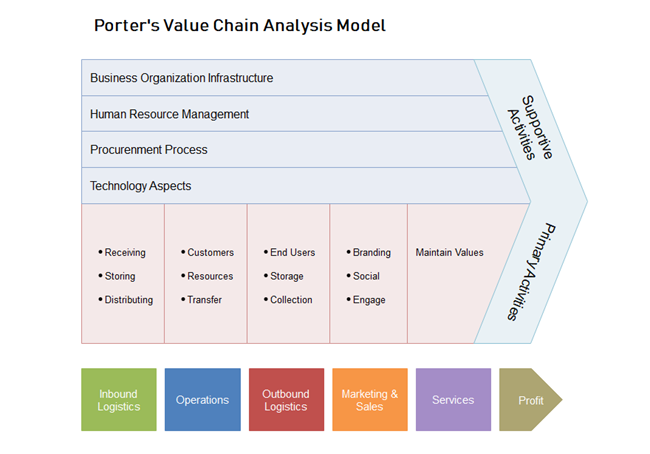
Financial Governance Templates:
Templates provide a practical means of embedding financial governance into daily practice. By standardizing reporting formats and review processes, templates ensure that financial oversight is consistent across portfolios, programs, and projects.
• Purpose and Use: Templates serve as ready-made structures for documenting business cases, financial forecasts, budget tracking, risk registers, and benefits realization plans. They remove the variability that often undermines effective governance.
• Application: A global engineering company may implement a suite of governance templates, requiring each program to submit standardized quarterly reports with the same fields for financials, risks, and benefits. This allows executives to compare programs on a like-for-like basis, making it easier to allocate funding across competing priorities.
• Benefits: Promotes transparency and accountability by ensuring financial information is presented clearly and consistently. Reduces administrative burden, as teams do not have to design reporting formats from scratch. Strengthens auditability, since financial records can be easily tracked across the lifecycle.
• Integration into Governance: Templates are often aligned with international frameworks such as ISO 21500 or PMI PMBOK to ensure global comparability. For organizations managing international portfolios, standardization through templates is critical to maintaining governance maturity.
Embedding Tools in Daily Practice:
The effectiveness of these tools depends on how deeply they are integrated into governance routines:
• Strategic alignment matrices should form part of portfolio decision-making boards.
• Value chain mapping should be embedded into benefits realization processes to validate whether initiatives are producing value.
• Financial governance templates should be mandated at organizational level, ensuring that every initiative speaks a “common financial language.”
When tools are used consistently and in combination, they shift financial management from being reactive (correcting overspending after the fact) to proactive (ensuring resources are allocated and controlled correctly from the outset).
Challenges and Pitfalls in Strategic Finance Management
Even with robust frameworks and tools, organizations frequently encounter challenges that undermine financial governance. These pitfalls often arise when discipline lapses, assumptions go untested, or finance is treated as a reporting exercise rather than a strategic enabler.
Over-Optimistic Forecasting:
Organizations often underestimate costs while inflating anticipated benefits to justify investments. This optimism bias may result from political pressure, limited data, or cultural tendencies to present “the best possible case.” The danger is that once an unrealistic forecast is approved, delivery teams face impossible expectations, leading to cost overruns and disillusioned stakeholders.
• Mitigation: Require independent validation of assumptions, stress-test scenarios, and use historical data as benchmarks.
Scope Creep:
As initiatives progress, scope often expands without corresponding adjustments to financial assumptions. New features, deliverables, or stakeholder demands can quickly erode the financial case if costs rise while benefits remain unchanged.
• Mitigation: Establish strict change control processes linked to financial governance, ensuring all scope adjustments are formally approved and costed.
Weak Governance:
When control points (business case approvals, staged funding releases, midpoint reviews) are neglected or inconsistently applied, initiatives lose accountability. Weak governance allows underperforming projects to continue unchecked, leading to wasted resources.
• Mitigation: Institutionalize governance checkpoints within lifecycle models and make them mandatory for all initiatives, regardless of scale or profile.
Siloed Financial Management:
In many organizations, finance operates separately from delivery teams. This creates disconnects: delivery teams focus on outputs, while finance focuses on numbers. Without integration, neither side sees the complete picture of how money translates into value.
• Mitigation: Embed finance partners within program and project teams, ensuring financial expertise informs delivery decisions in real time.
Lack of Transparency:
Complex or inconsistent financial reporting undermines trust. Stakeholders may perceive that information is being hidden, even if this is not intentional. Transparency is critical in both public and private sectors, where scrutiny is intense.
• Mitigation: Adopt standardized reporting templates, simplify presentation of financial data, and provide dashboards that communicate clearly to non-financial stakeholders.
Addressing these pitfalls requires organizations to treat financial governance as a maturity journey rather than a one-time compliance exercise. Each challenge presents an opportunity to strengthen processes, develop culture, and reinforce alignment between finance and strategy. By systematically capturing lessons learned and embedding improvements, organizations build resilience and ensure that strategic finance management evolves with changing demands.
Best Practices and Success Factors
Strategic finance management within change initiatives is strengthened when organizations adopt best practices that combine structure, discipline, and adaptability. These success factors ensure that finance is not treated as a static reporting requirement but as a dynamic enabler of transformation.
1. Integrate Finance into Strategic Planning from the Outset:
Financial considerations must be embedded at the very beginning of portfolio, program, and project planning. Too often, organizations build ambitious visions and only later “cost them out.” This creates a disconnect where strategy is aspirational but financially unsustainable.
• Best Practice: Finance should sit alongside strategy in the earliest stages of option appraisal, scenario planning, and objective-setting.
• Example: A utilities company embarking on an infrastructure upgrade integrated financial analysts into its strategy team, enabling real-time testing of options against long-term affordability. This alignment avoided later rework and ensured the roadmap was both visionary and feasible.
2. Treat the Business Case as a Living Document:
The business case should not be viewed as a one-off justification for funding approval. Instead, it should evolve across the investment lifecycle, reflecting new data, revised assumptions, and emerging risks.
• Best Practice: Establish structured checkpoints to revisit business case assumptions at key lifecycle stages—initiation, planning, midpoint, and closure.
• Example: In a public-sector digital transformation program, updating the business case every six months allowed the organization to adjust for rapid changes in technology costs and user demand, ensuring continued alignment with objectives.
By treating the business case as living, organizations avoid “set-and-forget” funding traps where outdated assumptions continue to drive decision-making.
3. Establish Governance Structures that Provide Independent Oversight:
Effective governance requires independence and objectivity. If program teams are left to mark their own performance, accountability weakens and optimism bias goes unchallenged.
• Best Practice: Governance boards should include independent members, such as finance officers, auditors, or external experts, who provide impartial challenge.
• Example: A global NGO implemented an oversight committee with external financial advisors to monitor program budgets. This independent scrutiny not only improved financial discipline but also reassured donors that funds were being used responsibly.
Independent oversight creates transparency, strengthens trust, and ensures that difficult decisions—such as halting underperforming initiatives—are made in the organization’s long-term interest.
4. Use International Frameworks to Standardize Practice:
Frameworks such as MSP, MoP, Treasury Green Book, ISO 21500, and PMI PMBOK offer widely recognized standards for financial governance and control. By adopting these frameworks, organizations avoid reinventing processes and align themselves with global best practice.
• Best Practice: Organizations should select and adapt frameworks that best fit their sector and maturity level, creating consistency across portfolios and geographies.
• Example: A multinational engineering firm adopted PMI PMBOK cost management practices across its projects worldwide, ensuring that financial reporting was standardized despite cultural and regulatory differences across regions.
Frameworks provide a common language for financial management, enabling comparability, benchmarking, and knowledge transfer across sectors.
5. Create Transparency through Clear Reporting and Stakeholder Engagement:
Financial transparency is essential for building trust, securing stakeholder buy-in, and maintaining accountability. Reports that are overly technical or inconsistent undermine confidence and reduce decision-making effectiveness.
• Best Practice: Simplify reporting through standardized templates, dashboards, and visualization tools that communicate financial performance clearly to both financial and non-financial stakeholders.
• Example: A government agency developed a financial dashboard that displayed program spend, benefits realized, and forecast variances in a simple traffic-light format. This allowed senior leaders and policymakers to make informed funding decisions without needing deep technical expertise.
Transparency must also extend to stakeholder engagement. Communicating openly about financial risks, trade-offs, and benefits ensures alignment and avoids surprises later in the lifecycle.
6. Develop Organizational Maturity through P3M3 and Continuous Improvement:
Strategic finance management is not a static achievement but an evolving capability. The Portfolio, Programme, and Project Management Maturity Model (P3M3) enables organizations to assess current practices, identify gaps, and chart pathways for improvement.
• Best Practice: Regularly conduct maturity assessments and invest in targeted improvements such as training, process refinement, or system integration.
• Example: A financial services organization used P3M3 to benchmark its maturity in financial governance, discovering weaknesses in benefits tracking. By addressing these gaps, it increased its ability to demonstrate value creation, strengthening its case for further investment.
Continuous improvement reinforces resilience. As markets, technologies, and strategies evolve, financial management practices must adapt to remain relevant and effective.
Finance is not merely an operational concern but a strategic function that underpins the success or failure of change initiatives. When treated as a compliance exercise, finance risks becoming reactive, fragmented, and disconnected from organizational goals. When embedded as a strategic enabler, however, it becomes the mechanism through which prioritization, accountability, and sustainable value delivery are realized.
This manual provides the foundation for understanding how finance supports change. The subsequent manuals will build upon this platform, exploring areas such as financial planning, risk integration, monitoring, and stakeholder engagement in greater depth. Together, these manuals form a comprehensive roadmap for embedding finance as a cornerstone of effective change leadership.
By grounding financial management in structured governance and strategic alignment, this manual equips practitioners to embed financial discipline across change initiatives. It reinforces the essential role of finance in enabling prioritization, accountability, and value delivery, empowering leaders to ensure every dollar spent drives meaningful and measurable business value. Ultimately, strong financial governance ensures that initiatives do not simply start with ambition but are sustained by clear oversight, transparent decision-making, and a continuous focus on delivering tangible benefits.
Case Study: Heathrow Terminal 5 Project
The Heathrow Terminal 5 project in the UK provides an instructive example of the critical role of financial governance. With a budget of £4.3 billion, it required rigorous financial planning and oversight.
BAA (the British Airports Authority) adopted a staged funding release model with strict control points. Strategic alignment was achieved by linking the project directly to national infrastructure goals and long-term growth in aviation. Value chain mapping was used to connect financial investment to outcomes such as increased passenger capacity, operational efficiency, and enhanced traveler experience.
Despite challenges—including delays and operational issues at launch—the financial governance approach ensured that the project was delivered within its approved budget envelope. Lessons from Terminal 5 highlight the importance of staged funding, alignment with strategic objectives, and governance oversight in large-scale initiatives.

Exercise 5.1: Financial Governance System
Course Manual 2: Fundamentals of Cost Estimation and Budget Planning
Effective cost estimation and budget planning form the backbone of financial management within change initiatives. No portfolio, program, or project can succeed without a clear understanding of the financial resources required, their timing, and how they align with strategic goals. Unlike routine operational finance, change-related finance involves uncertainty, multiple stakeholders, and a high degree of risk. This makes rigorous estimation and budgeting processes essential to ensuring credibility, accountability, and confidence among decision-makers.
This manual introduces the foundational concepts of cost estimation and budget planning within the context of organizational change. It explains the different types of costs, introduces widely used estimation techniques, and provides structured approaches to budget development. Building on established frameworks such as Cost Breakdown Structures (CBS), whole-of-life costing, and ISO budgeting processes, it outlines how to develop budgets that are realistic, transparent, and adaptable.
The goal is not only technical accuracy but also strategic alignment: every dollar or pound allocated must be justifiable in terms of value delivery. By adopting structured estimation techniques and robust planning, organizations create financial resilience, enabling them to adapt to risks, uncertainties, and changes in scope without undermining delivery assurance or business case credibility.

Finance as the Foundation of Change Initiatives
Finance is not a peripheral concern in organizational change—it is the structural foundation upon which all other elements rest. Change initiatives, whether small process improvements or enterprise-wide transformations, demand resources: people, technology, infrastructure, and time. Each of these resources has a cost implication, and without accurate financial planning, even well-intentioned initiatives can falter.
Cost estimation and budgeting underpin every stage of the change lifecycle, from early feasibility studies through to post-implementation reviews. In the initiation phase, financial analysis determines whether an idea is viable. During planning, budgets provide the detail required to secure approval and commit resources. In execution, they serve as the benchmark against which progress and performance are measured. Finally, at closure, budgets frame the evaluation of outcomes by comparing promised benefits against actual delivery. Without this thread of financial discipline, organizations risk underfunding critical activities, overcommitting to unrealistic goals, or misrepresenting expected returns.
Budgets function as more than simple accounting tools; they are a cornerstone of governance and accountability. By establishing a financial baseline, they enable organizations to monitor variances, control expenditure, and make informed decisions about whether to continue, adjust, or halt initiatives. This discipline prevents the common pitfall of sunk cost fallacy—persisting with failing projects because of past investment—and instead supports rational, evidence-based decision-making.
From a strategic perspective, strong financial planning is equally vital. Change initiatives often compete for funding in environments where resources are limited. Boards, investors, and governance groups must weigh competing proposals, prioritizing those with the highest potential for strategic alignment and value delivery. Well-structured budgets enhance credibility, providing decision-makers with transparent, defensible assumptions about costs, benefits, and risks. When these assumptions are clearly articulated and evidence-based, they reduce resistance, foster trust, and improve the likelihood of securing support not only at the outset but throughout the entire delivery process.
Financial planning also plays a critical role in bridging the gap between strategy and execution. Strategic objectives—such as improving operational efficiency, expanding into new markets, or enhancing customer experience—cannot be achieved without a realistic assessment of the resources required. Finance translates these objectives into actionable budgets, ensuring that ambition is balanced with feasibility. This makes financial planning a key enabler of benefits realization: investments are not just tracked as costs but understood as inputs into measurable value creation.
Finally, embedding finance at the foundation of change initiatives supports adaptability and resilience. Change is rarely linear; scope shifts, risks emerge, and external conditions evolve. Budgets that are built on robust assumptions, clear categorization of costs, and structured planning provide the flexibility to adjust while maintaining confidence in overall delivery. In this sense, finance is not merely about controlling expenditure but about enabling sustainable transformation.

Types of Costs in Change Initiatives
Building a complete financial picture requires a clear understanding of the different types of costs associated with change initiatives. Omitting or underestimating even one category can distort forecasts, weaken business cases, and undermine trust in financial governance. Cost classification provides structure, ensures transparency, and enables stakeholders to make informed investment decisions.
1. Capital Expenditure (CapEx):
Capital expenditure represents investments in long-term assets that provide enduring value. These costs are typically high upfront and deliver benefits over several years, making them central to large-scale transformation initiatives. CapEx includes tangible assets such as new IT infrastructure, manufacturing equipment, real estate, and facilities, as well as intangible assets such as software licenses or intellectual property rights.
For example, a manufacturing firm implementing robotics must consider not only the purchase price of the machinery but also ancillary costs such as installation, integration with existing systems, and initial staff training. Similarly, a healthcare organization investing in electronic patient record systems must include costs related to procurement, data migration, and cybersecurity enhancements. Failure to fully account for these dimensions can lead to underfunding, delays, or suboptimal outcomes.
CapEx planning requires careful alignment with depreciation policies and accounting standards, as these influence how costs are spread over time in financial reporting. By treating capital expenditure as a long-term investment rather than a one-time cost, organizations can demonstrate how upfront spending translates into sustained benefits, such as efficiency gains, increased capacity, or improved service delivery.
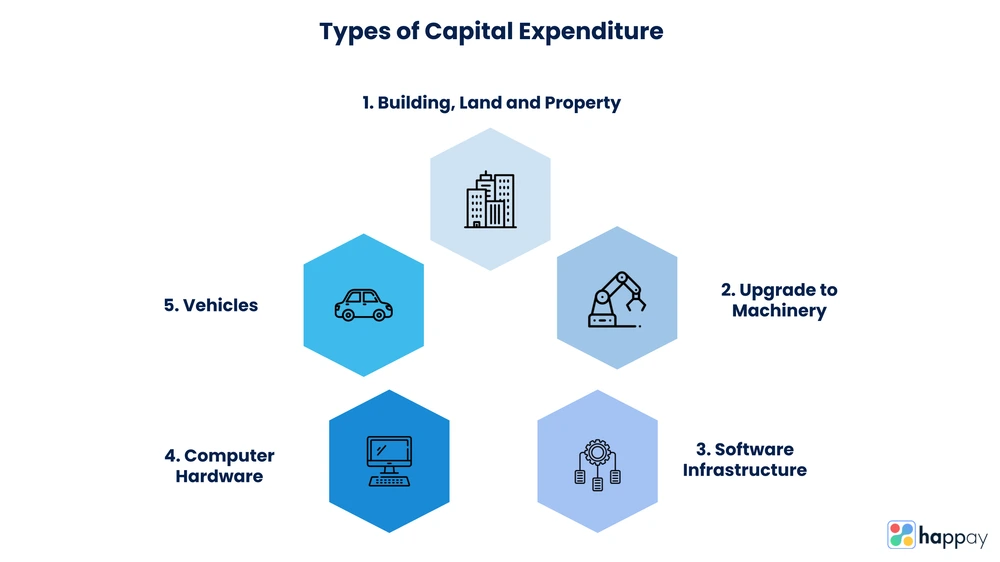
2. Operational Expenditure (OpEx):
Operational expenditure refers to the recurring costs required to sustain day-to-day operations and maintain new capabilities introduced by change initiatives. Unlike CapEx, these costs are not one-off but ongoing, forming the backbone of financial sustainability. Common OpEx categories include salaries, training programs, utilities, consumables, maintenance, licensing renewals, and cloud-based service fees.
For instance, in digital transformation projects, automation or cloud adoption may reduce reliance on manual labor but increase reliance on subscription-based services. This shifts cost structures from capital-heavy to operational-heavy models. While OpEx costs are generally lower per instance, they accumulate significantly over the life of an initiative, particularly in subscription-driven models.
OpEx also highlights the link between financial planning and change management. New systems often require continuous support, user training, and service upgrades, which must be built into the budget to prevent erosion of long-term benefits. Transparent operational cost forecasting reassures stakeholders that initiatives are not only affordable to launch but also sustainable to maintain.
3. Sunk Costs:
Sunk costs are past expenditures that cannot be recovered. Although they provide useful historical context, they should not influence decisions about future investment. A classic error in financial governance is the sunk cost fallacy—the tendency to continue funding failing initiatives simply because money has already been spent. This can result in wasted resources, lost opportunities, and reputational damage.
For example, a government IT program may have already consumed millions in system development before recognizing that the chosen platform cannot scale to meet future demand. Continuing to invest in this failing initiative may appear to “protect” past investment, but it only compounds losses. Strong governance practices ensure that sunk costs are acknowledged but separated from decision-making, with future funding justified solely on expected value creation.
Organizations with mature financial oversight establish clear criteria for terminating initiatives that no longer deliver value, regardless of sunk costs. This discipline requires cultural maturity, as admitting “failure” is often politically or reputationally challenging, yet it is critical to preventing larger financial risks.
4. Indirect Costs:
Indirect costs, often referred to as overheads, represent shared expenses that support multiple initiatives but are not directly tied to one project. Examples include HR, IT support, legal services, utilities, and corporate overhead. These costs, while less visible, play a vital role in shaping the true cost of delivery.
Accurate allocation of indirect costs ensures transparency and prevents underestimation of total expenditure. For example, an organization rolling out a new enterprise-wide system must account for corporate IT’s involvement in integration, cybersecurity monitoring, and helpdesk support. Similarly, HR may need to allocate time and resources to redesign policies, manage role changes, or deliver training. If overlooked, these hidden costs can erode the credibility of the budget and create financial pressures later in the initiative lifecycle.
Mature organizations use cost allocation methodologies such as activity-based costing (ABC) to distribute indirect costs proportionally, ensuring that each initiative reflects its fair share of overhead. This not only improves accuracy but also enables more informed portfolio-level decision-making by providing a clearer view of true costs versus benefits.
Integrating Cost Types into Financial Planning:
By identifying and categorizing all costs—capital, operational, sunk, and indirect—organizations reduce blind spots that undermine credibility and decision-making. This comprehensive view supports robust cost estimation techniques, enhances budget transparency, and strengthens business cases by presenting a defensible, evidence-based financial model.
Furthermore, integrating these categories into portfolio, program, and project management practices ensures that resources are allocated effectively and strategically. It enables governance bodies to test assumptions, challenge overly optimistic forecasts, and ensure that investments are realistic, sustainable, and aligned with long-term objectives.
Estimation Techniques
Cost estimation is one of the most critical, yet most uncertain, aspects of financial planning. No matter how detailed the planning process, future costs carry inherent uncertainty because they rely on assumptions about scope, market conditions, and organizational capability. Selecting the right estimation technique requires judgment, balancing speed, cost of preparation, accuracy, and availability of data.
In practice, three widely used techniques dominate: analogous estimation, parametric estimation, and bottom-up estimation. Each has distinct advantages and limitations, and organizations often blend methods depending on the stage of the initiative and the maturity of available information.
1. Analogous Estimation:
Analogous estimation—sometimes called “top-down estimation”—relies on historical data from comparable initiatives. The principle is simple: if a previous project or program of similar size and scope cost a certain amount, the new initiative is likely to cost something similar, adjusted for scale, inflation, or complexity.
For example, if a financial services firm recently completed a branch office relocation for $1 million, leaders may use that figure as the starting point to estimate the cost of relocating a new office of comparable size. Adjustments might include regional cost-of-living differences, inflation over time, or differences in technology infrastructure requirements.
Strengths of analogous estimation:
• Speed and simplicity: Estimates can be generated quickly, supporting early-stage decision-making.
• Low cost to prepare: Requires relatively little effort compared to more granular approaches.
• Useful for feasibility analysis: Provides decision-makers with “ballpark” figures to test the viability of options.
Limitations:
• Reliance on comparability: No two initiatives are identical; differences in context, scope, or complexity may distort estimates.
• Lower accuracy: Especially risky for high-stakes initiatives where small errors can compound into significant cost variances.
• Potential bias: Teams may over-rely on previous data without adequately adjusting for unique factors in the new initiative.
Analogous estimation is particularly valuable during the initiation stage of the investment lifecycle, when feasibility studies and high-level cost-benefit analyses are required. However, as initiatives mature, this method must be replaced or refined by more rigorous techniques.
2. Parametric Estimation:
Parametric estimation uses statistical models to predict costs based on measurable variables, known as cost drivers. This method is more sophisticated than analogous estimation because it draws on historical data and applies it to defined parameters.
For instance, in software development, costs may be estimated based on metrics such as the number of function points, lines of code, or hours required per feature. In construction, costs might be estimated based on square footage, cost per unit of material, or labor hours per structural element.
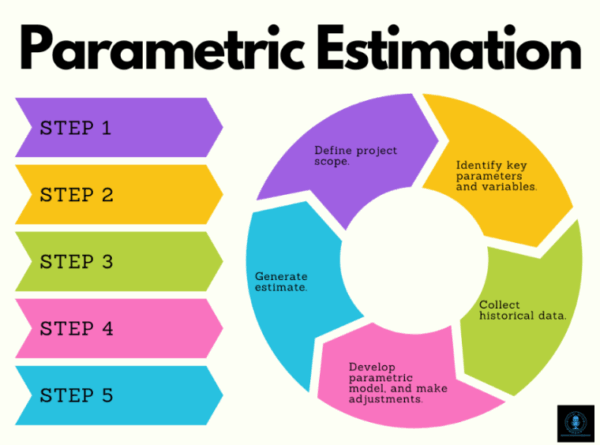
Strengths of parametric estimation:
• Scalability: Once relationships between cost drivers and outcomes are established, estimates can be easily scaled for larger or smaller initiatives.
• Increased precision: Provides more accuracy than analogous estimation, particularly when supported by robust historical data.
• Data-driven transparency: Offers clear rationale for cost predictions, enhancing credibility with governance groups.
Limitations:
• Data dependency: Requires high-quality, relevant, and reliable data. Poor data can lead to misleading results.
• Model complexity: Building and maintaining parametric models requires analytical skills and resources.
• Context sensitivity: Models may fail if applied to initiatives with unusual or novel characteristics outside the dataset.
Parametric estimation is particularly valuable in planning stages, when more detailed analysis is possible but scope is not yet fully defined. It bridges the gap between high-level analogous estimates and detailed bottom-up analysis.
3. Bottom-Up Estimation:
Bottom-up estimation builds the cost model from the ground up, starting at the activity or task level and aggregating costs into larger categories. Each work package, deliverable, or activity is estimated individually, including labor, materials, overhead, and risk contingencies.
For example, in launching a new product, the bottom-up estimate would include detailed costs for marketing campaigns, regulatory approvals, distribution networks, training, IT systems, and customer service enhancements. These detailed components are then aggregated to produce the overall estimate.
Strengths of bottom-up estimation:
• Highest accuracy: By capturing detail at the lowest level, this method minimizes blind spots.
• Strong link to scope: Because estimates are tied directly to activities, they support robust work breakdown structures (WBS) and Cost Breakdown Structures (CBS).
• Supports accountability: Provides clear ownership of cost elements to specific teams or functions.
Limitations:
• Time and resource intensive: Requires detailed planning, making it unsuitable for very early-stage initiatives.
• Potential false precision: Detailed estimates may appear more accurate than they are, especially if assumptions are uncertain.
• Risk of complexity overload: Large initiatives can produce overwhelming detail that is difficult to manage without strong governance.
Bottom-up estimation is most appropriate during the execution planning phase, when scope is well defined and detailed budgets are required to secure funding and monitor delivery.
Hybrid and Iterative Approaches:
Mature organizations rarely rely on a single technique. Instead, they apply hybrid approaches that evolve as the initiative progresses. For example:
• Early stage (feasibility): Analogous estimates provide high-level figures to support initial investment discussions.
• Planning stage: Parametric models refine those figures, linking them to measurable cost drivers.
• Execution stage: Bottom-up analysis provides detailed, task-level estimates to finalize budgets and establish control points.
This iterative approach allows estimates to evolve with increasing clarity, ensuring financial planning remains both responsive and defensible. It also supports governance by ensuring that cost estimates presented to boards, investors, or oversight committees reflect the maturity of the initiative at each stage.
The choice of estimation method directly influences risk exposure. Analogous estimates, if used beyond their intended stage, can introduce significant financial risk. Parametric methods depend on data integrity, while bottom-up methods risk false precision if underlying assumptions shift. By embedding estimation techniques within governance frameworks, organizations create checks and balances that challenge assumptions, validate models, and ensure accountability for accuracy.
Ultimately, cost estimation is not about predicting the future with certainty, but about providing a defensible financial model that evolves alongside the initiative. Organizations that adopt disciplined, transparent, and iterative estimation practices are better positioned to secure stakeholder confidence, manage risks, and deliver on strategic objectives.

Building a Robust Budget
While estimates provide the foundation, budgets transform those estimates into structured, actionable financial plans that guide delivery and oversight. A robust budget is not merely a numerical projection—it is a strategic tool that balances accuracy, flexibility, and accountability. When well-constructed, it functions as both a roadmap and a governance mechanism, enabling organizations to track progress, control expenditure, and maintain alignment between financial resources and strategic objectives.
Principles of Budget Development:
To serve this purpose, budgets must adhere to several guiding principles:
1. Comprehensiveness: A budget must capture the full spectrum of costs—direct, indirect, capital, operational, and potential risk contingencies. Omitting categories, such as training, transition, or maintenance, creates blind spots that undermine credibility and may lead to funding shortfalls. Comprehensive budgets also factor in external elements such as inflation, regulatory compliance costs, and vendor price fluctuations.
2. Phasing: Budgets should be aligned with the initiative lifecycle, spreading expenditures over time to reflect actual cash flow requirements. This phased approach prevents organizations from overcommitting funds upfront and enables incremental funding release tied to performance milestones. By linking disbursements to delivery progress, organizations reduce financial exposure and strengthen governance.
3. Flexibility: Budgets must recognize uncertainty. Initiatives often evolve due to market shifts, technological changes, or revised stakeholder priorities. Flexible budgets incorporate contingency reserves to accommodate unforeseen events, while maintaining discipline in how and when those reserves can be accessed. Flexibility ensures resilience without undermining accountability.
4. Transparency: Transparent budgets clearly document assumptions, cost drivers, and allocation methodologies. This clarity enhances stakeholder confidence, enabling boards, investors, and governance committees to understand not only the “what” of the budget but also the “why.” Transparency also supports comparability across projects, allowing decision-makers to prioritize investments consistently.
Together, these principles ensure that budgets are not static documents but dynamic instruments that evolve with the initiative while maintaining accountability and control.
Phased Budgeting:
Phased budgeting ties financial planning directly to the investment lifecycle, ensuring funds are released progressively, in alignment with maturity, performance, and realized value. This approach reduces risk, supports adaptability, and strengthens financial discipline.
1. Initiation Phase: At this stage, budgets are developed at a high-level to test feasibility. Based on analogous or parametric estimates, these budgets are intentionally broad, designed to inform “go/no-go” decisions and initial business case evaluations. They carry the highest level of uncertainty but provide a starting point for assessing viability.
2. Planning Phase: During planning, estimates are refined using bottom-up techniques, supported by Cost Breakdown Structures (CBS) and whole-of-life costing. Detailed budgets underpin formal approvals, funding release, and procurement commitments. At this stage, risk contingencies are explicitly incorporated, and budgets are stress-tested against different scenarios to validate resilience.
3. Execution Phase: Once delivery begins, budgets become control baselines against which actual costs and variances are tracked. Governance groups rely on these budgets to monitor financial health, trigger corrective actions, and authorize access to contingency reserves when justified. Phased funding releases, tied to milestones or key deliverables, maintain accountability and prevent uncontrolled expenditure.
4. Closure Phase: Reconciliation and Benefits Assessment In closure, budgets support post-initiative reviews. Actual costs are reconciled against planned budgets, variances are explained, and lessons learned are documented. This stage also links financial performance to benefits realization, comparing expected returns to actual outcomes. Insights gained are then fed back into organizational knowledge bases, improving the accuracy of future budgets.
Strategic Role of Phased Budgeting:
Phased budgeting serves not only as a financial planning technique but also as a risk management and governance tool. By releasing funds incrementally, organizations minimize exposure to failing initiatives, avoiding the sunk cost fallacy. It also ensures that delivery teams remain accountable, as continued funding depends on demonstrable performance.
Moreover, phased budgeting enhances stakeholder confidence. Boards and investors are more likely to commit to long-term initiatives when they see that resources are tied to measurable progress, rather than locked in upfront. This incremental approach aligns with modern governance practices, where agility, transparency, and assurance are prioritized over rigid, one-off commitments.

Frameworks and Models
Structured frameworks and models bring discipline and repeatability to the budgeting process. They enable organizations to move away from ad hoc or inconsistent practices toward approaches that are systematic, defensible, and scalable across portfolios and programs. By applying these tools, financial planning becomes both more accurate and more strategically aligned.
Cost Breakdown Structures (CBS):
A Cost Breakdown Structure (CBS) is a hierarchical framework that organizes all costs associated with an initiative into categories that reflect how the work is delivered. It mirrors the logic of the Work Breakdown Structure (WBS), but instead of tasks, it focuses on financial categories.
• Structure and Categorization: Costs are grouped into categories such as labor, equipment, software licenses, subcontracting, training, and overheads. Within each category, costs are further broken down into subcomponents, ensuring no element is overlooked.
• Clarity and Traceability: By mapping each cost directly to a deliverable or work package, CBS ensures that estimates and budgets are traceable to their underlying drivers. This avoids generic lump sums that obscure accountability.
• Monitoring and Control: CBS provides a structure for tracking actual spend against planned allocations. Variances can be quickly identified at both detailed and aggregate levels, enabling timely corrective actions.
For example, in a hospital modernization program, the CBS might categorize costs into:
• Infrastructure (building upgrades, medical equipment, IT systems),
• Human Capital (training staff, temporary hires during transition),
• Operations (utilities, facility maintenance),
• Governance and Assurance (audit, compliance).
This breakdown ensures a complete financial picture, avoiding hidden or overlooked costs.
Whole-of-Life Costing:
While CBS captures costs at a point in time, whole-of-life costing extends analysis across the full lifecycle of an investment. This approach emphasizes that the true cost of ownership is not limited to initial procurement but includes all downstream costs, such as maintenance, upgrades, operations, and disposal.
• Long-Term Value: Decisions are tested not only for short-term affordability but also for sustainability. For example, investing in energy-efficient office systems may carry a higher initial price tag but deliver significant savings in energy consumption and carbon compliance penalties.
• Trade-Off Analysis: Whole-of-life costing enables comparison of different options on a consistent basis. For instance, while on-premises IT servers may appear cost-effective at purchase, cloud-based solutions may provide greater scalability, lower maintenance costs, and predictable subscription pricing.
• Policy and Governance Alignment: Public sector procurement increasingly requires whole-of-life costing to ensure value for taxpayers, while private sector boards view it as essential for defending ROI and shareholder returns.
This model prevents organizations from being seduced by artificially low upfront costs that mask higher long-term expenditure.
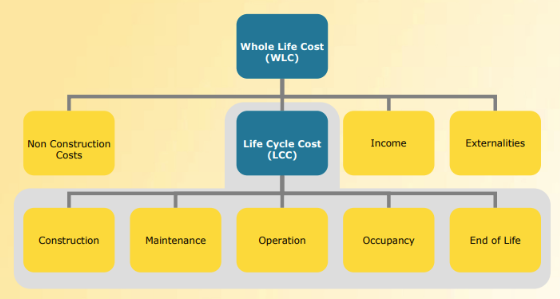
Widely Used Frameworks by Sector:
Different sectors apply cost estimation and budgeting frameworks in ways that reflect their unique pressures, governance requirements, and accountability obligations.
1. Public Sector:
• Frameworks such as the UK Treasury Green Book or national equivalents provide standardized approaches for appraisal, estimation, and value-for-money assessments.
• Emphasis is on transparency, accountability, and stewardship of taxpayer resources, with detailed business cases and robust scrutiny required at every funding gateway.
• Budgets often require stress-testing against public value metrics, not just financial returns.
2. Private Sector:
• Budgeting practices prioritize return on investment (ROI), competitive positioning, and shareholder value.
• Organizations rely on flexible, performance-driven budgets, with scenario analysis and market benchmarking used to validate assumptions.
• Financial agility is a key differentiator—budgets must allow rapid reallocation of resources in response to market shifts.
3. Not-for-Profit Sector:
• Cost estimation and budgeting must demonstrate donor accountability, financial stewardship, and alignment with mission objectives.
• Transparency is paramount—budgets must show clearly how contributions are allocated to programs and outcomes.
• Frameworks emphasize lean administration to maximize the proportion of funds directed to front-line delivery.
Understanding these sectoral differences helps organizations benchmark themselves and adopt best practices from adjacent industries.
P3M3 and ISO Budgeting Processes:
Frameworks such as P3M3 (Portfolio, Programme, and Project Management Maturity Model) and ISO 21500 provide globally recognized pathways for developing maturity in cost estimation and budgeting.
1. P3M3:
• Provides an assessment model that measures an organization’s maturity in financial management across portfolio, program, and project levels.
• At lower maturity levels, estimation may be ad hoc, relying on individual judgment with limited consistency.
• At higher maturity levels, organizations adopt evidence-based budgeting, using historical data, structured CBS frameworks, and integrated forecasting systems.
• Progression along the P3M3 pathway improves credibility with stakeholders and reduces variance between planned and actual costs.
2. ISO 21500:
• Offers internationally standardized guidance for project management, embedding cost estimation and budgeting as integral components of planning.
• ISO emphasizes integration, ensuring that cost management is not siloed but connected with scheduling, risk, and resource planning.
• Adopting ISO-aligned processes provides consistency across global operations, especially in multinational organizations where different geographies must align to a common standard.
While these frameworks and models differ in scope, they complement each other:
• CBS provides structure for categorizing costs.
• Whole-of-life costing ensures sustainability and long-term value.
• Sector-specific frameworks tailor practice to accountability requirements.
• P3M3 and ISO provide maturity pathways and global alignment.
Together, they create a comprehensive system where cost estimation and budgeting evolve from tactical exercises into strategic enablers of organizational success.

Tools and Practical Applications:
While frameworks provide the conceptual scaffolding for cost estimation and budget planning, tools and applications translate these principles into day-to-day practice. They ensure that financial planning is not just theoretical but actively embedded into delivery. Effective use of tools promotes consistency, transparency, and credibility in financial management.
Budgeting Templates:
Standardized budgeting templates play a critical role in ensuring comparability and consistency across initiatives, programs, and portfolios.
• Consistency and Comparability: Templates create a uniform format for capturing costs, enabling organizations to compare budgets across different initiatives on a like-for-like basis. This reduces subjective interpretation and helps senior leaders prioritize investments.
• Comprehensive Coverage: Well-designed templates prompt users to consider all relevant cost categories—CapEx, OpEx, indirect, and whole-of-life—reducing the risk of omissions.
• Governance and Audit Trail: Templates document the logic behind estimates, providing an auditable record for internal and external reviewers. This strengthens credibility during funding approvals and external audits.
• Scalability: Templates can be applied across small-scale projects or multi-year transformation initiatives, adapting to different levels of complexity.
For example, a digital transformation program might use a budgeting template that aligns costs with workstreams (technology, training, communications, governance). By enforcing a consistent structure, the template ensures all initiatives are assessed against the same financial logic.
Estimation Workbooks:
Estimation workbooks provide structured mechanisms for capturing the detailed assumptions, methodologies, and references underpinning cost estimates.
• Transparency and Traceability: Each figure in the workbook is linked to an assumption, calculation, or data source. This transparency reduces reliance on individual judgment and allows stakeholders to understand how numbers were derived.
• Knowledge Retention: Workbooks serve as a knowledge repository, preserving estimation logic beyond the individuals who created them. This is essential for continuity in long-term initiatives.
• Validation and Review: By making assumptions explicit, workbooks facilitate peer review and challenge. For example, if labor costs are assumed at $75/hour, reviewers can test whether that rate reflects current market conditions.
• Scenario Testing: Workbooks allow quick recalibration of assumptions, enabling teams to model alternative cases without starting from scratch.
In practice, an estimation workbook for an infrastructure program might record unit rates for materials, supplier quotes, and labor assumptions. By maintaining this level of documentation, the organization ensures defensibility and reproducibility of its estimates.
Cost Modelling Case Examples:
Cost models move beyond static templates and workbooks by simulating different scenarios and sensitivities. They provide dynamic insights into how variations in key drivers affect total investment needs.
• Scenario Analysis: Models can test the impact of changes in scope, schedule, or market conditions. For instance, what happens to the total budget if steel prices increase by 10%? Or if delivery is delayed by six months?
• Risk and Contingency Planning: By exploring best-case, worst-case, and most-likely scenarios, cost models help organizations define contingency allowances and avoid overexposure.
• Decision Support: Models allow decision-makers to weigh trade-offs between cost, time, and scope. For example, investing more in upfront training may reduce long-term operational costs.
• Case Examples: In IT system replacement projects, cost models may compare on-premises servers vs. cloud-based solutions, factoring in purchase, licensing, maintenance, and scalability costs. In construction projects, models may test different procurement strategies (e.g., lump-sum contracts vs. cost-plus contracts) to identify the most cost-efficient option.

By simulating alternatives, cost models strengthen the credibility of business cases and allow leadership to make informed investment decisions under uncertainty.
The value of these tools lies not only in their technical outputs but also in how they are embedded into daily financial discipline:
• Budgeting templates ensure every initiative speaks the same financial language.
• Estimation workbooks provide a structured, transparent record of assumptions.
• Cost models allow proactive testing of risks and sensitivities.
Together, they create a system where financial oversight is not retrospective—only catching issues after they arise—but proactive, ensuring robust decision-making at every stage of the initiative lifecycle.

Challenges and Pitfalls in Cost Estimation and Budget Planning
Even with robust frameworks and practical tools, cost estimation and budget planning are vulnerable to recurring challenges. These pitfalls often arise from human bias, organizational culture, weak governance, or limitations in data quality. Recognizing them is the first step toward building credible, defensible, and resilient financial plans.
1. Over-Optimistic Forecasting:
One of the most common challenges in business case development is over-optimistic forecasting, which occurs when costs are underestimated or benefits are exaggerated. This issue often arises due to political or organizational pressure to “sell” a business case, the selective use of limited historical data, or cognitive biases such as optimism bias and anchoring on best-case scenarios. The impacts can be significant: budgets quickly overrun, stakeholder trust in financial management erodes, and post-implementation reviews expose unrealistic baselines that damage credibility.
Real-world examples are plentiful. Public infrastructure megaprojects frequently fall into this trap by underestimating costs such as land acquisition, legal disputes, or environmental mitigation, while in the private sector, new product launches often project inflated early adoption rates that fail to materialize, leading to disappointing revenue outcomes. Addressing this challenge requires independent validation of assumptions, the application of reference class forecasting, and the adoption of conservative assumptions where uncertainty is high.
2. Scope Creep:
Another major pitfall is scope creep, which arises when initiatives expand beyond their original parameters without revalidating the financial assumptions underpinning them. While some flexibility is inevitable, uncontrolled expansion can derail even the most carefully prepared budgets. Scope creep is typically driven by stakeholder demands for additional features, weak governance processes that fail to enforce control points, or an inability to distinguish between “must-have” and “nice-to-have” requirements. The consequences are severe: costs escalate without delivering proportional benefits, budgets fragment as funding is diverted away from priority activities, and timelines extend, compounding both financial and delivery risks.
For instance, a software implementation initially designed for a single business unit may suddenly expand across an entire enterprise without additional funding approvals, while construction projects often add design enhancements midstream without revisiting cost baselines. Mitigating scope creep requires the consistent application of change control processes, robust prioritization criteria, and ongoing alignment with the original business case.
3. Weak Data Quality:
Weak data quality represents another recurring obstacle in financial forecasting. Cost estimates are only as reliable as the data that underpins them, and poor or incomplete data inevitably produces flawed outcomes. This problem often stems from the absence of accurate historical records, overreliance on anecdotal or vendor-supplied evidence, and a failure to account for context-specific variables such as inflation, geography, or scale. The result is that estimates lack defensibility during governance reviews, projects experience funding delays as assumptions are challenged, and actual costs diverge significantly from forecasts, forcing the need for emergency funding.
Examples include construction projects that use outdated unit costs for materials, leading to severe underestimations when market prices surge, and IT projects that rely solely on vendor estimates, which are often overly optimistic and not independently verified. Improving data quality requires organizations to build comprehensive cost knowledge bases, standardize data collection methods, and integrate external industry benchmarks where internal data is insufficient.
4. Siloed Processes:
Siloed processes in financial planning occur when finance teams and delivery teams work in isolation, creating fragmented budgets that fail to reflect operational realities. This challenge often emerges when finance develops budgets centrally without input from delivery teams, or when differing priorities create a disconnect—finance may focus on cost containment, while delivery teams prioritize scope or speed. The impacts are predictable: budgets become disconnected from delivery needs, accountability weakens as delivery teams lack ownership of financial assumptions, and financial governance becomes reactive rather than proactive.
For example, global NGOs sometimes prepare budgets centrally at headquarters without adequately engaging country teams, leading to funding gaps during implementation. Similarly, private companies may allocate funds based on rigid corporate finance templates, overlooking practical requirements from engineering or marketing teams. Overcoming siloed processes requires the establishment of integrated financial planning frameworks in which finance and delivery jointly develop assumptions, review costs collaboratively, and co-own accountability for performance outcomes.
5. Failure to Account for Whole-of-Life Costs:
A final challenge is the frequent failure to account for whole-of-life costs, where organizations focus heavily on upfront investment while neglecting long-term operational, maintenance, and disposal costs. This narrow focus distorts the true picture of affordability and value. Drivers of this pitfall include the pressure to keep business cases lean and attractive, short-term thinking that prioritizes initial funding approval, and a lack of awareness about long-term operational drivers such as maintenance, licensing, or energy use. The impacts are serious: initiatives appear cheaper than they really are, operational teams inherit unbudgeted costs that strain sustainability, and benefits realization is gradually eroded by high lifecycle costs.
For instance, on-premises IT systems often exceed initial capital budgets due to unaccounted maintenance and security expenses, while major infrastructure investments such as hospitals, bridges, and transport systems accrue decades of operational costs that dwarf the initial construction spend. To mitigate this pitfall, organizations must embed whole-of-life costing into standard practice, ensuring that financial decisions reflect not just acquisition but also long-term maintenance, operations, and eventual decommissioning.
Each pitfall is not just a risk but a signal of where governance, tools, or culture need reinforcement:
• Over-optimism – mitigated by independent validation and realistic baselines.
• Scope creep – addressed through control points and governance oversight.
• Weak data – improved via structured estimation workbooks and benchmarks.
• Siloed processes – resolved with integrated finance-delivery collaboration.
• Whole-of-life blind spots – managed through CBS and lifecycle costing.
By recognizing these recurring challenges, organizations can adopt best practices that transform cost estimation and budgeting from vulnerable activities into strategic enablers of value delivery.

Best Practices and Success Factors
Overcoming the challenges of cost estimation and budget planning requires structured, disciplined approaches that embed financial credibility into every stage of change initiatives. The following best practices have proven most effective across sectors:
1. Integrate Cost Estimation into Strategic Planning:
Estimates should not be developed in isolation but aligned with organizational objectives, ensuring funding decisions reflect broader strategy.
2. Use Multiple Techniques for Validation:
Combining analogous, parametric, and bottom-up methods provides cross-checks, reducing reliance on a single, potentially biased approach.
3. Treat Budgets as Living Documents:
Assumptions and figures should be updated regularly as scope, risks, and market conditions evolve, preventing drift from reality.
4. Embed Whole-of-Life Costing:
Incorporating acquisition, operational, and disposal costs ensures long-term sustainability and avoids hidden financial burdens.
5. Strengthen Governance and Oversight:
Independent reviews, clear control points, and transparent reporting reinforce accountability and build stakeholder trust.
6. Foster Collaboration Between Finance and Delivery Teams:
Co-ownership of financial assumptions improves accuracy, creates shared accountability, and reduces fragmentation.
By applying structured estimation techniques and budget planning methods, participants will build financial credibility and resilience into their initiatives. This manual ensures that participants understand how resources are allocated effectively and transparently, establishing a firm financial foundation that supports delivery assurance and business case validation. Accurate cost estimation also strengthens confidence with stakeholders, ensuring that projects are both defensible at approval and adaptable during delivery, providing stability even when environments change.
Case Study: London 2012 Olympics – Cost Estimation and Budget Challenges
The London 2012 Olympics provide a high-profile example of cost estimation and budgeting in practice. Initial estimates for hosting the Games in 2005 were approximately £2.4 billion. However, by 2007, the projected cost had ballooned to £9.3 billion, largely due to underestimation of security, infrastructure, and whole-of-life operational costs.
To restore credibility, the UK government implemented rigorous governance structures, phased funding releases, and enhanced transparency measures. Cost Breakdown Structures were applied to separate infrastructure, security, and operational expenses. Whole-of-life costing ensured that long-term expenses, such as stadium conversions and legacy projects, were included.
Although significantly higher than the initial estimate, the final budget of £8.77 billion came in under the revised projection, demonstrating the value of improved estimation methods, disciplined budget planning, and transparent reporting.
Exercise 5.2: Budget Plan
Course Manual 3: Funding Models and Investment Approval Processes
Funding is the engine that powers organizational change and transformation. Without credible financial backing, even the most compelling strategies and innovative ideas fail to progress beyond the conceptual stage. Securing funding is not only about obtaining resources; it is also about demonstrating alignment with organizational objectives, building confidence among decision-makers, and ensuring that investments deliver tangible value.
Investment approval processes exist to safeguard financial resources, ensuring that they are allocated responsibly, transparently, and in alignment with strategic priorities. A robust approach to funding and approval processes therefore represents both a defensive mechanism—protecting organizations against waste and poor decision-making—and an offensive tool for enabling long-term growth and sustainability.
This manual provides a comprehensive exploration of funding models and investment approval processes. It covers the principles of investment logic, the structures of funding gateways, the role of governance frameworks, and the tools used to prepare and present credible submissions. The aim is to equip practitioners with the ability to design, justify, and defend funding requests while navigating approval pathways with clarity and confidence.
Funding Mechanisms and Investment Logic
At the core of every funding request lies investment logic—a disciplined approach to justifying why financial resources should be allocated to a particular initiative. Investment logic moves beyond simple budgeting to provide a structured rationale for decision-making. It ensures that proposals are not judged solely on projected costs, but also on how effectively they address business needs, align with organizational strategy, and deliver measurable outcomes.
Investment Logic Mapping (ILM) is one widely used method for structuring this reasoning. ILM begins with identifying the root problem or opportunity, articulating why it matters, and then linking this need to potential solutions and the benefits they are expected to generate. By creating a logical chain that ties problems – solutions – benefits, ILM provides clarity for decision-makers and prevents funding from being allocated on the basis of untested assumptions or persuasive rhetoric alone.
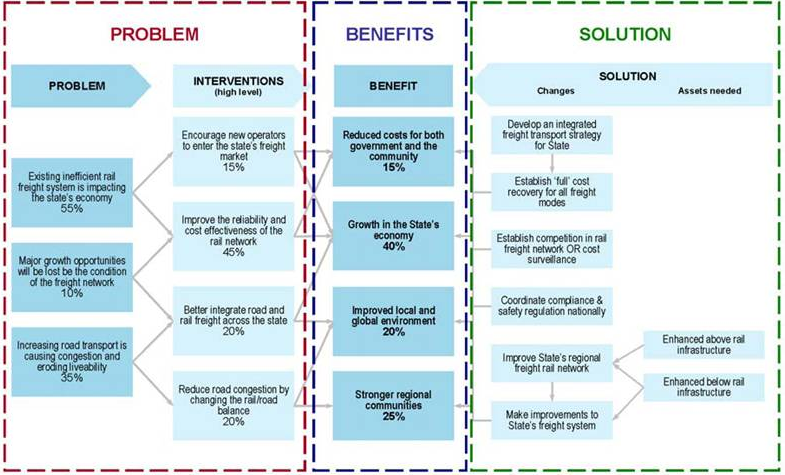
A robust investment logic demonstrates:
• Strategic relevance: Evidence that the initiative supports long-term organizational goals, such as market growth, digital transformation, or service delivery improvement. For example, an initiative to adopt renewable energy technologies would need to show how it aligns with sustainability commitments and reputational goals.
• Economic rationale: Justification that the investment offers value for money, often expressed through cost-benefit analysis, ROI calculations, or efficiency gains. This rationale strengthens confidence that funds are being deployed where they will create the most impact.
• Deliverability: Assurance that the initiative can realistically be implemented given available resources, skills, and capacity. This includes identifying risks, dependencies, and mitigation strategies. Without this, even strategically aligned projects may stall during execution.
• Measurable benefits: Clear metrics for evaluating success. These may include financial returns, productivity gains, customer satisfaction, or social outcomes depending on sector context.
By grounding requests in transparent, defensible investment logic, organizations safeguard against “pet projects” or politically motivated proposals that can divert scarce resources away from initiatives with higher strategic value.
Funding Mechanisms Across Sectors:
Funding models differ by sector and context, but they all share a common purpose: allocating resources effectively while maintaining accountability. Selecting the appropriate mechanism is not a neutral act; it is a strategic decision that influences governance structures, flexibility, and exposure to financial risk. Different approaches offer distinct advantages and limitations, making it vital for organizations to align the funding mechanism with the scale, scope, and nature of each initiative.
One of the most traditional models is direct capital allocation, which involves providing a lump-sum allocation upfront to cover the entirety of a project or program. This model is particularly common in large-scale, long-term initiatives such as infrastructure construction, major technology platforms, or mergers and acquisitions. Its primary advantage lies in providing certainty, as organizations can plan comprehensively without financial constraints once approval is secured. However, the limitation is equally clear: committing substantial resources early on introduces high risk if underlying assumptions prove inaccurate, since there are few natural control points for reassessment once funding is released.
Another widely used model is operational budgeting, where funding is absorbed into the annual operating budget of a department or division. This approach is often applied to smaller, incremental, or business-as-usual initiatives such as staff training programs, minor IT upgrades, or process improvements. Its main strength lies in simplicity, as it aligns easily with existing budget cycles and day-to-day operations. At the same time, operational budgeting risks underfunding transformational change, since operational budgets are typically constrained and subject to efficiency drives. This makes it less suited for initiatives requiring significant investment or long-term commitment.
Phased funding offers a more flexible alternative, with resources released progressively at defined milestones or “gates.” This model is common across both public and private sectors, especially in initiatives characterized by high risk or uncertainty. For example, a digital transformation program may receive initial funding for discovery and design, with further allocations contingent on the success of pilot results. The advantage of phased funding lies in its ability to provide checkpoints for reassessment, thereby reducing sunk-cost exposure and strengthening governance. However, the process can also slow momentum if review cycles become overly bureaucratic or excessively risk-averse, creating delays that frustrate delivery teams.
External funding represents another mechanism, one in which organizations seek resources beyond their own reserves. This includes grants, loans, donor contributions, or joint-venture partnerships, and is particularly prevalent in public sector development projects, start-ups, and not-for-profit organizations. A healthcare research initiative, for example, might combine government grants, philanthropic donations, and academic partnerships to secure the capital required. The advantage of external funding is that it expands available resources and reduces reliance on internal capital. Yet, this mechanism often comes with conditions, such as strict reporting obligations or donor influence, which can constrain organizational flexibility and shift priorities away from original objectives.
Finally, portfolio funding allocates resources across a portfolio of initiatives rather than focusing on individual projects in isolation. Resources are prioritized based on strategic alignment, risk-return trade-offs, and capacity constraints. This model is common in organizations pursuing broad transformation agendas or in investment firms managing multiple assets. For instance, a financial services organization may distribute capital across digital tools, customer experience enhancements, and regulatory compliance programs, ensuring a balance between innovation and risk control. Portfolio funding encourages optimization of resources across the entire organization, reducing silos and aligning initiatives with overall strategy. However, it requires sophisticated portfolio management processes and clearly defined prioritization criteria to be effective.
Implications of Funding Choices:
Each funding mechanism has implications for project governance, flexibility, and risk. Direct capital allocation provides stability and certainty but heightens exposure if early assumptions prove wrong. Phased funding introduces control and accountability by creating natural checkpoints, though it may reduce agility if slowed by bureaucracy. External funding offers access to additional resources but often compromises autonomy due to external conditions and oversight. Portfolio funding strengthens strategic alignment but requires advanced maturity in portfolio management and prioritization frameworks.
Selecting the right mechanism is therefore a strategic act in its own right. It requires balancing the need for certainty with the demand for adaptability, and the requirements of governance with the desire for innovation. Effective organizations often adopt a blended approach, applying different funding models depending on the scale, risk profile, and strategic significance of each initiative. By tailoring funding mechanisms in this way, organizations can ensure that resources are allocated efficiently while supporting long-term value creation and sustainable success.

Preparing and Presenting Funding Submissions
Securing approval for funding requires more than compiling cost estimates and attaching a spreadsheet. A credible funding submission is both analytically rigorous—grounded in reliable data, structured logic, and sound methodologies—and persuasively communicated, making the case compelling for senior decision-makers, boards, or external stakeholders. This balance between evidence and narrative is what distinguishes successful submissions from those that stall in governance processes.
Components of a Credible Funding Submission:
A strong funding request typically incorporates the following elements, each of which builds confidence that the initiative is both strategically valuable and financially viable:
1. Executive Summary:
• The entry point to the submission and often the only section read in detail by senior decision-makers pressed for time.
• Must distill the initiative’s purpose, the key benefits, and the precise funding request into a concise, engaging overview.
• Effective summaries highlight the problem being solved, the opportunity being seized, the outcomes expected, and the amount of investment required.
• Example: “This initiative seeks approval for £10 million to implement an AI-driven customer service platform, expected to reduce service costs by 20% and improve customer satisfaction ratings by 30% within three years.”
2. Strategic Alignment:
• Demonstrates how the initiative contributes to corporate strategy, sector priorities, or national policy goals.
• Alignment ensures the project is not seen as isolated or discretionary but rather as a vehicle for achieving core objectives.
• Evidence might include references to strategic plans, board mandates, regulatory requirements, or industry benchmarks.
• Example: A healthcare IT investment might show alignment with a national digital health strategy and organizational commitments to patient safety.
3. Financial Justification:
• The backbone of any submission, providing transparent, evidence-based cost estimates and return calculations.
• Should include budgets, ROI analysis, Net Present Value (NPV), Internal Rate of Return (IRR), and payback periods as appropriate.
• Strong justifications do not just forecast benefits but also account for uncertainties, sensitivity testing, and alternative scenarios.
• Example: “Under conservative assumptions, the initiative will break even in Year 4, with a 12% IRR over 10 years. Under optimistic assumptions, IRR rises to 18%.”

4. Risk and Mitigation Plans:
• Acknowledges uncertainties openly, rather than ignoring or downplaying them.
• Outlines the key risks, probability of occurrence, potential impact, and mitigation strategies.
• This transparency strengthens credibility: decision-makers are more confident approving initiatives when risks are clearly understood and actively managed.
• Example: “Key risk: supplier capacity. Mitigation: establish framework contracts with multiple vendors to reduce dependency.”
5. Benefits Realization Plan:
• Explains how promised outcomes will be tracked, measured, and reported over time.
• Goes beyond high-level statements to outline KPIs, baselines, target values, and review mechanisms.
• Example: “Benefit 1: 15% reduction in processing time. Measured quarterly through time-and-motion analysis of claims processing.”
• Without such a plan, funding submissions risk being dismissed as speculative.
6. Implementation Roadmap:
• Provides visibility of the timelines, milestones, and accountability structures that will guide delivery.
• A good roadmap clarifies what will be delivered when, who is responsible, and how progress will be monitored.
• Milestones often align with governance “gates” or phased funding releases, enabling decision-makers to retain control while the initiative unfolds.
Together, these six components form a comprehensive and defensible business case, ensuring the funding submission addresses the questions most often raised by boards, treasuries, or investment committees.
Techniques for Effective Presentation:
Even the most robust funding submission can falter if it is poorly presented. Effective communication transforms financial data into a persuasive story that resonates with decision-makers.
Clarity and Transparency:
• Submissions should avoid unnecessary jargon and present complex financial models in accessible language.
• This ensures that non-financial stakeholders—such as operational leaders, regulators, or community representatives—can engage with the case meaningfully.
Visual Aids:
• Graphs, charts, dashboards, and investment maps simplify complexity and highlight key messages.
• Visual summaries of costs versus benefits, risk exposure, or ROI comparisons help decision-makers quickly grasp the implications.
Scenario Testing:
• Presenting multiple scenarios (e.g., conservative, moderate, and optimistic) demonstrates preparedness and reduces perceptions of bias.
• Example: “If adoption rates are slower than forecast, benefits reduce by 10% but break-even is still achieved in Year 5.”
• This reassures boards that proposals are not “all-or-nothing bets” but robust under different conditions.
Stakeholder Engagement:
• Successful submissions often reflect early and proactive engagement with key stakeholders.
• Involving potential approvers during the development process builds buy-in, reduces resistance at the point of formal approval, and allows for iterative improvement.
• Engagement can include workshops, informal briefings, or pre-submission reviews.
Ultimately, funding submissions are not simply technical or financial documents; they are storytelling tools. A persuasive submission:
• Clearly sets out the problem or opportunity.
• Explains why it matters now and what is at risk if no action is taken.
• Demonstrates how the proposed initiative provides the best solution.
• Shows who is accountable for delivery and how progress will be measured.
This combination of rigorous analysis and compelling narrative provides decision-makers with both the confidence in the numbers and the belief in the vision, increasing the likelihood of approval.

Funding Gates and Delivery Governance
Securing funding for change initiatives is not a one-time event but rather a progressive journey, punctuated by structured checkpoints that validate whether an initiative continues to justify investment. These checkpoints, often referred to as funding gates or investment gateways, serve as critical moments of reflection and control. Their purpose is to balance ambition with discipline, ensuring that initiatives remain both strategically aligned and financially viable.
The role of funding gates is twofold: they act as a mechanism of quality assurance, confirming that an initiative is well-governed, aligned with organizational strategy, and realistically deliverable, while also serving as a safeguard for financial control, ensuring resources are only released when justified by clear evidence. By combining these functions, funding gates reduce the risk of escalation in failing projects, improve transparency, and reinforce accountability to stakeholders.
Gateway Reviews:
One of the most widely recognized models of funding gates is the Gateway Review process. While it is applied extensively in public sector programs, it is increasingly being adopted in large-scale private sector and not-for-profit initiatives as well. The model introduces six structured reviews across the lifecycle of an initiative, each acting as a go/no-go decision point before further investment is committed.
The first checkpoint, Gate 0: Strategic Assessment, establishes the fundamental question of why the initiative exists. At this stage, the focus is on validating the problem or opportunity, confirming alignment with strategic priorities, and articulating expected high-level benefits. The outcome is an agreement that the initiative is worth exploring further, without yet committing to detailed business case development.
Gate 1: Business Justification asks whether the initiative makes economic and strategic sense. This involves reviewing the investment logic, conducting a preliminary cost-benefit analysis, identifying potential funding models, and exploring viable alternatives. The outcome of this stage is a decision on whether to proceed with developing a full business case.
Gate 2: Delivery Strategy then addresses the practicalities of delivery. The review examines proposed delivery structures, procurement strategies, supplier options, resource planning, and risk management frameworks. If successful, the outcome is endorsement of a credible delivery plan that balances ambition with practicality.
Gate 3: Investment Decision represents the point at which the organization considers whether full-scale funding should be released. At this stage, the detailed business case is assessed alongside refined budgets, return on investment projections, and risk-adjusted forecasts. A positive outcome results in formal approval to commit significant resources to implementation.
Gate 4: Readiness for Service shifts the focus from planning to deployment. The review validates that systems, people, and processes are prepared to go live by ensuring training programs, IT systems, process changes, and organizational readiness are in place. Successful completion provides the green light for deployment, helping to safeguard the delivery of intended benefits.
Finally, Gate 5: Benefits Realization looks beyond delivery to assess whether the initiative has delivered on its promises. This stage involves reviewing actual outcomes against projected benefits, measuring return on investment, documenting lessons learned, and identifying opportunities for continuous improvement. The outcome is either confirmation of success or a recalibration process if expected benefits have not been achieved.
Each gate combines financial scrutiny with governance oversight, functioning not only as a decision point but also as a safeguard. Importantly, these reviews are carried out independently of project teams, often involving external experts, finance leaders, or governance boards to ensure objectivity and credibility.
Why Gateway Reviews Matter:
Gateway Reviews play a crucial role in embedding discipline and accountability throughout the lifecycle of an initiative. By structuring funding approvals in phases, organizations avoid committing all resources upfront, thereby reducing exposure to sunk costs. This staged approach ensures that financial resources flow in tandem with proven progress rather than speculation. It also creates natural pause points where assumptions can be revisited, allowing adaptation to evolving contexts or shifting market conditions.
Furthermore, Gateway Reviews provide confidence to key stakeholders—including boards, treasuries, investors, and regulators—that funds are being managed responsibly and transparently. This is particularly critical in high-risk, high-value initiatives, where uncertainty is significant and external scrutiny from taxpayers, donors, or shareholders is often intense.
Alignment with Delivery Governance:
For funding gates to be effective, they cannot operate in isolation; they must be fully integrated into broader program and portfolio governance frameworks. Strategic integration ensures that the criteria used at each funding gate mirror those applied by governance boards when assessing initiatives for alignment, feasibility, and benefits. For example, a Gate 1 Business Justification review should be directly linked to portfolio prioritization processes to ensure consistency in decision-making.
Operational integration is equally important. Gate reviews must align with project milestones so that financial approvals are synchronized with delivery checkpoints. This prevents duplication of effort and ensures governance decisions are grounded in operational realities. A closed-loop governance system further strengthens the model by tying financial approval directly to delivery capability and benefits realization. In such a system, each funding decision is contingent not only on projected outcomes but also on clear evidence of capacity, resources, and readiness to deliver.
Finally, embedding funding gates into governance frameworks enhances accountability and transparency across both financial and operational domains. Boards, steering groups, and external stakeholders gain visibility into not only what is being funded but also how effectively it is being executed. This integration transforms funding gates from isolated checkpoints into a core component of governance maturity, ensuring that initiatives remain strategically aligned, financially justified, and operationally sound throughout their lifecycle.
Beyond their technical role, funding gates also influence organizational culture. They reinforce the message that:
• Funding is conditional, not guaranteed.
• Progress must be demonstrated through evidence, not assumptions.
• Accountability is shared across finance, governance, and delivery teams.
In this way, gateways help create a culture of rigor, discipline, and continuous reassessment, ensuring that funding decisions remain aligned with evolving strategies and realities throughout the lifecycle.
Frameworks for Investment Decisions
Securing funding is as much about rigor and defensibility as it is about persuasion. Boards, treasuries, investors, and donors all require confidence that proposed investments are justified, risks are well understood, and expected returns are realistic. To provide this assurance, organizations rely on structured frameworks that standardize how funding proposals are appraised, compared, and prioritized. While these frameworks differ depending on context, they share a common purpose: to ensure that resources are deployed where they will deliver the greatest possible value.
Treasury Investment Decision Frameworks:
Treasury-style frameworks establish the gold standard for investment appraisal, particularly in the public sector where the use of taxpayer or public funds demands the highest level of scrutiny. A well-known example is the UK Treasury’s Green Book, which provides comprehensive guidance for evaluating government spending proposals. Frameworks of this nature emphasize a set of core features that define their rigor. First, they apply robust appraisal methodologies, including cost-benefit analysis, cost-effectiveness assessments, and broader evaluations of value for money. Transparency is also central, requiring that assumptions, methodologies, and calculations be explicit, defensible, and open to review. Another key element is comparability: initiatives must be assessed consistently against the same criteria to ensure fairness across sectors or departments. Finally, accountability underpins the process, with funding proposals expected to demonstrate not only anticipated returns but also clear governance structures for monitoring and evaluation.
The Green Book, along with comparable frameworks such as the US Office of Management and Budget’s Circular A-94 and Australia’s Department of Finance guidelines, reflects a principle of stewardship. Those responsible for allocating funds must be accountable for their decisions, not only to their organizations but also to the wider public. In practice, this means that funding submissions must be supported by robust evidence, sensitivity testing, and independent challenge before approval is granted. Although these frameworks originated in the public sector, their influence has extended into private companies and not-for-profit organizations, particularly those that need to demonstrate credibility to regulators, donors, or external funders.
Portfolio Investment Prioritization Models:
In reality, most organizations do not operate within a single-project environment. They must allocate limited resources—whether budget, talent, or infrastructure—across a portfolio of competing initiatives. Portfolio investment prioritization models provide a structured method for determining which initiatives should advance, which should be deferred, and which should be stopped altogether. Several techniques underpin this approach. Scoring models assign weighted scores to initiatives based on criteria such as strategic alignment, projected financial return, risk exposure, and organizational capacity. Weighted benefit analysis further quantifies the benefits of each initiative relative to its costs and risks, creating a comparative value score that can be applied across the portfolio. More sophisticated organizations may employ optimization algorithms, using mathematical models to identify the best combination of projects within defined constraints, such as limited budgets or workforce capacity. Portfolio decision-making can also be strengthened by integrating stage-gating processes, ensuring that weaker initiatives are halted before they consume further resources.
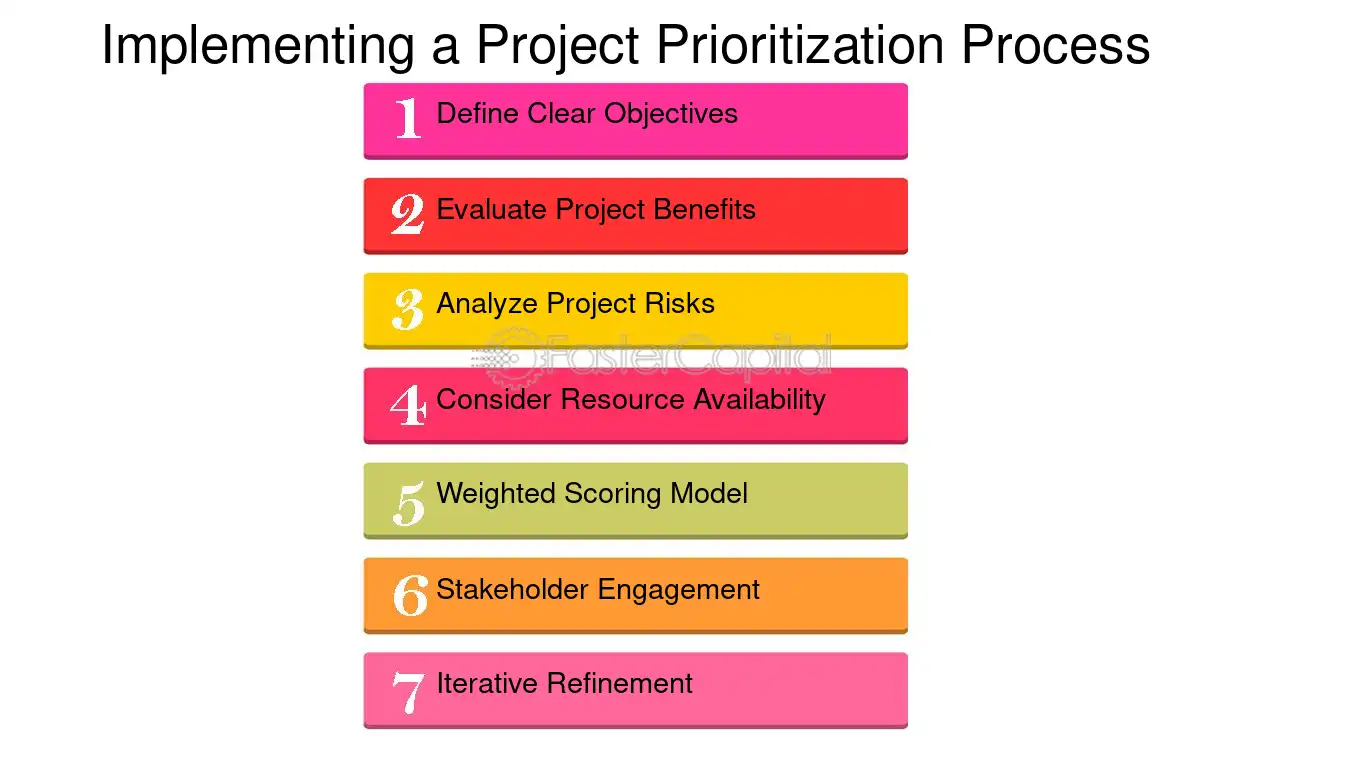
The advantage of portfolio models lies in their ability to balance desirability—measured by strategic fit and expected benefits—with feasibility, which is shaped by organizational capacity, costs, and risks. For large organizations, these models also provide a high-level view of exposure across the portfolio, highlighting when too much investment is concentrated within a single business area, product line, or risk profile. By institutionalizing these methods, organizations reduce the influence of internal politics or subjective lobbying. Instead, decisions are guided by transparent, evidence-based criteria, helping to ensure that the initiatives selected for funding are those most likely to deliver sustainable, long-term value.
Global Approaches Across Sectors:
Different sectors apply investment frameworks through the lens of their unique governance obligations, funding sources, and strategic imperatives. In the public sector, accountability, transparency, and auditability dominate decision-making. Tools such as the UK Green Book or New Zealand’s Better Business Cases framework ensure that taxpayer funds are directed toward initiatives that can demonstrate public value, with rigorous oversight from audit bodies and parliamentary committees.
In contrast, the private sector focuses on drivers such as return on investment, competitive advantage, and shareholder value. Decision-making tools include return on investment models, net present value calculations, internal rate of return assessments, and scenario modeling. The overriding goal is to maximize profitability and long-term sustainability while managing portfolio-wide risks.
The not-for-profit sector brings yet another perspective, with funding decisions shaped by mission alignment, donor accountability, and long-term sustainability. Tools such as social return on investment models, impact assessments, and donor reporting frameworks ensure that resources are deployed in ways that advance organizational purpose while maintaining credibility with donors. Here, the emphasis is on demonstrating that funds are being used effectively, while also ensuring that initiatives can sustain themselves beyond initial grants or contributions.
Although criteria vary across sectors, the underlying principle remains consistent: investments must be aligned with organizational purpose, justified by defensible evidence, and capable of withstanding scrutiny from both internal and external stakeholders. By applying these frameworks, organizations build confidence in their decision-making processes and ensure that scarce resources are directed toward initiatives that deliver the highest possible value.
Frameworks bring consistency and discipline to decision-making processes. They ensure that:
• Decisions are evidence-based, not driven by personal influence or short-term pressures.
• Comparisons are fair and systematic, allowing decision-makers to weigh diverse initiatives on equal footing.
• Accountability is strengthened, as frameworks provide clear audit trails of how and why decisions were made.
• Strategic alignment is reinforced, ensuring funds are directed to initiatives that best support organizational goals.
Ultimately, by embedding treasury frameworks, portfolio prioritization models, and sector-specific approaches, organizations create a robust investment ecosystem—one in which financial resources are deployed responsibly, transparently, and strategically.

Tools and Practical Applications
Frameworks provide the structure for investment decision-making, but tools translate those frameworks into practice. They help practitioners move from theory to execution, ensuring that funding requests are not only rigorous in design but also consistent, comparable, and actionable. The following tools are among the most widely applied in both public and private contexts.
Frameworks provide the structure for investment decision-making, but it is the practical tools that translate these frameworks into day-to-day execution. These tools help practitioners move from theory into practice, ensuring that funding requests are rigorous in design, comparable across initiatives, and actionable in real governance settings. Whether in the public or private sector, standardized tools reduce inconsistency, embed lessons from past experience, and create a defensible basis for financial and strategic decisions.
Funding Submission Templates:
Standardized submission templates are among the most widely used tools because they provide consistency, clarity, and efficiency across proposals. They ensure that every funding request addresses the same critical dimensions, such as strategic alignment, financial justification, risk analysis, and benefits. For decision-makers, this means proposals can be assessed side by side with minimal cognitive burden, as the information is presented in a familiar, structured way. For preparers, templates eliminate the need to reinvent the wheel with every submission, saving time while improving quality. Importantly, most templates are designed to align with established treasury or governance frameworks, ensuring that compliance is built in from the outset. Over time, templates also evolve to reflect organizational learning, embedding insights and best practices gained from past funding cycles into future submissions.
Investment Options Comparison Tools:
Funding decisions often involve complex trade-offs—whether between competing projects, levels of ambition, or short-term and long-term priorities. Comparison tools provide the analytical discipline to weigh these trade-offs systematically. Cost-benefit analysis (CBA) remains one of the most widely used approaches, translating both costs and benefits into financial terms to provide a net value calculation. Multi-criteria decision analysis (MCDA) adds further nuance, incorporating non-financial considerations such as reputational impact, regulatory compliance, or environmental sustainability. Scenario modelling extends this by testing the robustness of decisions under different assumptions, such as demand shifts, inflation rates, or policy changes. By using these tools, organizations reduce reliance on intuition or political influence, ensuring that choices are supported by transparent, evidence-based reasoning.

Case Examples of Success and Failure:
Perhaps the most powerful learning tool in investment governance is the review of past funding outcomes. Success stories highlight the value of rigorous submissions. For example, Transport for London’s business case for the Crossrail project secured billions in public and private investment by presenting a clear investment logic, robust cost-benefit analysis, and a well-structured delivery strategy. Similarly, Apple’s early investment in its proprietary chip development, justified by strong alignment with strategic priorities and projected long-term savings, demonstrated how a well-argued funding case can create enduring competitive advantage.
By contrast, failed cases often expose recurring pitfalls. The Sydney Light Rail project in Australia, for example, suffered significant cost overruns and delays due to underestimation of risks and overly optimistic forecasts, leading to public backlash and reputational damage. In the private sector, Kodak’s reluctance to fully fund its transition to digital technologies—despite early internal research showing the market shift—reveals how weak alignment with strategic priorities and risk aversion can undermine investment decisions. By formally reviewing such successes and failures through structured post-implementation assessments and benefits realization reviews, organizations can close the loop between theory and practice, feeding lessons learned back into their funding models.
Dashboards and Reporting Systems:
Once funding is secured, effective monitoring becomes critical to sustaining confidence and accountability. Dashboards and reporting systems transform raw data into actionable insights, enabling boards, executives, and portfolio managers to track approved investments against allocated budgets, monitor the utilization of funds across programs, and assess progress toward benefit realization milestones. Dashboards also provide the agility needed for real-time governance, highlighting when corrective action is necessary if projects deviate from planned trajectories.
For mature organizations, dashboards are integrated into enterprise portfolio management systems, offering a single, consolidated view of all investments, risks, and benefits across the portfolio. This level of visibility strengthens both operational accountability and strategic decision-making, ensuring that current investments remain on track and future funding decisions are grounded in accurate, up-to-date intelligence.
Collectively, these tools embed rigor and transparency into daily practice, ensuring that funding and approvals are not handled on an ad hoc basis but through repeatable, evidence-based processes. They allow organizations to balance competing demands, build credibility with stakeholders, and ultimately maximize the return on their financial resources.
Challenges and Pitfalls in Funding and Approval Processes
Securing funding and navigating approval pathways are critical elements of organizational success, yet they are also fraught with challenges. These challenges can undermine the fairness, transparency, and effectiveness of investment decisions if not managed carefully. Understanding the most common pitfalls helps organizations strengthen their funding practices and safeguard strategic outcomes.
1. Political or Organizational Bias:
Funding decisions are sometimes swayed by personal, political, or organizational agendas rather than objective evidence. In such cases, initiatives that may not deliver the greatest value are prioritized, while higher-impact opportunities are overlooked. This can manifest as “pet projects” sponsored by influential leaders, or as politically motivated investments that serve short-term interests rather than long-term strategic goals.
The danger lies in resource misallocation: funds are directed toward less valuable initiatives, creating opportunity costs and undermining trust in the governance system. Addressing this requires strong oversight mechanisms, transparent evaluation criteria, and investment decisions anchored in strategic alignment and evidence.
2. Weak Investment Cases:
Submissions that lack clarity, evidence, or credible assumptions create uncertainty for decision-makers. If the rationale for funding is vague or unsubstantiated, it becomes difficult to justify resource allocation. Weak submissions may fail to clearly demonstrate alignment with strategy, omit key risks, or lack sufficient financial rigor.
In some cases, the lack of quality in submissions is due to insufficient capability or inadequate time invested in preparation. The outcome is often either rejection of funding or approval without conviction, which increases the risk of later withdrawal of support. Building strong business cases, underpinned by robust investment logic and defensible data, is therefore non-negotiable.
3. Over-Optimism:
Over-optimism is one of the most persistent pitfalls in funding requests. This often involves overstating potential benefits while underestimating costs, risks, or timeframes in order to secure approval. While such submissions may initially succeed in gaining executive buy-in, the mismatch between promise and delivery erodes credibility, damages trust, and can lead to severe reputational and financial consequences.
This issue is sometimes linked to optimism bias or strategic misrepresentation—both of which have been well documented in large infrastructure and transformation programs globally. Countering over-optimism requires independent review, sensitivity analysis, and the application of robust cost and benefit estimation techniques.
4. Process Delays:
While governance processes are designed to ensure accountability, lengthy and overly bureaucratic approval pathways can have unintended consequences. Innovation is stifled when promising initiatives are delayed by months of paperwork, committee reviews, and slow decision-making. In fast-moving sectors, such delays can render projects obsolete before they begin, or result in lost market opportunities.
Striking the right balance between rigor and agility is therefore critical. Streamlined processes, delegated authority where appropriate, and digital workflow systems can all help reduce delays while maintaining accountability.
5. Fragmented Governance:
When governance systems are disconnected across finance, strategy, and delivery oversight, inconsistencies and gaps emerge. For example, financial approvals may be given without adequate consideration of delivery capacity, or strategic alignment may be assessed separately from financial risk. This fragmentation weakens the ability of organizations to make holistic investment decisions and increases the likelihood of poor outcomes.
A more integrated governance approach is needed, where funding decisions are tied directly to delivery governance and portfolio management. This ensures that financial, strategic, and operational dimensions are aligned and mutually reinforcing.
6. Siloed Decision-Making:
Effective funding decisions require the involvement of diverse stakeholders—finance teams, strategic planners, delivery leads, and end-user representatives. When decisions are made in silos, with limited consultation or collaboration, the result is often reduced ownership, weaker credibility, and higher resistance to implementation.
For example, if finance teams develop cost models without input from delivery teams, the assumptions may be unrealistic. Similarly, if end users are excluded, benefits may be overstated or misaligned with actual needs. Overcoming siloed decision-making requires early and inclusive stakeholder engagement, supported by clear communication channels and collaborative investment planning processes.
These challenges highlight the importance of strong governance, evidence-based submissions, and a culture of transparency and accountability. Organizations that recognize and address these pitfalls are better positioned to ensure that their funding processes are fair, strategic, and effective—setting the stage for the best practices and success factors that follow.
With a clear understanding of funding mechanisms and investment gateways, practitioners will be better positioned to secure necessary resources and build executive confidence. This manual reinforces the importance of aligning funding requests with value, enabling organizations to invest wisely and deliver on their strategic objectives. By embedding governance into funding approvals, organizations strengthen accountability, reduce exposure to financial risk, and ensure that investment is continually linked to benefits realization and strategic outcomes.
Case Study: Gateway Reviews in the UK Public Sector
The UK government provides a well-documented example of structured funding and approval through its Gateway Review process, developed by the Office of Government Commerce (OGC). Major public investments—ranging from infrastructure projects to digital transformation programs—are subject to rigorous gateway reviews at multiple stages of their lifecycle.
For example, a large-scale NHS IT modernization initiative underwent multiple Gateway Reviews. At Gate 1, the business justification was scrutinized to ensure alignment with national health priorities. At Gate 2, delivery strategies were evaluated to assess procurement readiness and supplier risk. Funding was released incrementally, tied to milestone achievements.
While the program faced challenges—including delays and cost overruns—the Gateway Review process provided critical points of intervention, enabling corrective action and limiting financial exposure. Importantly, it demonstrated the value of structured funding and oversight in managing complex, high-stakes investments.
This case highlights how governance frameworks, when properly applied, provide both assurance and accountability, balancing ambition with financial discipline.
Exercise 5.3: Mini Business Case Pitch
Course Manual 4: Developing a Compelling Business Case
In modern organizations, investment decisions are rarely made on intuition alone. Whether in the public, private, or not-for-profit sector, decision-makers expect clear, evidence-based reasoning that justifies the allocation of resources. The business case serves as the vehicle for this reasoning. It demonstrates why an initiative is needed, evaluates available options, and provides a structured appraisal of costs, risks, and benefits.
A well-crafted business case not only secures funding but also provides a roadmap for delivery and a benchmark for accountability. Weak or incomplete business cases, by contrast, risk misdirecting scarce resources, eroding stakeholder confidence, and undermining the credibility of both the initiative and the organization.
This manual provides a comprehensive guide to developing persuasive and credible business cases. It covers established frameworks such as the Five Case Model, PMI’s Business Case Structure, and PRINCE2, along with techniques for integrating financial appraisal, risk analysis, and benefits realization. By the end, practitioners will have the knowledge to prepare business cases that align strategic, operational, and financial dimensions into a single, coherent narrative.

The Role of the Business Case
A business case sits at the intersection of strategy, finance, and delivery, making it far more than a simple funding request. It serves as a comprehensive governance and decision-making instrument that guides an initiative from conception through execution and into benefits realization. At its core, the business case is the narrative and analytical bridge between why an initiative is needed, how it will be delivered, and what value it will create.
Multiple Roles of the Business Case:
1. Justification: The first and most obvious role of a business case is to justify why resources—financial, human, and operational—should be committed to one initiative rather than another. In environments where demand for investment exceeds available resources, the business case provides a structured rationale that links initiatives to organizational priorities. This justification is not only financial but also strategic, demonstrating how a proposal contributes to long-term goals such as growth, efficiency, or public value.
2. Decision Support: A strong business case supports decision-makers by presenting a structured analysis of potential options, trade-offs, risks, and benefits. Rather than advocating a single pathway, well-constructed business cases outline alternative solutions and explain the rationale for the recommended option. This provides executives with the clarity and confidence to make informed choices under conditions of uncertainty.
3. Governance Anchor: Once approved, the business case becomes a reference point for ongoing governance. It establishes the baseline metrics—cost, schedule, benefits, and risk—against which delivery progress can be measured. By comparing actual outcomes against the assumptions and projections within the business case, organizations can track accountability, identify deviations early, and implement corrective action. This helps prevent drift, scope creep, and the erosion of value.
4. Communication Device: Beyond numbers and projections, the business case plays a critical role in communication. It frames the initiative in language that is accessible and compelling to diverse audiences, from technical teams who need detailed specifications, to executive sponsors and boards who require a clear articulation of value and strategic alignment. By blending financial analysis with storytelling, the business case helps to secure buy-in and reduce resistance.
Ultimately, the value of a business case lies in its ability to link cause and effect: it connects organizational problems or opportunities to clearly defined solutions, and translates investment into tangible outcomes. This ensures that initiatives are not launched in search of justification but are deliberately shaped to create measurable impact. A well-crafted business case provides assurance that every pound, dollar, or euro spent contributes to value creation, whether that value is expressed in profit, efficiency, social impact, or improved service delivery.
Structuring a Business Case:
The strength of a business case lies not only in its content but also in its clarity and structure. A consistent, logical format ensures that decision-makers can quickly understand the proposal, compare it against alternatives, and evaluate it against established criteria. Recognized structures help create a common language across organizations, sectors, and governance systems, reducing ambiguity and enabling efficient appraisal.
Recognized Formats and Their Purpose:
While the precise layout may differ between frameworks such as the Five Case Model, PMI’s Business Case Structure, or PRINCE2, the underlying logic remains remarkably similar. Each component plays a distinct role in building a persuasive, evidence-based case:
1. Executive Summary: A concise yet compelling overview that captures the essence of the business case. It highlights the problem or opportunity, the recommended solution, expected benefits, and the funding request. Executives often read this section first, making it a critical space to capture attention and frame the narrative persuasively.
2. Problem or Opportunity Statement: The anchor of the business case, this section defines why action is needed. It should describe the issue in concrete terms, supported by data, stakeholder input, or performance evidence. A clear problem statement prevents initiatives from being driven by assumptions or political preferences rather than genuine organizational needs.
3. Options Analysis: Effective cases present multiple solution pathways, including the “do nothing” scenario as a baseline for comparison. This section examines the costs, benefits, risks, and feasibility of different approaches, creating transparency around trade-offs. It reassures decision-makers that the preferred solution has been chosen after a robust evaluation, not by default.
4. Preferred Option: This section makes the case for the recommended course of action. It explains why this option provides the best balance of strategic alignment, affordability, risk management, and value creation. The rationale should be clearly linked back to the problem statement and organizational objectives, creating a logical flow.
5. Financial Appraisal: Here the business case demonstrates credibility by presenting detailed financial evidence. This includes cost estimates, potential funding sources, affordability assessments, and return-on-investment (ROI) calculations. Both financial viability (is it good value for money?) and affordability (can we pay for it within current constraints?) are addressed.
6. Risk Assessment: Every credible case acknowledges uncertainty. This section identifies key risks, assesses their likelihood and impact, and presents mitigation strategies. By proactively addressing challenges, the business case demonstrates realism and strengthens confidence in delivery.
7. Benefits Realization Plan: Benefits are the ultimate justification for investment. This section details the outcomes the initiative will deliver, how they will be measured, and who will be accountable for tracking them. Tangible and intangible benefits should both be included, with clear mechanisms for post-implementation review.
8. Implementation Roadmap: A business case should not end at approval. The roadmap provides a high-level plan for execution, including key milestones, timelines, and governance arrangements. This bridges the gap between strategy and delivery, showing how the investment will be translated into results.
By adhering to a recognized structure, organizations create systematic and comparable business cases. This not only streamlines review processes but also embeds transparency, consistency, and accountability into decision-making. A structured approach reduces the risk of overlooked assumptions, prevents bias, and ensures that cases can withstand scrutiny from internal and external stakeholders alike.
Frameworks and Models
The strength of a business case is shaped not only by its content but also by the framework applied to develop it. Frameworks bring structure, consistency, and comparability, enabling cases to withstand scrutiny and be evaluated against transparent, repeatable standards. While methodologies may emphasize different aspects—such as strategic alignment, financial rigor, or delivery feasibility—they all share the goal of creating a holistic and defensible justification for investment.
The Five Case Model:
The Five Case Model is among the most widely recognized frameworks, particularly within the public sector in the UK and Commonwealth nations. Its structured approach ensures that all critical dimensions of a proposal are addressed, making it especially effective in contexts where transparency, accountability, and auditability are paramount.
The model’s five dimensions are:
1. Strategic Case – Establishes the rationale for intervention, ensuring alignment with organizational or governmental strategy and addressing the questions of “why now?” and “why this?”.
2. Economic Case – Provides a value-for-money assessment, typically through cost-benefit analysis (CBA) or other appraisal methods, including a comparison against the “do nothing” baseline.
3. Commercial Case – Outlines how the initiative will be delivered, including procurement approaches, contractual structures, and supplier market capacity.
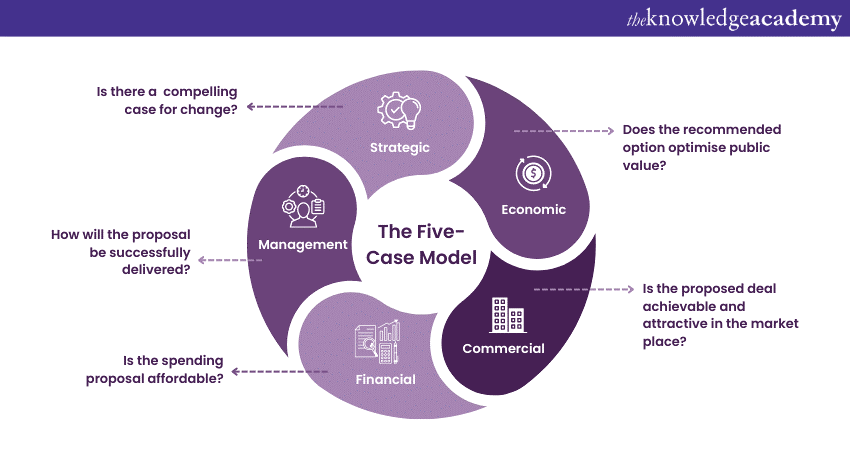
4. Financial Case – Focuses on affordability and sustainability, detailing funding sources, budget implications, and long-term commitments.
5. Management Case – Sets out governance, risk management, assurance arrangements, and delivery plans to demonstrate that the initiative is achievable.
The Five Case Model is particularly valuable for high-value or politically sensitive investments where public confidence and independent scrutiny are essential.
PMI’s Business Case Structure:
The Project Management Institute (PMI) presents the business case as a decision-enabling document that comes before the project charter. Its structure emphasizes clarity and conciseness, with a focus on evidence-based justification. This ensures that decision-makers receive essential information without unnecessary complexity.
Key features include:
• Clear articulation of organizational need.
• Explicit assumptions and constraints.
• A concise presentation of options, including the preferred solution.
• Alignment with strategic objectives at the portfolio level.
PMI’s structure is widely adopted in private sector and international contexts, where global comparability and standardized practices are highly valued.
PRINCE2:
Within the PRINCE2 methodology, the business case is regarded as the central governing document for project justification. It is treated as a living document, continually reviewed and updated throughout the project lifecycle. At each stage gate, the business case is reassessed to confirm its continued validity.
This iterative approach prevents organizations from falling into sunk-cost escalation, where investments continue despite a project no longer aligning with strategic goals or delivering expected value.
MoP and MSP:
The Management of Portfolios (MoP) and Managing Successful Programmes (MSP) frameworks extend the role of the business case beyond the level of individual projects, embedding them into wider governance structures:
• MoP: Business cases are assessed in the context of the overall portfolio. This ensures that decisions consider not just individual project value but also strategic contribution, interdependencies, and organizational capacity.
• MSP: Business cases sit at the core of program governance, with a focus on benefits realization. Rather than treating projects in isolation, MSP emphasizes how business cases collectively contribute to program-level outcomes.
A recurring theme across all frameworks is the distinction between viability and affordability. Although closely related, they answer different questions:
• Viability: Does the initiative deliver enough benefits, efficiencies, or strategic value to justify the investment?
• Affordability: Can the organization realistically finance the initiative without compromising other priorities?
For a business case to succeed, both must be demonstrated. A project may promise significant long-term value but still fail to secure approval if funding is unsustainable. Conversely, an affordable project with weak value may be rejected as a poor use of resources.
By applying recognized frameworks, organizations avoid ad hoc or personality-driven decision-making. Instead, they adopt systematic, evidence-based approaches that weigh strategic, economic, financial, and delivery perspectives. This not only strengthens the quality of business cases but also enhances the credibility of investment decisions in the eyes of executives, boards, regulators, and—where relevant—taxpayers or donors.

Financial Appraisal and Risk Integration
A business case must go beyond qualitative persuasion and provide quantitative evidence of value. Financial appraisal provides this evidence, offering a structured means to assess whether an initiative represents sound investment. Importantly, financial appraisal must not be presented in isolation; it should be closely integrated with risk analysis to ensure projections are credible, realistic, and decision-ready.
Cost-Benefit Analysis (CBA):
At the heart of most appraisals lies Cost-Benefit Analysis (CBA), which systematically compares the expected benefits of an initiative against its costs. Benefits are expressed in financial terms wherever possible, but intangible benefits—such as improved customer satisfaction, reputational enhancement, or regulatory compliance—should also be acknowledged, even if harder to monetize.
• Benefits may include increased revenues, efficiency savings, or reduced operational risks.
• Costs typically encompass capital expenditure, operational expenses, and opportunity costs (resources diverted from other initiatives).
The resulting ratio or net present value (NPV) provides decision-makers with a clear benchmark for value-for-money. However, a CBA is only as strong as its underlying assumptions, making transparency in calculations critical.
Sensitivity and Scenario Analysis:
Since forecasts inevitably rely on assumptions, it is essential to test how changes in those assumptions might affect the outcome. Sensitivity analysis isolates individual variables (such as interest rates, adoption rates, or implementation timelines) to explore their effect on financial outcomes. Scenario analysis goes further, modeling alternative futures such as best-case, worst-case, and most-likely scenarios.
This dual approach helps decision-makers understand not only the expected return but also the degree of volatility and uncertainty. It reduces the risk of over-optimism, a common pitfall in business cases, and strengthens confidence in the robustness of the proposal.
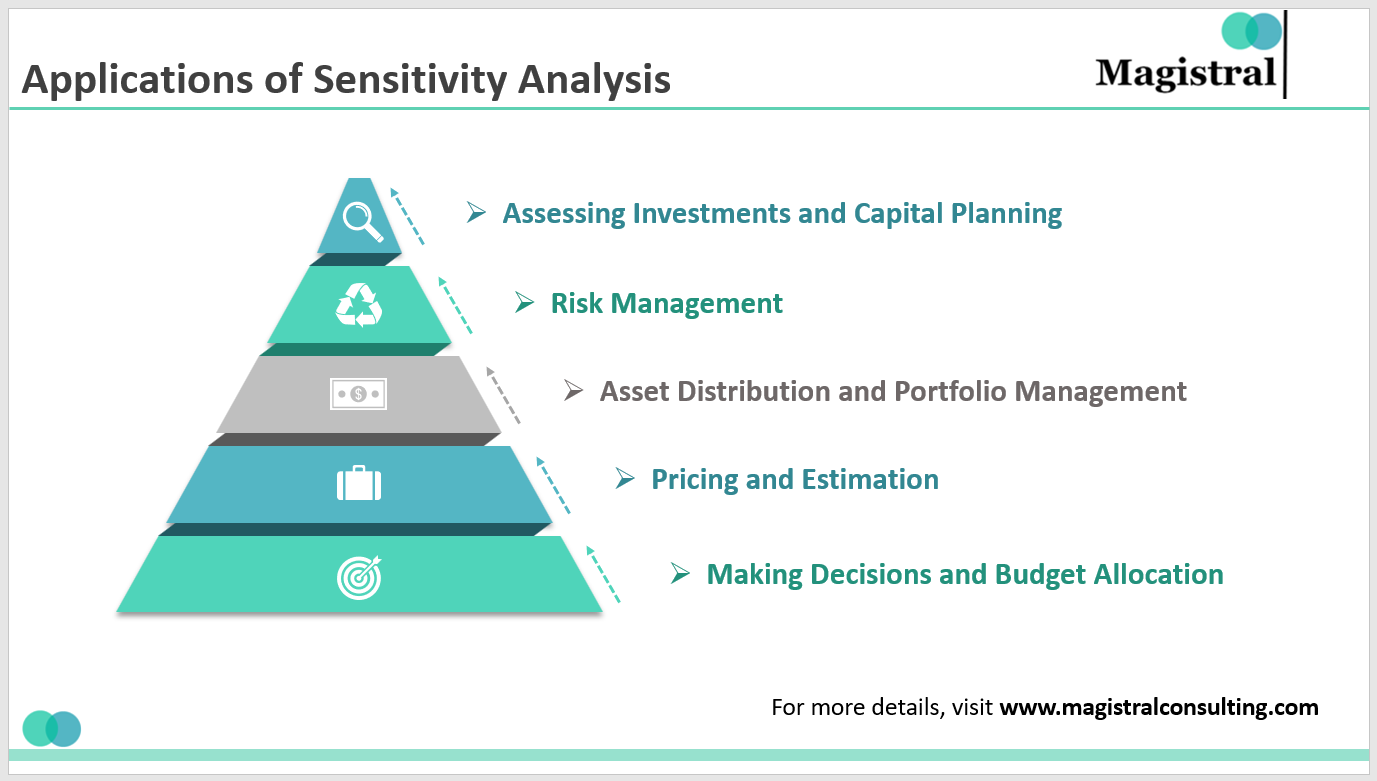
Risk-Adjusted Appraisals:
A sophisticated appraisal process explicitly integrates risk into financial projections. Rather than simply acknowledging risks qualitatively, risk-adjusted appraisals quantify their potential impact. This may involve:
• Applying probability weightings to benefits and costs.
• Discounting optimistic projections to account for delivery risks.
• Factoring in contingency reserves or risk premiums.
The result is a more realistic and balanced forecast that reassures reviewers the initiative has been stress-tested against potential setbacks. Integrating risk at this level elevates the business case from being a persuasive narrative to a rigorous decision-support tool.
Crucially, financial appraisal is not a one-off activity at the approval stage. It should be revisited at each gateway review or stage of delivery to confirm that benefits remain achievable, costs remain within tolerance, and risks remain manageable. This iterative integration ensures that the business case functions as a living governance instrument, anchoring delivery to its original promise while adapting to real-world conditions.

Tools and Practical Applications
Financial appraisal and risk analysis provide the theoretical backbone of a business case, but without practical tools and applications, even the strongest logic can be undermined by inconsistency, complexity, or lack of transparency. Organizations therefore rely on structured tools to standardize, simplify, and strengthen how business cases are developed, reviewed, and compared.
Business Case Templates:
Standardized business case templates create consistency across submissions, enabling decision-makers to compare initiatives on equal terms. Templates often include prompts for executive summaries, problem statements, option analysis, financial appraisal, and benefits realization plans. By embedding requirements directly into the format, templates ensure no critical element is overlooked. They also save time for practitioners, guiding them step by step through the development process.
For example, many public-sector organizations provide mandatory templates aligned with frameworks like the Five Case Model, ensuring every submission meets the same audit and transparency requirements. In the private sector, templates often emphasize ROI, market opportunity, and competitive positioning, reflecting different priorities.
Case Examples and Models:
Practical learning is reinforced when practitioners can see real or simulated examples of well-prepared business cases. For instance, side-by-side examples of a 3-Case Model (focusing on strategic, economic, and financial aspects) and a 5-Case Model highlight how depth and scope may vary depending on context. Reviewing past submissions—both successful and unsuccessful—can reveal valuable lessons on what strengthens credibility and what undermines trust.
Cost-Benefit Workbooks:
To support rigorous yet accessible financial analysis, organizations often use cost-benefit workbooks. These are pre-designed spreadsheets or digital tools that walk practitioners through the process of:
• Capturing costs, revenues, and benefits.
• Applying discount rates to account for time value of money.
• Testing different scenarios and sensitivities.
• Automatically calculating net present value (NPV), internal rate of return (IRR), and payback periods.
By standardizing calculations, these tools reduce errors and increase confidence in results, while also making financial appraisal more accessible to non-specialist stakeholders.
Evaluation Criteria and Scoring Sheets:
When multiple proposals are being reviewed simultaneously, evaluation criteria and scoring sheets provide structure and objectivity. They may assign weights to factors such as strategic alignment, financial return, risk exposure, and deliverability, ensuring decision-making is transparent and evidence-based.
For instance, a portfolio board may score each business case against a weighted benefits framework, prioritizing those with the strongest mix of financial return and strategic value. This prevents decision-making from being driven solely by politics or intuition, instead grounding it in quantitative and qualitative evidence.
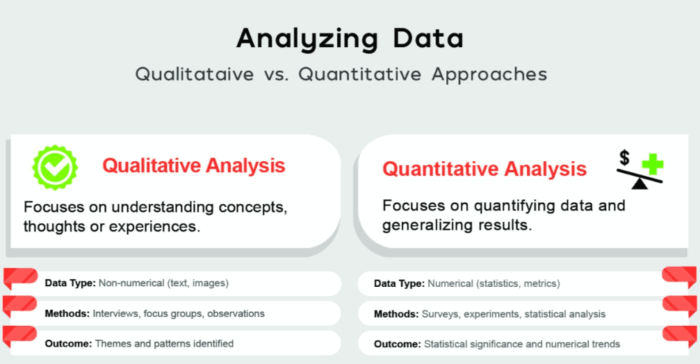
Once business cases are approved, dashboards and reporting systems provide ongoing visibility of financial and non-financial performance. These systems can track:
• Funding utilization versus budget.
• Benefits realized against projections.
• Key risks and their mitigations.
• Stage-gate approvals and status updates.
Dashboards make complex data digestible, enabling executives and governance boards to monitor progress in real time. By presenting financials, benefits, and risks in accessible visual formats, dashboards transform business case data into live management information, ensuring the original case remains a point of accountability throughout delivery.

Challenges and Pitfalls
Developing a compelling business case is as much about avoiding common missteps as it is about applying best practices. Poorly constructed or incomplete cases risk undermining credibility, delaying approval, or diverting resources toward initiatives that fail to deliver. At the same time, organizations that adopt structured approaches and embed governance discipline create stronger cases that inspire confidence and withstand scrutiny.
Several recurring pitfalls can weaken the strength of business cases if left unaddressed:
1. Ambiguous Problem Statements – Without a clearly defined issue or opportunity, a business case appears unfocused and unconvincing. Vague or overly broad problem definitions make it difficult to assess the relevance of proposed solutions.
2. Over-Optimism – Overstating potential benefits or underestimating costs in order to secure approval may create short-term wins, but it ultimately leads to delivery shortfalls and loss of trust.
3. Ignoring Non-Financial Benefits – Over-reliance on financial ROI risks marginalizing important social, cultural, environmental, or strategic impacts that also matter to stakeholders.
4. Weak Option Analysis – Presenting only a single “preferred” option, without considering alternatives or a “do nothing” baseline, creates the impression of bias and limits decision-makers’ confidence.
5. Fragmented Ownership – When finance, strategy, and delivery teams work in silos, cases lack the integrated perspective needed to reflect both financial and operational realities.
6. Failure to Update – Treating the business case as a one-off submission rather than a living document reduces its usefulness as conditions, assumptions, and risks evolve over time.
Left unmitigated, these pitfalls can result in initiatives that are approved on weak grounds, lack ongoing accountability, or fail to deliver expected outcomes.
Best Practices and Success Factors
To counter these risks, organizations can adopt proven practices that strengthen both the process and the product of business case development:
• Use Recognized Frameworks – Models such as the Five Case Model, PRINCE2, or PMI structures provide systematic formats that ensure completeness and comparability across cases.
• Present Balanced Options – Always include multiple scenarios, including a “do nothing” baseline, to support transparent decision-making and reduce perceptions of bias.
• Integrate Risk and Sensitivity Analysis – Testing assumptions through scenario planning and risk-adjusted forecasts demonstrates realism and reduces the likelihood of over-optimism.
• Emphasize Both Value and Affordability – Recognize that different stakeholders prioritize different dimensions: some may focus on return on investment, while others are more concerned with whether the initiative is financially sustainable within existing constraints.
• Treat the Case as a Living Document – Update and revisit the business case throughout delivery, particularly at stage-gates, to ensure continued alignment with strategy and context.
• Engage Stakeholders Early – Involving finance, strategy, delivery, and end users from the outset builds shared ownership, strengthens the evidence base, and increases buy-in.
• Ground in Evidence – Support claims with hard data, benchmarks, and lessons learned from past initiatives. This enhances credibility and provides a defensible basis for recommendations.
A well-constructed business case is the cornerstone of successful initiatives. By demonstrating how to present value in clear, quantifiable terms, this manual enables organizations to make informed decisions, prioritize effectively, and hold delivery to account for expected outcomes and benefits. More than a document, a compelling business case becomes a communication tool that unites stakeholders around a shared vision of value, providing assurance that investments are not only desirable but achievable, affordable, and strategically aligned.
Case Study: The UK National Health Service (NHS) Business Case for Digital Transformation
In the mid-2010s, the UK’s National Health Service (NHS) faced increasing pressure from rising patient demand, outdated IT infrastructure, and fragmented service delivery across regions. To address these challenges, the NHS developed a comprehensive business case for a large-scale digital transformation initiative known as the NHS Long-Term Plan, which included the rollout of electronic health records (EHRs) and investment in digital-first services such as online consultations.
Problem Statement::
The NHS identified the key issue as a growing mismatch between rising demand for healthcare services and limited resources, compounded by inefficiencies in paper-based or siloed systems. Without reform, projections showed unsustainable financial pressure and declining patient outcomes.
Options Analysis:
The business case outlined three pathways:
1. Do Nothing – Retain existing systems, leading to further inefficiencies and rising costs.
2. Incremental Upgrades – Local improvements to IT infrastructure without systemic change.
3. Comprehensive Digital Transformation – A fully integrated, long-term shift to digital-first care.
The third option was recommended based on long-term sustainability and alignment with strategic healthcare objectives.
Financial Appraisal:
The business case integrated cost-benefit analysis, including capital investment in IT systems, training, and cybersecurity, against projected savings from reduced administrative burdens, improved patient outcomes, and more efficient use of staff resources. It emphasized both financial viability (long-term savings and productivity gains) and affordability (staged funding through government allocations and phased rollouts).
Risk and Mitigation:
Risks included technology adoption barriers, staff resistance, and data security concerns. Mitigation strategies included phased rollouts, extensive stakeholder engagement, and enhanced cybersecurity protocols.
Benefits Realization:
The business case defined measurable outcomes such as:
• Reduced waiting times through digital triage.
• Lower administrative costs via centralized systems.
• Improved patient safety through accurate, accessible digital records.
The business case secured government approval and funding, becoming a cornerstone of the NHS Long-Term Plan. While implementation challenges remain, the structured and transparent nature of the business case allowed the NHS to gain political support, secure funding, and drive large-scale system reform.
Exercise 5.4: Designing a Business Case

Course Manual 5: Financial Appraisal and Cost-Benefit Analysis
Financial appraisal is one of the cornerstones of responsible investment decision-making. In environments where resources are finite and competing priorities are many, the ability to evaluate options rigorously determines whether organizations thrive, stagnate, or fail. A well-executed financial appraisal not only informs resource allocation but also signals to stakeholders that decisions are grounded in evidence, discipline, and strategic foresight.
Importantly, financial appraisal goes beyond technical calculations. It acts as a decision-support mechanism that underpins organizational credibility, demonstrates accountability, and provides assurance that investments will deliver measurable value. When conducted properly, it strengthens governance, increases transparency, and reduces the influence of intuition, personal bias, or political pressure in high-stakes decisions.
This manual explores the principal methodologies used in financial appraisal, including cost-benefit analysis (CBA), net present value (NPV), internal rate of return (IRR), and sensitivity testing. Each method offers a different lens for assessing financial implications—whether measuring value for money, evaluating long-term returns, or stress-testing assumptions under varying conditions. Together, these techniques provide a comprehensive toolkit for decision-makers tasked with balancing opportunity against risk.
Beyond the mechanics of calculation, the manual emphasizes the importance of context. Financial appraisal is not an isolated activity but one embedded in the wider investment lifecycle. It informs the creation of business cases, strengthens funding submissions, and provides boards, executives, and stakeholders with the assurance that initiatives are viable, affordable, and aligned with strategic priorities. It also plays a crucial role in comparing alternatives, weighing trade-offs, and prioritizing initiatives within portfolios and programs.
By mastering these techniques, practitioners are better positioned to design investment options that are both viable and defensible. More than a mathematical exercise, financial appraisal becomes a powerful enabler of organizational confidence, ensuring that investment choices are resilient under scrutiny and capable of delivering genuine value in practice.
The Role of Financial Appraisal
Financial appraisal is more than a technical exercise in crunching numbers—it is the foundation of sound investment governance. At its core, financial appraisal translates complex proposals into a structured, evidence-based narrative that enables organizations to make rational, transparent, and defensible decisions. By comparing expected benefits against anticipated costs, it provides a systematic lens through which proposals can be assessed, alternatives weighed, and trade-offs made. This process anchors investment decisions in objectivity and discipline, reducing the risk of decisions being swayed by short-term pressures, organizational politics, or untested assumptions.
The importance of financial appraisal can be understood across several dimensions:
1. Justification:
Financial appraisal demonstrates that a proposal is not only desirable but also represents the most effective use of scarce resources. By quantifying costs and projecting measurable benefits, appraisal exercises ensure that every initiative can withstand scrutiny. It highlights whether an investment delivers tangible value-for-money compared to other opportunities or against the “do nothing” baseline. This justification role is particularly vital when initiatives compete for limited funds, requiring robust evidence to differentiate between options.
2. Decision Support:
Beyond justification, financial appraisal provides decision-makers with structured, comparable criteria for evaluating investment choices. Techniques such as Net Present Value (NPV), Internal Rate of Return (IRR), and Payback Period create a shared language for comparing options on consistent terms. This objectivity reduces reliance on intuition or personal judgment and instead channels decisions through rigorous, quantifiable measures. By standardizing how alternatives are assessed, appraisal enables boards, executives, and portfolio managers to make well-informed, defensible decisions.
3. Governance:
Financial appraisal also serves as a cornerstone of governance, reinforcing accountability in resource allocation. Transparent appraisal processes give stakeholders confidence that investment decisions follow recognized standards such as the UK Treasury Green Book, the Project Management Institute’s financial appraisal guidelines, or other sectoral frameworks. In both public and private settings, such governance ensures that funds are allocated responsibly, decisions are auditable, and organizations remain accountable to shareholders, regulators, or taxpayers.
4. Risk Management:
Sound financial appraisals are not limited to forecasting positive outcomes; they also serve as critical risk management tools. By testing assumptions, running sensitivity analyses, and modeling worst-case scenarios, appraisals highlight potential vulnerabilities and prepare organizations for uncertainty. This risk lens helps prevent the common pitfall of over-optimistic projections and equips decision-makers with the foresight to plan mitigations. Incorporating uncertainty into models strengthens resilience and helps organizations pursue investments that remain viable under a range of conditions.
5. Communication and Confidence-Building:
Perhaps most importantly, financial appraisals are communication tools as much as analytical exercises. They translate complex models into accessible insights that can be understood by diverse stakeholders, from technical specialists to executive sponsors. A robust appraisal does not merely present numbers—it tells a story of value creation, feasibility, and responsible stewardship of resources. By building confidence and trust, financial appraisals lay the groundwork for stakeholder buy-in and provide a measurable baseline against which progress and delivery can later be evaluated.
In this way, financial appraisal extends well beyond financial modeling. It operates at the intersection of governance, accountability, and strategic decision-making, ensuring that investment choices are not only financially viable but also transparent, defensible, and aligned with organizational priorities. Ultimately, strong financial appraisal strengthens the credibility of the entire investment lifecycle, shaping decisions that deliver genuine and lasting value.
Core Methodologies in Financial Appraisal
Financial appraisal relies on a set of tried-and-tested methodologies that allow organizations to move beyond intuition and assess proposals through measurable, defensible criteria. These methods are not mutually exclusive; rather, they complement one another, offering different perspectives on the financial performance, viability, and resilience of an investment. Used together, they create a multi-dimensional picture of potential value.
Cost-Benefit Analysis (CBA):
CBA is often the starting point of financial appraisal because it frames the simplest but most fundamental question: do the benefits outweigh the costs? By monetizing expected benefits and comparing them to total costs, CBA offers a clear measure of value-for-money. In public sector contexts, this analysis is broadened to incorporate non-financial outcomes—such as social, cultural, or environmental benefits—that may not easily translate into financial figures but are nonetheless critical for accountability. Sensitivity analysis is often layered onto CBA to test assumptions, ensuring that the case remains valid even if benefits are delayed or costs escalate.
Net Present Value (NPV):
NPV extends CBA by recognizing that money today is worth more than money tomorrow. By discounting future cash inflows and outflows back to their present value, NPV provides a single figure that captures whether an initiative creates or erodes value. A positive NPV indicates that a project is expected to generate more value than it consumes, once the time value of money and opportunity costs are considered. This makes NPV one of the most widely trusted measures for long-term investments, especially in industries where cash flows span multiple years.
Internal Rate of Return (IRR):
IRR expresses the return on investment as a percentage, providing a common language for comparing projects of different sizes and lifespans. It identifies the discount rate at which NPV equals zero, effectively answering the question: what is the rate of return at which this project breaks even? While IRR is useful for quick comparisons, it must be interpreted carefully, as projects with unconventional cash flow patterns can produce misleading or multiple IRRs.
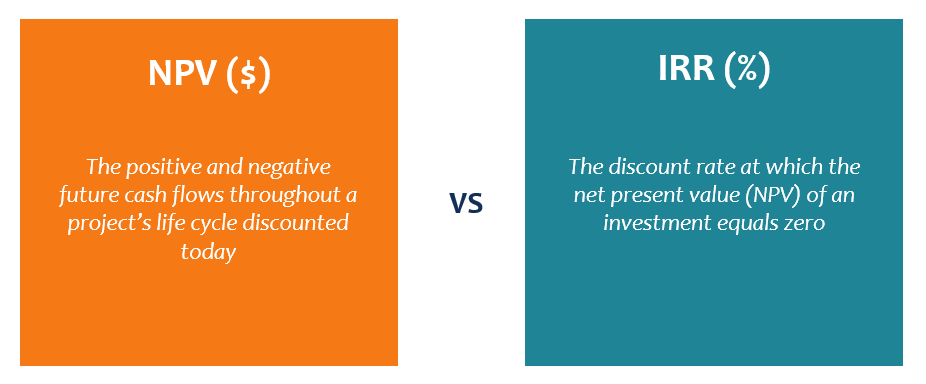
Payback Period:
The payback period calculates how long it will take to recover the initial investment from net positive cash flows. Its simplicity makes it a popular tool in organizations with limited risk appetite or short-term financial pressures. However, because it does not account for the time value of money, or for benefits that accrue beyond the payback point, it is best used as a complementary indicator rather than a standalone decision metric.
Discounted Cash Flow (DCF):
DCF provides a structured framework for valuing initiatives by projecting future cash flows and discounting them using an appropriate rate. It integrates key factors such as inflation, risk adjustments, and opportunity costs, offering a more holistic measure of financial performance. DCF is particularly useful in scenarios with long-term investments or when cash flows are uncertain, as it enables organizations to model a range of scenarios and stress-test assumptions.
Together, these methodologies form a comprehensive appraisal toolkit. They allow organizations to evaluate not only the financial viability of proposals but also their economic sustainability, balancing short-term affordability with long-term value creation. The choice of method often depends on the nature of the initiative, the sector in which it operates, and the priorities of decision-makers. In practice, robust financial appraisal often applies multiple methods in combination, ensuring that proposals are resilient to different perspectives and consistent with organizational strategy.
Frameworks and Standards
While methodologies such as CBA, NPV, and IRR provide the tools for financial appraisal, recognized frameworks and standards offer the rules of the game—ensuring that these tools are applied consistently, transparently, and in ways that stand up to scrutiny. Frameworks act as the reference point for decision-makers, auditors, and stakeholders, creating confidence that appraisals are not arbitrary but grounded in widely accepted practices.
Treasury Green Book (UK): The UK Treasury’s Green Book is one of the most comprehensive and influential guides to financial appraisal and option evaluation. It sets out a structured approach for assessing policies, projects, and programs through techniques such as CBA, NPV, and sensitivity analysis. A key strength of the Green Book lies in its emphasis on transparency and comparability, requiring decision-makers to present assumptions, risks, and trade-offs in ways that can be independently validated. This not only enhances accountability for public money but also provides a blueprint that many private and not-for-profit organizations adopt to bring greater rigor to their investment decisions.
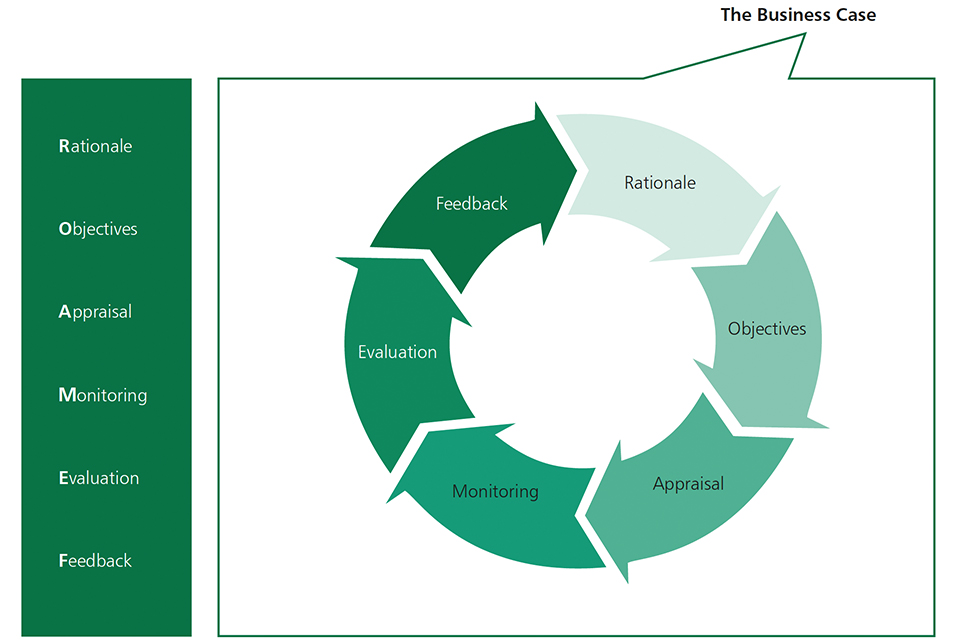
ISO 15686 and PMI Standards: While the Green Book has a strong public sector orientation, international standards such as ISO 15686 and the Project Management Institute (PMI) standards extend financial appraisal into broader contexts. ISO 15686 emphasizes life-cycle costing, ensuring that investment appraisals consider both immediate expenditures and long-term maintenance, operating, and replacement costs. This prevents organizations from being misled by low upfront costs that mask expensive downstream commitments. PMI’s standards, meanwhile, stress the importance of return on investment (ROI) and the integration of financial analysis into project selection and governance processes. Together, these standards provide global benchmarks for consistency, allowing organizations to compare opportunities across sectors and geographies with confidence.
P3M3 Value Management Processes: The Portfolio, Programme, and Project Management Maturity Model (P3M3) adds another dimension by embedding financial appraisal within organizational maturity. Its value management processes ensure that investment decisions are not assessed in isolation but are aligned with the broader strategic value drivers of the organization. For example, a project with a strong NPV may still be deprioritized if it does not support the strategic direction of the portfolio, or if resource constraints limit its feasibility. By linking appraisal to maturity models, P3M3 encourages organizations to not only improve individual investment cases but also to strengthen the systematic capability of their decision-making processes over time.
Adopting recognized frameworks and standards offers several practical benefits. First, it provides credibility, reassuring stakeholders that investment decisions are guided by established best practices rather than personal preference or organizational politics. Second, it promotes comparability, enabling different proposals to be assessed against a common baseline, which is particularly valuable when managing large portfolios or competing bids for limited funds. Finally, it reinforces defensibility, equipping organizations to withstand external audits, regulatory reviews, or shareholder scrutiny.
By applying these standards, financial appraisal becomes more than a technical calculation—it becomes part of a transparent, repeatable, and strategically aligned decision-making process that ensures resources are allocated to initiatives with the greatest potential to deliver sustainable value.

Practical Tools and Applications
While frameworks and methodologies provide the theoretical backbone of financial appraisal, organizations also rely on practical tools that translate these methods into decision-ready outputs. These tools transform abstract calculations into structured evidence, reducing complexity and making financial results accessible to both technical experts and non-specialist stakeholders. Their value lies in ensuring that appraisals are not just technically correct but also transparent, comparable, and actionable.
Cost-Benefit Calculators: Standardized calculators help ensure consistency across projects and portfolios by applying common assumptions, discount rates, and evaluation criteria. They simplify the process of quantifying costs and benefits while reducing the risk of manipulation or selective reporting. For organizations managing multiple initiatives simultaneously, these calculators enable direct comparison and help decision-makers prioritize projects that deliver the strongest value-for-money outcomes.
Discounted Cash Flow (DCF) Models: For long-term investments, particularly those with variable cash inflows and outflows, discounted cash flow models provide a structured way to evaluate financial sustainability. By incorporating discount rates, opportunity costs, and inflation, DCF models give a more realistic view of an investment’s value over time. They are especially useful for capital-intensive initiatives such as infrastructure projects, technology upgrades, or large-scale transformations where financial benefits unfold gradually.
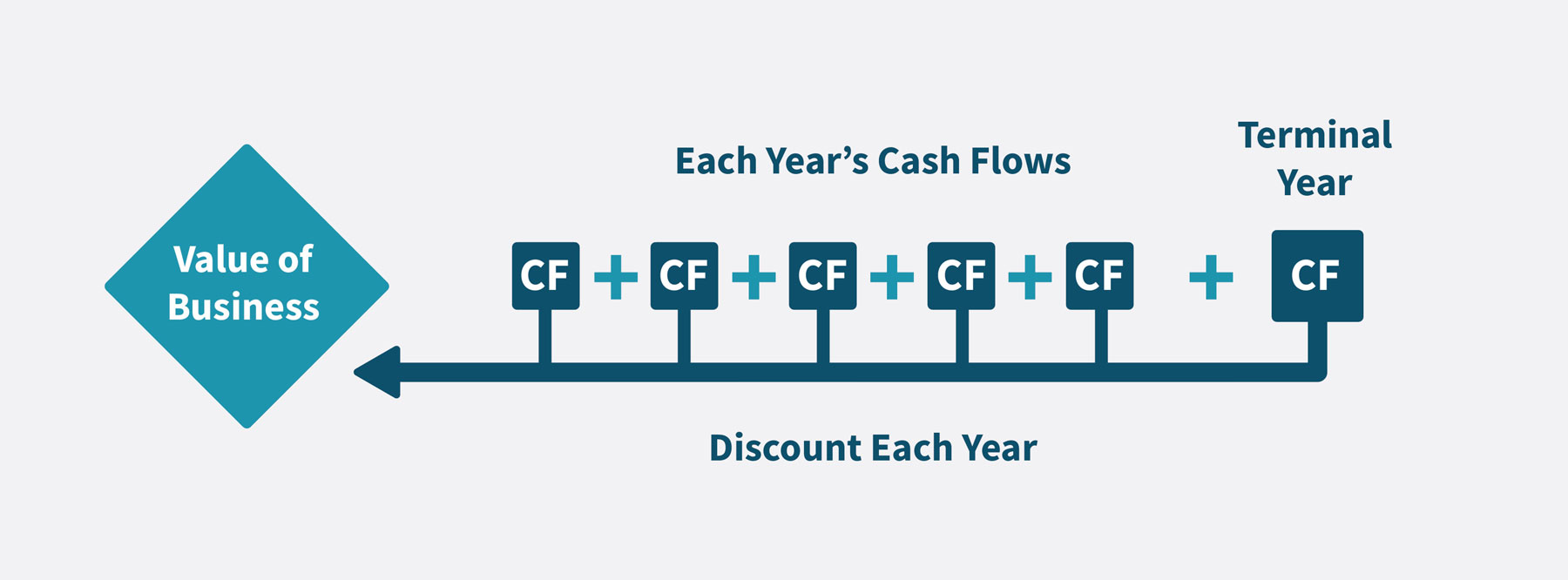
Scenario Testing Tools: Financial appraisals are often vulnerable to uncertainty, and scenario testing tools mitigate this risk by exploring best-case, worst-case, and most-likely outcomes. This provides decision-makers with a range of possible results rather than a single “point estimate,” reducing the danger of over-optimism. Scenario analysis also supports risk-adjusted appraisals, showing how sensitive an investment is to changes in assumptions such as interest rates, demand projections, or implementation timelines.
Dashboards: Modern dashboards translate financial results into visual insights, helping stakeholders grasp key figures quickly and intuitively. Dashboards can display metrics such as NPV, IRR, payback periods, and sensitivity ranges in user-friendly formats, often accompanied by color-coded indicators that highlight risks or performance thresholds. Beyond facilitating board-level decisions, dashboards also serve as ongoing monitoring tools, allowing organizations to track whether benefits are being realized as projected.
Integrating Tools into Decision-Making: When used together, these tools bring rigor and clarity to financial appraisal. A cost-benefit calculator may provide the baseline analysis, a DCF model refines the view of long-term value, scenario testing highlights risks, and dashboards synthesize the results into an accessible format for stakeholders. This integration ensures that financial appraisal outputs are not isolated calculations but part of a systematic decision-support process.
By embedding such tools into their appraisal practices, organizations strengthen both the credibility of their business cases and the confidence of decision-makers, creating an environment where investment choices are transparent, defensible, and aligned with long-term value creation.
Challenges and Pitfalls
Despite the importance of financial appraisal, many organizations encounter recurring challenges that undermine the credibility and usefulness of their evaluations. These pitfalls often stem from a combination of pressures to secure funding, limited analytical capacity, and inadequate governance, resulting in appraisals that look strong on paper but fail to withstand scrutiny during delivery. Understanding these risks is essential for building processes that are transparent, evidence-based, and resilient.
Over-Optimism: One of the most pervasive pitfalls is the tendency to inflate benefits or underestimate costs in order to make a project appear more attractive. Whether deliberate or unconscious, this optimism bias can damage organizational credibility when promised returns fail to materialize. Over-optimism also skews prioritization, diverting resources away from initiatives that may deliver more realistic, sustainable value.
Ignoring Non-Financial Benefits: Financial metrics such as NPV and IRR are vital, but focusing on them alone risks marginalizing social, cultural, environmental, or strategic benefits. For example, projects that improve employee engagement, strengthen brand reputation, or contribute to sustainability goals may offer transformative long-term value, even if their immediate financial returns are modest. Excluding such dimensions narrows the evaluation lens and may result in short-sighted decision-making.
Weak Assumptions: The reliability of financial appraisal is only as strong as the assumptions that underpin it. Using poorly evidenced forecasts—such as inflated demand projections, unrealistic cost estimates, or overly stable discount rates—produces outputs that misrepresent reality. Weak assumptions also make it difficult to defend the appraisal under scrutiny, undermining trust from executives, boards, or external stakeholders.
Complexity Without Clarity: Financial appraisal methodologies can become highly technical, particularly when involving discounted cash flows, scenario analysis, or sensitivity testing. While rigor is important, overly complex presentations risk alienating non-financial stakeholders such as executives, program sponsors, or board members who may lack deep financial expertise. When clarity is sacrificed for technicality, decision-making slows, and confidence in the analysis diminishes.
Short-Termism: Another common pitfall is prioritizing projects that deliver rapid payback while undervaluing those that generate benefits over longer horizons. This bias towards “quick wins” can lead organizations to underinvest in innovation, infrastructure, or capability-building projects that are critical for long-term competitiveness and resilience. Over time, short-termism creates a cycle of underperformance and missed opportunities.
Lack of Sensitivity Testing: Finally, failing to test financial appraisals against different scenarios or downside risks leaves organizations unprepared for volatility. Without sensitivity analysis, investment cases appear fragile when external conditions shift—such as interest rate changes, supply chain shocks, or demand fluctuations. This lack of robustness erodes stakeholder confidence and exposes organizations to avoidable financial and reputational risks.
These challenges underscore the need for financial appraisal to go beyond technical compliance and become a credible, transparent, and evidence-based practice. By addressing optimism bias, broadening the scope to include non-financial benefits, strengthening assumptions, simplifying communication, balancing short- and long-term perspectives, and embedding sensitivity testing, organizations create appraisals that not only withstand scrutiny but also guide more resilient and strategic investment choices.
Best Practices and Success Factors
Strong financial appraisals are not only technical exercises—they are strategic enablers that build confidence, justify resource allocation, and guide long-term value creation. To overcome common pitfalls and elevate appraisal quality, organizations must adopt practices that emphasize evidence, transparency, and alignment with both financial and strategic goals.
Ground in Evidence: The credibility of any financial appraisal depends on the quality of its inputs. Using verified data, realistic benchmarks, and industry standards ensures that forecasts are defensible under scrutiny. Evidence-based assumptions reduce optimism bias, increase stakeholder trust, and provide a solid foundation for investment decisions. For example, referencing historical performance data or industry cost benchmarks strengthens confidence in both cost and benefit projections.
Balance Financial and Non-Financial Value: While financial returns are critical, robust appraisals also capture the broader spectrum of value an initiative delivers. This includes social, cultural, and environmental benefits, as well as contributions to strategic priorities such as innovation or market positioning. Recognizing non-financial value prevents short-termism and ensures investments are aligned with long-term organizational goals and societal expectations.
Apply Multiple Methods: No single financial metric can provide a complete picture. Using Net Present Value (NPV), Internal Rate of Return (IRR), Payback Period, and Discounted Cash Flow (DCF) together offers a more comprehensive perspective. For instance, while IRR highlights percentage returns, NPV shows the absolute value generated, and Payback illustrates liquidity impacts. This triangulation strengthens decision-making and mitigates the weaknesses of relying on one measure alone.
Integrate Sensitivity Testing: Sensitivity and scenario analysis provide essential safeguards against over-confidence in financial models. By stress-testing assumptions under different conditions—such as inflation shocks, market downturns, or demand variability—organizations can anticipate risks and prepare mitigation strategies. This not only strengthens resilience but also reassures decision-makers that proposals are robust under uncertainty.
Communicate Clearly Even the most sophisticated appraisal is ineffective if stakeholders cannot understand it. Clear communication—using dashboards, charts, and visualizations—translates complex financial outputs into accessible insights. Tailoring communication to non-financial stakeholders, such as executives or program sponsors, ensures that appraisal findings inform strategy and governance rather than remaining confined to technical specialists.
Embed in Governance: Financial appraisals must not be treated as static, one-off exercises. Linking appraisal outputs to gateway reviews, portfolio oversight, and ongoing performance monitoring ensures that decisions remain valid as conditions evolve. Treating appraisals as “living instruments” enhances accountability, keeps delivery aligned with expectations, and allows for course corrections where necessary.
By grounding appraisals in evidence, balancing financial and broader benefits, applying multiple methods, testing assumptions, communicating effectively, and embedding outputs into governance, financial appraisals become more than spreadsheets—they become strategic tools that safeguard investment decisions and enable sustainable value creation.
Financial appraisals are essential to credible investment decision-making. By mastering methodologies such as CBA, NPV, IRR, and sensitivity testing, practitioners can provide robust evidence of value-for-money, manage risk transparently, and support effective governance. When communicated clearly, financial appraisals build confidence among executives, investors, and stakeholders, ensuring resources are directed toward initiatives that deliver lasting value.
With the ability to perform structured financial appraisals, participants will enhance the credibility of their proposals and strengthen their organization’s investment governance. This manual ensures that participants fully understand and appreciate how financial decisions are evidence-based and aligned to measurable returns, increasing the likelihood of delivering true value. Financial appraisal techniques also provide a defensible basis for comparing options, ensuring that organizations avoid bias or short-termism and instead focus on long-term impact, resilience, and sustained benefits.
Case Study: Toyota’s Investment in Hybrid Technology
In the late 1990s, Toyota faced skepticism when proposing large-scale investment into hybrid vehicle technology, which eventually produced the Toyota Prius. A full financial appraisal was conducted, balancing high upfront R&D costs against long-term economic and strategic returns.
Using cost-benefit analysis, Toyota factored in not just direct financial returns from vehicle sales but also wider strategic benefits such as brand differentiation, anticipated regulatory shifts on emissions, and future fuel cost savings for customers. Net Present Value (NPV) projections indicated profitability in the long term, even though the initial years required patience due to high development costs.
Risk-adjusted financial models incorporated uncertainty around consumer adoption rates and potential technology failures. Toyota also ran sensitivity analyses to test market scenarios—ranging from low adoption to mass-market acceptance. These exercises helped secure executive approval by demonstrating that, even under conservative forecasts, the project was economically viable.
The outcome validated the appraisal. The Prius became a global success, giving Toyota a significant competitive advantage, strengthening its reputation as an innovator, and paving the way for subsequent hybrid and electric models.
This case underscores how rigorous financial appraisal methods—NPV, IRR, CBA, and scenario testing—can guide investment in innovation-heavy, uncertain markets while ensuring credibility with stakeholders.
Exercise 5.5: Conducting a Cost-Benefit Analysis

Course Manual 6: Integrating Risk, Contingency and Financial Controls
Financial planning sits at the heart of effective initiative delivery, but it is never a neutral or purely technical process. Every forecast is built on assumptions about costs, benefits, resources, and market conditions, while every budget reflects the tension between ambition and realism. In practice, the reality of delivery is rarely straightforward: unexpected risks, external shocks, and hidden uncertainties often emerge, threatening timelines, cost projections, and anticipated benefits. Organizations that fail to anticipate these challenges find themselves reacting to crises rather than managing them, leading to overruns, delays, and a loss of stakeholder confidence.
To address this, risk, contingency, and financial controls must be embedded into the financial planning process from the outset. Risk awareness ensures that potential cost drivers—such as inflation, regulatory shifts, or supply chain vulnerabilities—are identified early and translated into measurable financial terms. Contingency planning provides the flexibility to absorb these shocks, with carefully calibrated reserves or phased funding structures that allow delivery to continue even when conditions change. Financial controls act as the governance backbone, ensuring that resources are monitored, variances are detected, and corrective actions are taken promptly to protect value.
This manual explores how these three dimensions work together to create resilient financial systems that withstand uncertainty while still enabling progress. It examines how risk can be quantified and integrated into budgets, how contingencies can be right-sized and managed transparently, and how control mechanisms such as assurance and audit provide independent oversight. By treating risk and contingency not as afterthoughts but as integral features of financial governance, organizations can shift from reactive firefighting to proactive resilience-building. Ultimately, the integration of risk, contingency, and financial controls ensures that initiatives remain financially credible, strategically aligned, and capable of delivering sustained value throughout their lifecycle.

The Role of Risk and Contingency in Financial Planning
Risk and contingency are not peripheral considerations in financial planning; they are central to the credibility, robustness, and sustainability of any investment decision. A financial plan that overlooks uncertainty creates a fragile foundation, leaving initiatives vulnerable to overruns, delays, and the erosion of stakeholder confidence. By contrast, the deliberate integration of risk and contingency transforms financial planning from a static projection into a dynamic management tool—one capable of withstanding volatility, adjusting to unforeseen events, and protecting long-term value creation.
The process begins with risk identification, which involves systematically scanning for potential financial threats that could derail delivery. These risks might stem from external sources such as inflationary pressures, exchange rate fluctuations, supply chain disruption, or regulatory changes. They may also originate internally, through issues like scope creep, resource bottlenecks, or unrealistic delivery timelines. Identifying risks early ensures they are not overlooked or ignored but instead acknowledged, logged, and addressed in financial forecasts before they become unmanageable crises.
Once risks are identified, the next step is quantification. Risks must be translated into measurable financial terms by assessing both their likelihood and their potential impact. This step converts abstract concerns into tangible figures that can be incorporated into models and forecasts. Quantification allows planners to prioritize risks by exposure, compare their implications across initiatives, and develop strategies grounded in defensible evidence rather than subjective judgment. Without this translation, risk remains a vague concept rather than an actionable input into financial decision-making.
A credible plan also incorporates contingency planning to absorb shocks without undermining delivery. Contingency may take the form of dedicated reserves set aside to address unexpected costs, phased funding mechanisms linked to milestones, or flexible contractual arrangements with suppliers. The principle is to provide financial headroom so that when risks materialize, they can be managed within the approved financial framework, avoiding disruptive requests for emergency funding or reductions in scope. Well-designed contingencies act as a buffer that enables stability and continuity even under changing circumstances.

Finally, strong governance and control are essential to ensure that risk-adjusted plans remain effective throughout the initiative lifecycle. Oversight mechanisms—such as gateway reviews, independent assurance, and internal audits—validate the accuracy of assumptions and protect against misuse of contingency funds. Regular reporting against risk-adjusted baselines reinforces accountability, highlights variances early, and allows corrective action to be taken before risks escalate into full-scale financial crises.
By embedding risk and contingency into financial planning, organizations shift from reactive firefighting to proactive resilience-building. This approach not only safeguards investment value but also enhances transparency, credibility, and stakeholder trust. It demonstrates that financial governance is not naïvely optimistic, but instead fully prepared to anticipate, manage, and adapt to the realities of uncertainty.
Frameworks and Models
Integrating risk, contingency, and financial controls into planning requires more than technical adjustments to spreadsheets—it depends on structured frameworks that provide both methodological rigor and organizational discipline. Frameworks provide the structure for embedding consistency, comparability, and credibility into financial processes, ensuring that risk integration is not ad hoc but systematic. Several widely recognized models support this integration, each offering distinct but complementary perspectives on how organizations can strengthen resilience and improve governance.
Monte Carlo Simulation:
One of the most widely used techniques is Risk-Adjusted Forecasting through Monte Carlo Simulation. Unlike single-point estimates, which suggest a misleading level of certainty, Monte Carlo simulation incorporates probability distributions into financial models. Key variables such as material costs, exchange rates, or delivery times are expressed as ranges rather than fixed figures. The model then runs thousands of simulations, producing a spectrum of possible outcomes that reveal not only the most likely forecast but also the extremes at either end of the risk profile.
This approach allows organizations to quantify the likelihood of cost overruns, highlight low-probability but high-impact risks, and determine the appropriate level of contingency reserves. By moving financial planning away from “best guess” assumptions and toward probability-based decision-making, Monte Carlo analysis equips leaders with a more realistic view of uncertainty.
P3M3:
Another influential perspective is provided by the Portfolio, Programme, and Project Management Maturity Model (P3M3). This framework assesses how mature an organization is in managing risks across its portfolio of initiatives. At lower levels of maturity, risk management is often reactive, fragmented, and inconsistently applied, making financial controls unreliable.
At higher maturity levels, however, organizations embed risk processes into every stage of planning and delivery, with standardized methods for quantification, monitoring, and reporting. In such cases, financial risk is treated as a systemic element of governance rather than an afterthought. The maturity lens provided by P3M3 highlights that effective risk integration is not just about adopting tools—it is about capability, culture, and the consistency of practice across the organization.
ISO 31000:
A further benchmark comes from ISO 31000, which sets out globally recognized principles for risk management that can be directly applied to financial planning and control. ISO 31000 emphasizes systematic identification, evaluation, and monitoring of risks, coupled with continual improvement and stakeholder engagement. Within financial contexts, this means embedding risk assessment into budgeting cycles, ensuring that risk registers inform cost forecasts, and treating contingency as a structured governance mechanism rather than discretionary padding. Aligning financial planning with ISO 31000 not only improves auditability but also strengthens confidence among stakeholders that financial cases are built on credible, transparent assumptions.
When considered together, these frameworks provide a comprehensive basis for integrating risk and contingency into financial governance. Monte Carlo offers quantitative precision, P3M3 focuses on organizational maturity and cultural embedding, and ISO 31000 reinforces systematic governance and accountability. Collectively, they demonstrate that effective financial resilience requires both technical and cultural dimensions. It is not sufficient to simply run simulations or allocate reserves; organizations must also build maturity, adopt transparent governance, and commit to continuous improvement if they are to sustain resilience and protect value over time.
Practical Tools and Applications
Integrating risk and contingency into financial planning is most effective when supported by practical tools that standardize processes and create transparency. These tools transform risk management from subjective judgment into evidence-based practice, helping organizations avoid common blind spots and embed consistency across projects and programs.
Risk-Cost Matrix Templates:
Risk-cost matrices provide a structured way to assess and prioritize financial risks by plotting the likelihood of occurrence against the potential cost impact. This simple yet powerful tool allows financial teams to distinguish between high-impact risks that require proactive contingencies and lower-level risks that can be monitored or tolerated. By categorizing risks visually, it supports clear communication with stakeholders and makes decision-making less reliant on intuition. Well-designed templates can also link directly to budget lines, ensuring that identified risks are explicitly connected to financial provisions.
Risk-Adjusted Budget Models:
Traditional budgets often assume that planned costs will hold true under ideal conditions, but in reality, projects face variability. Risk-adjusted budget models incorporate probability factors into cost estimates, building in allowances for potential overruns or delays. For example, if supplier prices are volatile, models can include a range of scenarios with associated probabilities, ensuring funding allocations reflect not just expected costs but also credible downside risks. This approach prevents overly optimistic financial planning and ensures that resources are allocated in proportion to exposure, thereby enhancing resilience.
Lessons Learned Databases:
Experience is a powerful teacher, but without mechanisms to capture and share it, organizations often repeat past mistakes. Lessons learned databases formalize this process by recording causes of historical cost overruns, such as underestimated inflation, misjudged project scope, or supplier performance failures. By consulting these repositories during new financial planning exercises, teams can apply corrective insights and strengthen estimates. Beyond preventing error repetition, these databases create a culture of institutional learning, embedding continuous improvement into financial governance.
Assurance and Audit Processes:
While proactive planning is essential, independent oversight ensures that financial and risk practices meet established standards. Assurance processes provide real-time reviews of financial models, contingency allocations, and risk treatment strategies during planning and delivery, offering confidence to decision-makers before significant commitments are made. Audits, by contrast, occur after the fact, verifying compliance with frameworks such as ISO 31000 or organizational governance standards. Together, assurance and audit create a feedback loop: assurance drives course correction in real time, while audits provide accountability and lessons for future cycles. Both mechanisms are critical for maintaining credibility, transparency, and trust with stakeholders, especially in environments subject to regulatory or public scrutiny.

Used in combination, these tools create a robust system for embedding risk and contingency into financial planning. Risk-cost matrices prioritize threats, risk-adjusted budgets operationalize them, lessons learned databases prevent recurrence of mistakes, and assurance and audits enforce discipline. The result is a consistent, transparent, and defensible approach to managing uncertainty, ensuring that financial resilience is not left to chance but systematically designed into the investment process.
Challenges and Pitfalls
While frameworks, models, and tools provide robust structures for integrating financial risk and contingency into planning, the effectiveness of these measures often depends on how they are applied.
Several recurring challenges and pitfalls undermine financial governance if not addressed systematically:
1. Underestimating Uncertainty: A common issue is building budgets with excessive optimism, assuming costs and timelines will follow the “best-case scenario.” External pressures such as inflation, exchange rate fluctuations, or supplier shortages introduce variability that static estimates fail to capture. When this uncertainty is overlooked, even small variances can compound into major overruns. Realistic appraisals must account for probability ranges, not just point estimates.
2. Token Contingency Funds: Organizations often allocate a flat contingency percentage—such as 5% or 10% of project costs—without linking it to a proper risk assessment. These arbitrary buffers may be insufficient to address real risks or, conversely, so excessive that they distort resource allocation. Worse, contingency funds without clear governance can be treated as “hidden reserves,” encouraging scope creep rather than disciplined risk management.
3. Siloed Risk Ownership: When finance teams, project managers, and risk specialists work in isolation, gaps in oversight appear. Financial controllers may focus narrowly on budgets, while project teams concentrate on delivery, leaving no single owner responsible for integrating risk into financial decisions. This fragmentation leads to blind spots and weakens organizational agility. Cross-functional collaboration is essential to align financial controls with operational realities.
4. Failure to Monitor During Delivery: Financial risks are dynamic, not static. A risk identified at the outset may diminish over time, while new risks—such as regulatory shifts or supply chain disruptions—can emerge unexpectedly. Without ongoing monitoring, assumptions baked into the original contingency plans quickly become outdated. This “set-and-forget” approach undermines the very resilience that contingency funds are meant to provide.
5. Overreliance on Tools: Sophisticated tools such as Monte Carlo simulations or discounted cash flow models can create a false sense of security. If the inputs are biased, incomplete, or based on poor data, the outputs—however mathematically elegant—remain flawed. The credibility of tools depends less on their technical complexity and more on the rigor, transparency, and quality of the underlying assumptions.
6. Reactive Adjustments: Organizations that treat risk management as a crisis response rather than a proactive process often suffer the most severe overruns. Waiting until risks have already materialized means that adjustments are costlier and more disruptive. Proactive contingency planning reduces the likelihood of escalation and ensures that corrective measures can be implemented smoothly rather than in a panic.
These pitfalls underscore that financial risk integration is not merely about adopting the right tools or models. Success relies on a culture of realism, cross-functional collaboration, and continual reassessment. By acknowledging uncertainty, linking contingencies to evidence-based risk analysis, monitoring throughout delivery, and resisting overconfidence in tools, organizations can move from reactive crisis management to proactive financial resilience.
Best Practices and Success Factors
Embedding effective financial risk management into planning and delivery requires not just technical tools, but also disciplined practices and cultural alignment.
Organizations that excel in this area consistently apply the following best practices:
1. Embed Risk Early: Risk considerations should begin at the very first stage of business case development and budgeting, not as an afterthought once approval has been granted. By integrating financial risk analysis early, organizations ensure that proposals are built on realistic assumptions and that funding levels account for uncertainty. This prevents the common pitfall of over-promising value while underestimating costs, protecting credibility from the outset.
2. Use Probabilistic Methods: Single-point forecasts often give the illusion of certainty, but they fail to capture the complexity of real-world conditions. Probabilistic approaches, such as Monte Carlo simulations, model thousands of potential outcomes to provide a distribution of possibilities rather than a single number. This allows decision-makers to see not just the “most likely” forecast but also the full range of risk exposure, from optimistic to pessimistic scenarios.
3. Right-Size Contingencies: Contingency planning is effective only when it reflects the actual scale and probability of risks faced. Rather than applying arbitrary percentage allowances, high-performing organizations align contingency reserves with quantified risk exposure, ensuring that buffers are neither excessive nor inadequate. This targeted approach makes contingency planning more defensible and reduces the chance of misuse.
4. Maintain Continuous Monitoring: Risks are fluid and evolve throughout an initiative’s lifecycle. Effective organizations establish processes to regularly review, update, and adjust risk registers, contingency funds, and financial forecasts as delivery progresses. This dynamic monitoring ensures that risk responses remain relevant and that resources can be reallocated as circumstances change, preventing outdated assumptions from undermining resilience.
5. Engage Stakeholders: Risk management is strongest when it is collaborative. Involving finance, delivery teams, and strategic leaders in co-creating risk assessments builds shared ownership and reduces siloed thinking. It also ensures that financial forecasts are informed by operational realities, while delivery teams understand the financial constraints they are working within. This joint approach fosters both accuracy and accountability.
6. Strengthen Assurance: Independent assurance and audit processes are vital for maintaining confidence in financial risk management. Assurance provides forward-looking checks on the adequacy of planning during delivery, while audits assess compliance with governance standards after the fact. Together, they create a cycle of accountability, reinforcing transparency and demonstrating to stakeholders that risks are being managed with integrity and rigor.
When applied collectively, these practices transform financial risk and contingency management from a reactive safeguard into a proactive enabler of delivery. By embedding risk early, using evidence-based methods, sizing contingencies appropriately, monitoring dynamically, engaging stakeholders, and strengthening assurance, organizations create financial systems that are not only robust but also adaptable. The result is resilience in the face of uncertainty—protecting investments while still enabling ambitious delivery.
Financial resilience depends on embedding risk, contingency, and financial controls throughout the investment lifecycle. By aligning frameworks like Monte Carlo analysis, ISO 31000, and P3M3 maturity models with practical tools such as risk-cost matrices, assurance reviews, and risk-adjusted budget models, organizations can move beyond reactive crisis management. They create financial systems that anticipate change, absorb shocks, and protect value.
A disciplined approach to risk integration not only safeguards resources but also strengthens trust in governance and investment decision-making—ensuring that organizations can deliver ambitious initiatives with confidence.
By detailing how to embed financial risk and control practices into governance and delivery processes, this manual enables greater financial resilience. It prepares practitioners to anticipate change, manage complexity, and protect value across the investment lifecycle. Effective integration of risk, contingency, and control ensures that organizations are not destabilized by shocks but instead have the foresight, agility, and resources to adapt, ensuring that investments remain credible and sustainable under pressure.
Case Study: The Denver International Airport (DIA) Automated Baggage System
The Denver International Airport (DIA) baggage handling project in the 1990s remains one of the most frequently cited examples of what can go wrong when risk and financial controls are not effectively integrated. Conceived as an ambitious, state-of-the-art system to automate baggage movement across the newly constructed airport, the project was initially estimated at $193 million. The system promised to revolutionize baggage handling by reducing turnaround times and increasing efficiency, positioning the airport as a model of modern infrastructure.
However, optimism overshadowed rigorous risk assessment. From the outset, planners underestimated the technical complexity of the system and failed to embed meaningful contingency measures into the budget. As technical failures mounted and timelines slipped, costs began to escalate dramatically. Engineers encountered unforeseen integration challenges, mechanical malfunctions, and software reliability issues, all of which compounded delays. The absence of a structured risk-adjusted financial plan meant that each new problem demanded additional funding, without a clear sense of how far overruns might extend.
By the time the system was ultimately abandoned, costs had ballooned to more than $560 million—almost three times the original estimate—and the airport’s opening had been delayed by 16 months. The reputational damage was significant: what was meant to be a showcase of innovation became an emblem of poor governance and unrealistic planning. Post-project analysis pointed to several root causes, including inadequate risk identification, insufficient contingency planning, and a lack of independent assurance to challenge overly optimistic forecasts.
The key lesson from the DIA experience is that financial planning cannot treat risks as peripheral or abstract. Risk identification must be built directly into the budgeting process, with clear quantification of both probabilities and impacts. Contingency reserves should be proportionate to the scale of uncertainty, not arbitrary percentages added as afterthoughts. Moreover, independent assurance is vital to test assumptions and provide an objective challenge to optimistic projections. When these practices are absent, even well-intentioned and innovative projects can be undermined by spiraling costs, delivery failures, and a loss of public confidence.
Today, the DIA baggage handling project remains a cautionary tale across both public and private sectors, reinforcing that robust financial controls and integrated risk management are essential foundations for delivering complex, high-value initiatives.
Exercise 5.6: Identifying Everyday Financial Risks
Course Manual 7: Lifecycle-Based Financial Monitoring and Control
Financial monitoring and control across the initiative lifecycle is one of the most critical enablers of responsible investment governance. While a business case and financial appraisal may set out the initial rationale for why an initiative should be pursued, these documents are only the starting point. The real challenge lies in ensuring that intentions are carried through into delivery, often over many years, across shifting economic, political, and organizational landscapes. Without robust oversight, even small variances in spending, scheduling, or benefits delivery can accumulate over time, resulting in significant cost overruns, delays, or shortfalls in value realization.
Lifecycle-based financial monitoring therefore extends far beyond the simple task of checking whether budgets are being met. It represents a dynamic system of control that links day-to-day expenditure with strategic outcomes, ensuring that every financial decision contributes to the broader objectives defined in the business case. This approach emphasizes not only financial compliance—staying within agreed budgets and tolerances—but also strategic stewardship, making sure that money spent translates into benefits delivered. The process requires organizations to detect early warning signals, investigate the root causes of variances, and take timely corrective action before problems escalate into crises.
Central to this discipline is the use of structured tools and methodologies such as Earned Value Management (EVM), variance analysis, and benefits realization frameworks. These tools transform financial monitoring into a forward-looking exercise, allowing leaders to forecast future performance, identify risks before they materialize, and maintain confidence that delivery is on track. When embedded into governance processes, they provide a transparent mechanism for accountability and a reliable basis for decision-making.
This manual explores how organizations can design and implement lifecycle-based financial monitoring that is both rigorous and adaptive. It highlights the key methodologies, international standards, and practical applications that enable financial health to be maintained across the portfolio, program, and project environments. It also examines common challenges that can undermine effective monitoring and provides best practices to strengthen resilience, transparency, and trust. By developing these capabilities, organizations are better equipped to safeguard investments, sustain alignment with strategic priorities, and maximize the long-term value of their initiatives.
The Role of Financial Monitoring and Control
Financial monitoring and control are at the heart of sound governance, acting as the link between financial planning and the realization of intended outcomes. They provide the mechanisms to ensure that investment decisions made at the outset of an initiative are continually tested against reality as delivery progresses. Without robust monitoring, even well-prepared business cases risk becoming disconnected from operational performance, leading to cost overruns, diminished benefits, and reduced organizational trust.
At its core, financial monitoring plays a dual role:
1. Oversight – ensuring spending remains aligned with approved budgets and resource allocations.
2. Value Assurance – protecting and validating the outcomes and benefits that justified the original investment.
When these two roles operate in harmony, organizations not only control expenditure but also demonstrate that resources are being used effectively to generate measurable value.
Core Functions of Financial Monitoring:
• Cost Performance Tracking: Monitoring compares actual expenditure with baseline budgets and forecasts. This enables early detection of slippage or overspending, preventing minor deviations from becoming unmanageable. Effective cost performance tracking often includes both cumulative and time-phased data to show whether variances are temporary or systemic.
• Variance Identification:Decision Support: Financial monitoring is not just about producing reports; it is about delivering actionable intelligence. Decision-makers require timely, evidence-based insights to approve corrective actions, adjust priorities, or re-baseline projects. In this sense, monitoring acts as an enabler of informed, strategic decisions rather than a retrospective compliance exercise.
• Benefits Protection: Expenditure control without benefits tracking risks creating a false sense of success. True financial monitoring ensures that financial health directly supports the delivery of both financial and non-financial outcomes—such as efficiency gains, service quality, or stakeholder satisfaction. Linking cost data to benefits realization ensures that the focus remains on value rather than cost alone.
• Transparency and Accountability: Financial governance depends on trust. Establishing clear, consistent reporting processes ensures that all stakeholders—from project teams to executives and external auditors—understand financial performance in a comparable and credible way. Transparency reduces the potential for disputes, misinterpretation, or loss of confidence.
When embedded effectively, financial monitoring becomes a dynamic system rather than a static process. Data is collected, analyzed, and fed back to leadership in a cycle that repeats throughout the initiative lifecycle. This creates an “early warning” system, signaling whether initiatives are on course, drifting off track, or in need of significant intervention. Instead of reacting after risks have materialized, organizations can anticipate issues and act before they compromise outcomes.
Ultimately, the role of financial monitoring and control is to transform raw expenditure data into actionable insights, ensuring that initiatives remain viable, deliver expected value, and retain the confidence of stakeholders.
Core Methodologies in Financial Monitoring
Financial monitoring relies on structured methodologies that provide consistency, comparability, and transparency across initiatives. These approaches move organizations beyond ad-hoc cost tracking toward disciplined practices that link expenditure, progress, and outcomes. Each methodology plays a distinct role, but together they create a comprehensive framework for proactive oversight.
Earned Value Management (EVM):
Earned Value Management (EVM) is one of the most widely recognized methodologies because it integrates scope, schedule, and cost performance into a single set of measures. Instead of looking at cost in isolation, EVM shows whether the value delivered to date justifies the resources consumed and time spent.
At the heart of EVM are key metrics such as:
• Cost Performance Index (CPI): Measures cost efficiency by comparing earned value to actual costs. A CPI below 1 signals overspending relative to planned progress.
• Schedule Performance Index (SPI): Compares earned value to planned value, highlighting whether the initiative is ahead or behind schedule.
• Estimate at Completion (EAC): Projects the likely total cost at completion based on current performance, offering foresight into potential overruns.
EVM’s predictive capability is one of its greatest strengths. By analyzing trends in CPI and SPI, organizations can identify risks to budget and schedule before they escalate. This forward-looking nature makes EVM a cornerstone of both performance management and governance.
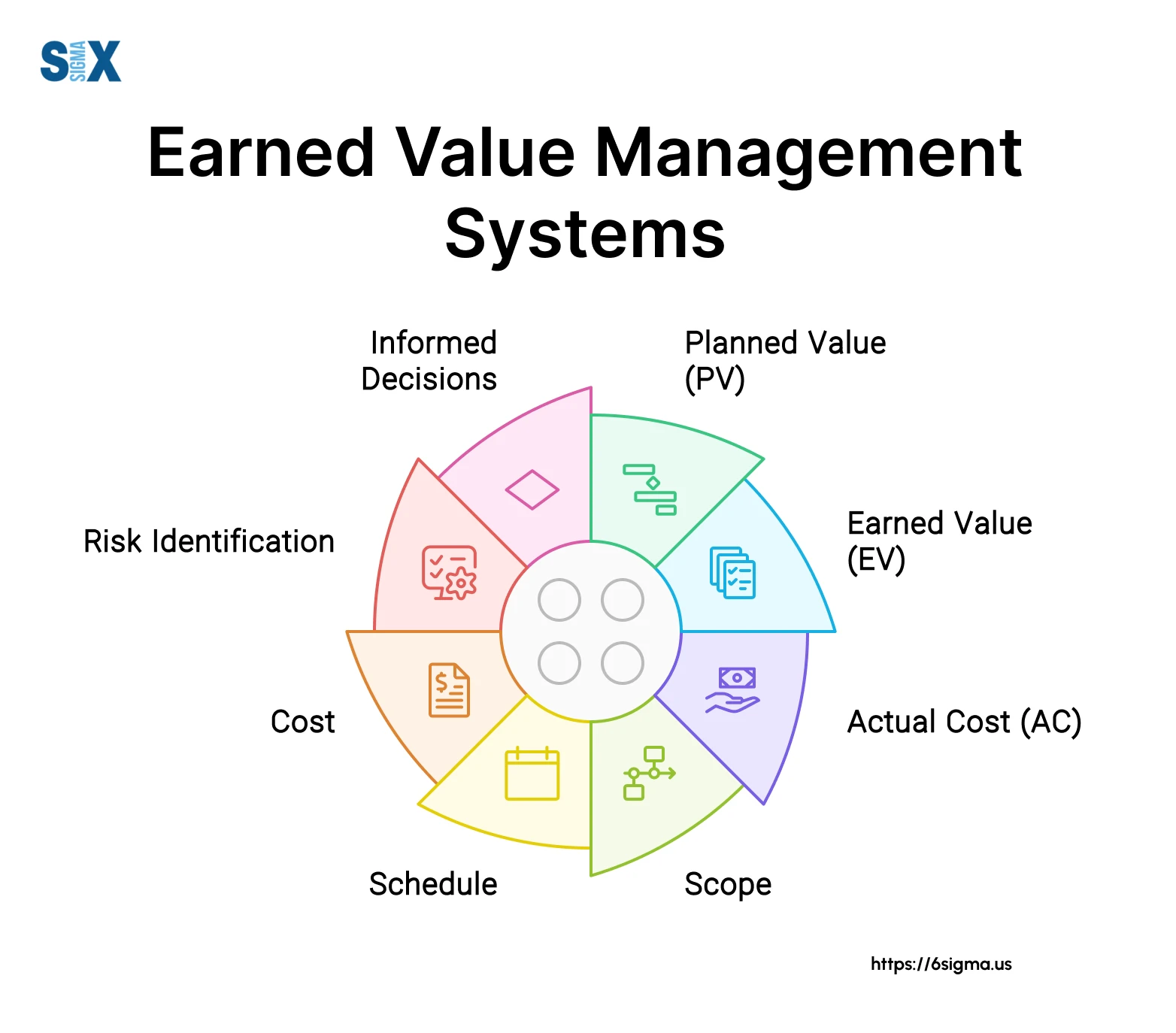
Variance Analysis:
Variance analysis is the systematic investigation of the differences between planned financial performance and actual results. Its purpose is not just to flag discrepancies, but to uncover the reasons behind them.
Common causes of variance include:
• Underestimated Costs: Initial budgets failing to account for true resource requirements.
• Scope Changes: Additional features or requirements inflating costs.
• Delivery Inefficiencies: Poor productivity or waste creating unplanned expenditure.
• External Factors: Market price increases, supply shortages, or inflation driving up costs.
The real value of variance analysis lies in distinguishing between controllable and uncontrollable variances. Controllable issues—like inefficiencies or inaccurate estimates—can be corrected through better management. Uncontrollable issues—such as sudden regulatory changes—require adjustments to baselines and potential escalation to governance boards. This differentiation ensures that responses are proportionate and focused.
Lifecycle Monitoring Models
Financial monitoring is not a single event that happens only at the beginning or the end of an initiative; rather, it is a continuous process that must be sustained throughout the entire lifecycle. From the initial business case approval to the final stage of benefits realization, the conditions surrounding an initiative inevitably change. Markets shift, risks evolve, and delivery environments often face unexpected disruptions. Lifecycle-based monitoring models emphasize the importance of recognizing this dynamism and adapting financial oversight to match, ensuring that financial control is not static but responsive.
A central element of these models is the use of periodic reviews, which provide structured opportunities to reassess financial performance at regular intervals. These reviews serve as checkpoints where forecasts, actual expenditures, and projected benefits are compared to confirm that the initiative remains viable. Without such reviews, small discrepancies can accumulate unnoticed and undermine both financial stability and overall confidence.
Another key feature is the use of stage-gates, or formal governance reviews held at critical milestones such as initial approval, commencement of execution, or transition into operational use. At each gate, decision-makers are asked to revalidate budgets, benefits, and assumptions before releasing additional funding. This structured oversight reduces the risk of escalation in failing initiatives and provides leadership with the opportunity to adapt plans in line with emerging realities.
Equally important is the practice of re-baselining, where budgets, forecasts, and benefits plans are updated to reflect changing circumstances. Re-baselining ensures transparency by clearly documenting how and why assumptions have shifted over time, while also preventing the disconnect that arises when financial plans remain fixed even as conditions evolve. This practice helps balance accountability with flexibility, enabling organizations to remain credible without becoming rigid.
Finally, lifecycle monitoring models emphasize the importance of closure and post-implementation reviews. At this stage, the organization must confirm whether the initiative delivered the intended value and whether benefits were realized as expected. Beyond financial validation, these reviews provide an opportunity to capture lessons learned, which can be fed into future planning and strengthen institutional knowledge.
By embedding monitoring practices consistently across the lifecycle, organizations guard against the pitfall of front-loaded optimism, where budgets may appear credible at approval but are left unchecked until serious issues surface. Instead, continuous oversight ensures that financial performance remains aligned with both the original rationale and the evolving conditions of delivery, ultimately strengthening accountability, governance, and value creation.
Benefits-Realization Cost Tracking
Financial control cannot be considered complete unless it is explicitly tied to the benefits promised in the business case. It is not enough for an initiative to remain within budget if the outcomes delivered fail to justify the investment. Benefits-realization cost tracking ensures that financial oversight is not purely concerned with expenditure but with the value generated as a result of that expenditure. By mapping costs directly against the delivery of intended benefits, organizations are able to confirm that the original investment rationale continues to hold true throughout the lifecycle.
At its core, this approach provides answers to several critical questions. First, are the benefits being realized on schedule? Timely realization of benefits is essential because delays can undermine projected returns or erode stakeholder confidence. Second, do the realized benefits outweigh the ongoing and total costs? Even if an initiative delivers outcomes, these must be demonstrably greater than the resources consumed in achieving them. Finally, benefits-realization cost tracking asks whether there are early indicators that projected benefits may not materialize as expected. By identifying these warning signs in advance, organizations can take corrective action, such as adjusting delivery strategies, re-scoping objectives, or in some cases, halting further investment.
This linkage between costs and outcomes shifts the focus of financial monitoring away from a purely budget-driven perspective. Instead of assessing success based only on how efficiently money has been spent, the emphasis is placed on how effectively that money has created value for stakeholders. Such a value-oriented approach provides a more holistic measure of performance, ensuring that initiatives are not simply efficient in their spending but effective in delivering tangible and measurable benefits.
Ultimately, benefits-realization cost tracking reinforces accountability and strengthens decision-making. By continuously validating that financial investments remain justified, it ensures that scarce resources are allocated where they can create the greatest impact, protecting long-term value and aligning delivery with strategic objectives.

Frameworks and Standards
Financial monitoring does not exist in isolation; it is most effective when aligned with recognized frameworks and international standards. These provide organizations with structured approaches, shared terminology, and proven methodologies that strengthen credibility and comparability. By embedding monitoring within established frameworks, organizations not only achieve greater discipline but also create a common language across functions and industries.
EVM within PMI and ISO 21508:
The Project Management Institute (PMI) formally recognizes Earned Value Management (EVM) as a global best practice for measuring cost and schedule performance. Within PMI’s Project Management Body of Knowledge (PMBOK® Guide), EVM is presented as a core tool for integrating scope, cost, and time into a single performance management system. PMI’s emphasis is on the objectivity that EVM brings: it reduces reliance on subjective reporting by providing quantifiable indicators of progress and efficiency.
Building on PMI’s guidance, ISO 21508:2018 offers an international standard specifically for EVM. This standard defines not only the metrics and techniques involved but also how they should be embedded within broader organizational governance systems. ISO 21508 addresses:
• Consistency: Ensuring that EVM calculations and reporting are standardized across different projects and portfolios.
• Comparability: Allowing organizations to benchmark performance across initiatives, industries, and geographies.
• Integration with Governance: Positioning EVM as part of decision-making processes rather than a standalone reporting exercise.
Together, PMI and ISO provide a structured and internationally recognized foundation, making EVM a reliable method for monitoring financial performance in a way that decision-makers and stakeholders can trust.
Lifecycle Monitoring Models:
Financial monitoring must adapt to the evolving realities of initiatives. Lifecycle-based models emphasize that oversight should occur at multiple stages, with clear decision points that ensure accountability and control. Two of the most common approaches are:
• Stage-Gate Models: These require projects and programs to pass through formal governance “gates” at key milestones (e.g., initial approval, design, execution, closure). At each gate, financial performance is reassessed against the original business case, allowing for continuation, adjustment, or termination.
• Portfolio Lifecycle Approaches: At the portfolio level, lifecycle monitoring ensures that financial oversight extends beyond individual initiatives to the cumulative effect on organizational resources. This helps prioritize funding, allocate contingencies, and balance investments across competing demands.
What makes lifecycle monitoring models distinctive is their iterative nature. Instead of a one-off evaluation at the start of an initiative, they stress periodic reassessment to reflect shifting conditions, such as cost inflation, market volatility, or evolving stakeholder needs. This ensures that financial performance is never assumed, but continually validated.
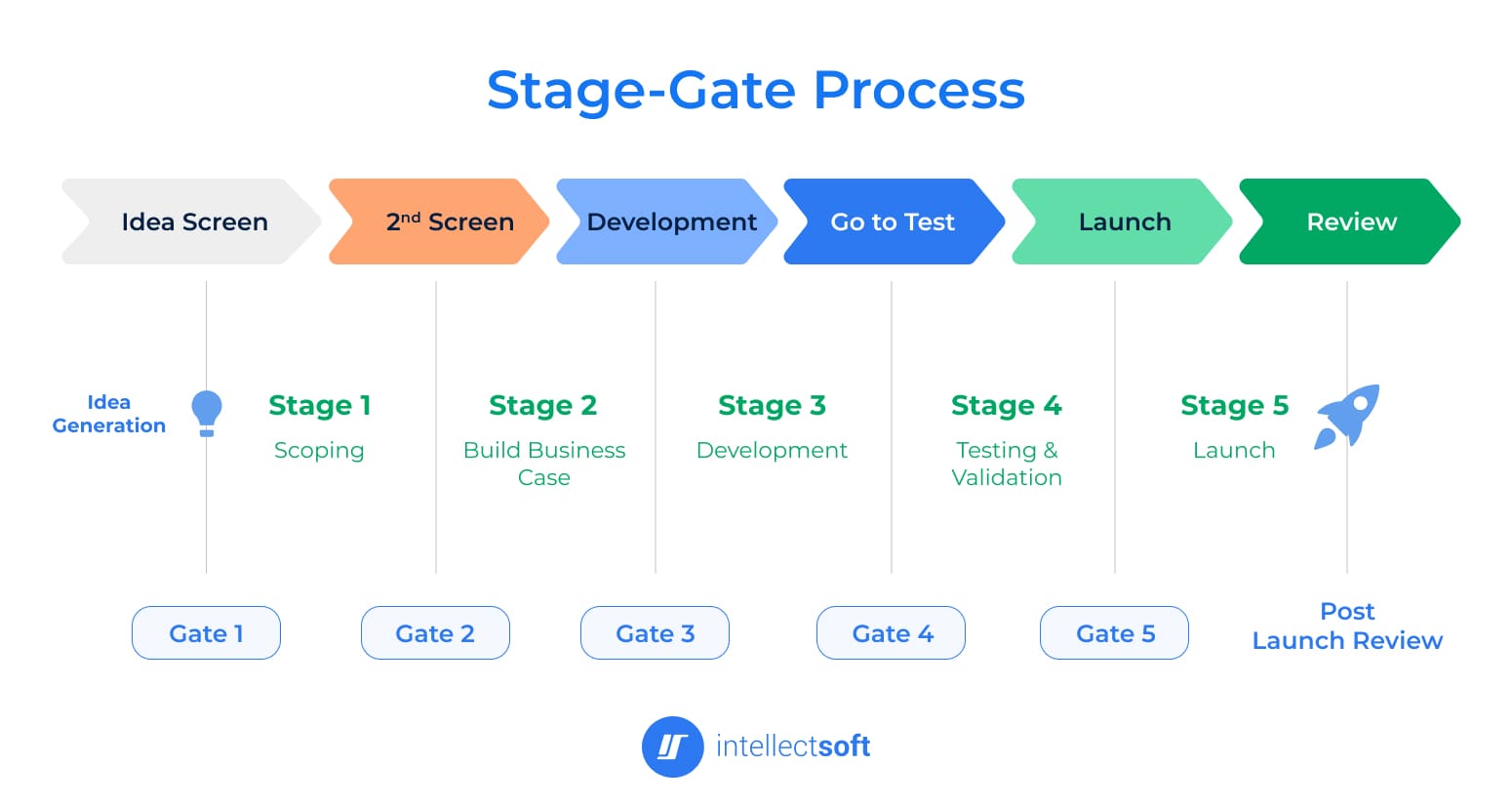
Benefits Realization Management:
Financial monitoring is most powerful when paired with a clear line of sight to benefits realization. Frameworks such as Managing Successful Programmes (MSP) emphasize the importance of linking expenditure to the outcomes and value that initiatives are intended to deliver.
Benefits realization management involves:
• Mapping Expenditure to Outcomes: Ensuring each financial input has a corresponding intended benefit.
• Tracking Over Time: Measuring not only immediate results but also long-term value delivery, particularly in programs with extended benefit profiles.
• Adjusting Delivery Strategies: If benefits are not being realized as planned, financial monitoring highlights whether reallocations or corrective actions are required.
By embedding benefits-tracking mechanisms within financial monitoring, organizations avoid the common pitfall of focusing solely on cost control. Instead, they safeguard value creation, ensuring that initiatives are not just delivered within budget but are also worth the investment made.
Practical Tools and Applications
Financial monitoring is only as effective as the tools and processes that support it. While frameworks and standards provide the strategic foundation, practical tools ensure that monitoring is applied consistently, interpreted accurately, and acted upon promptly. By embedding structured applications into routine financial oversight, organizations move from reactive reporting toward proactive performance management.
EVM Templates and Dashboards:
Earned Value Management (EVM) templates and dashboards offer standardized methods for capturing performance data and translating it into meaningful insights. At their core, they track key indicators such as Planned Value (PV), Earned Value (EV), and Actual Cost (AC), producing derivative measures like the Cost Performance Index (CPI) and Schedule Performance Index (SPI).
Dashboards extend these calculations into visual formats—using graphs, traffic-light indicators, and performance curves—that allow executives and delivery teams to quickly understand financial health without needing to interpret raw technical data. For example:
• Trend charts reveal whether cost efficiency is improving or deteriorating over time.
• Forecasting tools show projected final costs based on current performance.
• Drill-down features highlight where specific variances originate (e.g., by work package, supplier, or cost category).
By standardizing EVM reporting across initiatives, dashboards create a common performance language that improves transparency, enables comparability, and supports more confident decision-making.
Financial Health Checklists:
Financial health checklists act as a structured assurance mechanism, ensuring that all critical aspects of governance are consistently reviewed. These checklists typically include verification of:
• Budget Approvals: Confirming that funds are released in line with governance protocols.
• Expenditure Reporting: Ensuring actual costs are accurately recorded and reconciled against planned budgets.
• Contingency Allocation: Reviewing whether risk reserves are being maintained, accessed appropriately, and replenished if required.
• Compliance Requirements: Confirming alignment with internal policies, regulatory obligations, and audit standards.
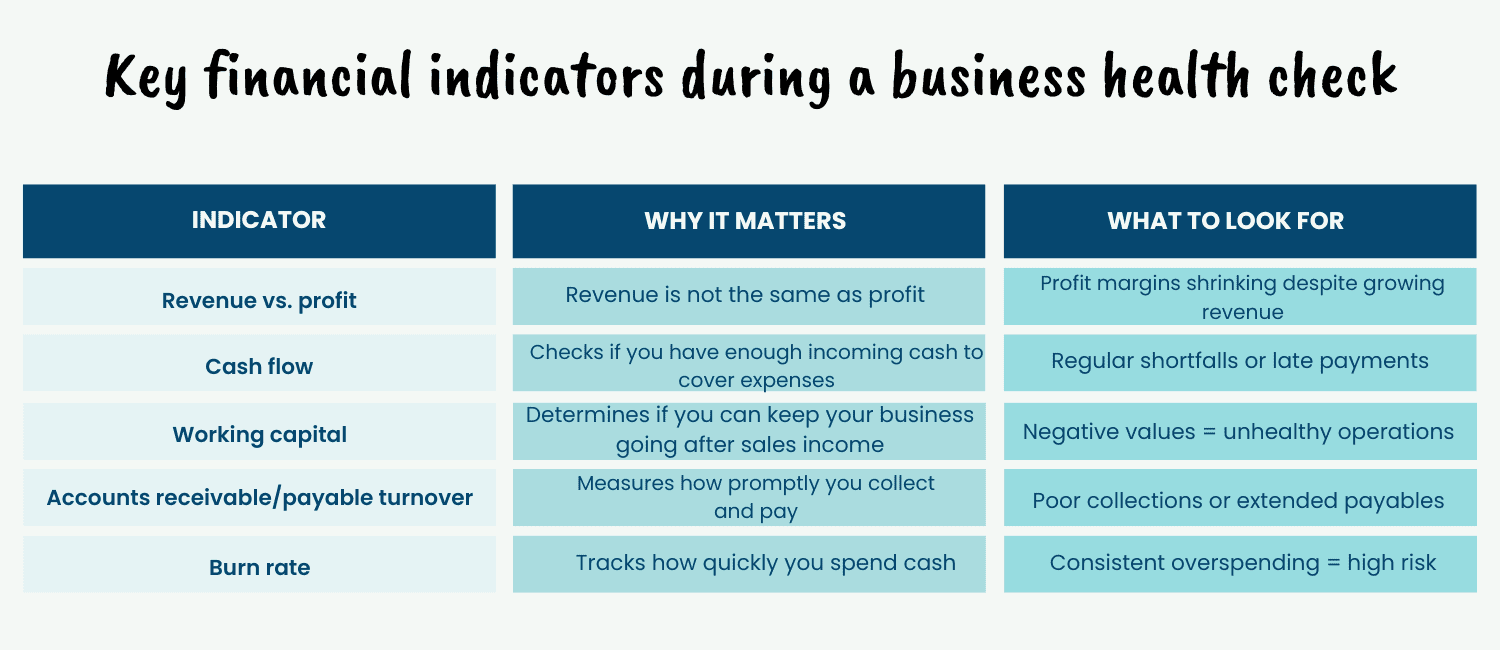
Checklists are particularly valuable because they systematize oversight, reducing reliance on individual judgment and ensuring that no key area of financial control is overlooked during reviews. They also provide a documented audit trail, reinforcing accountability.
Monthly Reporting Tools:
Monthly reporting tools institutionalize financial oversight, embedding a rhythm of accountability across projects, programs, and portfolios. These reports consolidate data on expenditure, variances, and forecasts, providing a snapshot of financial health at regular intervals.
Effective monthly reports often include:
• Summary Dashboards: High-level visuals of cost performance, variances, and forecasts.
• Variance Narratives: Explanations of why deviations occurred, distinguishing between controllable and uncontrollable factors.
• Corrective Action Plans: Recommendations for addressing negative variances before they escalate.
• Trend Comparisons: Illustrations of whether performance is stabilizing, improving, or worsening month-to-month.
Regular reporting encourages teams to course-correct early, rather than waiting until major overspends or benefit shortfalls occur. It also fosters a culture of discipline and transparency, where performance is routinely scrutinized and continuously improved.
Benefits Mapping Tools:
Benefits mapping tools are designed to bridge the gap between financial inputs and organizational outcomes. They create a direct line of sight between expenditure and the value delivered, whether that value is financial (e.g., revenue growth, cost savings) or non-financial (e.g., customer satisfaction, environmental sustainability).
These tools often include:
• Benefit Dependency Networks (BDNs): Showing how financial investments enable capabilities, which in turn lead to measurable outcomes.
• Cost-to-Benefit Linkages: Mapping specific expenditures (e.g., IT upgrades, staff training) to the benefits they enable.
• Benefits Dashboards: Visualizing whether expected outcomes are being realized relative to the investment made.
By explicitly linking costs to outcomes, benefits mapping prevents organizations from focusing narrowly on budget compliance while losing sight of the value proposition. It ensures that financial monitoring is not simply about “staying within budget” but about ensuring returns justify the spend.
These tools collectively transform financial monitoring from a backward-looking, accounting-driven process into a forward-looking management discipline. Instead of passively recording what has already happened, organizations gain the ability to anticipate risks, make timely interventions, and ensure that both costs and benefits are aligned with strategic intent.
Challenges and Pitfalls
While financial monitoring and control provide powerful mechanisms for oversight, their effectiveness can be undermined by common challenges and recurring pitfalls. These weaknesses often stem not from the absence of tools or frameworks, but from how they are applied in practice, the culture of the organization, and the timeliness of intervention. Understanding these pitfalls helps ensure monitoring systems serve as early-warning mechanisms rather than as retrospective post-mortems.
1. Delayed Reporting: One of the most frequent challenges is reporting too late or too infrequently. Financial reports that surface quarterly or only at major milestones may highlight issues, but by then corrective opportunities are limited and overruns are harder to contain. In practice, delays transform monitoring into a diagnostic exercise rather than a preventative tool, undermining its purpose. Timely, routine reporting is essential to maintain agility and allow leaders to address emerging issues before they escalate.
2. Focus on Costs Alone: Organizations sometimes fall into the trap of equating financial health with strict cost control. While managing expenditure is critical, narrow monitoring of costs without linking to benefits creates a distorted picture of success. A project may finish under budget yet fail to deliver the outcomes that justified its approval. This imbalance risks creating a culture of efficiency at the expense of effectiveness, where financial savings overshadow the long-term value proposition.
3. Complexity in EVM: Earned Value Management (EVM) is a proven methodology, but it can also become a source of difficulty. When implemented with excessive complexity, it risks alienating delivery teams who may lack the expertise to interpret technical indices or maintain high-quality data inputs. Poorly trained staff, over-engineered reporting templates, or lack of integration with existing systems often result in resistance, incomplete data, or misinterpretation. Instead of enabling foresight, a poorly applied EVM framework can generate false confidence or data overload.
4. Static Monitoring Approaches: Financial monitoring is not a one-time setup; it requires ongoing adaptation. A key pitfall arises when organizations treat monitoring as a fixed process, failing to evolve measures and indicators as risks, markets, and delivery conditions change. This rigidity produces an illusion of control, but the data quickly loses relevance. For example, inflationary pressures, regulatory changes, or new delivery risks may render initial baselines obsolete. Without flexibility, monitoring becomes outdated and less effective in guiding decisions.
5. Fragmented Accountability: Effective financial monitoring depends on alignment between finance, delivery, and strategy teams. Yet in many organizations, accountability is fragmented: finance departments focus on compliance, project teams emphasize delivery progress, and strategy teams prioritize long-term outcomes. Without integrated ownership, blind spots emerge where risks are overlooked or accountability is diffused. This siloed approach undermines transparency and can erode trust among stakeholders who expect a coherent picture of financial health.
6. Reactive Corrections: Finally, one of the most damaging pitfalls is waiting until major variances appear before acting. When intervention only happens after overspends or benefit shortfalls are significant, organizations face disruption, loss of stakeholder confidence, and sometimes reputational harm. Reactive approaches not only cost more to correct but also signal a lack of foresight in governance. Proactive monitoring—supported by variance analysis and predictive tools—prevents escalation and protects both budgets and value delivery.
These pitfalls highlight that successful financial monitoring is not just about tools or data collection but about timeliness, alignment, and adaptability. Without these elements, organizations risk reducing monitoring to a compliance exercise rather than leveraging it as a strategic enabler of control and value assurance.
Best Practices and Success Factors
To maximize the impact of financial monitoring and control, organizations must move beyond routine compliance and adopt practices that make monitoring a strategic enabler of decision-making and value delivery. Best practices are not simply about applying tools; they reflect a mindset of discipline, transparency, and adaptability across the initiative lifecycle. When applied consistently, these practices ensure that financial oversight provides foresight, strengthens accountability, and protects long-term outcomes.
Embed Monitoring from the Start: Monitoring should not be bolted on after approval but built into the DNA of the business case itself. By defining cost-tracking mechanisms, reporting structures, and corrective protocols early, financial oversight becomes a proactive feature of governance rather than a reactionary measure. Initiatives that embed monitoring from the outset establish clarity on what will be tracked, how data will be collected, and who is accountable, creating a clear line of sight between financial plans and delivery reality.
Balance Cost and Value: The ultimate purpose of financial monitoring is not only to track costs but also to safeguard the value promised to stakeholders. Best practice involves linking expenditure to both tangible and intangible benefits—ensuring that decisions are assessed not only by efficiency but also by effectiveness. For instance, a project delivered under budget but without achieving its intended outcomes is a failure in value assurance. By balancing cost and value in reporting, organizations preserve the integrity of the original investment rationale.
Use Visual Dashboards: Complex financial data often risks alienating non-financial stakeholders. Dashboards bridge this gap by presenting performance metrics, variances, and forecasts in clear, accessible, and decision-ready visuals. Effective dashboards highlight critical insights—such as cost performance indices, benefit realization status, and risks to tolerances—without overwhelming detail. By converting technical data into intuitive formats, organizations improve stakeholder engagement, strengthen decision-making, and foster shared accountability for financial health.
Apply Iterative Reviews: Best practice requires that financial monitoring is not static but iterative. Lifecycle-based models emphasize stage-gates and periodic reviews where assumptions are revalidated, variances are addressed, and baselines are updated. This approach reflects the reality that conditions evolve—markets fluctuate, risks emerge, and scope can shift. Iterative reviews ensure that monitoring remains relevant and responsive, preventing outdated information from distorting decisions.
Ensure Cross-Functional Collaboration: Financial monitoring is strongest when it reflects the perspectives of multiple disciplines. Collaboration between finance teams, delivery managers, and benefits owners ensures that reporting captures both operational realities and strategic goals. Cross-functional input reduces blind spots, encourages shared ownership of risks, and integrates diverse expertise into corrective actions. This collaboration also strengthens alignment, making financial monitoring a collective responsibility rather than the preserve of any single function.
Maintain Independent Assurance: Finally, credibility in financial monitoring depends on the ability to withstand external scrutiny. Independent assurance—through third-party reviews, audits, or peer challenge—provides an objective perspective on whether financial oversight is effective, transparent, and compliant with standards. This independence not only reinforces accountability but also builds trust with boards, funders, and stakeholders who rely on monitoring to protect investments.
By embedding these practices, organizations elevate financial monitoring from a narrow cost-control exercise into a holistic system of value assurance. The result is not only improved compliance but also stronger resilience, more informed decision-making, and sustained stakeholder confidence throughout the lifecycle of portfolios, programs, and projects.
Consistent financial monitoring ensures that initiatives remain on track, variances are addressed early, and benefits are protected. This manual reinforces the value of proactive oversight in driving informed decision-making and delivering initiatives within financial tolerances. By linking financial monitoring with lifecycle governance, organizations strengthen accountability and ensure that funding remains tied to results, creating a closed loop of planning, delivery, and benefits realization. In this way, monitoring becomes a dynamic driver of assurance and long-term success.
Case Study: Sydney Metro – Embedding Earned Value Management for Oversight
Sydney Metro, Australia’s largest public transport infrastructure program, provides a strong example of lifecycle-based financial monitoring and control. With billions of dollars in planned investment, the program faced intense scrutiny to ensure that costs were tracked against benefits and that early warning systems were in place to manage risks.
The project team embedded Earned Value Management (EVM) into its financial oversight processes, aligning with ISO 21508 standards. By integrating cost, schedule, and scope metrics, the program was able to calculate Cost Performance Index (CPI) and Schedule Performance Index (SPI) values across multiple contractors. This allowed leadership to detect potential overruns or delays early, triggering corrective actions before issues escalated.
In addition to EVM, Sydney Metro implemented monthly reporting dashboards that consolidated financial performance, schedule variance, and benefit realization indicators. These dashboards provided transparent updates to government stakeholders, ensuring that funding bodies had a clear picture of both progress and value delivery. Independent audits reinforced credibility, while lessons learned from earlier project phases were built into later stages, demonstrating a continuous improvement approach.
The outcome was a program that, despite its complexity and scale, maintained strong financial governance and value assurance. Sydney Metro’s use of lifecycle-based monitoring demonstrated how rigorous controls and iterative oversight can protect investment integrity and stakeholder confidence in mega-infrastructure delivery.
Exercise 5.7: Financial Monitoring Plan
Course Manual 8: Business Case as a Living Document
The business case has long been recognized as the cornerstone of sound investment and change management. It provides the formal justification for committing resources, presenting the rationale for action through a balanced view of expected benefits, costs, risks, and strategic alignment. Yet in practice, too many organizations approach the business case as a static document—completed at the point of approval and then consigned to the archives. This approach undermines its true purpose. Initiatives are rarely static; they unfold in environments where assumptions shift, risks emerge, and benefits evolve in both timing and magnitude. If the business case is not revisited, decision-makers risk navigating with outdated information and continuing to invest in initiatives that no longer reflect current realities.
Treating the business case as a living document addresses this challenge directly. A living business case adapts in real time, providing an evolving reflection of the initiative’s value proposition. It is not just a record of initial intent but a control mechanism that integrates new evidence, adjusts for changing contexts, and revalidates assumptions. This transforms the business case into an active governance anchor—an instrument that continually tests whether investment decisions remain viable and defensible. In doing so, it creates a vital feedback loop between strategic ambition and operational delivery, ensuring that projects, programs, and portfolios remain justified throughout their lifecycles.
This continuous validation process strengthens accountability and fosters trust. Stakeholders can see that decisions are not based on outdated promises but on current, evidence-based assessments. Leadership gains confidence that investment remains aligned with strategic objectives, while delivery teams are empowered to adjust course within a controlled, transparent framework. In this way, the business case evolves from being a one-off hurdle at the point of approval into an ongoing dialogue: between leadership and delivery, between cost and benefit, and between ambition and feasibility.
By embedding this discipline into governance, organizations move beyond compliance toward resilience. They safeguard investment value, mitigate reputational risk, and ensure that scarce resources are deployed where they continue to create the greatest return. This manual examines the frameworks, models, tools, and practices that support dynamic business case governance. It also explores the challenges organizations face when trying to sustain living business cases and offers practical solutions and best practices that can transform business cases into enduring mechanisms of value assurance.

The Role of a Living Business Case
At its core, the business case is the anchor of investment justification—it outlines why resources should be committed, what benefits are expected, and how risks and costs will be managed. However, when treated as a static document, it risks becoming irrelevant as conditions shift. By reframing the business case as a living document, organizations elevate it from a one-time approval tool to an active governance instrument that adapts in step with delivery realities. This shift reflects the recognition that in dynamic environments—where markets, technologies, and organizational priorities are constantly evolving—decisions made at the outset cannot remain unchallenged.
Its expanded role can be broken down into several interconnected functions:
• Strategic Alignment: A living business case ensures that delivery remains tethered to strategic objectives, even when external circumstances or internal pressures shift. For example, if new competitors emerge or organizational priorities evolve, the business case provides a structured mechanism to reassess whether the initiative continues to serve the broader mission.
• Dynamic Risk Management: Risks are rarely static. Inflation rates, supplier stability, regulatory environments, and workforce capacity all fluctuate. A living business case incorporates regular risk reassessment, ensuring that contingencies are updated and plans remain resilient. This transforms risk management from a one-off exercise into a continuous learning process.
• Cost-Benefit Revalidation: As initiatives progress, new data emerges about both costs and benefits. Actual expenditure may exceed forecasts, or anticipated benefits may take longer to materialize. Through structured revalidation, organizations can recalculate whether the initiative still delivers value for money. This process enables informed choices about whether to continue, pause, adjust, or even stop delivery.
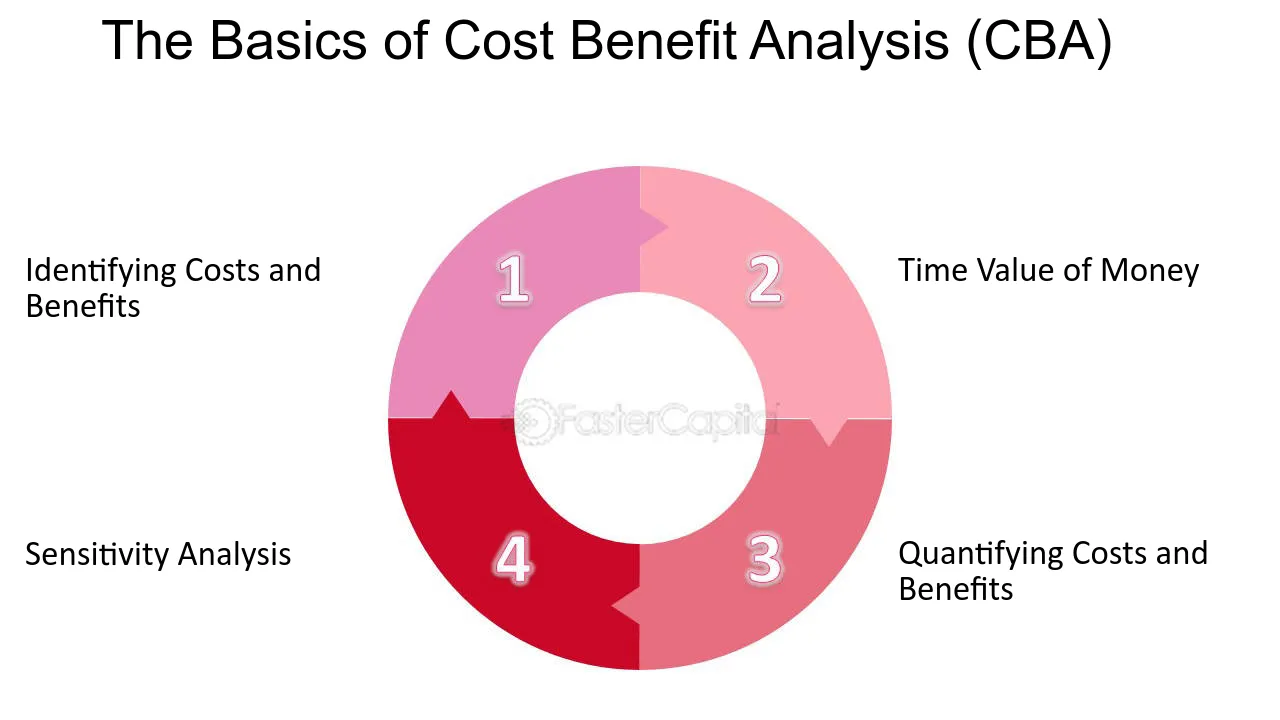
• Governance Support: The business case provides the reference baseline for oversight mechanisms such as gateway reviews, health checks, and assurance processes. By updating the case, governance forums are not working with outdated assumptions but with accurate, timely evidence that reflects the current state of play. This improves both the quality and speed of decision-making.
• Transparency: A living business case acts as a visible, traceable record of the rationale for investment. Regular updates reassure stakeholders—ranging from boards to delivery teams to funders—that decisions are grounded in evidence, responsive to change, and defensible under scrutiny. Transparency also strengthens trust, making it easier to gain continued buy-in for future initiatives.
By positioning the business case as a living mechanism, organizations embed agility, accountability, and responsiveness into financial and strategic oversight. This approach prevents silent drift away from original intent while still creating the flexibility to accommodate legitimate change. Instead of being a box-ticking exercise completed at the start of a project, the business case becomes the living contract between strategy and delivery.
Core Methodologies for Maintaining Business Cases
Treating the business case as a living, adaptive document requires structured methodologies that provide both discipline and flexibility. Without formal processes, updates risk becoming ad hoc, inconsistent, or politically driven. Frameworks such as MoP (Management of Portfolios), MSP (Managing Successful Programmes), and established governance practices create the infrastructure for ensuring that business cases remain accurate, relevant, and credible throughout the initiative lifecycle.
Dynamic Case Governance (MoP and MSP):
The MoP and MSP frameworks embed the principle that a business case must be governed continuously, not just at the point of approval.
• MoP (Portfolio Perspective): Emphasizes the role of the business case in prioritization and resource allocation, ensuring that each investment remains justified relative to other competing opportunities. Regular portfolio-level reviews help organizations adjust funding, pause low-value initiatives, or reallocate resources to higher-priority efforts.
• MSP (Programme Perspective): Focuses on the ongoing alignment of programs with strategic objectives. At this level, the business case acts as a central reference, updated at key checkpoints such as tranche reviews. This ensures that evolving delivery remains anchored to expected benefits and broader organizational goals.
Both frameworks highlight that approval is not the end of governance—it is the beginning of an iterative cycle of validation and challenge.
Health Checks and Gate Reviews:
Stage-gate and checkpoint processes provide structured pauses for reflection. These mechanisms are designed to answer critical questions:
• Does the initiative still align with organizational strategy?
• Are projected benefits still realistic, given new costs or risks?
• Have risks been reassessed, and are controls adequate?
• Is scope creep undermining value delivery?
Health checks go deeper by interrogating assumptions, testing data quality, and evaluating whether risk assessments remain current. Unlike stage-gates, which are often scheduled, health checks can be commissioned on-demand when issues or uncertainties emerge. Together, these processes act as early-warning systems, ensuring misalignments are detected before they escalate into cost overruns, benefit shortfalls, or strategic drift.
Change Control and Case Refresh Procedures:
Complex initiatives inevitably encounter change pressures—whether from external shocks such as market shifts or internal adjustments like new stakeholder requirements. Without structured procedures, these changes can create a widening gap between the official business case and delivery reality.
Case refresh protocols formalize how updates are handled:
• Triggers for Refresh: Clear thresholds (e.g., cost variance beyond 10%, material scope changes, or redefined benefits) signal when a case must be reviewed.
• Integration with Change Control: Approved changes flow directly into the refreshed business case, ensuring alignment across governance documentation.
• Approval and Communication: Updates are validated by governance bodies and shared with stakeholders, reinforcing transparency and trust.
This process ensures the business case remains a credible, single source of truth. Rather than being viewed as a relic of project initiation, it evolves in parallel with delivery, protecting investment integrity.
By combining dynamic case governance, structured reviews, and refresh protocols, organizations embed the discipline needed to keep the business case alive and relevant. These methodologies transform the business case from a static approval document into a living record of value, enabling leaders to make informed decisions based on the latest and most accurate information.
Frameworks and Standards
Maintaining the business case as a living document requires not only discipline but also adherence to recognized frameworks and standards. These provide organizations with structured methodologies for governance, assurance, and transparency. When applied consistently, they prevent the business case from becoming a static approval artifact and instead embed it as an evolving reference point for decision-making across the lifecycle.
MoP and MSP:
Both Management of Portfolios (MoP) and Managing Successful Programmes (MSP) position the business case at the center of governance, but they apply it at different levels:
• MoP (Portfolio View): Within portfolios, the business case is continually reassessed against strategic objectives and competing investment opportunities. This approach ensures that funding remains concentrated on initiatives delivering the highest value. Portfolio-level governance reviews may lead to reallocation of resources, deferment of projects, or even termination of underperforming initiatives—decisions always grounded in updated business case evidence.
• MSP (Programme View): At the program level, MSP stresses ongoing justification. The business case is not only created at the start but must be reaffirmed at every major stage of delivery, often at tranche reviews. By requiring case updates, MSP ensures that programs remain justifiable in light of shifting organizational needs, stakeholder expectations, and delivery realities.

Together, MoP and MSP demonstrate that approval is not the endpoint of business case governance but rather the beginning of an iterative cycle of validation.
Health Checks, Gate Reviews, and Checkpoint Integration:
Governance standards such as PRINCE2 and the PMI Body of Knowledge build checkpoints into project and program lifecycles. These are deliberate “pause and reflect” mechanisms, requiring decision-makers to confirm that initiatives still deserve continuation:
• Stage-Gate Reviews: Formal checkpoints at the end of key lifecycle phases, ensuring continued alignment of scope, cost, schedule, and benefits before further resources are committed.
• Health Checks: Independent assessments that go deeper than scheduled reviews, probing assumptions, financial health, and risk management practices. These can be triggered by leadership concerns or significant deviations from plan.
• Checkpoint Reports: Short, periodic summaries embedded into delivery cycles to maintain visibility and highlight issues between larger governance milestones.
This layered approach provides both strategic oversight and operational visibility, ensuring that business cases remain credible guides rather than outdated documents.
Change Control Procedures:
Change is a defining characteristic of modern initiatives, whether driven by external factors (e.g., regulatory shifts, market disruptions, inflation) or internal drivers (e.g., scope redefinition, new stakeholder requirements). Without structured processes, business case updates can become inconsistent or overlooked, undermining trust and accountability.
ISO-aligned governance models (such as ISO 21500 for project management or ISO 31000 for risk management) emphasize structured change control procedures. These standards mandate that any significant alteration to cost, risk, scope, or benefit profiles requires a formal update to the business case. Key features include:
• Mandatory Update Triggers: Clearly defined thresholds, such as a cost overrun of more than 10% or a change in strategic context, automatically initiate a review.
• Single Version of Truth: Updates are centrally recorded and communicated, ensuring all stakeholders work from the same validated case.
• Traceability and Accountability: Every adjustment is documented with rationale, approvals, and impact analysis, protecting governance integrity.
The Value of Standardization:
By applying these frameworks and standards, organizations achieve:
• Consistency: Standardized approaches ensure that every project or program follows the same disciplined process.
• Transparency: Clear, structured updates build trust with stakeholders and investors.
• Defensibility: Decisions can be justified with evidence, protecting leadership from reputational or compliance risks.
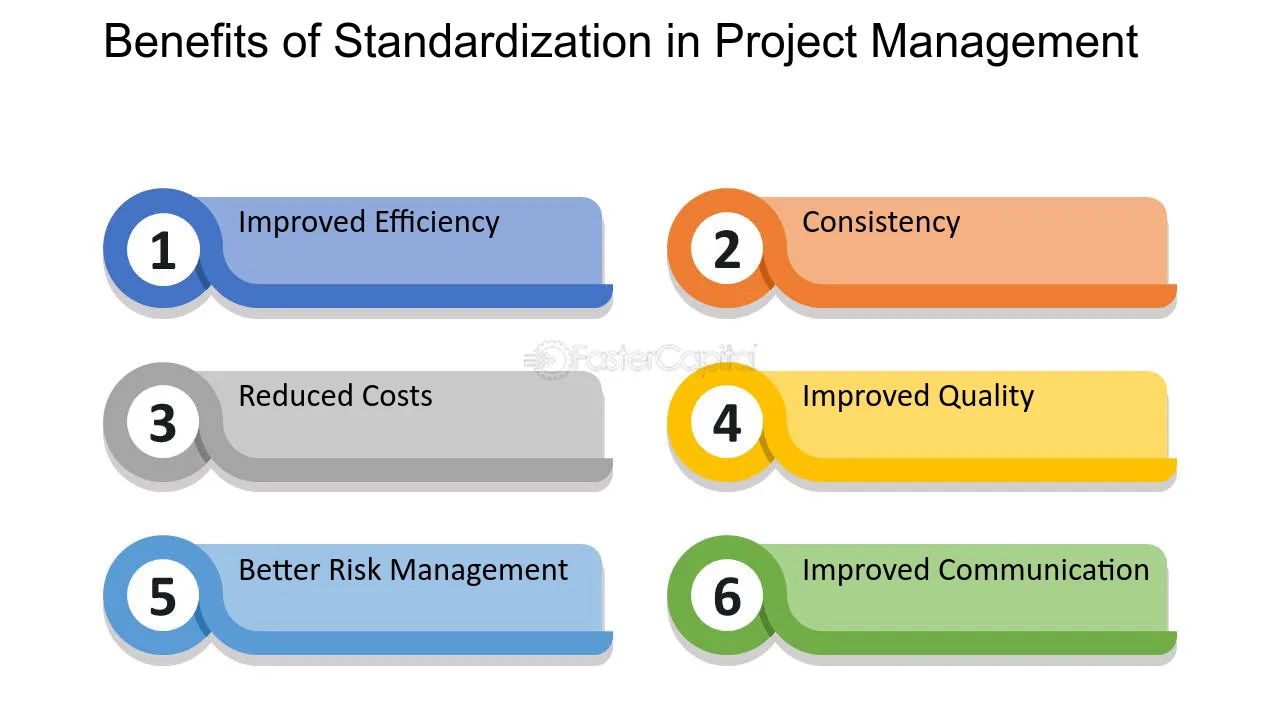
In practice, these standards reinforce the principle that a business case must evolve in parallel with delivery, ensuring that investments remain justifiable and strategically aligned at every stage of their lifecycle.
Practical Tools and Applications
Translating the principle of a living business case into practice requires tools that embed transparency, accountability, and adaptability. These tools provide the structure needed to keep business cases aligned with delivery realities, while also making them accessible and credible to diverse stakeholders.
Business Case Update Logs:
Update logs serve as the backbone of business case governance. They create an auditable trail of all changes, capturing:
• What was changed (scope, cost, benefits, risks, or delivery timelines).
• Why the update occurred (regulatory changes, emerging risks, revised benefits, or resource availability).
• Who approved it (decision-making authority, governance body, or portfolio board).
Beyond compliance, update logs also support institutional memory, allowing organizations to reflect on how assumptions evolved and how decisions were justified. They provide clarity in the event of disputes and reinforce trust by showing that adjustments are not arbitrary but well-documented.
Assurance Review Templates:
Assurance reviews are critical checkpoints, and standardized templates ensure consistency and rigor across reviews. These templates typically include:
• Accuracy Checks: Validating the reliability of data inputs (cost estimates, risk forecasts, and benefit projections).
• Alignment Assessments: Confirming that updated cases remain consistent with organizational strategies, priorities, and objectives.
• Credibility Tests: Stress-testing assumptions to ensure that the rationale for continued investment is realistic.
By formalizing the review process, templates prevent important considerations from being overlooked and reduce reliance on individual judgment, making assurance processes replicable and defensible.
Stakeholder Briefing Packs:
While business cases are technical by nature, effective communication is essential to maintain stakeholder trust and engagement. Briefing packs translate detailed updates into concise, decision-ready summaries tailored to the audience. For example:
• Senior leadership may need a one-page dashboard highlighting cost-benefit shifts, risk updates, and required approvals.
• External stakeholders may require simplified visuals or narrative summaries showing how delivery remains aligned with agreed outcomes.
Well-designed briefing packs help avoid misinterpretation, ensuring that complex financial and risk data is accessible, transparent, and actionable. They also demonstrate responsiveness, showing stakeholders that concerns are being addressed in real time.
Scenario Testing Tools:
Scenario testing adds resilience to business case management by anticipating uncertainty. Tools such as sensitivity analysis or Monte Carlo simulations allow organizations to model:
• Best-Case Outcomes: Where risks do not materialize, costs are controlled, and benefits are maximized.
• Worst-Case Outcomes: Where multiple risks crystallize, escalating costs and undermining benefits.
• Most-Likely Outcomes: Based on probabilities drawn from current assumptions and historic data.
These tools empower decision-makers to plan contingencies and prioritize resource allocation. Instead of reacting to surprises, organizations can demonstrate foresight and maintain confidence in their delivery approach.
When used together, these tools ensure that the business case is not only kept up to date but also remains:
• Accessible – with information tailored for different audiences.
• Relevant – aligned to evolving delivery contexts and organizational priorities.
• Trusted – supported by transparent, auditable, and evidence-based processes.
By embedding these applications into routine governance, organizations transform the business case from a one-time approval document into a living mechanism of accountability, assurance, and strategic agility.
Challenges and Pitfalls
While the principle of treating the business case as a living document is widely recognized, organizations often face practical barriers in execution. These pitfalls undermine both the credibility of the business case and the organization’s ability to make informed investment decisions.
1. Static Documentation: A common mistake is treating the business case as a one-time approval artifact, filed away once the initiative has been greenlit. In reality, delivery environments evolve rapidly—costs shift, risks materialize, and benefits may be delayed or reshaped. Without updates, the business case becomes disconnected from delivery, creating blind spots that mislead decision-makers. This static approach often results in decisions being made based on outdated assumptions, weakening governance and eroding trust.
2. Update Fatigue: Although regular updates are essential, teams may perceive revisions as administrative burdens rather than value-adding activities. If update processes are overly frequent, poorly structured, or insufficiently linked to decision-making, stakeholders may disengage. Update fatigue leads to superficial compliance—where updates are made mechanically, without critically re-examining assumptions or assessing true alignment with strategic goals.
3. Lack of Ownership: Another recurring issue is unclear accountability for maintaining the business case. If responsibility is split across multiple functions—such as finance, project delivery, and benefits management—gaps and overlaps emerge. Without a designated owner, updates can be delayed, incomplete, or contested, allowing the business case to drift out of date. A lack of ownership also undermines accountability, as no one is directly responsible for ensuring the case remains defensible.
4. Reactive Refreshes: Organizations that only update their business cases after problems emerge place themselves on the back foot. This reactive approach reduces the credibility of the business case, as it is seen not as a proactive governance tool but as a response to failure. Stakeholders may lose confidence, perceiving updates as attempts to justify overruns or diminished benefits rather than transparent revalidations. Reactive refreshes also limit the organization’s ability to take timely corrective action, leading to greater cost, time, and reputational impacts.
5. Over-Complexity: While detail is important, an overly technical or data-heavy business case can become inaccessible to key decision-makers. Excessive complexity alienates non-specialist stakeholders and reduces engagement with updates. Instead of enabling informed choices, updates risk overwhelming leadership with technical jargon or financial minutiae, which can obscure the real question: is the initiative still worth pursuing? Simplification without losing rigor is essential to sustain engagement.
6. Misaligned Communication: Even when updates are made, poor communication can result in inconsistent understanding among stakeholders. If revised assumptions, risks, or benefits are not effectively shared through tailored briefing packs or governance meetings, different stakeholders may operate with conflicting assumptions. This misalignment undermines decision-making and may create tension between delivery teams, finance, and leadership.
These challenges highlight the danger of failing to embed structured, proactive, and collaborative update processes. A business case that is outdated, unclear, or inconsistently communicated loses its power as a governance tool. Instead of guiding investment decisions, it becomes a source of confusion or mistrust.
By recognizing these pitfalls, organizations can shift toward disciplined, transparent, and stakeholder-focused approaches that preserve the integrity of the business case as a living governance mechanism.
Best Practices and Success Factors
Successfully treating the business case as a living document requires deliberate practices that combine governance discipline with adaptability. These practices ensure that the business case remains both accurate and credible while continuing to function as a practical tool for decision-making.
1. Embed Updates Early: The most effective organizations build business case refresh cycles directly into the project or program plan rather than treating them as afterthoughts. By scheduling updates at stage-gates, portfolio reviews, or annual budgeting cycles, updates become routine rather than disruptive. Embedding refreshes also helps normalize the idea that the business case evolves alongside delivery, strengthening both compliance and stakeholder trust.
2. Use Triggers for Review: In addition to planned cycles, organizations should establish clear triggers for unscheduled reviews. These may include the emergence of major risks, significant scope changes, regulatory updates, or external market shifts such as interest rate fluctuations or competitor activity. Trigger-based reviews ensure that the business case does not lag behind reality and that decision-makers are working with the most current information when circumstances shift.
3. Balance Rigor with Usability: A common tension lies between producing detailed, evidence-based updates and ensuring that non-technical stakeholders can quickly understand the implications. Best practice is to maintain rigor in the underlying analysis while presenting findings through executive summaries, dashboards, or briefing packs that highlight key variances and decisions required. This balance ensures that leadership remains engaged and that the business case is used as a decision-making tool, not just a technical report.
4. Engage Stakeholders Continuously: The credibility of business case updates increases when finance, delivery, and strategy functions are actively engaged in their preparation and validation. Joint ownership fosters alignment, reduces the likelihood of disputes, and builds confidence among decision-makers that the updates reflect a consensus view. Continuous engagement also ensures that updates are not only technically accurate but strategically relevant, tying financial projections to organizational goals.
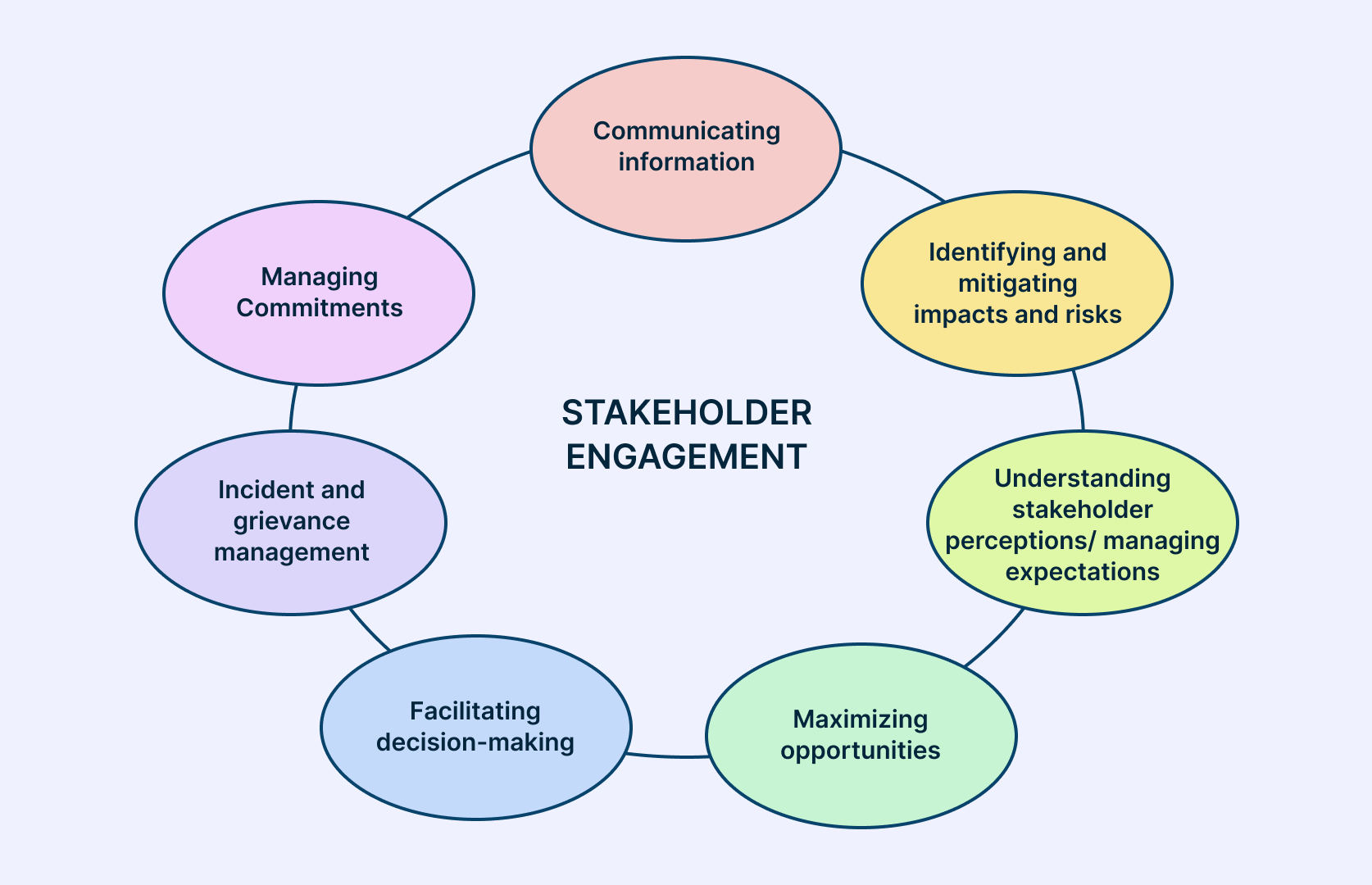
5. Leverage Independent Assurance: Periodic third-party or independent reviews help strengthen transparency and credibility. These may include internal audit functions, external consultants, or governance boards tasked with scrutinizing assumptions and testing alignment with broader strategy. Independent assurance reduces bias, uncovers blind spots, and reassures stakeholders that updates are not being shaped to justify sunk costs but reflect objective assessments of ongoing viability.
6. Tie to Benefits Realization: Business cases lose credibility if updates focus narrowly on costs without addressing whether the promised benefits are still achievable. Best practice is to ensure that every update explicitly links financial adjustments to impacts on benefits realization. This may involve recalculating return on investment (ROI), adjusting benefit timelines, or highlighting risks to non-financial outcomes such as customer satisfaction or regulatory compliance. By tying updates directly to value delivery, organizations reinforce the rationale for continued investment.
When these practices are applied consistently, the business case evolves into a living governance tool—dynamic, transparent, and resilient. It provides leadership with an accurate view of whether the initiative continues to justify investment, enables early course corrections, and safeguards alignment between delivery activity and strategic intent.
Embedding discipline without losing flexibility, organizations move beyond compliance-driven updates to a value-driven model of continuous alignment. This ensures that the business case retains its central role as both a control document and a guide for strategic decision-making throughout the initiative lifecycle.
By treating the business case as a living document, organizations maintain alignment between strategic objectives, investment intent, and delivery outcomes. This manual fosters agility and responsiveness, ensuring that decisions remain grounded in value throughout the course of change. When actively maintained, the business case evolves into a central governance mechanism that balances ambition with reality, preventing drift and protecting trust. This approach ensures that investment remains justified, transparent, and strategically relevant throughout the lifecycle.
Case Study: The California High-Speed Rail Project
The California High-Speed Rail project illustrates the consequences of failing to maintain a living business case throughout delivery. Originally approved in 2008 with an estimated budget of $33 billion and a projected completion date of 2020, the initiative promised to connect major Californian cities with a fast, sustainable rail link. However, as delivery progressed, costs escalated to over $100 billion, and timelines were extended far beyond original forecasts.
A central issue was that the business case was not regularly refreshed to account for changing assumptions. Early forecasts underestimated land acquisition costs, environmental challenges, and the complexity of securing federal and local funding. While risks and scope shifts accumulated, the business case remained tied to outdated assumptions, eroding credibility with both the public and political stakeholders.
It was only after intense scrutiny that governance bodies began enforcing structured updates, which revealed the gap between the original vision and current deliverability. These updates enabled a partial reset of the project, focusing on shorter, more achievable segments rather than the full network at once. Although trust and momentum had already been damaged, the case refreshes provided a framework for more realistic planning going forward.
When the business case is treated as static, initiatives can drift into unsustainable territory. Proactive updates and revalidations are essential to preserve credibility, adjust to evolving conditions, and maintain alignment with what is realistically deliverable.
Exercise 5.8: Change Reflection
Course Manual 9: Stakeholder Engagement and Financial Transparency
Financial performance is not only a technical concern but also a matter of perception, communication, and trust. Numbers alone rarely speak for themselves; they must be interpreted, contextualized, and presented in a way that engages diverse audiences. Large initiatives typically involve multiple layers of stakeholders—executives, governance boards, delivery teams, regulators, investors, and external partners—each with different priorities, levels of financial expertise, and expectations for communication. What unites them is the need for clarity and confidence in how resources are being managed.
Because decisions are rarely made by finance professionals in isolation, financial data must be translated into accessible narratives that highlight progress, risks, and outcomes in terms that each stakeholder group can understand. For executives, this may mean linking financial performance directly to strategic objectives and long-term returns. For delivery teams, it involves providing timely data on budgets and variances that affect operational choices. For regulators or donors, it requires evidence of compliance, accountability, and stewardship of funds. The ability to shift perspective without losing accuracy is at the heart of effective financial communication.
Stakeholder engagement through financial transparency is therefore not a “soft skill” but a central pillar of good governance. It transforms financial reporting from a backward-looking compliance exercise into a forward-looking tool for collaboration and informed decision-making. Clear, consistent communication builds trust that initiatives are being managed responsibly, reinforces accountability, and helps stakeholders feel invested in the outcome. This trust is particularly important in times of uncertainty, when strong financial narratives can reassure stakeholders that risks are being acknowledged and managed proactively.
Conversely, opaque reporting, inconsistent updates, or overly technical communication can damage credibility—even when financial performance itself is sound. Misunderstandings, delays in decision-making, and the erosion of stakeholder confidence often stem not from poor results but from poor communication of those results. In extreme cases, lack of transparency can undermine organizational reputation, discourage investment, and weaken governance oversight.
This manual explores the methodologies, frameworks, and tools that support effective financial communication and stakeholder engagement. It highlights the role of structured governance protocols, stakeholder mapping, and tailored reporting in ensuring that financial information is clear, consistent, and strategically relevant. By embedding transparency into financial governance, organizations can move beyond compliance to cultivate genuine collaboration, aligning diverse stakeholders around a shared understanding of costs, risks, and benefits. In this way, finance becomes not a barrier but a catalyst for delivery success.
The Role of Financial Transparency in Stakeholder Engagement
Transparency in financial communication goes beyond compliance or routine reporting—it is a strategic enabler of trust, alignment, and informed decision-making. Stakeholders interpret financial information as a direct indicator of both organizational health and leadership credibility. When handled effectively, transparency ensures that numbers are not presented in isolation but woven into a broader narrative about progress, risks, and intended outcomes.
• Building Trust and Confidence: Openness in sharing financial performance signals integrity. Stakeholders are reassured when challenges are disclosed alongside successes, as it shows leaders are not withholding information. This willingness to present a balanced picture fosters confidence that corrective actions will be taken proactively rather than reactively, even in the face of setbacks.
• Supporting Decision-Making: Governance boards and senior leadership rely on financial data to approve funding, adjust priorities, and intervene when necessary. However, raw data often lacks meaning without context. Translating figures into clear insights—such as cost trends, risk-adjusted forecasts, or implications for benefits delivery—equips decision-makers with the clarity they need to act decisively and responsibly.
• Enhancing Accountability: Transparent reporting creates visible lines of accountability. When financial outcomes are openly tracked and shared, teams and individuals become more conscious of their responsibility for delivery. This reduces the risk of misaligned expectations and encourages consistent alignment with organizational goals.
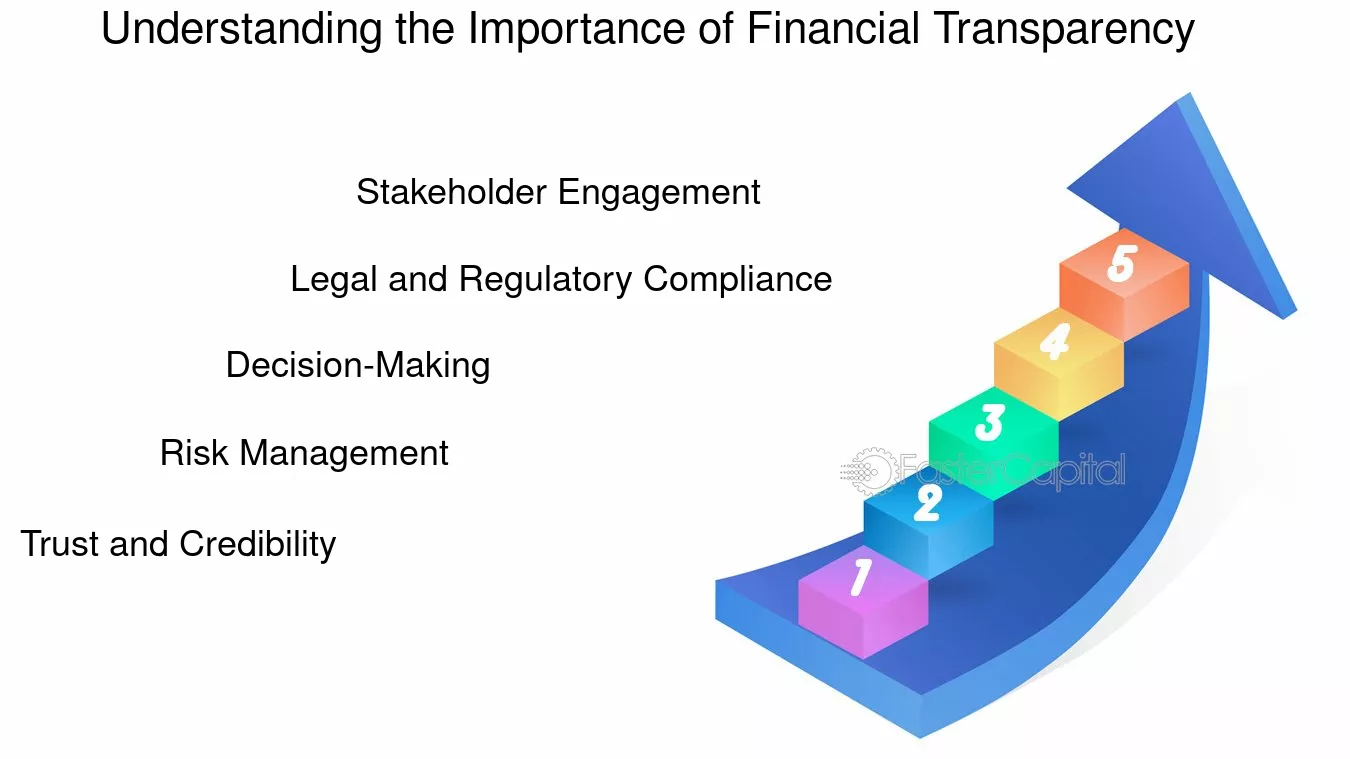
• Fostering Alignment: Different stakeholders approach financial information from different perspectives. Executives may focus on return on investment, delivery teams may prioritize budget availability, and external partners may be concerned with payment timelines or risk exposure. Transparent communication provides a common platform, ensuring that diverse groups remain united around a shared understanding of costs, risks, and expected benefits.
• Strengthening Stakeholder Relationships: Financial communication is not just about numbers—it is also about tone, framing, and inclusivity. By presenting financial data openly and in accessible language, leaders demonstrate respect for stakeholder needs. This fosters stronger, more collaborative relationships, reducing adversarial dynamics and enabling finance to be seen as a facilitator of shared success.
When financial communication evolves from a passive act of “reporting” to an active process of “engaging,” it transforms into a powerful tool for building consensus, driving alignment, and sustaining long-term value. In this way, financial transparency becomes a cornerstone of both organizational resilience and stakeholder confidence.
Core Methodologies for Financial Communication
Effective financial communication relies on structured methodologies that balance consistency, relevance, and adaptability. These methodologies provide a framework for tailoring messages to diverse audiences, ensuring that financial data is not only accurate but also meaningful and actionable for each stakeholder group.
PMI Stakeholder Management:
The Project Management Institute (PMI) emphasizes stakeholder management as a cornerstone of successful delivery, and this principle extends directly into financial communication. Stakeholder management involves:
• Identification: Recognizing all individuals and groups with an interest in financial outcomes, from executives and delivery teams to external regulators and community representatives.
• Analysis: Mapping each stakeholder’s level of influence, decision-making power, and financial interests. For example, executives may prioritize portfolio-level impact, while delivery managers focus on operational cost controls.
• Tailoring Communication: Adapting messages to suit the information needs and capacity of each group. Executives often require concise dashboards, governance boards prefer detailed variance analysis with context, and delivery teams benefit from granular expenditure tracking.
By embedding PMI’s principles into financial communication, organizations avoid the pitfalls of one-size-fits-all reporting and instead foster targeted, relevant dialogue that strengthens engagement.
Governance Communication Protocols:
Governance protocols act as the rules of engagement for financial reporting. They establish clarity on:
• What information is shared – for instance, budget performance, benefit realization progress, or risk-adjusted forecasts.
• When it is shared – such as monthly dashboards, quarterly executive reviews, or annual performance summaries.
• How it is shared – through reports, infographics, dashboards, or live presentations.
Protocols provide consistency across reporting cycles, ensuring that stakeholders know what to expect and can rely on timely, comparable data. For example, a governance board may require monthly financial summaries supported by variance analysis, while senior sponsors might review benefit-to-cost ratios at major stage-gates. By removing ambiguity, protocols enhance discipline and reduce the risk of fragmented or inconsistent communication.
MoP Stakeholder Value Maps:
The Management of Portfolios (MoP) framework introduces stakeholder value maps as a tool for linking financial outcomes directly to stakeholder priorities. These maps:
• Identify which stakeholders are most affected by financial performance (e.g., investors, regulators, delivery teams, or the public).
• Clarify each group’s concerns, such as return on investment for investors, compliance costs for regulators, or delivery efficiency for operational teams.
• Align communication strategies with these concerns to ensure financial dialogue is both targeted and persuasive.
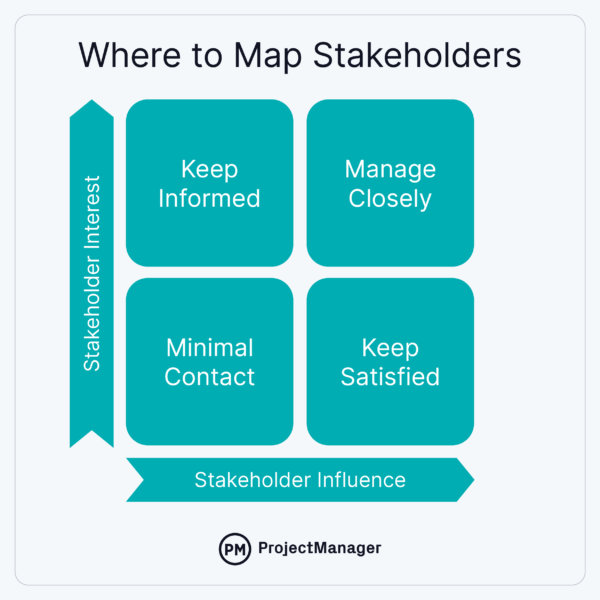
For example, an investor may require analysis of expected financial returns and payback periods, while a regulator may focus on whether compliance costs are controlled within acceptable limits. Value maps enable leaders to balance competing priorities and frame financial performance in terms of what matters most to each audience.
Together, these methodologies—PMI’s stakeholder-centric approach, governance protocols for consistency, and MoP value mapping for alignment—create a robust foundation for transparent, credible, and stakeholder-focused financial communication.
Frameworks and Standards
Frameworks and standards provide the structure and discipline needed to ensure that financial communication is consistent, credible, and strategically aligned across complex initiatives. They anchor stakeholder engagement in recognized best practices, helping organizations avoid ad hoc reporting and instead foster a systematic approach that builds trust and accountability.
PMI Stakeholder Engagement Standards:
The Project Management Institute (PMI) highlights that stakeholder engagement is not a one-off exercise but an ongoing cycle. Needs, interests, and expectations shift throughout the project or program lifecycle, requiring financial communication to adapt in both content and tone.
• Early Stages: At initiation and planning, communication often focuses on the investment rationale, including why funding is required, how resources will be allocated, and the expected benefits.
• Middle Stages: As execution progresses, the emphasis typically moves toward cost efficiency, variance management, and alignment with delivery milestones.
• Later Stages: Toward closure, financial dialogue centers on benefit realization and return on investment, demonstrating that commitments have been achieved and value has been delivered.
This adaptive approach ensures financial communication remains relevant and resonant, aligning with evolving stakeholder priorities rather than relying on static reporting formats.
Governance Communication Protocols in PRINCE2 and ISO:
Governance frameworks such as PRINCE2 and ISO-aligned models embed structured reporting requirements and communication checkpoints into the lifecycle of initiatives. These protocols act as formal guardrails, ensuring that financial updates are validated, transparent, and delivered at moments of greatest significance.
• Checkpoints and Stage-Gates: PRINCE2, for instance, requires stage-end reviews where business cases and financial positions are revalidated before proceeding.
• Standardization: ISO standards reinforce consistency by mandating defined reporting cycles, validated data sources, and documented communication flows.
• Transparency and Control: These frameworks make certain that stakeholders do not receive fragmented updates but rather standardized, reliable financial information at key milestones.
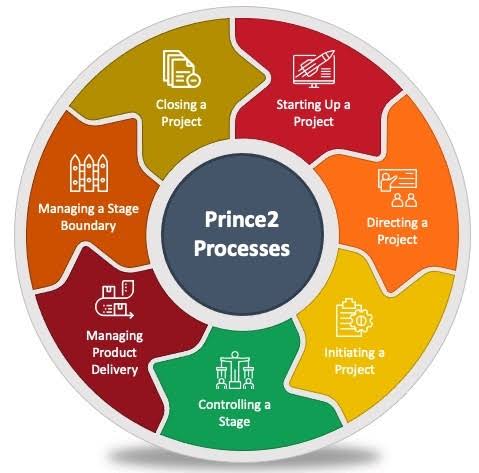
This structured approach reduces ambiguity, strengthens governance oversight, and ensures financial communication supports both transparency and accountability.
MoP and MSP Alignment:
At higher levels of organizational strategy, Management of Portfolios (MoP) and Managing Successful Programmes (MSP) frameworks emphasize financial communication as a mechanism for aligning delivery with strategic objectives.
• MoP Perspective: MoP stresses the importance of continuous stakeholder value validation, ensuring that financial dialogue demonstrates how portfolio-level investments contribute to organizational priorities.
• MSP Perspective: MSP highlights benefits-based communication, where financial updates are not simply about cost tracking but about showing how resources translate into tangible outcomes and benefits realization at the program level.
By combining these perspectives, financial transparency moves beyond compliance reporting into a strategic assurance function—reinforcing the link between financial data, decision-making, and long-term value creation.
Practical Tools and Applications:
Translating financial performance into meaningful stakeholder communication requires tools that bridge the gap between technical financial data and decision-maker needs. These tools shift financial reporting away from being a purely technical or compliance-driven task and toward a strategic communication process that builds understanding, trust, and alignment across diverse audiences.
Financial Summary Reports: Financial summary reports act as the cornerstone of executive communication, condensing critical information—such as budget adherence, variance analysis, and forward-looking forecasts—into concise, accessible formats. These reports emphasize clarity and brevity, often using visual aids such as tables, charts, or traffic-light indicators to highlight areas requiring attention. Effective summary reports allow senior leaders and governance boards to focus quickly on what matters most, avoiding the distraction of unnecessary technical detail.
Communication Frameworks: Structured communication frameworks provide methods for tailoring messages to different stakeholder groups. For example, delivery teams often require line-item detail to track expenditure against specific activities, while executives need broader insights into value-for-money and risk exposure. Governance boards, in contrast, prioritize variance explanations and corrective actions. By using frameworks that segment stakeholders and align messaging with their perspectives, organizations avoid the pitfalls of a one-size-fits-all approach and ensure that communication is consistently clear, purposeful, and aligned with audience needs.
Stakeholder Influence Maps: Stakeholder influence maps are powerful tools for visualizing the interests, levels of influence, and priorities of different stakeholders. These maps enable financial communicators to identify who needs detailed analysis, who requires reassurance, and who can serve as champions of financial decisions. For instance, investors may be primarily concerned with projected returns, while regulators will focus on compliance-related expenditures. Influence mapping ensures that financial communication is targeted, strategic, and impactful, supporting stronger alignment between financial reporting and stakeholder expectations.

Dashboards and Infographics: Modern financial communication increasingly relies on dashboards and infographics to translate raw data into visually engaging, at-a-glance insights. Dashboards can integrate real-time data feeds, showing trends in expenditure, benefits realization, and forecast accuracy. Infographics complement these by simplifying complex financial concepts into digestible visuals, making financial performance accessible even to non-financial stakeholders. Together, these tools allow stakeholders to spot patterns, identify risks, and track progress without needing to navigate dense reports.
Briefing Packs: Briefing packs combine financial data with narrative-driven context, transforming numbers into a story about performance, challenges, and next steps. These packs are especially valuable in governance settings, where stakeholders must not only review the numbers but also understand the rationale behind them. A well-structured briefing pack includes summaries of financial performance, explanations of key variances, scenario analysis, and forward-looking actions. By framing financial updates as part of a strategic dialogue, briefing packs encourage meaningful conversation rather than passive review.
Collectively, these tools elevate financial monitoring into a communication strategy, ensuring that financial insights are not only accurate and timely, but also actionable and trusted. They allow organizations to create a shared understanding of performance, build alignment across stakeholder groups, and support proactive decision-making grounded in financial transparency.
Challenges and Pitfalls
While financial transparency and engagement are widely recognized as critical enablers of success, the way financial information is communicated can determine whether it strengthens or weakens stakeholder confidence. Organizations often struggle to strike the right balance between detail, clarity, and honesty. Missteps in communication can undermine trust, reduce engagement, and create unnecessary friction in governance processes.
1. Information Overload: When stakeholders are presented with reports containing too much raw data or unnecessary technical detail, they quickly become overwhelmed and disengaged. Senior executives and boards, in particular, often lack the time to sift through granular numbers and may overlook important issues buried within lengthy reports. Information overload creates the risk of critical insights being lost in the noise, delaying decision-making and reducing the perceived value of financial reporting.
2. Over-Simplification: At the opposite extreme, organizations sometimes oversimplify financial updates to make them more digestible. While simplification is necessary, removing too much complexity can distort reality. For instance, high-level summaries that omit assumptions, risks, or uncertainties may give stakeholders a false sense of security. Over-simplification undermines credibility when discrepancies inevitably emerge, as stakeholders feel they were not given the full picture.
4. Inconsistent Messaging: Without standardized communication protocols, financial reporting can become fragmented and inconsistent. Different teams may use varied templates, definitions, or reporting cycles, leading to confusion and misalignment across stakeholder groups. Inconsistent messaging not only weakens confidence in the accuracy of financial data but also creates unnecessary friction during governance reviews, where clarity and comparability are essential.
5. Reactive Communication: If financial updates are shared only in response to problems—such as overspending, delays, or risk escalations—stakeholders may view the organization as defensive or lacking control. Reactive communication fosters mistrust, as stakeholders suspect that good news is readily shared while bad news is delayed or obscured. By contrast, proactive, routine financial communication signals discipline and reinforces confidence that risks are being managed effectively.
6. Lack of Transparency in Risks: A frequent pitfall is the tendency to highlight positive achievements while downplaying financial risks or uncertainties. This selective transparency may offer short-term reassurance but almost always erodes credibility in the long term. Stakeholders expect honesty, even when performance is below target, and value visibility of risks alongside successes. Failure to report risks openly prevents stakeholders from contributing to solutions and undermines the culture of accountability that financial transparency is meant to promote.
Avoiding these pitfalls requires organizations to strike a delicate balance: providing enough information to inform and reassure, but not so much that stakeholders are overwhelmed; simplifying without misrepresenting; tailoring communication to diverse needs; and above all, being consistent and transparent. When done well, financial communication becomes a strategic enabler of trust, alignment, and decision-making rather than a compliance exercise.
Best Practices and Success Factors
Building effective stakeholder engagement through financial transparency requires a disciplined yet adaptable approach. The most successful organizations move beyond transactional reporting to create communication strategies that build trust, foster alignment, and encourage dialogue. Several best practices have emerged as consistent success factors in ensuring that financial information drives not only accountability but also stakeholder confidence and collaboration.
Tailor Communication: Different stakeholders have different information needs. Executives often want concise, high-level summaries highlighting financial health and strategic alignment. Delivery teams require detailed breakdowns of expenditures and variances, while regulators or auditors may focus on compliance and assurance. Tailoring communication ensures that each group receives information that resonates with their interests and decision-making responsibilities. By adapting both format and content, financial messages are more likely to be understood, valued, and acted upon.
Be Proactive: One of the most powerful signals of control and discipline is regular, proactive financial communication. Rather than waiting for issues to emerge, organizations that build reporting into routine governance cycles demonstrate consistency and foresight. This approach prevents stakeholders from perceiving financial updates as defensive responses to problems, instead framing them as part of an established rhythm of transparency. Over time, proactive updates strengthen trust, reduce the likelihood of surprises, and support faster, evidence-based decision-making.
Use Visuals and Storytelling: Financial information, when presented only as raw data or lengthy spreadsheets, can be difficult for non-financial stakeholders to interpret. Best practice involves using visual tools such as dashboards, charts, and infographics to simplify complexity and make trends immediately clear. Equally important is storytelling—framing numbers within a narrative that explains progress, risks, and the path ahead. When financial updates are positioned as stories supported by data, they become more accessible, memorable, and persuasive for stakeholders at all levels.
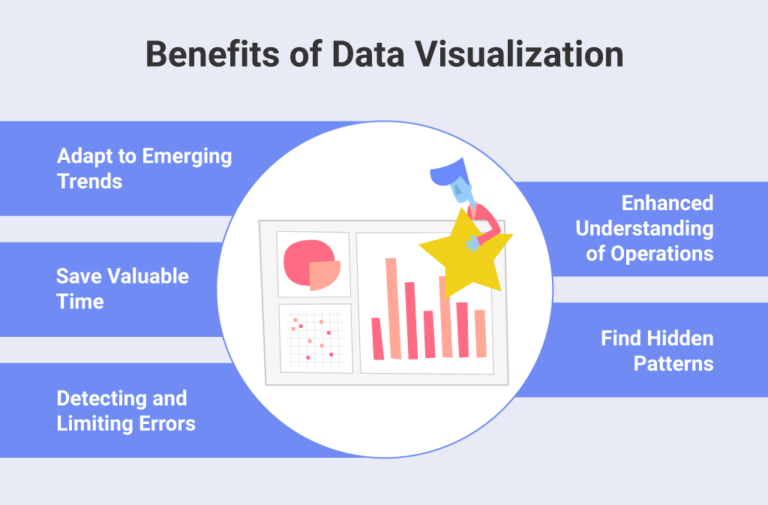
Link Finance to Benefits: Stakeholders are ultimately less interested in isolated cost figures and more concerned with whether investments are delivering value. Financial communication should therefore highlight progress toward strategic benefits—whether those are efficiency gains, market expansion, customer satisfaction, or risk reduction. Linking expenditure to outcomes reinforces the rationale for investment and demonstrates that financial performance is aligned with organizational goals. This outcome-focused framing transforms finance into a value assurance tool rather than simply a cost-control mechanism.
Foster Dialogue, Not Monologue: True transparency is more than one-way reporting—it involves two-way engagement. Best practice communication creates space for stakeholders to ask questions, challenge assumptions, and provide feedback. This dialogue helps surface diverse perspectives, strengthens ownership of financial outcomes, and reduces the risk of misunderstanding. By fostering a culture of collaborative discussion, organizations turn financial communication into an opportunity to build alignment and strengthen decision-making.
Ensure Consistency: Consistency in communication is vital to maintaining stakeholder confidence. This means using standardized templates, dashboards, and reporting cycles, so stakeholders know what to expect and can easily compare updates over time. Consistency also ensures that different teams across the organization deliver aligned messages, reducing the risk of confusion or misinterpretation. Clear governance protocols underpin this practice, embedding financial communication into the overall rhythm of organizational decision-making.
Highlight Risks and Mitigations: Stakeholders are reassured not only by hearing about successes but also by seeing that risks are being acknowledged and managed. Openly highlighting financial risks alongside their corresponding mitigation strategies demonstrates maturity, discipline, and credibility. It reassures stakeholders that leadership is not ignoring challenges and is proactively planning responses. This transparency transforms risks from sources of concern into opportunities for demonstrating resilience and preparedness.
When applied consistently, these practices elevate financial communication from a compliance-driven exercise to a relationship-building mechanism. Stakeholders feel informed, respected, and engaged, while leaders gain stronger support for delivery and governance decisions. Ultimately, these success factors ensure that financial transparency becomes a driver of confidence, alignment, and long-term success.
Effective stakeholder engagement underpins successful financial management. This manual ensures that finance professionals and delivery leaders can build consensus, support, and momentum through clarity, transparency, and purposeful financial dialogue. By framing financial communication as a collaborative process rather than a technical report, organizations strengthen trust, foster alignment, and ensure that financial governance is understood, supported, and championed by all stakeholders.
Case Study: Volkswagen Diesel Emissions Scandal
In 2015, Volkswagen was thrust into one of the most significant corporate scandals of the decade when it was revealed that the company had installed software in millions of diesel vehicles to cheat emissions tests. While the controversy was primarily viewed through the lens of compliance and ethics, its financial governance and communication dimensions were equally critical. Stakeholders—including regulators, investors, employees, and customers—were not given transparent insight into the risks, costs, and potential consequences of Volkswagen’s emissions strategy.
The absence of open and honest financial communication meant that the company’s leadership and wider stakeholder community were ill-prepared for the fallout. Once the scandal broke, Volkswagen’s market value plummeted by more than $30 billion in just a few days, reflecting both direct financial loss and a collapse in investor confidence. Beyond this immediate impact, the company faced billions of dollars in regulatory fines, customer compensation claims, and legal settlements. The scandal also inflicted long-term reputational damage, weakening customer trust and tarnishing Volkswagen’s brand globally.
Post-crisis analysis revealed that the lack of transparent financial reporting and engagement allowed risks to escalate unchecked. If the financial implications of potential regulatory breaches and reputational damage had been clearly communicated internally, corrective action might have been taken earlier, potentially mitigating the scale of financial loss. Instead, opacity in financial dialogue compounded the crisis and left stakeholders blindsided.
This case highlights a critical lesson: financial transparency is not only about reporting numbers accurately but also about creating a culture of open communication where risks and potential liabilities are acknowledged early. Honest and transparent financial dialogue fosters stakeholder trust and provides the space for proactive decision-making, while concealment or selective reporting magnifies both financial and reputational damage.
Exercise 5.9: Recall
Course Manual 10: Lessons Learned and Best Practice in Finance and Case Development
The culmination of any financial management and business case discipline lies not only in execution but also in reflection and learning. Too often, organizations move from one initiative to the next without systematically capturing what worked, what failed, and what could have been done differently. This omission perpetuates avoidable mistakes, weakens governance maturity, and reduces confidence in future business cases.
This manual explores how organizations can strengthen their financial management capability by embedding structured lessons-learned practices and codifying best practice into governance processes. Lessons learned extend beyond documenting failures; they create a continuous improvement loop where experience feeds directly into enhanced processes, stronger business cases, and more resilient decision-making frameworks.
By drawing on knowledge management principles, maturity models, and practical audit tools, this manual provides a structured approach to consolidating learning. It emphasizes the importance of institutional memory in finance and case development, preventing organizations from “reinventing the wheel” with each new investment.
Ultimately, embedding lessons learned into governance not only prevents recurrence of past errors but also fosters a culture of resilience, adaptability, and accountability. It ensures that financial practices evolve with changing environments, supporting ongoing alignment between investment decisions and organizational goals.
The Role of Lessons Learned in Finance and Case Development
Lessons learned serve as a vital bridge between past experiences and future performance. In finance and business case development, they move beyond retrospective reflection to actively shape how organizations govern, plan, and deliver investment initiatives.
Their role extends across several interconnected dimensions:
• Identifying Root Causes of Failure: Many business cases collapse not because the original idea lacked merit, but due to governance shortcomings. Common failures include weak risk assessments that underestimate external volatility, over-optimistic benefit projections, or inadequate stakeholder engagement that leads to resistance and credibility gaps. Lessons-learned reviews expose these underlying causes, enabling organizations to distinguish between flawed concepts and flawed execution. This clarity allows future cases to be built on stronger, more realistic assumptions.
• Strengthening Governance: Every failed or underperforming initiative provides insights into where oversight broke down. For example, if review cycles were too infrequent, or assurance processes were bypassed, the lesson is clear: governance frameworks need strengthening. Embedding these insights into updated protocols—such as more rigorous gate reviews or clearer escalation paths—ensures the same mistakes are not repeated. Over time, governance becomes more resilient and adaptive.
• Enhancing Predictive Capability: By systematically analyzing patterns of success and failure, organizations improve their ability to forecast outcomes in new initiatives. For instance, if certain risk factors repeatedly derail projects (e.g., scope creep, underestimated integration costs), they can be flagged earlier in future cases. This predictive capability transforms lessons learned into a form of organizational foresight, enabling leaders to anticipate and mitigate risks before they materialize.

• Embedding Continuous Improvement: Lessons are not one-off reflections but inputs into an evolving system. When codified into frameworks, checklists, and playbooks, they allow incremental refinements that strengthen both methodology and practice. This creates a feedback loop where each new business case benefits from the accumulated learning of past efforts, embedding a culture of continuous improvement across the organization.
• Fostering Cultural Maturity: Lessons learned are also cultural signals. When organizations prioritize reflection and apply learning transparently, they reinforce accountability and demonstrate that mistakes are opportunities for growth rather than blame. Over time, this builds maturity in financial governance, where stakeholders trust that decisions are informed not only by present data but by accumulated wisdom.
When consistently applied, lessons learned elevate governance from a compliance obligation into a strategic capability. They ensure that every investment decision—whether successful or not—contributes to a stronger foundation for the future.
Core Methodologies for Capturing Lessons
Capturing lessons is not a passive activity—it requires structured methodologies that embed reflection and knowledge sharing into the lifecycle of financial governance and business case development. By applying established frameworks and models, organizations ensure that learning is systematic, repeatable, and capable of driving capability uplift.
Knowledge Management and Learning Loops (AAR, PIR):
• After-Action Reviews (AARs): AARs are conducted immediately after key activities, decisions, or events. They encourage teams to reflect while experiences are still fresh, addressing four critical questions: What was expected? What actually occurred? Why was there a difference? What can we learn? This format is particularly useful for financial milestones such as budget approval cycles, gate reviews, or cost rebaselining, where rapid learning can inform ongoing delivery.
• Post-Implementation Reviews (PIRs): PIRs provide a broader, end-to-end evaluation after initiatives conclude. They assess whether the business case delivered on its original value promises—cost savings, efficiency gains, return on investment—and explore why variances occurred. For example, a PIR might reveal that while financial targets were achieved, benefits realisation lagged due to weak stakeholder adoption. This dual perspective—on financial performance and outcome delivery—creates richer lessons for future initiatives.
Together, AARs and PIRs embed learning loops into governance cycles, ensuring that insights are captured in both the short term (to adjust in real time) and the long term (to strengthen future cases).

Maturity Models for Finance and Business Case Development:
Maturity models provide a structured lens through which to evaluate an organization’s capability in managing finance and developing business cases. They generally describe a journey across five levels of maturity:
1. Ad Hoc: Financial governance is inconsistent, reliant on individual effort rather than systematic practice. Lessons are rarely captured or shared.
2. Repeatable: Some processes exist but remain fragmented; lessons are recorded but not widely disseminated.
3. Defined: Standardized processes and templates are introduced, enabling lessons to be applied more consistently across projects.
4. Managed: Financial governance is quantitatively measured, and lessons learned are integrated into training, tools, and decision-making.
5. Optimized: Continuous improvement is embedded in culture; lessons learned are proactively used to refine business case practice, enhance predictive modelling, and strengthen governance resilience.
At higher levels of maturity, lessons learned evolve from optional reflections to institutionalized practice, ensuring knowledge is captured, codified, and reused as part of the governance framework itself.
P3M3 Improvement Pathways:
The Portfolio, Programme, and Project Management Maturity Model (P3M3) offers a diagnostic tool to assess governance maturity across three layers of organizational activity: portfolios, programmes, and projects. Its improvement pathways highlight where gaps exist and identify interventions needed to close them.
In Finance and Business Case Development, P3M3 focuses on:
• The robustness of financial governance processes.
• The consistency of risk oversight mechanisms.
• The discipline of business case development and ongoing justification.
Crucially, lessons learned are not treated as “afterthoughts” within P3M3—they are explicitly embedded as levers for improvement. For instance, repeated findings of benefit shortfalls across programmes may signal weak benefit-tracking processes, guiding organizations to strengthen benefit realization planning at the portfolio level.
By following P3M3 pathways, organizations avoid repeating the same financial and governance mistakes, progressively moving from reactive management to proactive and predictive financial governance.
These methodologies—AARs and PIRs, maturity models, and P3M3—provide the scaffolding for learning. They ensure that lessons are not episodic or personality-driven, but systematically applied across governance frameworks, thereby driving organizational maturity and resilience.
Frameworks and Standards
Lessons-learned practices gain real value when they are not left to chance, but instead embedded within recognized governance frameworks and international standards. These frameworks ensure that learning is systematic, consistent, and credible, giving organizations both internal resilience and external legitimacy.
PMI Knowledge Management Standards:
The Project Management Institute (PMI) places strong emphasis on knowledge management as a foundation for organizational resilience. Its standards highlight that lessons learned must be captured, documented, and integrated into governance cycles—not just recorded as isolated notes at the end of delivery.
PMI recommends:
• Lessons-learned registers: Centralized repositories where insights from projects, programmes, and portfolios are stored, categorized, and made accessible.
• Structured reviews: Mechanisms such as gate reviews and retrospective workshops, ensuring financial assumptions, budgetary variances, and benefit realizations are discussed openly.
• Feedback loops into governance: Findings are not left static but are reviewed at board or steering committee level, influencing decision-making in future business cases.
This structured approach prevents repetition of past mistakes and creates a culture where finance teams and delivery leaders learn continuously, rather than reactively.
PRINCE2 Post-Project Reviews:
The PRINCE2 methodology mandates that lessons learned extend beyond project boundaries and become part of an organization’s institutional knowledge base. Its post-project review process serves two critical purposes in finance and case development:
1. Consolidation into organizational repositories: Lessons are formally documented and stored in accessible systems, ensuring that insights from one initiative inform future cases.
2. Checkpoint reviews during delivery: Financial milestones, such as business case validation, cost re-forecasting, or benefit tracking, are accompanied by structured reflection points.
By linking lessons directly to financial oversight, PRINCE2 ensures that both successes (accurate forecasting, benefits achieved) and failures (underestimated costs, delayed value realization) are analyzed systematically, turning individual experiences into enterprise-wide learning.
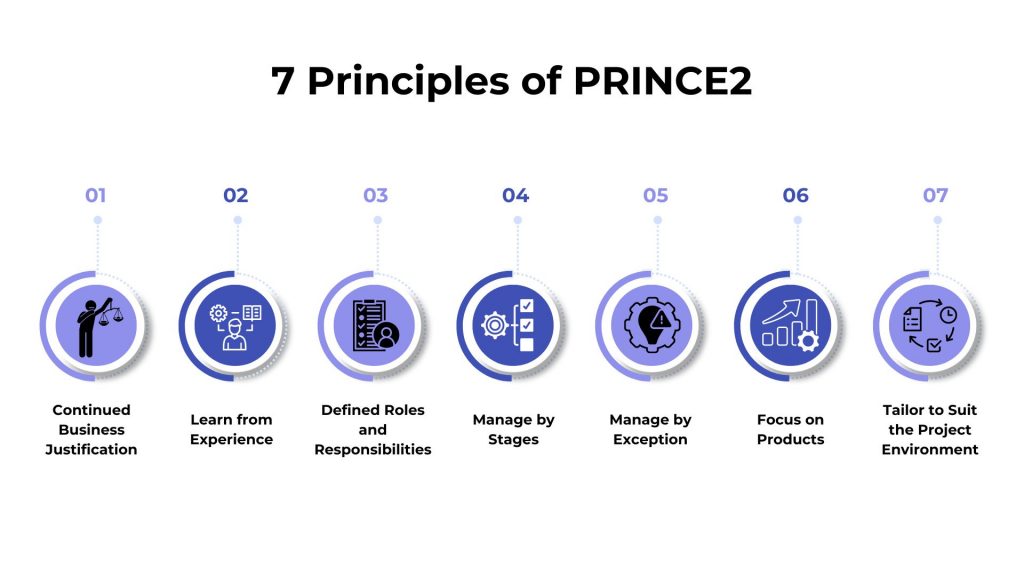
ISO Governance and Continuous Improvement Standards:
International ISO standards emphasize feedback-driven governance and continuous improvement. Within finance and business case management, ISO frameworks require organizations to:
• Act upon audit findings and ensure corrective measures are implemented.
• Formalize stakeholder feedback loops, ensuring financial communication reflects real-world concerns.
• Document and monitor improvement pathways, making lessons learned traceable and verifiable.
This ensures that financial governance is not only internally effective but also externally defensible, aligning with compliance, audit, and regulatory requirements. In practice, this builds confidence among investors, boards, and regulators that lessons are systematically applied rather than informally discussed.
P3M3 as a Benchmarking Tool:
The Portfolio, Programme, and Project Management Maturity Model (P3M3) provides organizations with a diagnostic benchmark for assessing governance maturity. In the context of finance and case development, it enables organizations to:
• Measure current capability: Understanding whether lessons are ad hoc, inconsistently applied, or systematically embedded.
• Translate lessons into improvement steps: Identifying specific governance gaps (e.g., weak cost tracking, inconsistent risk reporting) and prioritizing improvements.
• Track maturity progression over time: Ensuring that financial governance evolves steadily, supported by evidence and reflection, rather than one-off interventions.
By providing a staged maturity pathway, P3M3 ensures that organizations are not only capturing lessons but also using them as a mechanism for measurable progress in financial oversight.
By aligning lessons-learned practices with PMI, PRINCE2, ISO, and P3M3, organizations avoid fragmented, personality-driven approaches to improvement. Instead, they establish globally recognized, credible, and repeatable processes that strengthen financial governance, embed accountability, and reinforce continuous learning.
These frameworks create a bridge between reflection and improvement, ensuring that the capture of lessons is not symbolic but transformational, directly influencing how future business cases are developed, approved, and governed.
Practical Tools and Applications
While frameworks and standards provide the strategic scaffolding for capturing lessons, it is the practical tools that ensure those lessons are acted upon and embedded into day-to-day practice. Without such tools, insights risk remaining abstract or siloed, rather than becoming levers for tangible governance improvement. The following applications represent proven mechanisms for turning reflection into applied learning in finance and business case development.
Lessons Learned Repositories:
Centralized repositories act as the institutional memory of an organization. They consolidate lessons across projects, programs, and portfolios, preventing “corporate amnesia” where valuable knowledge is lost due to staff turnover or shifting priorities. Effective repositories:
• Categorize insights by themes such as forecasting accuracy, risk management, stakeholder engagement, or benefit realization.
• Provide searchable, user-friendly access so finance and governance teams can quickly retrieve relevant lessons during business case development.
• Encourage cross-sector learning, allowing insights from one initiative (e.g., IT transformation) to inform another (e.g., regulatory compliance).
By institutionalizing knowledge, repositories ensure that lessons are not person-dependent but system-dependent, strengthening organizational resilience.
Finance Governance Audit Tools:
Audit tools provide structured methods for testing whether financial practices align with governance standards. They shift lessons learned from subjective reflection into objective, evidence-based assessments. Typically, these tools:
• Review compliance with standards such as PMI, PRINCE2, ISO, or internal governance frameworks.
• Test the robustness of practices such as cost tracking, risk escalation, and variance reporting.
• Generate gap analyses, highlighting areas where lessons indicate recurring weaknesses.
By embedding audit tools into governance cycles, organizations create a feedback mechanism that ensures lessons are not just captured but also validated and actioned.
Best Practice Checklists:
Checklists convert abstract lessons into practical reminders that can be applied consistently across teams and initiatives. Their value lies in simplicity and accessibility. For example, a checklist for business case development might include prompts such as:
• Have financial assumptions been stress-tested against multiple scenarios?
• Has stakeholder feedback been integrated into cost-benefit analysis?
• Have lessons from previous projects been applied to risk estimates?
By codifying insights into repeatable steps, checklists reduce the likelihood of repeated mistakes, particularly under time pressure or in high-complexity environments.
Feedback Loops in Dashboards:
Modern governance dashboards can do more than track live performance—they can integrate historical lessons directly into reporting. For example:
• A dashboard may display not only current budget variances but also highlight patterns from past initiatives where similar variances occurred.
• Alerts can be configured to flag risks previously identified as critical failure points.
• Visual overlays can connect present data to past outcomes, reinforcing the continuity of learning.
By embedding lessons into real-time reporting, dashboards move from being static tools to dynamic governance enablers, ensuring that past experience actively shapes present decision-making.
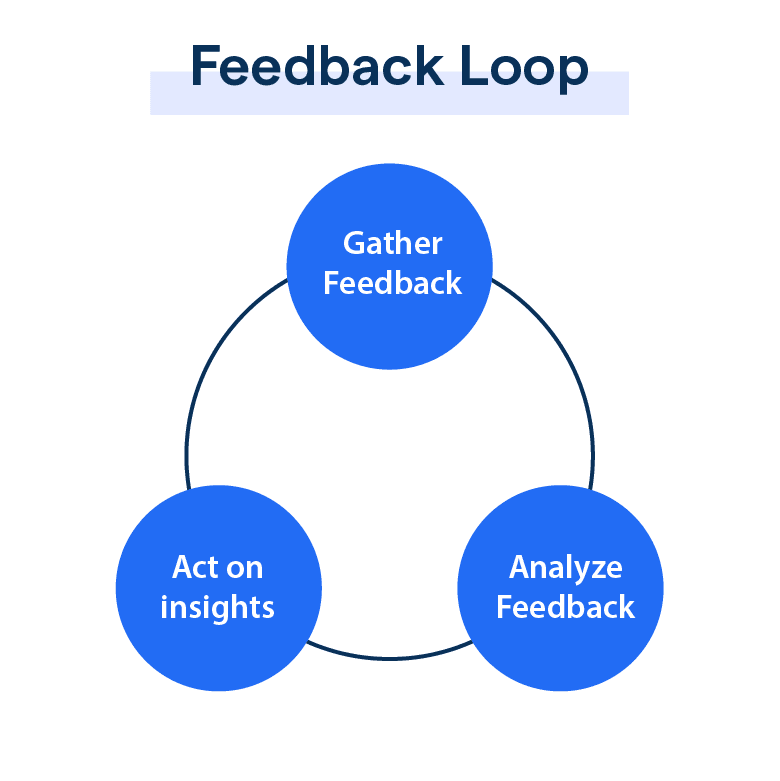
Training and Workshops:
Capturing lessons is insufficient unless they are internalized and applied by people. Structured training and facilitated workshops ensure that financial and delivery teams translate abstract insights into improved behaviors. These can take the form of:
• Case study workshops, where teams analyze real successes and failures, identifying what could be replicated or avoided.
• Simulation exercises, applying lessons from previous initiatives to new, hypothetical business cases.
• Ongoing learning modules, embedding insights into leadership development and finance professional training pathways.
This approach transforms lessons learned from static documentation into living organizational capabilities, ensuring that knowledge is retained, disseminated, and acted upon.
These tools—repositories, audits, checklists, dashboards, and training—ensure that lessons do not remain abstract or symbolic. Instead, they translate reflection into applied practice, creating a cycle where past experiences actively shape future financial governance. By embedding these tools into routine processes, organizations can move beyond ad hoc learning and establish a systematic culture of continuous improvement.
Challenges and Pitfalls
While lessons-learned practices hold enormous potential, their effectiveness depends on the depth, quality, and culture of reflection. Too often, organizations establish formal processes for capturing lessons but fail to embed them meaningfully into governance or decision-making. The following pitfalls highlight common weaknesses that can limit the value of lessons in financial and business case practice:
1. Superficial Reflection: Lessons-learned reviews risk becoming a “tick-box exercise” when conducted without genuine inquiry. For example, teams may record vague conclusions such as “improve communication” or “tighten financial controls” without exploring the specific causes, contexts, or corrective actions. This lack of depth undermines the credibility of the process, as the same issues resurface in future initiatives. Effective reflection requires structured questioning, root cause analysis, and action-oriented recommendations rather than superficial observations.
2. Failure to Share: Even when valuable insights are captured, they often remain siloed within one team, report, or department. Without mechanisms for broader dissemination, lessons fail to influence future initiatives across the organization. In finance and business case development, this means errors in assumptions, benefits planning, or risk governance are repeated in other projects. To counter this, organizations need centralized repositories, cross-functional workshops, and knowledge-sharing protocols that make lessons visible and usable across all governance levels.
3. Blame Culture: A common barrier to honest reflection is the presence of a blame culture. If lessons-learned sessions are perceived as vehicles for criticism or scapegoating, individuals will avoid transparency, downplay risks, or withhold insights. This reduces the authenticity of captured lessons and erodes trust. Instead, lessons-learned processes must be framed as constructive, forward-looking exercises, emphasizing systemic improvements rather than individual fault. Psychological safety and leadership sponsorship are critical to achieving this cultural maturity.
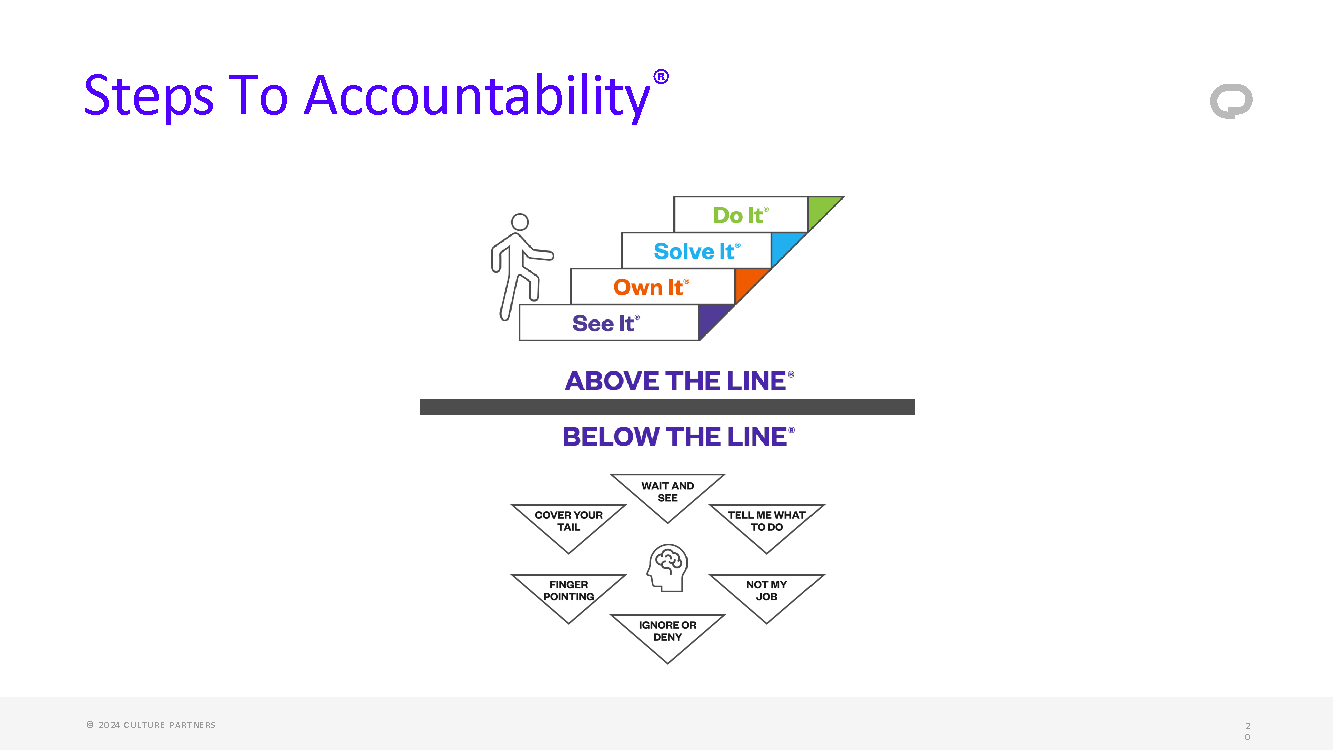
4. Overlooking Successes: Lessons-learned reviews frequently focus disproportionately on failures or problems, neglecting to analyze successes. Yet examining why financial governance or business cases succeeded can provide equally valuable insights, such as replicable forecasting techniques, effective stakeholder engagement strategies, or strong governance practices. Without capturing successes, organizations risk failing to embed repeatable strengths into future initiatives. Balanced reviews should therefore highlight what worked well, what should be sustained, and what should be avoided.
5. Static Repositories: Repositories are powerful tools, but they often become static archives where lessons are stored rather than applied. Without integration into training, governance reviews, or decision-making frameworks, repositories lose relevance and value over time. This creates the illusion of maturity—systems exist, but they are not utilized. To avoid this, lessons must be actively integrated into checklists, dashboards, audit tools, and business case templates, ensuring that they inform real-time practice rather than gather dust.
6. Short-Term Focus: Many organizations conduct lessons-learned exercises immediately after project delivery but fail to revisit long-term outcomes and benefits realization. As a result, critical insights into sustainability, cost-benefit alignment, and post-implementation risks are lost. For example, a business case may appear successful at delivery but fail to realize promised benefits over several years. Lessons learned should therefore include follow-up reviews at benefit realization milestones, ensuring that financial governance reflects not only short-term delivery but also long-term value creation.
Avoiding these pitfalls requires leadership commitment, cultural maturity, and structured governance processes that reinforce lessons as tools for growth rather than obligations. By addressing these challenges, organizations move from reactive reflection to proactive learning, embedding lessons into the DNA of financial management and business case development.
Real-World Successes and Failures in Financial and Business Case Practice
Reflecting on past successes and failures is central to embedding learning into organizational practice. Case examples demonstrate that financial governance and business case discipline are not abstract concepts—they directly influence whether initiatives succeed, falter, or collapse entirely. By comparing contrasting outcomes, organizations can strengthen capability, avoid repeating mistakes, and replicate proven approaches.
Success: London 2012 Olympics Business Case and Governance
The London 2012 Olympics was one of the largest and most scrutinized public sector programs in modern history. With billions of pounds committed, political visibility was high and the risk of reputational damage significant. The program distinguished itself through rigorous business case discipline, transparent financial reporting, and strong governance structures. Regular assurance reviews by independent bodies provided oversight and early warnings of risks. Transparent reporting to both government and the public built trust and created the political space to make difficult but necessary adjustments. Ultimately, the Games were delivered on time and approximately £377 million under budget, an almost unprecedented achievement at such scale.
Lesson: Robust governance and transparent financial communication do not just protect credibility; they enable large-scale initiatives to adapt, maintain confidence, and succeed despite complexity.
Failure: NHS National Programme for IT (NPfIT)
The NPfIT, launched in 2002, was designed to revolutionize the NHS by digitizing patient records nationwide. At an estimated cost of over £12 billion, it was one of the world’s most ambitious IT programs. Yet by 2011, the initiative was abandoned. Key weaknesses included unrealistic benefit projections, weak governance controls, and inadequate stakeholder engagement. Risks were systematically underreported, and overly optimistic assumptions about adoption and technical delivery eroded confidence. Financial transparency was limited, making it difficult for decision-makers to intervene effectively until it was too late.
Lesson: Even when well-funded, initiatives fail without strong financial governance and open stakeholder dialogue. Overstating benefits while downplaying risks undermines credibility and ultimately derails delivery.
Success: Toyota Production System Expansion
Toyota’s decision to roll out its production system globally represents a textbook example of aligning financial governance with strategic value. Rather than chasing short-term cost savings, Toyota’s business cases emphasized long-term efficiency, product quality, and global competitiveness. Financial discipline was matched with strategic foresight, embedding continuous improvement principles across international operations. This approach not only strengthened Toyota’s market position but also sustained profitability across decades, making the Toyota Production System a benchmark for operational and financial excellence worldwide.
Lesson: Business cases that link financial rigor with strategic alignment create durable, long-term value and resilience in the face of global competition.
Failure: Kodak’s Digital Transition Business Case
Kodak invented one of the first digital cameras in the 1970s, yet the company’s financial strategy remained tied to its highly profitable film business for decades. Rather than committing resources to scale digital innovation, Kodak’s leadership produced weak or delayed business cases that failed to address disruptive market forces. Overconfidence in legacy revenue streams and reluctance to challenge the established financial model left Kodak vulnerable to competitors. By the time serious investment was made, rivals had captured the market, leading to Kodak’s bankruptcy in 2012.
Lesson: Business cases that ignore or underestimate market disruption and shifting value drivers lead to strategic and financial collapse.
Together, these examples highlight that successful business cases are not defined simply by financial numbers, but by their credibility, alignment with strategy, and capacity to anticipate risks and disruption. Failures often stem not from a lack of funding or technical ambition, but from weak governance, flawed assumptions, or cultural resistance to change. Conversely, successes are grounded in transparent communication, strategic foresight, and disciplined governance.
Best Practices and Success Factors
Effective lessons-learned practice requires more than simply documenting insights—it demands embedding reflection into the DNA of financial governance and business case development. The following success factors represent proven approaches that help ensure lessons learned drive meaningful and lasting organizational improvement:
• Normalize Reflection: Lessons-learned exercises should not be viewed as optional or a one-off activity at project close. Instead, they should be a standard feature of governance reviews, portfolio reporting, and benefit realization checkpoints. By institutionalizing reflection, organizations foster a culture in which learning is expected, valued, and continuous.
• Focus on Root Causes: Superficial reviews that capture only visible issues—such as a missed deadline or cost overrun—provide limited value. The real strength of lessons-learned analysis lies in identifying systemic weaknesses, such as inadequate financial controls, unrealistic benefit assumptions, or recurring stakeholder misalignment. Root cause analysis ensures that corrective action addresses the underlying problem rather than symptoms.
• Celebrate Successes: While failures often dominate lessons-learned discussions, successes can be equally powerful. Highlighting examples of effective financial governance or well-constructed business cases encourages replication of strong practices. Celebrating wins reinforces desired behaviors and motivates teams to continue applying best practice.
• Ensure Accessibility: A common challenge is that lessons, once captured, are difficult to access or remain buried in static reports. By storing insights in searchable, user-friendly repositories—linked to project, program, or portfolio tools—organizations create living knowledge bases that support future planning and decision-making.
• Link to Training: Lessons only deliver value if they shape future behaviors. Integrating them into staff training, leadership development, and induction programs ensures insights are carried forward into the next generation of decision-makers. Training that draws on real-world organizational experience enhances credibility and practicality.
• Maintain Objectivity: To avoid bias or defensiveness, lessons-learned reviews benefit from independent facilitation or external audit support. This helps ensure that findings are evidence-based, balanced, and free from political influence, making them more likely to be trusted and acted upon.
• Embed in Governance Cycles: Reflection has the greatest impact when it is tied to established governance milestones, such as stage-gate reviews, benefit realization assessments, and portfolio-level reporting cycles. This alignment ensures that insights are revisited at key decision points, transforming them from static knowledge into dynamic inputs for ongoing governance.
When applied consistently, these practices elevate lessons-learned activities beyond compliance or knowledge capture. They become a strategic enabler of capability uplift, ensuring that financial governance and business case development improve with each cycle, building resilience and strengthening long-term value delivery.
By consolidating knowledge, sharing proven approaches, and highlighting avoidable failures, this manual completes the framework, focusing on resilience and improvement. It empowers practitioners to embed continuous learning and best practice in finance and investment governance, supporting sustained value realization. Lessons learned ensure that organizations do not simply repeat past mistakes but instead evolve, refine, and mature their governance processes, making finance and business case development a cornerstone of lasting organizational capability.
Case Study: NASA’s Challenger Disaster and Lessons for Governance
In 1986, the NASA Challenger shuttle disaster exposed fundamental failures in decision-making and risk communication. Despite engineers’ warnings about faulty O-rings in cold temperatures, financial and schedule pressures influenced leadership to proceed. The disaster highlighted systemic flaws:
• A culture that suppressed dissenting voices.
• Failure to integrate technical risk into business case and schedule considerations.
• Weak governance protocols for escalating critical financial and risk data.
The lessons transformed NASA’s governance. New standards mandated formal risk registers, transparent escalation protocols, and independent assurance reviews. These reforms embedded structured lessons-learned mechanisms, influencing not only NASA but also global standards for risk, finance, and governance in complex projects.
This case underscores how failures, if openly acknowledged, can lead to enduring improvements in governance maturity.
Exercise 5.10: Success and Failure
Project Studies

Project Study (Part 1) – Customer Service
The Head of this Department is to provide a detailed report relating to the Finance Management process that has been implemented within their department, together with all key stakeholders, as a result of conducting this workshop, incorporating process: planning; development; implementation; management; and review. Your process should feature the following 12 parts:
01. Strategic Finance Management in Change Initiatives
02. Fundamentals of Cost Estimation and Budget Planning
03. Funding Models and Investment Approval Processes
04. Developing a Compelling Business Case
05. Financial Appraisal and Cost-Benefit Analysis
06. Integrating Risk, Contingency and Financial Controls
07. Lifecycle-Based Financial Monitoring and Control
08. Business Case as a Living Document
09. Stakeholder Engagement and Financial Transparency
10. Lessons Learned and Best Practice in Finance and Case Development
Please include the results of the initial evaluation and assessment.

Project Study (Part 2) – E-Business
The Head of this Department is to provide a detailed report relating to the Finance Management process that has been implemented within their department, together with all key stakeholders, as a result of conducting this workshop, incorporating process: planning; development; implementation; management; and review. Your process should feature the following 12 parts:
01. Strategic Finance Management in Change Initiatives
02. Fundamentals of Cost Estimation and Budget Planning
03. Funding Models and Investment Approval Processes
04. Developing a Compelling Business Case
05. Financial Appraisal and Cost-Benefit Analysis
06. Integrating Risk, Contingency and Financial Controls
07. Lifecycle-Based Financial Monitoring and Control
08. Business Case as a Living Document
09. Stakeholder Engagement and Financial Transparency
10. Lessons Learned and Best Practice in Finance and Case Development
Please include the results of the initial evaluation and assessment.

Project Study (Part 3) – Finance
The Head of this Department is to provide a detailed report relating to the Finance Management process that has been implemented within their department, together with all key stakeholders, as a result of conducting this workshop, incorporating process: planning; development; implementation; management; and review. Your process should feature the following 12 parts:
01. Strategic Finance Management in Change Initiatives
02. Fundamentals of Cost Estimation and Budget Planning
03. Funding Models and Investment Approval Processes
04. Developing a Compelling Business Case
05. Financial Appraisal and Cost-Benefit Analysis
06. Integrating Risk, Contingency and Financial Controls
07. Lifecycle-Based Financial Monitoring and Control
08. Business Case as a Living Document
09. Stakeholder Engagement and Financial Transparency
10. Lessons Learned and Best Practice in Finance and Case Development
Please include the results of the initial evaluation and assessment.

Project Study (Part 4) – Globalization
The Head of this Department is to provide a detailed report relating to the Finance Management process that has been implemented within their department, together with all key stakeholders, as a result of conducting this workshop, incorporating process: planning; development; implementation; management; and review. Your process should feature the following 12 parts:
01. Strategic Finance Management in Change Initiatives
02. Fundamentals of Cost Estimation and Budget Planning
03. Funding Models and Investment Approval Processes
04. Developing a Compelling Business Case
05. Financial Appraisal and Cost-Benefit Analysis
06. Integrating Risk, Contingency and Financial Controls
07. Lifecycle-Based Financial Monitoring and Control
08. Business Case as a Living Document
09. Stakeholder Engagement and Financial Transparency
10. Lessons Learned and Best Practice in Finance and Case Development
Please include the results of the initial evaluation and assessment.

Project Study (Part 5) – Human Resources
The Head of this Department is to provide a detailed report relating to the Finance Management process that has been implemented within their department, together with all key stakeholders, as a result of conducting this workshop, incorporating process: planning; development; implementation; management; and review. Your process should feature the following 12 parts:
01. Strategic Finance Management in Change Initiatives
02. Fundamentals of Cost Estimation and Budget Planning
03. Funding Models and Investment Approval Processes
04. Developing a Compelling Business Case
05. Financial Appraisal and Cost-Benefit Analysis
06. Integrating Risk, Contingency and Financial Controls
07. Lifecycle-Based Financial Monitoring and Control
08. Business Case as a Living Document
09. Stakeholder Engagement and Financial Transparency
10. Lessons Learned and Best Practice in Finance and Case Development
Please include the results of the initial evaluation and assessment.

Project Study (Part 6) – Information Technology
The Head of this Department is to provide a detailed report relating to the Finance Management process that has been implemented within their department, together with all key stakeholders, as a result of conducting this workshop, incorporating process: planning; development; implementation; management; and review. Your process should feature the following 12 parts:
01. Strategic Finance Management in Change Initiatives
02. Fundamentals of Cost Estimation and Budget Planning
03. Funding Models and Investment Approval Processes
04. Developing a Compelling Business Case
05. Financial Appraisal and Cost-Benefit Analysis
06. Integrating Risk, Contingency and Financial Controls
07. Lifecycle-Based Financial Monitoring and Control
08. Business Case as a Living Document
09. Stakeholder Engagement and Financial Transparency
10. Lessons Learned and Best Practice in Finance and Case Development
Please include the results of the initial evaluation and assessment.

Project Study (Part 7) – Legal
The Head of this Department is to provide a detailed report relating to the Finance Management process that has been implemented within their department, together with all key stakeholders, as a result of conducting this workshop, incorporating process: planning; development; implementation; management; and review. Your process should feature the following 12 parts:
01. Strategic Finance Management in Change Initiatives
02. Fundamentals of Cost Estimation and Budget Planning
03. Funding Models and Investment Approval Processes
04. Developing a Compelling Business Case
05. Financial Appraisal and Cost-Benefit Analysis
06. Integrating Risk, Contingency and Financial Controls
07. Lifecycle-Based Financial Monitoring and Control
08. Business Case as a Living Document
09. Stakeholder Engagement and Financial Transparency
10. Lessons Learned and Best Practice in Finance and Case Development
Please include the results of the initial evaluation and assessment.
Project Study (Part 8) – Management
The Head of this Department is to provide a detailed report relating to the Finance Management process that has been implemented within their department, together with all key stakeholders, as a result of conducting this workshop, incorporating process: planning; development; implementation; management; and review. Your process should feature the following 12 parts:
01. Strategic Finance Management in Change Initiatives
02. Fundamentals of Cost Estimation and Budget Planning
03. Funding Models and Investment Approval Processes
04. Developing a Compelling Business Case
05. Financial Appraisal and Cost-Benefit Analysis
06. Integrating Risk, Contingency and Financial Controls
07. Lifecycle-Based Financial Monitoring and Control
08. Business Case as a Living Document
09. Stakeholder Engagement and Financial Transparency
10. Lessons Learned and Best Practice in Finance and Case Development
Please include the results of the initial evaluation and assessment.
Project Study (Part 9) – Marketing
The Head of this Department is to provide a detailed report relating to the Finance Management process that has been implemented within their department, together with all key stakeholders, as a result of conducting this workshop, incorporating process: planning; development; implementation; management; and review. Your process should feature the following 12 parts:
01. Strategic Finance Management in Change Initiatives
02. Fundamentals of Cost Estimation and Budget Planning
03. Funding Models and Investment Approval Processes
04. Developing a Compelling Business Case
05. Financial Appraisal and Cost-Benefit Analysis
06. Integrating Risk, Contingency and Financial Controls
07. Lifecycle-Based Financial Monitoring and Control
08. Business Case as a Living Document
09. Stakeholder Engagement and Financial Transparency
10. Lessons Learned and Best Practice in Finance and Case Development
Please include the results of the initial evaluation and assessment.

Project Study (Part 10) – Production
The Head of this Department is to provide a detailed report relating to the Finance Management process that has been implemented within their department, together with all key stakeholders, as a result of conducting this workshop, incorporating process: planning; development; implementation; management; and review. Your process should feature the following 12 parts:
01. Strategic Finance Management in Change Initiatives
02. Fundamentals of Cost Estimation and Budget Planning
03. Funding Models and Investment Approval Processes
04. Developing a Compelling Business Case
05. Financial Appraisal and Cost-Benefit Analysis
06. Integrating Risk, Contingency and Financial Controls
07. Lifecycle-Based Financial Monitoring and Control
08. Business Case as a Living Document
09. Stakeholder Engagement and Financial Transparency
10. Lessons Learned and Best Practice in Finance and Case Development
Please include the results of the initial evaluation and assessment.

Project Study (Part 11) – Logistics
The Head of this Department is to provide a detailed report relating to the Finance Management process that has been implemented within their department, together with all key stakeholders, as a result of conducting this workshop, incorporating process: planning; development; implementation; management; and review. Your process should feature the following 12 parts:
01. Strategic Finance Management in Change Initiatives
02. Fundamentals of Cost Estimation and Budget Planning
03. Funding Models and Investment Approval Processes
04. Developing a Compelling Business Case
05. Financial Appraisal and Cost-Benefit Analysis
06. Integrating Risk, Contingency and Financial Controls
07. Lifecycle-Based Financial Monitoring and Control
08. Business Case as a Living Document
09. Stakeholder Engagement and Financial Transparency
10. Lessons Learned and Best Practice in Finance and Case Development
Please include the results of the initial evaluation and assessment.

Project Study (Part 12) – Education
The Head of this Department is to provide a detailed report relating to the Finance Management process that has been implemented within their department, together with all key stakeholders, as a result of conducting this workshop, incorporating process: planning; development; implementation; management; and review. Your process should feature the following 12 parts:
01. Strategic Finance Management in Change Initiatives
02. Fundamentals of Cost Estimation and Budget Planning
03. Funding Models and Investment Approval Processes
04. Developing a Compelling Business Case
05. Financial Appraisal and Cost-Benefit Analysis
06. Integrating Risk, Contingency and Financial Controls
07. Lifecycle-Based Financial Monitoring and Control
08. Business Case as a Living Document
09. Stakeholder Engagement and Financial Transparency
10. Lessons Learned and Best Practice in Finance and Case Development
Please include the results of the initial evaluation and assessment.
Program Benefits
Management
- Executive Understanding
- Effective Governance
- Knowledge Management
- Portfolio Excellence
- Methods Standardization
- Program Mastery
- Project Success
- Implementation Skills
- Defined Purpose
- Efficient Budgeting
Operations
- Corporate Agility
- Competitive Edge
- Improved Communication
- Better Decisions
- Practical Approach
- Modern Tools
- Process Customization
- Enhanced Performance
- Productive Workforce
- Optimized Investment
Human Resources
- Reduced Risk
- Inclusive Collaboration
- Greater Success
- Action Plans
- Justified Budget
- Shared Vision
- Improved Culture
- Increased Productivity
- Better Processes
- Focused Innovation
Client Telephone Conference (CTC)
If you have any questions or if you would like to arrange a Client Telephone Conference (CTC) to discuss this particular Unique Consulting Service Proposition (UCSP) in more detail, please CLICK HERE.