

AI-Talent Fusion – Workshop 1 (Innovation Diagnosis)

The Appleton Greene Corporate Training Program (CTP) for AI-Talent Fusion is provided by Dr. Adeleye Certified Learning Provider (CLP). Program Specifications: Monthly cost USD$2,500.00; Monthly Workshops 6 hours; Monthly Support 4 hours; Program Duration 12 months; Program orders subject to ongoing availability.
If you would like to view the Client Information Hub (CIH) for this program, please Click Here
Learning Provider Profile
Dr. Adeleye, PhD, a distinguished talent development and innovative leadership consultant, is on a mission to guide organizations to unlock the full potential of their talent investments. With a profound background in academia and R&D within the biotechnology and pharmaceutical industries, she earned her PhD in Immunology from the National Institute of Medical Research, London, UK. She holds professional certifications in leadership and executive coaching and various aspects of talent management. The early background of her career provided various aspects of Dr. Adeleye’ s gradual progression into themes of reinvention and innovation thereafter advancement in the professional training field.
In her first role as a professor in academia, she worked alongside other university professor colleagues to upskill pharmacists who were trained in various global locations countries to become equipped to practice the profession of pharmacy in her home country. Thus, she carried out her first innovation driven by talent training – enabling skilled professionals to innovate and adapt their previously acquired skills towards productivity in a new location and work environment.
Subsequently in her role as a R&D biomedical scientist in a biotechnology company, Dr. Adeleye became accustomed to the lack of leadership and soft skills proficiency amongst highly skilled technical and scientific employees. This gap in proficiency served as a stimulus for her in the creation and delivery of leadership trainings and executive coaching services when she changed careers into professional training and coaching.
In this phase, the concept of innovation driven by talent took on a new meaning for Dr. Adeleye. As an advocate of continuous learning, she provided leadership trainings and hosted leadership enabling events for professionals in various industries especially those in the STEM fields. This upskilling process towards acquiring collaborative leadership acumen served as innovation driven by talent for these next generation leaders, enabling them to acquire newer set of skills to take on innovative leadership roles in their organizations. Innovation driven by talent remained a priority theme in Dr. Adeleye’s services when she later shifted her focus more to talent development, with the core focus of enabling organizations to maximize their ROI on talent investments.
In her over 15 years of experience in the professional training field, Dr. Adeleye has evolved into a Talent Value Maximizer, specializing in areas such as Talent Development, Learning and Development, and Business Strategy. She is a certified recertification provider for the Society for Human Resources Management (SHRM), emphasizing her commitment to upholding the highest standards in the industry. As the CEO of a leadership and talent development consulting firm, in addition to talent strategy advisory, she provides corporate trainings on different aspects of talent management such as internal talent mobility, navigating careers and innovation driven by talent. She champions cross-skills training within organizations, enabling the optimization of talent values and proactive succession planning. With a unique blend of scientific expertise and coaching prowess, she is positioned to guide organizations through purpose-driven growth plans in today’s global and digitized workforce environment. Dr. Adeleye ’s work and thought leadership continue to inspire HR leaders and talent managers to build agile, adaptable, and growth-oriented teams that thrive in today’s rapidly changing business environments.
In the rapidly evolving hybrid and AI-enabled workplace environment, the role of enhancing innovation- equipping talent to embrace innovative mindsets and become the drivers of innovation within organizations- will be an increasing necessity. Innovation driven by talent will continue to be a well sought after area of corporate training and employee development because as the technological advancements of AI and automation continue to evolve, so will the need for continuous upskilling and reskilling intensify. Organizations will require innovative talent strategies to harness these technologies effectively. Using an AI-TALENT FUSION concept presents l opportunities for driving such in our future work environment.
In addition, global business themes such as the expansion of global markets, the permanence of remote work, increasingly diverse workforce demographics and more focus on sustainability will all continue to make it necessary for organizations to innovate thus driving the need for innovation capabilities in employees.
In awareness of all these factors, Dr Adeleye is well vested in the area of enabling talent to continue to be champions of innovation in their organizations. In addition to providing corporate trainings on innovation enhanced by AI-TALENT FUSION, she aims to continue to use various avenues to pursue this mission. Through signature talks, industry partnerships, talent ecosystem collaborations and other future-ready workforce initiatives, equipping talent for innovation will be a strategic compass guiding Dr. Adeleye’s influential leadership.
To request further information about Dr. Adeleye through Appleton Greene, please Click Here.

MOST Analysis

Mission Statement
The primary objective of this module is to establish a solid foundation for understanding innovation in the context of talent management and to assess the current state of innovation within the organization. Participants will learn to apply SMART principles to talent development and gain proficiency in using innovation assessment tools. Through interactive exercises and case studies, they will develop the skills to set aspirational yet achievable innovation goals, laying the groundwork for the entire program.

Objectives
01. Understand Foundational Innovation Concepts: departmental SWOT analysis; strategy research & development. Time Allocated: 1 Month
02. Master Process Mapping Techniques; departmental SWOT analysis; strategy research & development. Time Allocated: 1 Month
03. Conduct Comprehensive SWOT Analyses; departmental SWOT analysis; strategy research & development. Time Allocated: 1 Month
04. Apply Value Stream Mapping for Optimization; departmental SWOT analysis; strategy research & development. Time Allocated: 1 Month
05. Utilize AI for Diagnostic Insights; departmental SWOT analysis; strategy research & development. Time Allocated: 1 Month
06. Establish Robust Data Metrics for Innovation; departmental SWOT analysis; strategy research & development. Time Allocated: 1 Month
07. Perform Strategic Gap Analysis: departmental SWOT analysis; strategy research & development. 1 Month
08. Design Optimized Workflows: departmental SWOT analysis; strategy research & development. Time Allocated: 1 Month
09. Strategically Allocate Resources: departmental SWOT analysis; strategy research & development. Time Allocated: 1 Month
10. Optimize Talent Allocation for Innovation:: departmental SWOT analysis; strategy research & development. Time Allocated: 1 Month
11. Enhance Internal Innovation Communications: departmental SWOT analysis; strategy research & development. Time Allocated: 1 Month
12. Implement Continuous Innovation Review Cycles: departmental SWOT analysis; strategy research & development. Time Allocated: 1 Month

Strategies
01. Understand Foundational Innovation Concepts: Each individual department head to undertake departmental SWOT analysis; strategy research & development.
02. Master Process Mapping Techniques: Each individual department head to undertake departmental SWOT analysis; strategy research & development.
03. Conduct Comprehensive SWOT Analyses: Each individual department head to undertake departmental SWOT analysis; strategy research & development.
04. Apply Value Stream Mapping for Optimization: Each individual department head to undertake departmental SWOT analysis; strategy research & development.
05. Utilize AI for Diagnostic Insights: Each individual department head to undertake departmental SWOT analysis; strategy research & development.
06. Establish Robust Data Metrics for Innovation: Each individual department head to undertake departmental SWOT analysis; strategy research & development.
07. Perform Strategic Gap Analysis: Each individual department head to undertake departmental SWOT analysis; strategy research & development.
08. Design Optimized Workflows: Each individual department head to undertake departmental SWOT analysis; strategy research & development.
09. Strategically Allocate Resources: Each individual department head to undertake departmental SWOT analysis; strategy research & development.
10. Optimize Talent Allocation for Innovation: Each individual department head to undertake departmental SWOT analysis; strategy research & development.
11. Enhance Internal Innovation Communications: Each individual department head to undertake departmental SWOT analysis; strategy research & development.
12. Implement Continuous Innovation Review Cycles: Each individual department head to undertake departmental SWOT analysis; strategy research & development.

Tasks
01. Create a task on your calendar, to be completed within the next month, to analyse Understand Foundational Innovation Concepts.
02. Create a task on your calendar, to be completed within the next month, to analyse Master Process Mapping Techniques.
03. Create a task on your calendar, to be completed within the next month, to analyse Conduct Comprehensive SWOT Analyses.
04. Create a task on your calendar, to be completed within the next month, to analyse Apply Value Stream Mapping for Optimization.
05. Create a task on your calendar, to be completed within the next month, to analyze Utilize AI for Diagnostic Insights.
06. Create a task on your calendar, to be completed within the next month, to analyse Establish Robust Data Metrics for Innovation.
07. Create a task on your calendar, to be completed within the next month, to analyse Perform Strategic Gap Analysis.
08. Create a task on your calendar, to be completed within the next month, to analyse Design Optimized Workflows.
09. Create a task on your calendar, to be completed within the next month, to analyze Strategically Allocate Resources.
10. Create a task on your calendar, to be completed within the next month, to analyse Optimize Talent Allocation for Innovation.
11. Create a task on your calendar, to be completed within the next month, to analyse Enhance Internal Innovation Communications.
12. Create a task on your calendar, to be completed within the next month, to analyse Implement Continuous Innovation Review Cycles.
Introduction

Establishing the Foundation for Organizational Innovation Excellence
In today’s constantly evolving global economy, the mandate for organizations is no longer simply to compete, but to continuously reinvent. The engine of this reinvention, the very lifeblood of business survival and growth, is innovation. Yet, innovation remains an elusive concept for many, often mistaken for sporadic flashes of genius or revolutionary breakthroughs that are difficult to replicate or scale. The truth is far more systematic. Sustainable innovation is not a matter of chance; it is a capability that can be diagnosed, cultivated, and strategically managed. It is a process that is inextricably linked to an organization’s most valuable asset: its people.
Welcome to the first transformative month of the AI-TALENT FUSION program: Innovation Diagnosis. This initial module is designed to serve as the backbone for the entire year-long journey, providing participants with a powerful diagnostic toolkit to assess and fundamentally enhance their organization’s capacity for innovation.
This is not a theoretical overview. It is an immersive, hands-on experience crafted for senior leaders in Human Resources, Information Technology, Learning and Development, Talent Management, and Innovation. The core objective of this workshop is to establish a solid and deeply integrated foundation for understanding innovation, not as an isolated function, but as a systemic capability woven into the very fabric of organizations’ talent management strategy. Over the next month, participants will move beyond abstract theories and gain proficiency in a suite of powerful diagnostic tools, learning to apply them to their own organizational context. Through a series of twelve comprehensive course manuals, interactive exercises, and compelling case studies, they will develop the critical skills needed to set aspirational yet achievable innovation goals, laying the essential groundwork for profound and lasting transformation.
At the heart of this entire module lies a uniquely integrated 6-Step Business Process: Process Mapping, Process Analysis, Process Re-design, Process Resources, Process Communications, and Process Review. This framework is not merely a theoretical model; it is the guiding thread that connects every topic and tool participants will master. Its purpose is to provide a holistic, actionable, and deeply integrated methodology that empowers them to systematically identify their organization’s current state, conduct incisive analyses of critical gaps, and strategically re-design future processes with precision and confidence. This structured and iterative approach ensures that the changes participants champion are not superficial, but become profoundly ingrained and self-reinforcing, creating a transformative impact on both their organizational culture and its ultimate performance.
Comprehensive Learning Outcomes and Achievement Framework
Participants in the Innovation Diagnosis module will achieve a multifaceted transformation in their analytical and strategic capabilities. The program delivers tangible competencies across multiple dimensions, beginning with the development of sophisticated diagnostic skills that enable participants to conduct comprehensive innovation assessments using industry-leading frameworks and methodologies.
The achievement framework encompasses the mastery of twelve interconnected diagnostic domains, each building upon previous learning while contributing to an integrated understanding of innovation capacity. Participants will gain expertise in conducting innovation overviews that establish organizational baselines, executing process mapping exercises that reveal operational workflows and bottlenecks, and performing SWOT analyses that illuminate strategic positioning and competitive dynamics.
Advanced competencies include the application of value stream mapping techniques that optimize innovation delivery pipelines, the utilization of AI-powered diagnostic tools that provide predictive insights into organizational performance, and the establishment of comprehensive data metrics frameworks that enable evidence-based decision making. Additionally, participants develop proficiency in gap analysis methodologies that identify capability shortfalls, workflow redesign principles that optimize operational efficiency, and resource planning strategies that ensure innovation initiatives receive adequate support.
The program culminates in the development of strategic talent allocation capabilities that maximize human capital deployment, communication strategy design that fosters innovation culture, and review cycle implementation that ensures continuous improvement and adaptation. These competencies combine to create a comprehensive toolkit that enables participants to diagnose innovation capacity with scientific rigor while developing actionable improvement strategies that drive measurable organizational transformation.
Participant Benefits and Professional Development Impact
The Innovation Diagnosis module delivers transformational benefits that extend far beyond traditional training outcomes, creating lasting professional development impact that enhances both individual career trajectories and organizational performance. Participants experience immediate enhancement of their analytical capabilities, developing the ability to see organizational challenges and opportunities through a systematic, evidence-based lens that reveals previously hidden patterns and possibilities.
Professional credibility receives significant enhancement as participants develop expertise in cutting-edge diagnostic methodologies that position them as strategic thought leaders within their organizations. The comprehensive toolkit acquired through this module enables participants to contribute meaningfully to high-level strategic discussions, lead cross-functional innovation initiatives, and serve as internal consultants for organizational transformation projects.
Career advancement opportunities multiply as participants demonstrate their ability to diagnose complex organizational challenges and design systematic solutions that deliver measurable business impact. The integration of AI-powered diagnostic tools ensures that participants remain at the forefront of technological advancement in talent management and innovation, creating competitive advantage in rapidly evolving professional landscapes.
Organizational impact extends beyond individual development as participants return to their roles equipped to drive systematic change that enhances innovation capacity across multiple departments and functions. The ripple effects of improved diagnostic capability create lasting value through enhanced decision-making quality, more effective resource allocation, and improved alignment between talent capabilities and strategic objectives.
Strategic Alignment with the AI-TALENT FUSION Program
The Innovation Diagnosis module serves as the foundational cornerstone that enables effective participation in the remaining eleven months of the AI-TALENT FUSION program. This strategic positioning reflects the reality that meaningful organizational transformation requires accurate assessment of current state conditions before designing and implementing improvement initiatives.
The diagnostic capabilities developed in Month One create the analytical foundation necessary for the AI Integration module (Month Two), where participants learn to leverage artificial intelligence in talent management processes. Without the comprehensive organizational understanding developed through innovation diagnosis, AI integration efforts risk addressing symptoms rather than root causes, limiting their effectiveness and sustainability.
Similarly, the Collaborative Innovation focus of Month Three builds directly upon the process mapping and communication strategy competencies developed during innovation diagnosis. Participants who have mastered the art of identifying organizational silos, communication breakdowns, and workflow inefficiencies are well-positioned to design collaborative structures that maximize cross-functional innovation potential.
The progression continues through Capacity Development (Month Four), where the gap analysis and resource planning skills from innovation diagnosis enable precise identification and cultivation of critical organizational capabilities. Innovation Enablement (Month Five) leverages the cultural assessment and workflow redesign competencies to create environments where innovation flourishes at all organizational levels.
Advanced modules including Innovation-Driven Mobility (Month Six), Knowledge Ecosystems (Month Seven), and Innovation Culture (Month Eight) all depend upon the foundational understanding of organizational dynamics, talent allocation principles, and measurement frameworks established during innovation diagnosis. The program’s culmination in Innovation Leaders (Month Nine), Innovation Engagement (Month Ten), Measuring Innovation (Month Eleven), and Future-Ready Innovation (Month Twelve) represents the full realization of capabilities that begin with the diagnostic rigor established in Month One.
What Participants Will Achieve: Mastering the Diagnostic Toolkit
Throughout this month, participants will undertake a structured journey through twelve distinct but interconnected disciplines of innovation diagnosis. They will begin with a comprehensive
Innovation Overview, moving beyond the common misconception that innovation is solely about revolutionary breakthroughs. They will learn to understand and identify the full spectrum of innovation—from the continuous, small improvements of
Incremental Innovation, exemplified by Toyota’s relentless pursuit of quality , to the market-creating power of Disruptive Innovation, as seen in Netflix’s evolution from DVD mailers to a global streaming giant. They will dissect Radical, Architectural, Sustaining, Efficiency, and Transformative innovation, understanding that a resilient and sustainable strategy requires a balanced portfolio of these different types. This foundational understanding is crucial, as it allows participants to accurately diagnose their organization’s current innovation posture and identify strategic gaps. They will immediately apply this knowledge in an “Innovation Spectrum Self-Assessment,” a dynamic group activity where they will diagnose their own organization’s focus and debate the cultural and structural factors that drive it.
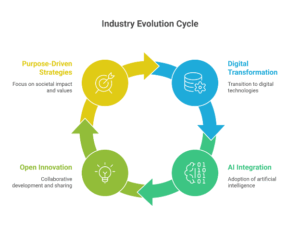
From this conceptual foundation, participants will dive into the essential diagnostic tool of Process Mapping. They will learn that this is more than just creating flowcharts; it is a fundamental technique for visualizing the “as-is” state of their innovation and talent management workflows, uncovering the “hidden” inefficiencies, bottlenecks, and communication breakdowns that hinder progress. Whether mapping the journey from idea generation to market launch or the process of onboarding new R&D talent, participants will gain the ability to make waste and delays visible. The “Innovation Pipeline Mapping Workshop” will provide a hands-on opportunity to collaboratively map a real-world process from their own organization, identifying key areas for immediate improvement.
Building on this, participants will master the indispensable strategic planning tool of SWOT Analysis. This module will elevate their use of SWOT from a simple brainstorming exercise to a rigorous diagnostic framework for assessing their internal Strengths and Weaknesses against the external Opportunities and Threats in their innovation and talent landscape. A key insight they will gain is the critical importance of uncovering “soft” weaknesses, such as communication barriers or a culture of risk aversion, which are often more detrimental to innovation than technical gaps. In the “SWOT for Our Innovation Challenge” activity, participants will apply this framework to a specific, pressing innovation challenge, translating their findings into actionable strategies that leverage strengths, mitigate threats, address weaknesses, and seize opportunities.
Next, participants will launch into the world of Value Streams. They will learn to apply Value Stream Mapping (VSM), a lean management technique, to the flow of knowledge work within their innovation pipeline. This module reframes the abstract nature of innovation into a tangible, manageable “product factory,” allowing them to visualize and systematically eliminate the eight forms of waste ( ranging from waiting for approvals to a backlog of unfinished projects) that impede velocity. They will learn to calculate critical metrics like lead time and cycle time, and through the “Future State VSM Design” exercise, will redesign a hypothetical innovation value stream, incorporating lean principles to create a more efficient and effective flow.
The second half of the month marks a pivotal shift as participants explore the revolutionary power of AI Diagnostics. They will discover how Artificial Intelligence is moving organizational and talent diagnostics beyond reactive, historical analysis into the realm of proactive, predictive insights. This module will demonstrate how AI can process immense volumes of data to forecast employee turnover, diagnose the health of their organizational culture, and identify emerging skill gaps before they become critical liabilities. In the context of R&D, participants will see how AI can generate a greater volume and variety of design candidates and assist in selecting the most promising ideas, moving beyond the limitations of human cognitive bias. This is the new frontier of strategic talent management, and participants will begin to explore its practical implications for their own work in an “AI Impact Quick Scan” activity.
With this new understanding of data’s potential, participants will dive into Data Metrics. This manual addresses a fundamental challenge: measuring the intangible. They will learn to move beyond misleading “vanity metrics” and develop a robust framework for measuring what truly matters. They will master the different categories of metrics—Input, Output, Process, and Outcome—and learn how to define clear, SMART goals for their innovation projects to foster a culture of accountability for results, not just activity. The “Innovation KPI Brainstorm & Refinement” exercise will challenge participants to develop and refine meaningful KPIs for a specific innovation initiative, considering how AI tools could enhance their ability to track and analyze them effectively.
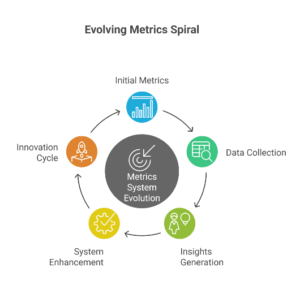
Armed with the ability to measure their current state, participants will then learn the art of Gap Analysis. This powerful diagnostic tool enables them to systematically identify and quantify the discrepancies between “where we are” and “where we want to be”. A core focus will be on diagnosing skill gaps—the mismatches between the skills their employees possess and those required for future innovation. They will come to understand that these gaps are not just an HR problem but a fundamental barrier to their organization’s innovation capacity. The “Skill Gap Identification for Future Innovation” activity will task participants with looking ahead at an emerging market trend and identifying the critical new skills their organization must develop to compete, pinpointing their most significant current gaps.
Identifying gaps naturally leads to the next step: Workflow Redesign. This module is about the systematic examination and optimization of participants’ existing processes to remove the inefficiencies they have diagnosed. They will learn to target common pain points like excessive approval layers, manual data entry, and information silos that stifle productivity and innovation. A key takeaway will be the understanding that the goal of redesign is not just to make existing processes faster, but to make the organization itself more agile and responsive to change, creating workflows that are flexible enough to accommodate rapid prototyping and iterative development. A “Process Problem-Solving” exercise will give them a chance to practice this thinking, brainstorming simple, practical solutions to common workflow issues.
Of course, no redesigned process can succeed without the proper support, which brings participants to Resource Planning. This module moves beyond simple budgeting to the thorough identification, acquisition, and optimal allocation of financial, human, and technological capital needed to fuel innovation. Participants will learn that in today’s fast-moving environment, resource planning must be dynamic and agile, allowing for quick pivots rather than being locked into rigid annual cycles. The “Innovation Budget Allocation Challenge” will place participants in the driver’s seat, where they will allocate a hypothetical multi-million dollar budget across a diverse portfolio of innovation projects, justifying their decisions based on strategic alignment, ROI, and risk.
Following this, participants will explore what is arguably the most critical determinant of innovation capacity:
Talent Allocation. This is about more than just filling roles; it is the strategic art of matching diverse skills, experiences, and mindsets to the right innovation challenges. Participants will explore how to move beyond rigid hierarchies towards agile, cross-functional project teams, creating an environment where the focus shifts from “who owns what” to “who can contribute most effectively”.
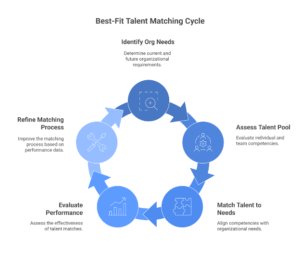
They will learn how to balance daily operational demands with the need to protect and nurture long-term innovation projects, perhaps through dedicated labs or internal talent marketplaces. A “Skill Swap Brainstorm” activity will provide a creative and immediate way to practice this, by having participants identify underutilized skills within their own team and brainstorm how they could be applied to new challenges.
Finally, the module culminates by focusing on two essential, finale processes that ensure the entire system functions and improves over time: Communication Strategies and the Review Cycle. Participants will learn that communication is the lifeblood of innovation, essential for building the psychological safety required for people to share nascent ideas without fear. The “Innovation Storytelling Workshop” will equip them with the skills to craft and deliver compelling narratives about innovation projects, tailored to different audiences like senior leaders and front-line employees. The final manual on the Review Cycle emphasizes that innovation is an iterative journey of learning and adaptation. Participants will learn how to design and implement a continuous review process that is not about assigning blame but about extracting valuable insights from both successes and failures, transforming every project into a learning opportunity. The “Lessons Learned Matrix” workshop will provide a structured method for dissecting a project’s outcome to produce actionable recommendations for the future.
By the end of this first month, participants will not only have a comprehensive vocabulary and conceptual framework for innovation, but they will also possess a tangible set of diagnostic skills. They will be able to analyze their organization’s innovation culture, map its processes, identify its strengths and weaknesses, pinpoint waste in its value streams, and identify critical talent and resource gaps. Most importantly, they will understand how these pieces fit together within a single, integrated framework, and how the dawn of AI is amplifying their ability to perform these diagnostics with unprecedented speed and precision.
The Evolution of Innovation Diagnosis: Historical Context and Future Trajectory
Understanding the evolution of innovation diagnosis provides essential context for appreciating both the sophistication of current methodologies and the transformational potential of emerging approaches. The journey from intuitive assessment to AI-powered predictive analytics reflects broader changes in organizational complexity, technological capability, and competitive dynamics that define contemporary business environments.
Historical Foundations (1960s-1980s)
The earliest approaches to innovation diagnosis emerged during the post-World War II economic expansion when organizations began recognizing innovation as a systematic business function rather than accidental occurrence. During this era, diagnostic methodologies relied heavily on manual assessment techniques including paper-based surveys, structured interviews, and basic statistical analysis of innovation outputs such as patent filings and new product launches.
These foundational approaches, while limited by available technology, established important principles that continue to influence modern practice. The emphasis on systematic data collection, stakeholder input gathering, and outcome measurement created frameworks that remain relevant today. However, the manual nature of these approaches severely constrained their scope and accuracy, often requiring months to complete assessments that provided only snapshot views of organizational innovation capacity.
The limitations of early diagnostic approaches became increasingly apparent as organizational complexity grew and innovation cycles accelerated. Manual data collection proved time-intensive and subjective, while limited analytical capabilities prevented organizations from identifying subtle patterns that significantly influenced innovation outcomes. These constraints created demand for more sophisticated approaches that could provide comprehensive, objective, and timely insights into innovation capacity.
Digital Transformation Era (1990s-2010s)
The emergence of digital technologies during the 1990s and 2000s revolutionized innovation diagnosis by enabling more comprehensive data collection, sophisticated analysis, and broader stakeholder participation. Computer-based assessment tools replaced paper surveys, while databases enabled historical analysis and trend identification that was previously impossible.
This period witnessed the development of structured frameworks that standardized innovation diagnosis while enabling comparison across organizations and industries. Tools such as innovation maturity models, capability assessment frameworks, and benchmarking systems provided organizations with systematic approaches to understanding their innovation capacity relative to industry standards and best practices.
Process mining technologies emerged during this era, enabling automated discovery of actual organizational workflows rather than relying on stakeholder perceptions or documentation that might not reflect reality. This capability proved transformational for innovation diagnosis as it revealed the true operational infrastructure that supported or constrained innovative activities.
The digital transformation era also introduced real-time data collection capabilities that enabled more dynamic assessment approaches. Organizations could monitor innovation activities continuously rather than relying on periodic assessments, enabling faster identification of emerging challenges and opportunities.
Contemporary AI-Powered Diagnostics (2020s-Present)
The current era of innovation diagnosis reflects the convergence of artificial intelligence, big data analytics, and cloud computing to create diagnostic capabilities that would have been inconceivable just a decade ago. Modern approaches leverage machine learning algorithms to identify patterns in vast datasets, natural language processing to analyze unstructured feedback, and predictive analytics to forecast innovation outcomes before they materialize.
AI-powered diagnostic tools can now analyze communication patterns, project collaboration networks, and organizational structures to diagnose innovation health with unprecedented accuracy. These systems identify subtle relationships between talent deployment, resource allocation, and innovation outcomes while providing prescriptive recommendations for improvement that are tailored to specific organizational contexts.
The integration of real-time data streams enables continuous monitoring of innovation indicators, allowing organizations to identify emerging issues before they impact performance. Predictive analytics capabilities enable scenario planning and risk assessment that supports more informed decision-making about innovation investments and strategies.
Perhaps most significantly, contemporary diagnostic approaches can now analyze the human factors that drive innovation capacity, including psychological safety levels, collaboration patterns, and cultural alignment indicators that previous generations of tools could not assess. This capability reflects the growing recognition that innovation is fundamentally a human phenomenon that requires sophisticated understanding of talent dynamics and organizational behavior.
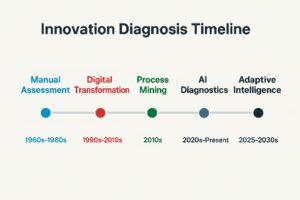
Future Outlook: Adaptive Intelligence and Autonomous Optimization (2025-2030s)
The trajectory of innovation diagnosis points toward even more sophisticated capabilities that will emerge over the next decade. Adaptive intelligence systems will enable real-time optimization of innovation processes based on continuous learning from organizational performance data. These systems will automatically adjust resource allocation, team composition, and process flows to maximize innovation outcomes without requiring manual intervention.
Quantum computing integration promises to enable analysis of organizational complexity at unprecedented scales, potentially identifying innovation opportunities and constraints that exist at the intersection of multiple organizational variables. This capability will enable holistic optimization approaches that consider the full ecosystem of factors influencing innovation capacity.
The emergence of autonomous innovation systems represents perhaps the most significant future development, where AI-powered tools not only diagnose innovation capacity but actively implement improvements based on real-time performance data. These systems will learn from successful interventions while adapting to changing organizational conditions, creating self-optimizing innovation ecosystems.
Ecosystem intelligence represents another frontier, where diagnostic tools will analyze innovation capacity not just within individual organizations but across entire industry ecosystems, supply chains, and innovation networks. This expanded scope will enable organizations to understand their innovation capacity within broader competitive and collaborative contexts while identifying partnership opportunities that enhance overall innovation potential.
The future of innovation diagnosis will also likely include integration with virtual and augmented reality technologies that enable immersive assessment experiences, biometric monitoring that provides real-time insights into employee engagement with innovation activities, and blockchain-based systems that ensure data integrity and enable secure sharing of diagnostic insights across organizational boundaries.
Artificial Intelligence Integration and Future-Ready Capabilities
AI-powered process mining tools can now automatically map participants’ most complex business processes in real-time by analyzing system data, turning a static mapping project into a dynamic, continuously self-optimizing capability. AI’s natural language processing can analyze thousands of pieces of unstructured feedback from employees and customers, transforming SWOT analysis from a subjective meeting into an objective, data-driven diagnostic.
In value stream mapping, AI adds a predictive layer, allowing participants to anticipate future bottlenecks before they occur, shifting the focus from fixing problems to preventing them. Perhaps most profoundly, AI is revolutionizing talent and skills diagnosis. AI models can now analyze workforce data to pinpoint precise skill gaps, predict which employees are at risk of leaving, and recommend personalized learning pathways to prepare the talent of participants’ organizations for the future. It transforms resource planning from a static budget exercise into a dynamic, predictive function, using machine learning to analyze the probability of success for different projects and optimize the allocation of organizations’ most precious resources.
This future is one of proactive, predictive, and personalized diagnostics. The challenge for participants as leaders is no longer a lack of data, but the ability to harness it. This requires not only new tools but also new skills and a new mindset—one grounded in data literacy, strategic foresight, and an understanding of the ethical considerations surrounding AI, such as mitigating bias and ensuring data privacy. This module will provide participants with the foundational understanding to lead their organization confidently into this future.
Visual Framework Integration and Practical Applications
The Innovation Diagnosis module incorporates sophisticated visual frameworks that transform abstract concepts into concrete, actionable insights. These visual tools serve multiple purposes: they simplify complex organizational dynamics, facilitate collaborative analysis, and create shared understanding among diverse stakeholders who may have different professional backgrounds and analytical preferences.
The integration of visual frameworks reflects contemporary understanding of how adult learners process complex information most effectively. Rather than relying solely on textual analysis or numerical data, the program employs comprehensive infographics, process flow diagrams, and interactive dashboards that enable participants to see organizational patterns and relationships that might otherwise remain hidden.
Dashboard analytics represent a particularly sophisticated application of visual framework integration, providing real-time insights into innovation capacity indicators through comprehensive data visualization. These tools enable continuous monitoring of innovation health while identifying trends and anomalies that require strategic attention. The dashboard approach transforms innovation diagnosis from periodic assessment exercises into ongoing organizational capabilities that support continuous improvement.
The practical applications of visual frameworks extend beyond assessment activities to include strategic planning, stakeholder communication, and performance monitoring. Participants learn to create compelling visual narratives that communicate diagnostic findings to senior leadership while developing action plans that translate insights into measurable organizational improvements.
Implementation Strategy and Organizational Integration
The Innovation Diagnosis module is designed for seamless integration with existing organizational systems and processes, recognizing that sustainable change requires alignment with current operational realities while building capabilities for future transformation. The implementation strategy emphasizes practical application over theoretical understanding, ensuring that participants can immediately apply diagnostic tools within their specific organizational contexts.
The modular design enables flexible implementation approaches that accommodate diverse organizational sizes, industries, and maturity levels. Participants from pharmaceutical companies can apply the same diagnostic frameworks as those from technology startups, while adapting specific tools and techniques to address industry-specific innovation challenges and opportunities.
Change management considerations receive extensive attention throughout the module, recognizing that diagnostic insights have limited value unless they result in organizational action. Participants develop skills in building stakeholder buy-in, overcoming resistance to assessment activities, and communicating diagnostic findings in ways that motivate rather than threaten organizational stakeholders.
The integration with AI-powered tools reflects contemporary organizational reality where human analytical capabilities must be augmented by technological systems to achieve comprehensive understanding of complex organizational dynamics. Participants learn to leverage AI capabilities while maintaining human oversight and strategic judgment that ensures diagnostic insights support rather than replace human decision-making.
Through this comprehensive approach, the Innovation Diagnosis module establishes the foundation for transformational organizational change that extends far beyond the workshop experience itself. Participants return to their organizations equipped not merely with new knowledge but with practical tools, systematic methodologies, and strategic frameworks that enable ongoing improvement in innovation capacity through optimized talent management and organizational design.
The Investment in Innovation Diagnosis represents an investment in organizational future readiness, competitive advantage, and sustainable growth through systematic optimization of the human capital and operational systems that drive innovation success. As organizations navigate increasingly complex and rapidly changing business environments, the diagnostic capabilities developed through this module become essential competencies for sustained organizational excellence and market leadership.
Case Study in Focus: Johnson & Johnson’s AI-Driven Talent Transformation
To anchor these concepts in the real world, consider the pioneering example of Johnson & Johnson, a global healthcare giant. Their journey illustrates how a large, complex organization can leverage AI diagnostics to fundamentally transform talent management and, in doing so, bolster its innovation capacity for the future.
Faced with a rapidly changing healthcare landscape and the urgent need for digital transformation, Johnson & Johnson’s leadership recognized a critical gap: their traditional methods for assessing employee skills were no longer sufficient to identify and develop the capabilities needed to innovate and compete. The company needed a more sophisticated, proactive, and data-driven approach to understand its workforce’s capabilities and predict its future skill requirements. This challenge became the catalyst for the development and implementation of a cutting-edge, AI-powered skills intelligence platform.
This was a direct application of the diagnostic principles participants will learn in this module. The technical architecture of their system integrated vast and diverse datasets, including employee profiles, performance reviews, project participation records, and learning histories. Advanced machine learning algorithms and natural language processing were deployed to analyze this data, including unstructured information from project descriptions and feedback, to create comprehensive, dynamic skills profiles for every employee. This system moved far beyond simple keywords on a resume; it diagnosed nuanced skills and identified hidden talents that were previously invisible to the organization.
The implementation of such a transformative system was as much a cultural challenge as a technical one, touching upon the principles of change management participants will explore in the Workflow Redesign and Communication Strategies manuals. Johnson & Johnson invested heavily in training programs for HR professionals and managers to ensure they could understand and effectively utilize the insights generated by the AI. They established strong governance frameworks to ensure the diagnostics were used ethically, maintaining employee trust and confidence in the system—a critical step in mitigating the potential pitfalls of AI.
The business outcomes of this AI-diagnostic initiative have been profound and multi-faceted. The company significantly improved its ability to identify internal talent for new and emerging roles, which in turn reduced external recruitment costs and improved employee retention by showing clear pathways for growth. Learning and development programs became far more effective, shifting from a one-size-fits-all model to one that provided targeted, personalized recommendations based on an individual’s diagnosed skill gaps and career aspirations. Most importantly, Johnson & Johnson enhanced its overall innovation capacity by becoming more adept at identifying, developing, and deploying employees with the potential for creative and strategic contributions.
The lessons learned from Johnson & Johnson’s journey are a powerful testament to the themes of this module. They found that success depends on a combination of high-quality data, sophisticated algorithms, and effective change management. They also discovered that AI diagnostics are most powerful when they augment, rather than replace, human expertise and judgment. Their story is a living case study of the AI-TALENT FUSION philosophy: by strategically diagnosing and developing their human capital with the aid of intelligent systems, participants create a more agile, adaptable, and ultimately more innovative organization. This is the capability, and the future, that this first month of the program will prepare participants to build.
Preparing for Advanced Innovation Capabilities
The Innovation Diagnosis module establishes the foundation for subsequent modules in the AI-TALENT FUSION program, which build upon diagnostic insights to develop advanced capabilities in AI integration, collaborative innovation, capacity development, and innovation enablement. The thorough understanding of current innovation capabilities developed through this module ensures that future development efforts are targeted, relevant, and aligned with organizational strategic objectives.
Participants complete the Innovation Diagnosis module with comprehensive understanding of their organization’s innovation landscape, clear priorities for capability development, and practical tools for implementing and monitoring improvement initiatives. This foundation enables them to serve as effective leaders and change agents in their organizations’ innovation transformation journeys.
Executive Summary

The AI-TALENT FUSION Program’s Month One, “Innovation Diagnosis,” is built upon a robust 6-step business process encompassing Process Mapping, Process Analysis, Process Re-design, Process Resources, Process Communications, and Process Review. This comprehensive framework is meticulously woven throughout each module, serving to explicitly demonstrate how distinct topics contribute to a holistic, actionable, and deeply integrated approach to fostering innovation through strategic talent initiatives. By seamlessly integrating these six steps, organizations can systematically identify their current operational states, conduct incisive analyses of existing gaps, and then strategically re-design future processes with precision. This iterative approach ensures that organizational changes are not superficial but become profoundly ingrained and self-reinforcing, ultimately creating a lasting and transformative impact on both culture and performance.
Course Manual 1: Innovation Overview
Innovation, at its very core, is the continuous process of creating and implementing new ideas, methods, products, or services that generate value for an organization, its customers, and stakeholders. It serves as a strategic imperative, driving business survival, growth, and sustained competitive advantage in today’s rapidly evolving global economy. Companies that fail to innovate risk obsolescence as markets, technologies, and consumer preferences shift around them. By embracing a culture of continuous improvement, experimentation, and forward-thinking, businesses proactively anticipate and address future needs, not just current market demands. Understanding the spectrum of innovation is crucial for diagnosing an organization’s current innovation posture and identifying areas for strategic development. This spectrum includes Disruptive Innovation, which creates entirely new markets by offering simpler, more affordable alternatives that eventually displace established products, much like Netflix disrupted Blockbuster. Incremental Innovation involves continuous, small improvements to existing offerings, enhancing functionality, efficiency, or design, as exemplified by Toyota’s Production System. Radical Innovation creates entirely new products or technologies that fundamentally change industries, like smartphones. Architectural Innovation reconfigures existing components in novel ways. Sustaining Innovation focuses on improving existing products for existing customers. Efficiency Innovation improves operational aspects of a business model without fundamentally changing it. Transformative Innovation explores opportunities outside a company’s traditional field, often requiring a radical change in its business model. A successful innovation strategy demands a multifaceted approach, recognizing that a balanced portfolio of innovation types is more resilient and sustainable than solely focusing on revolutionary breakthroughs. Effective innovation diagnosis must categorize existing efforts and identify gaps across these types, ensuring strategic resource allocation for both short-term gains and long-term transformation.
Innovation is inextricably linked to talent management, with an organization’s ability to innovate directly influenced by the skills, creativity, and adaptability of its workforce. Top talent is inherently drawn to innovative companies, viewing them as dynamic, forward-thinking, and offering exciting professional growth opportunities. These organizations emphasize employee engagement and empowerment, cultivating inclusive work environments where ideas are encouraged and valued, serving as a powerful motivator. Innovative companies also excel in agility and adaptability, providing continuous learning opportunities and skill development. This highlights that innovation extends beyond product differentiation to encompass internal process optimization and talent engagement, directly linking it to talent management.
Artificial Intelligence acts as a catalyst for innovation, redefining how strategies are conceived and executed, particularly in idea generation and evaluation. AI’s ability to generate a greater volume and variety of design candidates and assist with idea evaluation moves innovation beyond human cognitive biases. Organizations must integrate AI into the fabric of their innovation strategy to unlock new frontiers of creativity and efficiency. AI also revolutionizes corporate training, making it more flexible, personalized, and cost-effective through AI-powered learning platforms. An organization’s capacity for continuous innovation is deeply rooted in its innovation ecosystem and culture, which acts as a critical intangible asset, attracting top talent and sustaining innovation. Key habits of an innovative company culture include encouraging questions, supporting experimentation, listening to employees, rewarding creativity, breaking down silos, and focusing on purpose. Companies like 3M, with its 15% rule, exemplify fostering autonomy and trust for groundbreaking products. Innovation maturity models provide a structured framework to assess capabilities and processes, guiding organizations from initial stages to higher proficiency, resolving inefficiencies, and building innovation capability. The “Innovation Overview” deeply integrates with the 6-step business process: Process Mapping documents the current understanding of innovation; Process Analysis evaluates existing efforts against benchmarks; Process Re-design aligns innovation definition with strategic goals; Process Resources identifies initial needs like dedicated teams or AI tools for ideation; Process Communications crafts narratives to engage employees in the innovation vision ; and Process Review establishes initial metrics for innovation maturity.
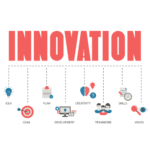
Course Manual 2: Process Mapping
Process mapping is a cornerstone diagnostic tool for any organization committed to optimizing operations and fostering innovation. It involves creating a visual representation of the sequence of activities or steps in a specific process, providing a clear and comprehensive overview of work flow. This technique is fundamental for understanding the “as-is” state of existing workflows, identifying inefficiencies, and uncovering opportunities for improvement, particularly within the complex realms of innovation and talent management. A process map, often a flowchart, details every element, including steps, decision points, inputs, outputs, and roles, frequently using “swimlanes” to delineate responsibilities. These maps can range from high-level overviews, like SIPOC diagrams, to detailed process flows, depending on the required analysis level. In innovation, process mapping is invaluable for visualizing the entire innovation pipeline, from idea generation to market launch, including activities like ideation, feature prioritization, design, engineering, testing, and release planning. By mapping these workflows, organizations can identify waste, delays, and bottlenecks that hinder velocity, such as work queues, approval delays, or inefficient handoffs, ultimately accelerating time-to-market. For talent management, process mapping applies to critical HR workflows like recruitment, onboarding, employee development, and talent mobility, helping standardize work, identify communication breakdowns, eliminate manual data entry, and address data silos, leading to an improved employee experience.
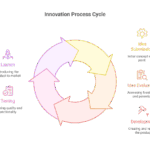
Process mapping is a fundamental diagnostic tool that uncovers “hidden” inefficiencies and communication breakdowns, which often impede innovation and talent flow in large organizations. Its value lies not just in documenting but actively discovering latent problems that hinder agility and innovation. The act of mapping itself is a diagnostic exercise, forcing stakeholders to confront and visualize systemic issues. Visually representing the process helps pinpoint improvement opportunities, prioritize efforts, and allocate resources effectively, while promoting communication and collaboration by providing a shared understanding of workflows. Artificial Intelligence is profoundly transforming process mapping, moving it from static, labor-intensive exercises into dynamic, real-time diagnostic capabilities. AI-powered process mining tools analyze data from tasks to automatically uncover and map complex business processes, a significant advancement over traditional, manual methods. AI enables continuous monitoring and analysis of process execution data, identifying deviations, predicting future bottlenecks, and suggesting automated improvements, thus transforming process mapping into a continuously self-optimizing system. Generative AI further enhances this by understanding context and creating content, streamlining process discovery and documentation, leading to real-time updates, predictive insights, and continuous learning. The application of process mapping aligns with the 6-step business process: the manual focuses on visually documenting “as-is” innovation and talent management processes; Process Analysis systematically identifies inefficiencies, redundancies, and bottlenecks; Process Re-design conceptualizes optimized “to-be” maps to streamline delivery and integrate new technologies; Process Resources identifies tools like Lucidchart or Visio and data for AI-powered mining; Process Communications uses maps as a shared visual language for collaboration ; and Process Review establishes a framework for regularly updating maps to reflect operational changes and support continuous improvement. Siemens AG exemplifies digital lean integration with value stream mapping, using real-time data to continuously visualize and analyze production processes, achieving remarkable quality rates and productivity improvements.
Course Manual 3: SWOT Analysis
The SWOT (Strengths, Weaknesses, Opportunities, Threats) analysis is an indispensable strategic planning tool that provides a structured framework for assessing an organization’s internal capabilities and external environment. It functions as a roadmap for strategic planning and informed decision-making, offering profound insights into an organization’s strategic position, especially concerning its innovation capacity and talent landscape. Strengths are inherent advantages and positive internal attributes, such as financial resources, unique technological capabilities, strong R&D, positive culture, or skilled human resources, that provide a competitive edge. Weaknesses are internal limitations or disadvantages that hinder performance, including lack of brand, operational inefficiencies, outdated technology, or gaps in employee experience and training. A critical weakness for innovation often lies in “soft skills” or cultural aspects like communication barriers or risk aversion, which a deep SWOT analysis can uncover. Opportunities are favorable external conditions or trends that an organization could exploit, such as market gaps, technological advancements, or regulatory changes. Threats are external challenges or risks that could negatively impact stability or growth, including new competitors, emerging technologies, or economic downturns.
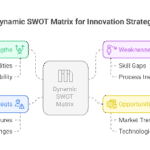
To conduct an effective SWOT analysis focused on innovation and talent, organizations should define clear objectives, collect relevant internal and external data (including internal audits, employee surveys, market research, and competitor analysis), and then brainstorm specific factors for each of the four quadrants. The analysis involves evaluating each factor’s significance and understanding interdependencies (e.g., how a skill gap might prevent capitalizing on an opportunity). Finally, findings are translated into actionable strategies: Leverage (S+O) uses strengths to capitalize on opportunities; Inhibitory (W+O) addresses weaknesses to take advantage of opportunities; Vulnerability (S+T) uses strengths to mitigate threats; and Problematic (W+T) addresses weaknesses to minimize the impact of threats. Artificial Intelligence significantly
Ai diagnostics enhances the SWOT analysis process by transforming it from a qualitative brainstorming session into a more objective, data-driven diagnostic tool. AI’s natural language processing (NLP) and generation (NLG) capabilities, along with sentiment analysis, can process vast amounts of unstructured data (e.g., customer feedback, employee surveys) to provide a comprehensive and unbiased view of internal perceptions and external market signals. This allows for automated data collection, analysis, and presentation, leading to more accurate identification of true strengths, weaknesses, opportunities, and threats. AI can identify hidden strengths and weaknesses by analyzing operational data and feedback, pinpoint opportunities by scanning market reports and social media, and anticipate threats by monitoring regulatory changes and competitor behavior. The SWOT analysis integrates with the 6-step business process: Process Mapping documents the data collection and analysis required for SWOT; Process Analysis systematically examines identified factors to understand their root causes and impact on innovation and talent; Process Re-design designs strategic initiatives to leverage strengths, address weaknesses, capitalize on opportunities, and mitigate threats; Process Resources identifies human expertise, technological tools (like AI for sentiment analysis), and financial investment; Process Communications develops strategies to share SWOT findings and ensure alignment ; and Process Review establishes a regular cycle to monitor changes and adapt strategies. Starbucks exemplifies leveraging opportunities through a continuous market awareness and strategic partnerships, similar to a robust SWOT analysis, which has driven its innovation and market expansion.
Course Manual 4: Value Streams
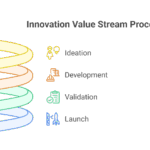
Value Stream Mapping (VSM) is a lean management technique that provides a visual, analytical, and improvement-oriented approach to understanding the flow of information and materials required to deliver a product or service to a customer. While traditionally rooted in manufacturing, VSM has become a vital tool for optimizing “knowledge work” and “product development” within innovation pipelines, reflecting a strategic shift towards viewing innovation as a systematic “product factory”. At its core, a value stream map illustrates the entire process from initial concept or customer request to final delivery, highlighting every step, decision point, and delay. The primary objective of VSM is to identify and eliminate waste (non-value-adding activities), thereby streamlining operations, enhancing quality, and increasing overall efficiency. Key components include inputs and outputs, value-adding steps (VA), non-value-adding steps (NVA), information flow, material flow, and metrics like lead time, cycle time, and inventory levels.
VSM is particularly effective at exposing various forms of waste that impede innovation velocity, such as waiting for approvals, overproduction of unneeded ideas, over-processing with unnecessary steps, defects requiring rework, unnecessary motion, needless transport of work, and inventory backlogs of unfinished projects. Quantifying these wastes helps prioritize improvement efforts and allocate resources effectively. Just as an architectural diagram shows a house’s layout, a value stream map reveals the layout of an organization’s “product factory,” reframing the abstract nature of innovation into a tangible, manageable process. This implies that applying lean principles, traditionally for physical goods, to the intangible flow of ideas and knowledge can yield significant efficiencies and accelerate time-to-market for innovations. The VSM process typically involves defining the product or product line, assembling a cross-functional team, mapping the current state (“as-is”) by observing actual processes, applying value stream metrics, brainstorming improvements (often through Kaizen events), designing the future state (“to-be”) with streamlined flow and reduced waste, and continuously improving. Artificial Intelligence is revolutionizing VSM, enabling “predictive insights” and “dynamic updates,” moving beyond static analysis to real-time, adaptive optimization of innovation pipelines. AI-driven VSM tools automate data collection and analysis, reducing mapping time and ensuring accuracy. More importantly, AI leverages historical data and algorithms to forecast future bottlenecks and suggest optimal pathways, allowing for proactive interventions and shifting the focus from fixing problems to preventing them. This ensures the operational machinery for innovation is always evolving to support faster ideation, development, and deployment. AI can also enhance the value stream by automating repetitive tasks and providing decision-making insights. VSM’s application is a core component of the 6-step business process: Process Mapping focuses on detailed “current state” value stream maps; Process Analysis systematically identifies and quantifies waste and bottlenecks; Process Re-design designs “future state” maps to eliminate waste and optimize efficiency, integrating lean principles and AI; Process Resources identifies and optimizes resource allocation within the value stream; Process Communications uses the visual VSM as a powerful tool to align teams and foster shared understanding ; and Process Review establishes continuous monitoring mechanisms like KPIs. Verigreen’s successful VSM implementation in their manufacturing process demonstrates how it can drive significant improvements in operational excellence and production goals by identifying inefficiencies and designing a more efficient “future state”.
Course Manual 5: AI Diagnostics
Artificial Intelligence (AI) is rapidly transforming the landscape of organizational and talent diagnostics, moving beyond traditional reactive analyses to provide proactive, predictive insights. AI diagnostics involve the sophisticated application of AI techniques to analyze vast and complex datasets, identify intricate patterns, predict future outcomes, and generate actionable intelligence for strategic decision-making across organizational health, talent capabilities, and innovation potential. AI’s capabilities in diagnostics are extensive. In talent acquisition, AI analyzes candidate data to predict success and reduce bias in hiring. For employee development, AI identifies skill gaps and recommends personalized learning paths. In performance management, AI offers objective feedback and identifies high-potential employees. AI can also predict employee turnover by analyzing various data points, enabling proactive retention strategies. For organizational health, AI analyzes communication patterns and sentiment to diagnose cultural issues or potential attrition, as seen with IBM’s AI-driven HR platforms. AI is also adept at trend prediction, analyzing social data to detect emerging consumer trends, allowing companies like L’Oréal to anticipate market shifts.
The effectiveness and ethical deployment of AI diagnostics are deeply intertwined with data quality, bias mitigation, and transparency, necessitating significant investment in data governance and AI literacy. While AI’s benefits are clear, challenges related to “Data privacy and security concerns” and the potential for “latent biases” in AI models trained on historical data are critical. Organizations must ensure data feeding these diagnostics is clean, comprehensive, and unbiased, and that AI models are regularly audited for fairness and transparency. This requires robust technical infrastructure, a strong ethical framework, and continuous employee training on AI’s capabilities and limitations to ensure reliable and ethically sound AI-driven innovation and talent decisions. Issues such as data privacy, algorithmic bias, and the need for explainable AI are paramount, requiring comprehensive data handling policies, stringent access controls, and regular audits. The application of AI diagnostics is central to the 6-step business process: Process Mapping involves mapping data sources, AI models, and analysis workflows; Process Analysis utilizes AI to analyze organizational data, identify hidden patterns, predict future trends, and diagnose root causes of innovation or talent issues, shifting analysis from reactive to proactive; Process Re-design integrates AI for more efficient, accurate, and proactive insights, moving from problem reaction to prediction and prevention; Process Resources identifies necessary AI platforms, data infrastructure, specialized talent, and computational power; Process Communications develops strategies to explain AI diagnostic findings to non-technical stakeholders, ensuring trust and promoting data-driven decisions ; and Process Review establishes a rigorous cycle for AI models, assessing accuracy, fairness, and ethical implications for continuous refinement. Johnson & Johnson’s AI-driven skills intelligence platform exemplifies leveraging AI diagnostics to transform talent management and drive innovation capacity. Their platform integrates employee profiles, performance data, and learning records, using machine learning and NLP to create comprehensive skills profiles and predict future needs. This has improved internal talent identification, reduced recruitment costs, enhanced learning programs, and boosted innovation capacity. Their experience highlights that success depends on high-quality data, sophisticated algorithms, effective change management, and combining AI with human expertise rather than replacing traditional practices.
Course Manual 6: Data Metrics
In the current data-driven business environment, the ability to define, collect, analyze, and effectively utilize data metrics is paramount for measuring and driving innovation performance. This capability transcends mere reporting, providing a quantifiable understanding of the impact and effectiveness of innovation initiatives, enabling organizations to make informed decisions, justify investments, and foster a culture of continuous improvement. Measuring innovation is inherently challenging due to its often intangible nature and the long lead times required for return on investment. Without robust metrics, organizations risk wasting resources, pursuing ineffective ideas, and failing to demonstrate the value of their innovation efforts to stakeholders. Effective measurement provides clarity on what is working, what needs improvement, and where to focus future ideation. It allows organizations to track progress against strategic goals, identify bottlenecks in the innovation pipeline, and understand the ROI of their innovation portfolio.
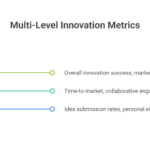
Innovation metrics can be broadly categorized to provide a comprehensive view of performance. Input Metrics quantify resources and efforts invested, such as the number of employees in innovation activities, total investment, or hours allocated. Output Metrics measure tangible results, including the number of new products launched, revenue from new offerings, market share gained, or patents filed. Process Metrics track the efficiency and effectiveness of the innovation process itself, like time from concept to launch (lead time) or ideas evaluated versus unreviewed. Outcome/Impact Metrics measure the broader business impact, such as increased customer satisfaction or enhanced brand reputation. Key Performance Indicators (KPIs) are specific, measurable metrics crucial for tracking progress towards innovation goals. Effective KPIs for innovation are SMART: Specific, Measurable, Achievable, Relevant, and Time-bound. Examples include innovation revenue percentage, new product success rate, time-to-market for new products, employee engagement in innovation, and intellectual property growth. The integration of Artificial Intelligence significantly enhances data metrics for innovation, enabling predictive analytics, real-time dashboards, and prescriptive recommendations. AI can analyze vast, diverse datasets, including unstructured data like customer feedback, to identify subtle trends and correlations that human analysis might miss, providing a more granular understanding of innovation performance. AI-powered tools can also automate data collection, cleaning, and reporting, reducing manual effort and improving data accuracy and timeliness. Furthermore, AI can predict the success likelihood of innovation projects based on historical data, allowing for proactive resource reallocation and risk mitigation. The application of data metrics aligns with the 6-step business process: Process Mapping involves documenting data collection points and metric reporting flows; Process Analysis (Core) focuses on interpreting data metrics to diagnose innovation performance, identify trends, and pinpoint areas for improvement; Process Re-design creates new data collection processes or refines existing ones to ensure relevant metrics are captured; Process Resources identifies the necessary tools, systems (like AI-powered analytics platforms), and human expertise for effective data collection and analysis; Process Communications develops clear strategies to share metric findings, ensuring transparency and data-driven decision-making ; and Process Review establishes a continuous cycle for evaluating metric effectiveness and adapting measurement strategies. Netflix’s data-driven approach, particularly its reliance on metrics for content recommendation and investment, serves as a prime example of leveraging data metrics to drive continuous innovation and business success.
Course Manual 7: Gap Analysis
Gap analysis is a strategic diagnostic tool that systematically compares an organization’s current state (the “as-is”) with its desired future state (the “to-be”). The objective is to identify the discrepancies, or “gaps,” between where the organization currently stands and where it aspires to be in terms of innovation capabilities, talent proficiency, market position, or operational efficiency. This analysis is crucial for formulating targeted strategies and allocating resources effectively to bridge these identified gaps. The core components of a gap analysis involve defining the desired future state with clear objectives, assessing the current state using various data sources (e.g., performance reports, employee surveys, market research), identifying the specific gaps and their magnitude, and then developing actionable strategies to close those gaps. For innovation, gap analysis might pinpoint deficiencies in R&D investment, lack of a robust ideation pipeline, or an insufficient culture of experimentation. In talent management, it could reveal skill gaps (e.g., in AI or data science), a shortage of future leaders, or inadequate employee engagement initiatives.
The diagnostic power of gap analysis lies in its ability to highlight areas of underperformance or unmet potential. It transforms abstract aspirations into concrete areas for improvement by quantifying the disparity between current reality and strategic goals. This clarity enables organizations to prioritize efforts and avoid scattering resources on initiatives that do not directly address the most critical gaps. The integration of Artificial Intelligence significantly enhances gap analysis by providing more accurate, rapid, and predictive insights. AI can analyze vast datasets from internal HR systems, external job markets, and industry trends to identify skill discrepancies with greater accuracy and speed. Predictive analytics can forecast future skill requirements, allowing organizations to proactively address shortages before they become critical roadblocks to innovation. AI can also recommend personalized learning pathways to close individual skill gaps, thereby
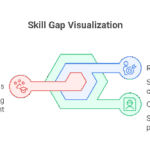
enhancing overall organizational capability. The application of Gap Analysis is a core component of the 6-step business process: Process Mapping involves visually delineating “as-is” and “to-be” states for innovation capabilities; Process Analysis (Core) systematically examines identified gaps to understand their root causes, strategic implications, and urgency; Process Re-design designs targeted strategies, programs (e.g., training, reskilling), or process changes to effectively bridge the gaps; Process Resources identifies and allocates necessary resources (e.g., budget for training, new hires, technology investments, AI tools) to implement gap-closing solutions; Process Communications clearly conveys analysis results, identified gaps, and proposed solutions to stakeholders for buy-in and alignment ; and Process Review establishes a continuous monitoring and evaluation framework to track progress and iterate on strategies. AT&T’s “Future Ready” initiative serves as a compelling case study, showcasing a large-scale talent reskilling program designed to close critical skill gaps through proactive, strategic interventions, effectively addressing the challenges of technological disruption and ensuring workforce readiness for future innovation.
Course Manual 8: Workflow Redesign
Workflow redesign is a systematic approach to analyzing, optimizing, and transforming existing organizational processes to improve efficiency, productivity, and overall performance, particularly in supporting innovation and talent development. Unlike incremental adjustments, workflow redesign often involves a fundamental re-evaluation of how work is done, aiming to eliminate waste, reduce bottlenecks, and leverage new technologies. The core principles guiding workflow redesign include focusing on customer value, streamlining processes by eliminating non-value-added activities, standardizing where appropriate, and leveraging technology for automation. Key objectives include improving efficiency (e.g., reducing cycle times, lowering costs), enhancing quality (e.g., reducing errors, improving consistency), increasing agility and flexibility to respond to market changes, and improving the employee experience by removing frustrating manual tasks. In the context of innovation, redesigned workflows can accelerate the ideation-to-launch cycle, facilitate cross-functional collaboration, and create a more agile environment for experimentation. For talent management, it can streamline onboarding, performance management, and learning and development processes, ensuring employees have the support and resources needed to contribute to innovation.
Identifying areas for redesign often involves analyzing existing workflows for bottlenecks, redundancies, excessive handoffs, and manual steps. Tools like process mapping and value stream mapping are crucial for this diagnostic phase. The role of Artificial Intelligence in workflow redesign is transformative, moving beyond simple automation to intelligent optimization. AI can identify process inefficiencies that are invisible to human analysis by sifting through vast amounts of operational data. It can predict potential bottlenecks before they occur, suggest optimal process paths, and automate complex decision-making, leading to more dynamic and self-optimizing workflows. By leveraging AI and automation, organizations can significantly reduce employee downtime and automate repetitive tasks, allowing human capital to focus on higher-value, strategic, and innovative work. For instance, AI can streamline content delivery in training, automate administrative tasks, and provide real-time feedback. AI-powered Robotic Process Automation (RPA) tools can take over manual data entry or invoice processing, freeing employees for strategic activities. Successful workflow redesign requires careful change management, with clear communication, comprehensive training, and “change champion” networks to ensure employee buy-in and adoption. Continuous monitoring and evaluation are essential to ensure redesigned workflows achieve desired innovation outcomes and adapt to changing needs. Workflow Redesign is a core component of the 6-step business process: Process Mapping documents “as-is” workflows, highlighting friction points; Process Analysis (Core) deeply examines existing workflows to pinpoint pain points and opportunities for optimization; Process Re-design (Core) designs optimized “to-be” workflows, eliminating waste, streamlining steps, and integrating new technologies like AI; Process Resources identifies and allocates necessary resources (software, training, AI tools) to implement and sustain redesigned workflows; Process Communications develops a robust change management plan to inform, engage, and train employees on new workflows ; and Process Review establishes continuous monitoring mechanisms to evaluate effectiveness and ensure ongoing optimization. Google’s innovation-driven workflow redesign for talent management exemplifies how systematic redesign can transform processes to support innovation excellence, balancing efficiency with creativity and individual development with organizational objectives.
Course Manual 9: Resource Allocation
Resource allocation is the strategic process of distributing an organization’s available resources—including financial capital, human talent, technological infrastructure, and time—among competing projects, departments, or initiatives to achieve strategic objectives. In the context of innovation, effective resource allocation is paramount, as it directly impacts an organization’s ability to fund new ideas, develop prototypes, scale successful ventures, and attract and retain the talent necessary for breakthrough discoveries. Misallocation of resources can stifle innovation, leading to promising projects being underfunded, critical talent being misdirected, or technological infrastructure failing to support emerging needs. Key principles of effective resource allocation include alignment with strategic priorities, balancing short-term operational needs with long-term innovation investments, fostering flexibility to adapt to changing market conditions, and promoting transparency in decision-making. Challenges often arise from competing priorities, limited resources, and the inherent uncertainty of innovation projects.
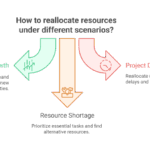
To overcome these challenges, organizations can employ various approaches such as portfolio management, which evaluates projects based on their risk, return, and strategic fit. Scenario planning helps anticipate future needs and allocate resources proactively. Agile resource allocation, with its iterative and flexible approach, allows for rapid adjustments based on project progress and market feedback. The role of Artificial Intelligence in optimizing resource allocation is revolutionary, transforming it from a static, often manual process into a dynamic, data-driven, and predictive capability. AI-powered analytical tools can process vast amounts of data related to project performance, resource utilization, market trends, and talent availability. These tools can simulate various allocation scenarios, predict the potential ROI and risks of different investments, and recommend optimal resource distribution for maximizing innovation output. For example, AI can identify underutilized assets, forecast future demand for specific skills, and even suggest the most efficient deployment of R&D budgets. This enables organizations to make more informed, evidence-based decisions, ensuring that critical resources are directed where they will have the greatest impact on innovation and strategic growth. The application of Resource Allocation integrates with the 6-step business process: Process Mapping involves documenting current resource pools and allocation workflows; Process Analysis (Core) focuses on systematically evaluating resource utilization, identifying bottlenecks, and assessing alignment with innovation objectives; Process Re-design develops optimized models for resource distribution, incorporating AI-driven insights and agile methodologies; Process Resources (Core) involves the actual identification, acquisition, and deployment of financial, human, and technological resources required for innovation initiatives; Process Communications transparently shares allocation decisions and their rationale ; and Process Review establishes a continuous cycle to track resource effectiveness and adjust allocations based on project progress and evolving strategic priorities. Cisco Systems’ significant ERP implementation, while focused on operational standardization, profoundly impacted its capacity for strategic resource allocation, enabling greater clarity and efficiency in managing resources for innovation and growth.
Course Manual 10: Talent Allocation
Strategic talent allocation is the deliberate process of deploying an organization’s human capital to specific roles, projects, and teams to maximize individual potential and collective output, especially in driving innovation. It moves beyond merely filling vacancies; it is about ensuring that the right people with the right skills are in the right place at the right time, fostering an environment where creativity thrives and breakthrough ideas can emerge. Effective talent allocation is crucial for innovation because innovative projects often require diverse skill sets, cross-functional collaboration, and the ability to adapt quickly to new challenges. Misaligned talent can lead to project delays, reduced team effectiveness, and missed opportunities for innovation. Key principles include understanding current and future skill needs (often identified through gap analysis), fostering internal mobility, promoting cross-functional team assignments, and creating flexible team structures (like agile squads) that can rapidly form and disband based on project requirements. Balancing operational demands with innovation imperatives is a continuous challenge, requiring leaders to strategically invest in developing core capabilities while also dedicating resources to exploratory ventures.
The advent of Artificial Intelligence offers transformative capabilities for optimizing talent allocation. AI-powered platforms can analyze vast datasets of employee skills, project requirements, and historical performance to recommend optimal team compositions for innovation projects. These systems can identify hidden skill sets, predict potential skill gaps, and even forecast the likelihood of success for different team configurations. For instance, AI can help match individuals with complementary working styles, ensuring greater team cohesion and productivity. It can also identify employees who might be “underutilized” in their current roles but possess valuable skills for emerging innovation areas. However, the ethical implications of AI in talent allocation, particularly regarding bias and fairness, must be carefully managed, with human oversight remaining indispensable to ensure equitable opportunities and foster trust and psychological safety. Strategic talent allocation is a dynamic and multifaceted process that underpins successful innovation, involving understanding skill needs, embracing agile team structures, balancing demands, and fostering a supportive leadership environment. By leveraging AI while maintaining human oversight, organizations can unlock the full potential of their human capital, transforming their workforce into a powerful engine for continuous innovation. This proactive and adaptive approach ensures the right people are in the right place at the right time, driving breakthroughs for future competitiveness. Talent Allocation integrates with the 6-step business process: Process Mapping documents current talent pools and deployment methods; Process Analysis (Core) evaluates the effectiveness of current talent allocation against innovation needs, identifying skill gaps or underutilization; Process Re-design develops new models for talent deployment, incorporating AI-driven matching and flexible team structures; Process Resources focuses on optimizing the human capital component of the innovation ecosystem, ensuring the right skills are available; Process Communications transparently communicates talent deployment decisions and their impact ; and Process Review continuously assesses the effectiveness of talent allocation strategies and their contribution to innovation outcomes. Adobe’s pioneering approach to talent allocation, exemplified by its “Check-in” performance management system, offers a powerful case study in shifting from traditional, bureaucratic performance reviews to a continuous feedback and development model. This approach fosters more agile talent deployment, aligning individual goals with organizational priorities and creating a more engaged and innovative workforce.
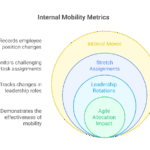
Course Manual 11: Communications
Effective communication is the lifeblood of innovation within any organization. It is the invisible architecture that connects ideas, aligns stakeholders, and inspires collective action, transforming disparate efforts into a cohesive innovation ecosystem. Without clear, consistent, and compelling communication, ideas can remain isolated, initiatives can lose momentum, and resistance to change can stifle progress. The channels and frequency of communication are equally important, as innovation thrives on both formal and informal exchanges. Formal channels include dedicated innovation portals, internal newsletters, town halls, and project management platforms, ensuring systematic information dissemination. Informal channels, such as water cooler conversations and virtual coffee breaks, are vital for serendipitous idea generation and relationship building. Organizations should encourage a mix of synchronous (real-time meetings) and asynchronous (discussion forums) communication to accommodate diverse working styles and global teams. The key is to create a multi-channel communication ecosystem where ideas flow freely and information is easily accessed.
A common pitfall in innovation is the “not invented here” syndrome, where ideas originating outside a particular team are resisted. Effective communication strategies actively combat this by promoting cross-pollination of ideas and celebrating contributions from all corners of the organization, creating platforms for internal idea sharing and showcasing collaborations. Communication also plays a critical role in managing change associated with innovation. New products, processes, or technologies often require significant shifts in how employees work, and clear, empathetic communication about the reasons for change, its benefits, and available support helps mitigate resistance and facilitates smoother adoption. The integration of Artificial Intelligence into communication strategies offers powerful new capabilities. AI-powered tools can analyze vast amounts of internal communication data to identify emerging ideas, sentiment trends, and potential bottlenecks in information flow. Natural Language Processing (NLP) can synthesize large volumes of feedback from brainstorming sessions, identifying key themes and actionable insights. AI can also personalize communication, delivering relevant innovation updates to specific employee groups based on roles and interests, thereby reducing information overload. However, it is crucial to recognize that AI enhances but does not replace human communication; empathy, persuasion, and building genuine trust remain inherently human domains. AI provides data and insights, but human leaders must still craft compelling messages and engage in personal interactions that inspire and connect. By prioritizing psychological safety, aligning stakeholders through compelling narratives, leveraging diverse communication channels, and embracing AI as an enabler, organizations can cultivate an environment where ideas flourish, collaboration thrives, and innovation becomes a continuous, collective endeavor.
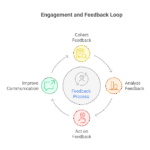
Communications is integrated into the 6-step business process: Process Mapping involves documenting current communication channels and information flow for innovation; Process Analysis (Core) systematically assesses the effectiveness of communication strategies in supporting innovation; Process Re-design develops new communication frameworks or enhances existing ones to facilitate idea sharing, feedback, and collaboration; Process Resources identifies the tools, platforms, and personnel required to implement and manage effective communication for innovation; Process Communications (Core) involves the actual dissemination of innovation-related information, fostering dialogue, and building a shared understanding ; and Process Review establishes metrics to assess communication effectiveness and continuously adapt strategies. Atlassian, known for its open communication culture and practices like “ShipIt” days, exemplifies how transparency and information sharing directly fuel innovation by fostering a culture where ideas are openly shared, feedback is immediate, and successes are publicly celebrated.
Course Manual 12: Review Cycle
The journey of innovation is rarely linear; it is an iterative process characterized by experimentation, learning, and adaptation. Central to this iterative nature is the implementation of a robust and continuous review cycle. This manual emphasizes that a well-designed review cycle is not merely about assessing outcomes but, more importantly, about extracting valuable insights from both successes and failures, fostering a culture of continuous learning, and ensuring that innovation efforts remain aligned with strategic objectives. Without a structured approach to review, organizations risk repeating mistakes, missing opportunities for improvement, and ultimately stifling their long-term innovation capacity. Key components of an effective review cycle include clearly defined metrics and KPIs to track progress, regular feedback mechanisms, a culture of psychological safety that encourages honest reflection, and a commitment to actioning insights derived from reviews. Various types of reviews can be implemented, such as postmortems for completed projects, agile sprint reviews for ongoing initiatives, portfolio reviews to assess the overall innovation pipeline, and talent reviews to evaluate individual and team contributions to innovation.
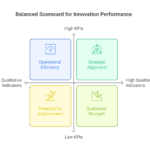
The integration of Artificial Intelligence significantly enhances the review cycle for innovation, moving it from retrospective analysis to predictive and proactive optimization. AI-powered analytics can process vast amounts of data from innovation projects, market feedback, and internal processes to identify patterns of success or failure that human analysis might miss. For example, AI can predict the likelihood of a project’s success based on early indicators, allowing for timely intervention or reallocation of resources. AI can also automate the synthesis of review data, generating comprehensive reports and identifying actionable insights much faster than manual methods. Furthermore, AI can provide personalized feedback to individuals and teams based on their contributions to innovation projects, fostering continuous learning and skill development. This capability is critical for optimizing resource allocation in real-time, allowing organizations to pivot or scale quickly based on data-driven insights. The application of the Review Cycle is integrated into the 6-step business process: Process Mapping involves documenting the current review processes and their touch points within the innovation lifecycle; Process Analysis (Core) focuses on systematically evaluating the effectiveness of existing review mechanisms and analyzing data from reviews to identify patterns and areas for improvement; Process Re-design develops new or refined review frameworks that are more agile, data-driven, and integrated with AI capabilities; Process Resources identifies the tools, platforms (including AI analytics), and personnel required to conduct effective and continuous reviews; Process Communications ensures that review findings and actionable insights are transparently shared across the organization ; and Process Review (Core) involves the ongoing monitoring, evaluation, and adaptation of innovation initiatives based on feedback and performance data. Amazon’s relentless review cycle, epitomized by its “Working Backwards” approach, demonstrates how continuous review, feedback loops, and data analytics drive sustained innovation success. They begin by writing a press release for an envisioned product, rigorously debating and refining it, and then continuously monitoring performance post-launch, rapidly iterating or pivoting as needed.
Curriculum

AI-Talent Fusion – Workshop 1 – Innovation Diagnosis
- Innovation Overview
- Process Mapping
- SWOT Analysis
- Value Streams
- AI Diagnostics
- Data Metrics
- Gap Analysis
- Workflow Redesign
- Resource Planning
- Talent Allocation
- Communication Strategies
- Review Cycle
Distance Learning

Introduction
Welcome to Appleton Greene and thank you for enrolling on the AI-Talent Fusion corporate training program. You will be learning through our unique facilitation via distance-learning method, which will enable you to practically implement everything that you learn academically. The methods and materials used in your program have been designed and developed to ensure that you derive the maximum benefits and enjoyment possible. We hope that you find the program challenging and fun to do. However, if you have never been a distance-learner before, you may be experiencing some trepidation at the task before you. So we will get you started by giving you some basic information and guidance on how you can make the best use of the modules, how you should manage the materials and what you should be doing as you work through them. This guide is designed to point you in the right direction and help you to become an effective distance-learner. Take a few hours or so to study this guide and your guide to tutorial support for students, while making notes, before you start to study in earnest.
Study environment
You will need to locate a quiet and private place to study, preferably a room where you can easily be isolated from external disturbances or distractions. Make sure the room is well-lit and incorporates a relaxed, pleasant feel. If you can spoil yourself within your study environment, you will have much more of a chance to ensure that you are always in the right frame of mind when you do devote time to study. For example, a nice fire, the ability to play soft soothing background music, soft but effective lighting, perhaps a nice view if possible and a good size desk with a comfortable chair. Make sure that your family know when you are studying and understand your study rules. Your study environment is very important. The ideal situation, if at all possible, is to have a separate study, which can be devoted to you. If this is not possible then you will need to pay a lot more attention to developing and managing your study schedule, because it will affect other people as well as yourself. The better your study environment, the more productive you will be.
Study tools & rules
Try and make sure that your study tools are sufficient and in good working order. You will need to have access to a computer, scanner and printer, with access to the internet. You will need a very comfortable chair, which supports your lower back, and you will need a good filing system. It can be very frustrating if you are spending valuable study time trying to fix study tools that are unreliable, or unsuitable for the task. Make sure that your study tools are up to date. You will also need to consider some study rules. Some of these rules will apply to you and will be intended to help you to be more disciplined about when and how you study. This distance-learning guide will help you and after you have read it you can put some thought into what your study rules should be. You will also need to negotiate some study rules for your family, friends or anyone who lives with you. They too will need to be disciplined in order to ensure that they can support you while you study. It is important to ensure that your family and friends are an integral part of your study team. Having their support and encouragement can prove to be a crucial contribution to your successful completion of the program. Involve them in as much as you can.
Successful distance-learning
Distance-learners are freed from the necessity of attending regular classes or workshops, since they can study in their own way, at their own pace and for their own purposes. But unlike traditional internal training courses, it is the student’s responsibility, with a distance-learning program, to ensure that they manage their own study contribution. This requires strong self-discipline and self-motivation skills and there must be a clear will to succeed. Those students who are used to managing themselves, are good at managing others and who enjoy working in isolation, are more likely to be good distance-learners. It is also important to be aware of the main reasons why you are studying and of the main objectives that you are hoping to achieve as a result. You will need to remind yourself of these objectives at times when you need to motivate yourself. Never lose sight of your long-term goals and your short-term objectives. There is nobody available here to pamper you, or to look after you, or to spoon-feed you with information, so you will need to find ways to encourage and appreciate yourself while you are studying. Make sure that you chart your study progress, so that you can be sure of your achievements and re-evaluate your goals and objectives regularly.
Self-assessment
Appleton Greene training programs are in all cases post-graduate programs. Consequently, you should already have obtained a business-related degree and be an experienced learner. You should therefore already be aware of your study strengths and weaknesses. For example, which time of the day are you at your most productive? Are you a lark or an owl? What study methods do you respond to the most? Are you a consistent learner? How do you discipline yourself? How do you ensure that you enjoy yourself while studying? It is important to understand yourself as a learner and so some self-assessment early on will be necessary if you are to apply yourself correctly. Perform a SWOT analysis on yourself as a student. List your internal strengths and weaknesses as a student and your external opportunities and threats. This will help you later on when you are creating a study plan. You can then incorporate features within your study plan that can ensure that you are playing to your strengths, while compensating for your weaknesses. You can also ensure that you make the most of your opportunities, while avoiding the potential threats to your success.
Accepting responsibility as a student
Training programs invariably require a significant investment, both in terms of what they cost and in the time that you need to contribute to study and the responsibility for successful completion of training programs rests entirely with the student. This is never more apparent than when a student is learning via distance-learning. Accepting responsibility as a student is an important step towards ensuring that you can successfully complete your training program. It is easy to instantly blame other people or factors when things go wrong. But the fact of the matter is that if a failure is your failure, then you have the power to do something about it, it is entirely in your own hands. If it is always someone else’s failure, then you are powerless to do anything about it. All students study in entirely different ways, this is because we are all individuals and what is right for one student, is not necessarily right for another. In order to succeed, you will have to accept personal responsibility for finding a way to plan, implement and manage a personal study plan that works for you. If you do not succeed, you only have yourself to blame.
Planning
By far the most critical contribution to stress, is the feeling of not being in control. In the absence of planning we tend to be reactive and can stumble from pillar to post in the hope that things will turn out fine in the end. Invariably they don’t! In order to be in control, we need to have firm ideas about how and when we want to do things. We also need to consider as many possible eventualities as we can, so that we are prepared for them when they happen. Prescriptive Change, is far easier to manage and control, than Emergent Change. The same is true with distance-learning. It is much easier and much more enjoyable, if you feel that you are in control and that things are going to plan. Even when things do go wrong, you are prepared for them and can act accordingly without any unnecessary stress. It is important therefore that you do take time to plan your studies properly.
Management
Once you have developed a clear study plan, it is of equal importance to ensure that you manage the implementation of it. Most of us usually enjoy planning, but it is usually during implementation when things go wrong. Targets are not met and we do not understand why. Sometimes we do not even know if targets are being met. It is not enough for us to conclude that the study plan just failed. If it is failing, you will need to understand what you can do about it. Similarly if your study plan is succeeding, it is still important to understand why, so that you can improve upon your success. You therefore need to have guidelines for self-assessment so that you can be consistent with performance improvement throughout the program. If you manage things correctly, then your performance should constantly improve throughout the program.
Study objectives & tasks
The first place to start is developing your program objectives. These should feature your reasons for undertaking the training program in order of priority. Keep them succinct and to the point in order to avoid confusion. Do not just write the first things that come into your head because they are likely to be too similar to each other. Make a list of possible departmental headings, such as: Customer Service; E-business; Finance; Globalization; Human Resources; Technology; Legal; Management; Marketing and Production. Then brainstorm for ideas by listing as many things that you want to achieve under each heading and later re-arrange these things in order of priority. Finally, select the top item from each department heading and choose these as your program objectives. Try and restrict yourself to five because it will enable you to focus clearly. It is likely that the other things that you listed will be achieved if each of the top objectives are achieved. If this does not prove to be the case, then simply work through the process again.
Study forecast
As a guide, the Appleton Greene AI-Talent Fusion corporate training program should take 12-18 months to complete, depending upon your availability and current commitments. The reason why there is such a variance in time estimates is because every student is an individual, with differing productivity levels and different commitments. These differentiations are then exaggerated by the fact that this is a distance-learning program, which incorporates the practical integration of academic theory as an as a part of the training program. Consequently all of the project studies are real, which means that important decisions and compromises need to be made. You will want to get things right and will need to be patient with your expectations in order to ensure that they are. We would always recommend that you are prudent with your own task and time forecasts, but you still need to develop them and have a clear indication of what are realistic expectations in your case. With reference to your time planning: consider the time that you can realistically dedicate towards study with the program every week; calculate how long it should take you to complete the program, using the guidelines featured here; then break the program down into logical modules and allocate a suitable proportion of time to each of them, these will be your milestones; you can create a time plan by using a spreadsheet on your computer, or a personal organizer such as MS Outlook, you could also use a financial forecasting software; break your time forecasts down into manageable chunks of time, the more specific you can be, the more productive and accurate your time management will be; finally, use formulas where possible to do your time calculations for you, because this will help later on when your forecasts need to change in line with actual performance. With reference to your task planning: refer to your list of tasks that need to be undertaken in order to achieve your program objectives; with reference to your time plan, calculate when each task should be implemented; remember that you are not estimating when your objectives will be achieved, but when you will need to focus upon implementing the corresponding tasks; you also need to ensure that each task is implemented in conjunction with the associated training modules which are relevant; then break each single task down into a list of specific to do’s, say approximately ten to do’s for each task and enter these into your study plan; once again you could use MS Outlook to incorporate both your time and task planning and this could constitute your study plan; you could also use a project management software like MS Project. You should now have a clear and realistic forecast detailing when you can expect to be able to do something about undertaking the tasks to achieve your program objectives.
Performance management
It is one thing to develop your study forecast, it is quite another to monitor your progress. Ultimately it is less important whether you achieve your original study forecast and more important that you update it so that it constantly remains realistic in line with your performance. As you begin to work through the program, you will begin to have more of an idea about your own personal performance and productivity levels as a distance-learner. Once you have completed your first study module, you should re-evaluate your study forecast for both time and tasks, so that they reflect your actual performance level achieved. In order to achieve this you must first time yourself while training by using an alarm clock. Set the alarm for hourly intervals and make a note of how far you have come within that time. You can then make a note of your actual performance on your study plan and then compare your performance against your forecast. Then consider the reasons that have contributed towards your performance level, whether they are positive or negative and make a considered adjustment to your future forecasts as a result. Given time, you should start achieving your forecasts regularly.
With reference to time management: time yourself while you are studying and make a note of the actual time taken in your study plan; consider your successes with time-efficiency and the reasons for the success in each case and take this into consideration when reviewing future time planning; consider your failures with time-efficiency and the reasons for the failures in each case and take this into consideration when reviewing future time planning; re-evaluate your study forecast in relation to time planning for the remainder of your training program to ensure that you continue to be realistic about your time expectations. You need to be consistent with your time management, otherwise you will never complete your studies. This will either be because you are not contributing enough time to your studies, or you will become less efficient with the time that you do allocate to your studies. Remember, if you are not in control of your studies, they can just become yet another cause of stress for you.
With reference to your task management: time yourself while you are studying and make a note of the actual tasks that you have undertaken in your study plan; consider your successes with task-efficiency and the reasons for the success in each case; take this into consideration when reviewing future task planning; consider your failures with task-efficiency and the reasons for the failures in each case and take this into consideration when reviewing future task planning; re-evaluate your study forecast in relation to task planning for the remainder of your training program to ensure that you continue to be realistic about your task expectations. You need to be consistent with your task management, otherwise you will never know whether you are achieving your program objectives or not.
Keeping in touch
You will have access to qualified and experienced professors and tutors who are responsible for providing tutorial support for your particular training program. So don’t be shy about letting them know how you are getting on. We keep electronic records of all tutorial support emails so that professors and tutors can review previous correspondence before considering an individual response. It also means that there is a record of all communications between you and your professors and tutors and this helps to avoid any unnecessary duplication, misunderstanding, or misinterpretation. If you have a problem relating to the program, share it with them via email. It is likely that they have come across the same problem before and are usually able to make helpful suggestions and steer you in the right direction. To learn more about when and how to use tutorial support, please refer to the Tutorial Support section of this student information guide. This will help you to ensure that you are making the most of tutorial support that is available to you and will ultimately contribute towards your success and enjoyment with your training program.
Work colleagues and family
You should certainly discuss your program study progress with your colleagues, friends and your family. Appleton Greene training programs are very practical. They require you to seek information from other people, to plan, develop and implement processes with other people and to achieve feedback from other people in relation to viability and productivity. You will therefore have plenty of opportunities to test your ideas and enlist the views of others. People tend to be sympathetic towards distance-learners, so don’t bottle it all up in yourself. Get out there and share it! It is also likely that your family and colleagues are going to benefit from your labors with the program, so they are likely to be much more interested in being involved than you might think. Be bold about delegating work to those who might benefit themselves. This is a great way to achieve understanding and commitment from people who you may later rely upon for process implementation. Share your experiences with your friends and family.
Making it relevant
The key to successful learning is to make it relevant to your own individual circumstances. At all times you should be trying to make bridges between the content of the program and your own situation. Whether you achieve this through quiet reflection or through interactive discussion with your colleagues, client partners or your family, remember that it is the most important and rewarding aspect of translating your studies into real self-improvement. You should be clear about how you want the program to benefit you. This involves setting clear study objectives in relation to the content of the course in terms of understanding, concepts, completing research or reviewing activities and relating the content of the modules to your own situation. Your objectives may understandably change as you work through the program, in which case you should enter the revised objectives on your study plan so that you have a permanent reminder of what you are trying to achieve, when and why.
Distance-learning check-list
Prepare your study environment, your study tools and rules.
Undertake detailed self-assessment in terms of your ability as a learner.
Create a format for your study plan.
Consider your study objectives and tasks.
Create a study forecast.
Assess your study performance.
Re-evaluate your study forecast.
Be consistent when managing your study plan.
Use your Appleton Greene Certified Learning Provider (CLP) for tutorial support.
Make sure you keep in touch with those around you.
Tutorial Support

Programs
Appleton Greene uses standard and bespoke corporate training programs as vessels to transfer business process improvement knowledge into the heart of our clients’ organizations. Each individual program focuses upon the implementation of a specific business process, which enables clients to easily quantify their return on investment. There are hundreds of established Appleton Greene corporate training products now available to clients within customer services, e-business, finance, globalization, human resources, information technology, legal, management, marketing and production. It does not matter whether a client’s employees are located within one office, or an unlimited number of international offices, we can still bring them together to learn and implement specific business processes collectively. Our approach to global localization enables us to provide clients with a truly international service with that all important personal touch. Appleton Greene corporate training programs can be provided virtually or locally and they are all unique in that they individually focus upon a specific business function. They are implemented over a sustainable period of time and professional support is consistently provided by qualified learning providers and specialist consultants.
Support available
You will have a designated Certified Learning Provider (CLP) and an Accredited Consultant and we encourage you to communicate with them as much as possible. In all cases tutorial support is provided online because we can then keep a record of all communications to ensure that tutorial support remains consistent. You would also be forwarding your work to the tutorial support unit for evaluation and assessment. You will receive individual feedback on all of the work that you undertake on a one-to-one basis, together with specific recommendations for anything that may need to be changed in order to achieve a pass with merit or a pass with distinction and you then have as many opportunities as you may need to re-submit project studies until they meet with the required standard. Consequently the only reason that you should really fail (CLP) is if you do not do the work. It makes no difference to us whether a student takes 12 months or 18 months to complete the program, what matters is that in all cases the same quality standard will have been achieved.
Support Process
Please forward all of your future emails to the designated (CLP) Tutorial Support Unit email address that has been provided and please do not duplicate or copy your emails to other AGC email accounts as this will just cause unnecessary administration. Please note that emails are always answered as quickly as possible but you will need to allow a period of up to 20 business days for responses to general tutorial support emails during busy periods, because emails are answered strictly within the order in which they are received. You will also need to allow a period of up to 30 business days for the evaluation and assessment of project studies. This does not include weekends or public holidays. Please therefore kindly allow for this within your time planning. All communications are managed online via email because it enables tutorial service support managers to review other communications which have been received before responding and it ensures that there is a copy of all communications retained on file for future reference. All communications will be stored within your personal (CLP) study file here at Appleton Greene throughout your designated study period. If you need any assistance or clarification at any time, please do not hesitate to contact us by forwarding an email and remember that we are here to help. If you have any questions, please list and number your questions succinctly and you can then be sure of receiving specific answers to each and every query.
Time Management
It takes approximately 1 Year to complete the AI-Talent Fusion corporate training program, incorporating 12 x 6-hour monthly workshops. Each student will also need to contribute approximately 4 hours per week over 1 Year of their personal time. Students can study from home or work at their own pace and are responsible for managing their own study plan. There are no formal examinations and students are evaluated and assessed based upon their project study submissions, together with the quality of their internal analysis and supporting documents. They can contribute more time towards study when they have the time to do so and can contribute less time when they are busy. All students tend to be in full time employment while studying and the AI-Talent Fusion program is purposely designed to accommodate this, so there is plenty of flexibility in terms of time management. It makes no difference to us at Appleton Greene, whether individuals take 12-18 months to complete this program. What matters is that in all cases the same standard of quality will have been achieved with the standard and bespoke programs that have been developed.
Distance Learning Guide
The distance learning guide should be your first port of call when starting your training program. It will help you when you are planning how and when to study, how to create the right environment and how to establish the right frame of mind. If you can lay the foundations properly during the planning stage, then it will contribute to your enjoyment and productivity while training later. The guide helps to change your lifestyle in order to accommodate time for study and to cultivate good study habits. It helps you to chart your progress so that you can measure your performance and achieve your goals. It explains the tools that you will need for study and how to make them work. It also explains how to translate academic theory into practical reality. Spend some time now working through your distance learning guide and make sure that you have firm foundations in place so that you can make the most of your distance learning program. There is no requirement for you to attend training workshops or classes at Appleton Greene offices. The entire program is undertaken online, program course manuals and project studies are administered via the Appleton Greene web site and via email, so you are able to study at your own pace and in the comfort of your own home or office as long as you have a computer and access to the internet.
How To Study
The how to study guide provides students with a clear understanding of the Appleton Greene facilitation via distance learning training methods and enables students to obtain a clear overview of the training program content. It enables students to understand the step-by-step training methods used by Appleton Greene and how course manuals are integrated with project studies. It explains the research and development that is required and the need to provide evidence and references to support your statements. It also enables students to understand precisely what will be required of them in order to achieve a pass with merit and a pass with distinction for individual project studies and provides useful guidance on how to be innovative and creative when developing your Unique Program Proposition (UPP).
Tutorial Support
Tutorial support for the Appleton Greene AI-Talent Fusion corporate training program is provided online either through the Appleton Greene Client Support Portal (CSP), or via email. All tutorial support requests are facilitated by a designated Program Administration Manager (PAM). They are responsible for deciding which professor or tutor is the most appropriate option relating to the support required and then the tutorial support request is forwarded onto them. Once the professor or tutor has completed the tutorial support request and answered any questions that have been asked, this communication is then returned to the student via email by the designated Program Administration Manager (PAM). This enables all tutorial support, between students, professors and tutors, to be facilitated by the designated Program Administration Manager (PAM) efficiently and securely through the email account. You will therefore need to allow a period of up to 20 business days for responses to general support queries and up to 30 business days for the evaluation and assessment of project studies, because all tutorial support requests are answered strictly within the order in which they are received. This does not include weekends or public holidays. Consequently you need to put some thought into the management of your tutorial support procedure in order to ensure that your study plan is feasible and to obtain the maximum possible benefit from tutorial support during your period of study. Please retain copies of your tutorial support emails for future reference. Please ensure that ALL of your tutorial support emails are set out using the format as suggested within your guide to tutorial support. Your tutorial support emails need to be referenced clearly to the specific part of the course manual or project study which you are working on at any given time. You also need to list and number any questions that you would like to ask, up to a maximum of five questions within each tutorial support email. Remember the more specific you can be with your questions the more specific your answers will be too and this will help you to avoid any unnecessary misunderstanding, misinterpretation, or duplication. The guide to tutorial support is intended to help you to understand how and when to use support in order to ensure that you get the most out of your training program. Appleton Greene training programs are designed to enable you to do things for yourself. They provide you with a structure or a framework and we use tutorial support to facilitate students while they practically implement what they learn. In other words, we are enabling students to do things for themselves. The benefits of distance learning via facilitation are considerable and are much more sustainable in the long-term than traditional short-term knowledge sharing programs. Consequently you should learn how and when to use tutorial support so that you can maximize the benefits from your learning experience with Appleton Greene. This guide describes the purpose of each training function and how to use them and how to use tutorial support in relation to each aspect of the training program. It also provides useful tips and guidance with regard to best practice.
Tutorial Support Tips
Students are often unsure about how and when to use tutorial support with Appleton Greene. This Tip List will help you to understand more about how to achieve the most from using tutorial support. Refer to it regularly to ensure that you are continuing to use the service properly. Tutorial support is critical to the success of your training experience, but it is important to understand when and how to use it in order to maximize the benefit that you receive. It is no coincidence that those students who succeed are those that learn how to be positive, proactive and productive when using tutorial support.
Be positive and friendly with your tutorial support emails
Remember that if you forward an email to the tutorial support unit, you are dealing with real people. “Do unto others as you would expect others to do unto you”. If you are positive, complimentary and generally friendly in your emails, you will generate a similar response in return. This will be more enjoyable, productive and rewarding for you in the long-term.
Think about the impression that you want to create
Every time that you communicate, you create an impression, which can be either positive or negative, so put some thought into the impression that you want to create. Remember that copies of all tutorial support emails are stored electronically and tutors will always refer to prior correspondence before responding to any current emails. Over a period of time, a general opinion will be arrived at in relation to your character, attitude and ability. Try to manage your own frustrations, mood swings and temperament professionally, without involving the tutorial support team. Demonstrating frustration or a lack of patience is a weakness and will be interpreted as such. The good thing about communicating in writing, is that you will have the time to consider your content carefully, you can review it and proof-read it before sending your email to Appleton Greene and this should help you to communicate more professionally, consistently and to avoid any unnecessary knee-jerk reactions to individual situations as and when they may arise. Please also remember that the CLP Tutorial Support Unit will not just be responsible for evaluating and assessing the quality of your work, they will also be responsible for providing recommendations to other learning providers and to client contacts within the Appleton Greene global client network, so do be in control of your own emotions and try to create a good impression.
Remember that quality is preferred to quantity
Please remember that when you send an email to the tutorial support team, you are not using Twitter or Text Messaging. Try not to forward an email every time that you have a thought. This will not prove to be productive either for you or for the tutorial support team. Take time to prepare your communications properly, as if you were writing a professional letter to a business colleague and make a list of queries that you are likely to have and then incorporate them within one email, say once every month, so that the tutorial support team can understand more about context, application and your methodology for study. Get yourself into a consistent routine with your tutorial support requests and use the tutorial support template provided with ALL of your emails. The (CLP) Tutorial Support Unit will not spoon-feed you with information. They need to be able to evaluate and assess your tutorial support requests carefully and professionally.
Be specific about your questions in order to receive specific answers
Try not to write essays by thinking as you are writing tutorial support emails. The tutorial support unit can be unclear about what in fact you are asking, or what you are looking to achieve. Be specific about asking questions that you want answers to. Number your questions. You will then receive specific answers to each and every question. This is the main purpose of tutorial support via email.
Keep a record of your tutorial support emails
It is important that you keep a record of all tutorial support emails that are forwarded to you. You can then refer to them when necessary and it avoids any unnecessary duplication, misunderstanding, or misinterpretation.
Individual training workshops or telephone support
Tutorial Support Email Format
You should use this tutorial support format if you need to request clarification or assistance while studying with your training program. Please note that ALL of your tutorial support request emails should use the same format. You should therefore set up a standard email template, which you can then use as and when you need to. Emails that are forwarded to Appleton Greene, which do not use the following format, may be rejected and returned to you by the (CLP) Program Administration Manager. A detailed response will then be forwarded to you via email usually within 20 business days of receipt for general support queries and 30 business days for the evaluation and assessment of project studies. This does not include weekends or public holidays. Your tutorial support request, together with the corresponding TSU reply, will then be saved and stored within your electronic TSU file at Appleton Greene for future reference.
Subject line of your email
Please insert: Appleton Greene (CLP) Tutorial Support Request: (Your Full Name) (Date), within the subject line of your email.
Main body of your email
Please insert:
1. Appleton Greene Certified Learning Provider (CLP) Tutorial Support Request
2. Your Full Name
3. Date of TS request
4. Preferred email address
5. Backup email address
6. Course manual page name or number (reference)
7. Project study page name or number (reference)
Subject of enquiry
Please insert a maximum of 50 words (please be succinct)
Briefly outline the subject matter of your inquiry, or what your questions relate to.
Question 1
Maximum of 50 words (please be succinct)
Maximum of 50 words (please be succinct)
Question 3
Maximum of 50 words (please be succinct)
Question 4
Maximum of 50 words (please be succinct)
Question 5
Maximum of 50 words (please be succinct)
Please note that a maximum of 5 questions is permitted with each individual tutorial support request email.
Procedure
* List the questions that you want to ask first, then re-arrange them in order of priority. Make sure that you reference them, where necessary, to the course manuals or project studies.
* Make sure that you are specific about your questions and number them. Try to plan the content within your emails to make sure that it is relevant.
* Make sure that your tutorial support emails are set out correctly, using the Tutorial Support Email Format provided here.
* Save a copy of your email and incorporate the date sent after the subject title. Keep your tutorial support emails within the same file and in date order for easy reference.
* Allow up to 20 business days for a response to general tutorial support emails and up to 30 business days for the evaluation and assessment of project studies, because detailed individual responses will be made in all cases and tutorial support emails are answered strictly within the order in which they are received.
* Emails can and do get lost. So if you have not received a reply within the appropriate time, forward another copy or a reminder to the tutorial support unit to be sure that it has been received but do not forward reminders unless the appropriate time has elapsed.
* When you receive a reply, save it immediately featuring the date of receipt after the subject heading for easy reference. In most cases the tutorial support unit replies to your questions individually, so you will have a record of the questions that you asked as well as the answers offered. With project studies however, separate emails are usually forwarded by the tutorial support unit, so do keep a record of your own original emails as well.
* Remember to be positive and friendly in your emails. You are dealing with real people who will respond to the same things that you respond to.
* Try not to repeat questions that have already been asked in previous emails. If this happens the tutorial support unit will probably just refer you to the appropriate answers that have already been provided within previous emails.
* If you lose your tutorial support email records you can write to Appleton Greene to receive a copy of your tutorial support file, but a separate administration charge may be levied for this service.
How To Study

Your Certified Learning Provider (CLP) and Accredited Consultant can help you to plan a task list for getting started so that you can be clear about your direction and your priorities in relation to your training program. It is also a good way to introduce yourself to the tutorial support team.
Planning your study environment
Your study conditions are of great importance and will have a direct effect on how much you enjoy your training program. Consider how much space you will have, whether it is comfortable and private and whether you are likely to be disturbed. The study tools and facilities at your disposal are also important to the success of your distance-learning experience. Your tutorial support unit can help with useful tips and guidance, regardless of your starting position. It is important to get this right before you start working on your training program.
Planning your program objectives
It is important that you have a clear list of study objectives, in order of priority, before you start working on your training program. Your tutorial support unit can offer assistance here to ensure that your study objectives have been afforded due consideration and priority.
Planning how and when to study
Distance-learners are freed from the necessity of attending regular classes, since they can study in their own way, at their own pace and for their own purposes. This approach is designed to let you study efficiently away from the traditional classroom environment. It is important however, that you plan how and when to study, so that you are making the most of your natural attributes, strengths and opportunities. Your tutorial support unit can offer assistance and useful tips to ensure that you are playing to your strengths.
Planning your study tasks
You should have a clear understanding of the study tasks that you should be undertaking and the priority associated with each task. These tasks should also be integrated with your program objectives. The distance learning guide and the guide to tutorial support for students should help you here, but if you need any clarification or assistance, please contact your tutorial support unit.
Planning your time
You will need to allocate specific times during your calendar when you intend to study if you are to have a realistic chance of completing your program on time. You are responsible for planning and managing your own study time, so it is important that you are successful with this. Your tutorial support unit can help you with this if your time plan is not working.
Keeping in touch
Consistency is the key here. If you communicate too frequently in short bursts, or too infrequently with no pattern, then your management ability with your studies will be questioned, both by you and by your tutorial support unit. It is obvious when a student is in control and when one is not and this will depend how able you are at sticking with your study plan. Inconsistency invariably leads to in-completion.
Charting your progress
Your tutorial support team can help you to chart your own study progress. Refer to your distance learning guide for further details.
Making it work
To succeed, all that you will need to do is apply yourself to undertaking your training program and interpreting it correctly. Success or failure lies in your hands and your hands alone, so be sure that you have a strategy for making it work. Your Certified Learning Provider (CLP) and Accredited Consultant can guide you through the process of program planning, development and implementation.
Reading methods
Interpretation is often unique to the individual but it can be improved and even quantified by implementing consistent interpretation methods. Interpretation can be affected by outside interference such as family members, TV, or the Internet, or simply by other thoughts which are demanding priority in our minds. One thing that can improve our productivity is using recognized reading methods. This helps us to focus and to be more structured when reading information for reasons of importance, rather than relaxation.
Speed reading
When reading through course manuals for the first time, subconsciously set your reading speed to be just fast enough that you cannot dwell on individual words or tables. With practice, you should be able to read an A4 sheet of paper in one minute. You will not achieve much in the way of a detailed understanding, but your brain will retain a useful overview. This overview will be important later on and will enable you to keep individual issues in perspective with a more generic picture because speed reading appeals to the memory part of the brain. Do not worry about what you do or do not remember at this stage.
Content reading
Once you have speed read everything, you can then start work in earnest. You now need to read a particular section of your course manual thoroughly, by making detailed notes while you read. This process is called Content Reading and it will help to consolidate your understanding and interpretation of the information that has been provided.
Making structured notes on the course manuals
When you are content reading, you should be making detailed notes, which are both structured and informative. Make these notes in a MS Word document on your computer, because you can then amend and update these as and when you deem it to be necessary. List your notes under three headings: 1. Interpretation – 2. Questions – 3. Tasks. The purpose of the 1st section is to clarify your interpretation by writing it down. The purpose of the 2nd section is to list any questions that the issue raises for you. The purpose of the 3rd section is to list any tasks that you should undertake as a result. Anyone who has graduated with a business-related degree should already be familiar with this process.
Organizing structured notes separately
You should then transfer your notes to a separate study notebook, preferably one that enables easy referencing, such as a MS Word Document, a MS Excel Spreadsheet, a MS Access Database, or a personal organizer on your cell phone. Transferring your notes allows you to have the opportunity of cross-checking and verifying them, which assists considerably with understanding and interpretation. You will also find that the better you are at doing this, the more chance you will have of ensuring that you achieve your study objectives.
Question your understanding
Do challenge your understanding. Explain things to yourself in your own words by writing things down.
Clarifying your understanding
If you are at all unsure, forward an email to your tutorial support unit and they will help to clarify your understanding.
Question your interpretation
Do challenge your interpretation. Qualify your interpretation by writing it down.
Clarifying your interpretation
If you are at all unsure, forward an email to your tutorial support unit and they will help to clarify your interpretation.
Qualification Requirements
The student will need to successfully complete the project study and all of the exercises relating to the AI-Talent Fusion corporate training program, achieving a pass with merit or distinction in each case, in order to qualify as an Accredited AI-Talent Fusion Specialist (APTS). All monthly workshops need to be tried and tested within your company. These project studies can be completed in your own time and at your own pace and in the comfort of your own home or office. There are no formal examinations, assessment is based upon the successful completion of the project studies. They are called project studies because, unlike case studies, these projects are not theoretical, they incorporate real program processes that need to be properly researched and developed. The project studies assist us in measuring your understanding and interpretation of the training program and enable us to assess qualification merits. All of the project studies are based entirely upon the content within the training program and they enable you to integrate what you have learnt into your corporate training practice.
AI-Talent Fusion – Grading Contribution
Project Study – Grading Contribution
Customer Service – 10%
E-business – 05%
Finance – 10%
Globalization – 10%
Human Resources – 10%
Information Technology – 10%
Legal – 05%
Management – 10%
Marketing – 10%
Production – 10%
Education – 05%
Logistics – 05%
TOTAL GRADING – 100%
Qualification grades
A mark of 90% = Pass with Distinction.
A mark of 75% = Pass with Merit.
A mark of less than 75% = Fail.
If you fail to achieve a mark of 75% with a project study, you will receive detailed feedback from the Certified Learning Provider (CLP) and/or Accredited Consultant, together with a list of tasks which you will need to complete, in order to ensure that your project study meets with the minimum quality standard that is required by Appleton Greene. You can then re-submit your project study for further evaluation and assessment. Indeed you can re-submit as many drafts of your project studies as you need to, until such a time as they eventually meet with the required standard by Appleton Greene, so you need not worry about this, it is all part of the learning process.
When marking project studies, Appleton Greene is looking for sufficient evidence of the following:
Pass with merit
A satisfactory level of program understanding
A satisfactory level of program interpretation
A satisfactory level of project study content presentation
A satisfactory level of Unique Program Proposition (UPP) quality
A satisfactory level of the practical integration of academic theory
Pass with distinction
An exceptional level of program understanding
An exceptional level of program interpretation
An exceptional level of project study content presentation
An exceptional level of Unique Program Proposition (UPP) quality
An exceptional level of the practical integration of academic theory
Preliminary Analysis

1.BOOK
INNOVATION EBOOK
THE VALUE OF INNOVATION EBOOK by Kai Philips and Patricia Philips
KNOWING, PROVING AND SHOWING THE VALUE OF INNOVATION A STEP BY STEP GUIDE TO IMPACT AND ROI MEASUREMENT
BY JACK J. PHILIPS AND PATRICIA PULLHAM PHILIPS
Scrivener Publishing- Wiley; 2018
This book provides a framework for evaluating the success of innovation initiatives. It emphasizes measuring the impact and return on investment (ROI) of creativity and innovation programs, offering a systematic approach to data collection and analysis. The book suggests that innovation is crucial for organizational growth and development, and this framework helps stakeholders understand the value of these programs.
The book focuses on six key areas for measuring the value of innovation:
Reaction, Learning, Application, Impact.,ROI and Intangibles:
By collecting and analyzing data in these areas, organizations can demonstrate the value of their innovation efforts to stakeholders, including CEOs and CFOs. The book emphasizes the importance of using a systematic, logic model and conservative standards to ensure results are credible and understandable.
2.TOOL
ONLINE INNOVATION MATURITY ASSESSMENT
Lusidea
https://lusidea.com › tools › InnovationHealthCheck
A comprehensive 8-question assessment that evaluates organizations’ innovation maturity across critical dimensions. Get instant results with detailed insights
3.ONLINE ARTICLE
McKinsey June 2025 Article: The next innovation revolution powered by AI
https://www.mckinsey.com/capabilities/quantumblack/our-insights/the-next-innovation-revolution-powered-by-ai
AI isn’t just for efficiency anymore. It can double the pace of R&D to unlock up to half a trillion dollars in value annually.
4. ONLINE ARTICLE
AI For Talent Management: Shifting Perspectives To Drive Potential https://www.forbes.com/sites/sap/2025/03/20/ai-for-talent-management-shifting-perspectives-to-drive-potential/
5.BOOK/ARTICLE
Ten Types of Innovation | Deloitte Digital https://www.deloittedigital.com/us/en/accelerators/ten-types.html
Explore the Ten Types of Innovation
How might you combine three or four types to open up new possibilities and strengthen your innovation concept?
This is available as a book but also has a digital download summary of the 10 types for easy exploration
Course Manuals 1-12

Course Manual 1: Innovation Overview
Innovation, at its essence, is the continuous process of creating and implementing new ideas, methods, products, or services that generate value for an organization, its customers, and stakeholders. It is a strategic imperative, serving as the primary engine for business survival, growth, and sustained competitive advantage in today’s rapidly evolving global economy. Companies that fail to innovate risk becoming obsolete as markets, technologies, and consumer preferences shift around them. By embracing a culture of continuous improvement, experimentation, and forward-thinking, businesses position themselves to not only meet current market demands but also to proactively anticipate and address future needs.
Understanding the Spectrum of Innovation
Innovation manifests in various forms, each with distinct characteristics and strategic implications. Understanding this spectrum is crucial for diagnosing an organization’s current innovation posture and identifying areas for strategic development.
Disruptive Innovation: This type of innovation creates entirely new markets by offering simpler, more affordable, and often more accessible alternatives that eventually displace established products and services. Netflix, for example, began as a mail-order DVD rental service that disrupted Blockbuster, then evolved to a streaming model, creating an entirely new market for on-demand entertainment and rendering traditional video rental obsolete. This approach often starts by serving overlooked customer segments before expanding to capture mainstream markets.
Incremental Innovation: This involves making continuous, small improvements to existing technologies, products, or processes. Rather than reinventing offerings, companies gradually enhance functionality, efficiency, or design to better serve customer needs. This approach typically requires lower investment and carries less risk, making it accessible to organizations of all sizes. Toyota’s famous Production System, with its relentless pursuit of small but impactful changes to improve quality, reduce waste, and increase efficiency, stands as a prime example of sustained incremental innovation.
Radical Innovation: This creates entirely new products, services, or technologies that fundamentally change industries, representing a complete departure from existing solutions. Smartphones, combining telephone, internet, and computing capabilities, exemplify radical innovation by redefining communication and information access, leading to entirely new industries and opportunities. This type of innovation often emerges from extensive research and development and offers substantial first-mover advantages, albeit with higher risks due to technological uncertainty.
Architectural Innovation: This involves reconfiguring existing technologies or components in a novel way to create new products or markets. It leverages existing knowledge in a new context, often redefining the system architecture without necessarily introducing new core technologies.
Sustaining Innovation: This focuses on improving existing products or services for existing customers, typically by enhancing performance, quality, or features. It aims to strengthen the company’s existing business model and maintain competitiveness within established markets. Most innovation efforts fall into this category, focusing on making things perform better.
Efficiency Innovation: This type of innovation explores opportunities to improve the operational aspects of a company’s existing business model without fundamentally changing it. Examples include technologies that enhance operations, distribution, or support, and process innovations that make an organization more effective. These innovations typically carry low risk, offer immediate impact, and are highly predictable.
Transformative Innovation: This is the most challenging form, involving exploring opportunities outside a company’s traditional field and often requiring a radical change or expansion of its business model. It positions the company for the long term and offers protection from disruption, though it demands dedicated and autonomous innovation teams.
The diverse classifications of innovation reveal that a successful innovation strategy requires a multifaceted approach, not solely concentrating on “big bang” radical changes. Organizations often mistakenly equate innovation only with revolutionary breakthroughs. A more profound understanding suggests that a balanced portfolio of innovation types – for example, continuous incremental improvements alongside strategic disruptive bets – is more resilient and sustainable. This implies that effective innovation diagnosis must categorize existing efforts and identify gaps across these different innovation types, ensuring resources are allocated strategically to achieve both short-term gains and long-term transformation.
The Crucial Link: Innovation and Talent Management
Innovation is inextricably linked to talent management. An organization’s ability to innovate is directly influenced by its human capital – the skills, creativity, and adaptability of its workforce. In today’s competitive market, top talent is inherently drawn to innovative companies, perceiving them as dynamic, forward-thinking, and offering exciting opportunities for professional growth and development. These organizations foster an environment that appeals to ambitious and creative individuals, often recognized as industry leaders for their ability to tackle complex challenges and develop cutting-edge solutions. This intellectual stimulation and involvement in groundbreaking projects are highly attractive to ambitious professionals.
A defining characteristic of innovative companies is their strong emphasis on employee engagement and empowerment. They cultivate inclusive work environments where ideas are encouraged, respected, and valued. This sense of ownership and the opportunity to contribute meaningfully to the company’s success serves as a powerful motivator for top talent, enhancing their sense of purpose and job satisfaction.Furthermore, innovative companies excel in agility and adaptability, enabling them to respond swiftly to shifting market conditions and changing customer needs. This dynamic environment provides continuous learning opportunities and skill development for employees, appealing to professionals seeking both personal and professional growth. This highlights that innovation extends beyond product or service differentiation to encompass internal process optimization and talent engagement. While external differentiation is often emphasized, the importance of “efficiency innovation” – improving operational aspects of existing business models – and the direct link between innovation and “employee engagement and empowerment” demonstrate that a holistic view of innovation extends beyond market-facing outputs to internal capabilities and human capital. This suggests that diagnosing innovation requires looking inward at processes and culture as much as outward at market trends, directly linking it to talent management.
The Role of AI in Corporate Training and Innovation
Artificial Intelligence is not merely a tool for innovation but a catalyst that fundamentally redefines how innovation strategies are conceived and executed, particularly in idea generation and evaluation. AI’s ability to generate a greater volume and variety of design candidates and assist with evaluation and selection of new ideas demonstrates that it moves innovation beyond human cognitive biases and limitations in ideation and analysis. This implies that organizations must integrate AI into the very fabric of their innovation strategy, not as an afterthought, to unlock new frontiers of creativity and efficiency.
AI is revolutionizing corporate training and learning, making it more flexible, personalized, and cost-effective.AI-powered learning platforms streamline content development, reducing the time required to produce high-quality training materials significantly. These systems enable truly personalized learning experiences by analyzing individual performance data, preferences, and career trajectories to create custom learning paths that meet employees exactly where they are. This proactive approach ensures training content remains relevant and forward-looking, helping organizations stay ahead of evolving job roles and market demands. AI tools, such as Natural Language Processing (NLP) for intelligent chatbots, machine learning algorithms for personalized recommendations, and AI-enhanced video simulations, are revolutionizing skill practice and providing real-time feedback. These tools enhance rather than replace human instructors, handling routine questions and administrative tasks, thereby freeing up valuable teaching time.
Cultivating an Innovation Ecosystem and Culture
An organization’s capacity for continuous innovation is deeply rooted in its innovation ecosystem and culture. An “innovation culture” is a critical intangible asset, directly influencing an organization’s ability to attract top talent and sustain innovation, often more effectively than tangible resources alone. The observation that top talent is drawn to innovative companies and the examples of companies like 3M and HubSpot fostering innovation culture through practices such as the “15 percent rule” and “autonomy” illustrate that a strong innovation culture acts as a magnet for talent, creating a self-reinforcing loop where talent drives innovation, and innovation attracts more talent. This implies that diagnosing innovation must also involve assessing the organizational culture’s readiness for and embrace of continuous change and experimentation.
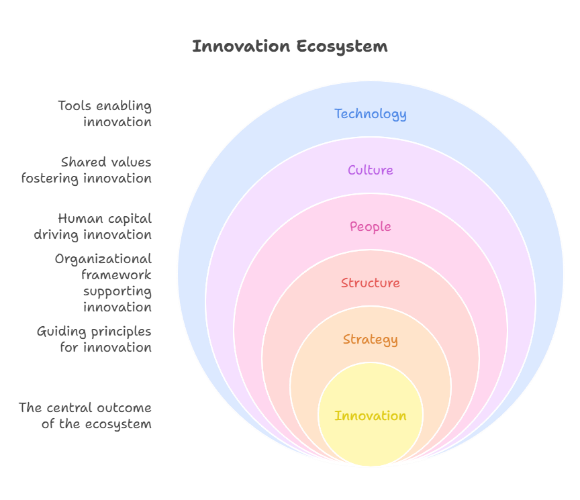
Key habits that define an innovative company culture include encouraging questions, supporting experimentation (creating a “safe to fail” environment), listening to employees, rewarding creativity, breaking down silos, staying close to customers, embracing change, moving beyond daily tasks, leading by example, and focusing on purpose. Companies like 3M, with its famous 15% rule allowing employees to spend a portion of their time on personal projects, exemplify how fostering autonomy and trust can lead to groundbreaking products. Similarly, Apple’s corporate DNA is built on innovation, driven by a desire to create game-changing products and a culture that encourages employees to “Think Different”.
Innovation maturity models provide a structured framework to assess an organization’s capabilities and processes in innovation, guiding them from initial stages to higher levels of proficiency. These models help resolve inefficiencies, clarify terminology, and build innovation capability. They often progress through phases such as idea generation, customer-centric innovation, and finally, becoming innovation-centric organizations that invest in foundational capabilities and track the impact of innovation on their bottom line.
Integrating the 6-Step Business Process for Innovation Overview
The foundational understanding of innovation, its various forms, and its strategic importance is the first step in the AI-TALENT FUSION program’s diagnostic journey. This initial exploration is deeply integrated with the program’s 6-step business process, which provides a consistent framework for analysis and action throughout the module.
Process Mapping: The journey begins by mapping the current organizational perception and informal processes surrounding “innovation.” This involves identifying where ideas typically originate, how they are discussed and evaluated, who the key influencers are, and what unofficial pathways exist for creative endeavors. This initial mapping provides a crucial visual baseline of the existing, often undocumented, innovation ecosystem.
Process Analysis: With a map of the current state, the organization’s existing innovation efforts—both formal initiatives and informal pockets of creativity—are analyzed against industry benchmarks and best practices. This analysis aims to identify critical gaps in understanding or application, such as an over-reliance on incremental improvements at the expense of disruptive thinking, or a cultural bias that stifles open ideation.
Process Re-design: Based on the insights from the analysis, a clearer, more inclusive, and strategically aligned framework for innovation can be designed for the organization. This involves creating a shared definition of innovation that is communicated and understood enterprise-wide, ensuring it encompasses the full spectrum of innovation types relevant to the company’s strategic goals.
Process Resources: This step involves the initial identification of resources required to cultivate a broader and more robust innovation culture. This could include dedicating seed funding for experimental projects, establishing dedicated innovation teams or “champions,” implementing collaborative ideation platforms, or exploring AI tools for trend analysis and initial concept validation.
Process Communications: A compelling and consistent narrative around the strategic importance of innovation must be crafted and disseminated across all levels of the organization. This communication strategy aims to engage the entire workforce in the innovation vision, making it unequivocally clear that innovation is a shared responsibility and a collective opportunity.
Process Review: Finally, initial metrics are established to assess the organization’s innovation maturity and the health of its innovation culture. This sets a quantitative and qualitative baseline for future evaluation, enabling the organization to track progress, measure the impact of its interventions, and foster a cycle of continuous improvement.
Insights from Leading Innovators
The spirit of innovation finds different expressions across the world’s most forward-looking organizations, yet certain beliefs and behaviors consistently surface as the bedrock of success. Leaders across technology, manufacturing, healthcare, retail, and even government echo the importance of embedding innovation into the daily rhythm of the organization rather than relegating it to insulated “labs.” At Google, for instance, the culture of “psychological safety”—where questioning, risk-taking, and even failure are not just tolerated but valued—has been frequently cited by both engineers and executives as the precondition for game-changing breakthroughs like Gmail and Maps. Amazon, on the other hand, champions “customer obsession” and a practice of “working backwards”. Senior leaders speak openly about how every internal process, from hiring to product launches, begins with a hypothetical press release and FAQ drafted for the future customer, forcing teams to clarify the purpose and impact of any innovation before resources are committed.
In sectors far removed from Silicon Valley, the same themes take root in their own unique ways. At Procter & Gamble, open innovation means not only empowering internal talent but collaborating deeply with outside inventors, suppliers, and even competitors. Engineers at Toyota talk of incremental, everyday improvements—Kaizen—as the true engine of long-term reinvention, with innovation seen more as a series of compound interest bets than as one-off eureka moments. In healthcare, executives at Mayo Clinic and Kaiser Permanente describe cross-disciplinary teams, populated by everyone from surgeons to front-desk staff, as critical to uncovering hidden process bottlenecks and patient pain points—proving that innovation’s value is not limited to products, but touches every interaction and workflow.
Across these industries, a recurring lesson emerges: innovation is equal parts mindset, system, and community. It flourishes wherever leadership not only sets a clear expectation for progress but provides scaffolding . The aspects of dedicated time, transparent metrics, and recognition for contrarian thinkers pave way to ensuring that great ideas are both surfaced and sustained.
The most admired companies, regardless of size or sector, also treat knowledge transfer as a core innovation competency. Leaders invest not just in digital tools but in structured rituals—hackathons, design sprints, innovation councils—where ideas are debated, prototyped, and either quickly scaled or respectfully sunsetted. In conversations with hundreds of practitioners, one piece of hard-won wisdom stands above the rest: innovation demands both the humility to listen intently, including to dissenting voices, and the courage to act decisively on insight, even if it means challenging the status quo.
Barriers and Solutions Faced in Implementing Innovation
Few organizations doubt the value of innovation, yet the journey from aspiration to execution is notoriously complex and fraught with obstacles. One of the most entrenched barriers is cultural resistance—that quiet but pervasive force which favors the familiar over the new. Employees often view innovation initiatives with skepticism when past “flavor-of-the-month” projects dissolved without real change or reward. In legacy organizations, deeply embedded hierarchies and risk aversion can stifle the open sharing of ideas, penalizing contrarian thinking and turning learning moments into sources of embarrassment.
Structural barriers further complicate the path. Functional silos create information bottlenecks and competing priorities, while systems built for operational efficiency—KPIs, budgets, approval processes—can make rapid experimentation cumbersome if not impossible. Decision-making often privileges short-term performance over long-range bets, leading to underinvestment in disruptive opportunities that may not yield immediate returns. In global organizations, the additional challenge of balancing standardized innovation models with the need for local adaptation can slow momentum or dilute creative intent.
Yet, organizations that have cracked the code on innovation share evidence-based solutions. Cultural inertia is often best addressed by visible leadership engagement—CEOs who sponsor cross-functional projects, celebrate intelligent failure, and allocate personal time to mentoring innovation teams set signals that carry through the entire organization. Middle manager buy-in is equally critical; some companies empower these leaders as “innovation champions,” giving them specific training in coaching creative teams and space to reward risk-taking within their span of control.
Breaking silos and accelerating work commonly involves the creation of cross-disciplinary teams chartered with solving customer problems, not just executing departmental KPIs. Companies such as 3M and Novartis institutionalize innovation time—“15% time,” internal hack weeks, or “innovation sabbaticals”—giving even the most operations-minded employees permission and structure to pursue new ideas outside their day jobs. Measuring and communicating success is another key lever. When innovation is tracked through clear metrics—such as percentage of revenue from new products, idea-to-launch cycle time, or employee engagement scores—and progress is transparently reported, momentum builds, skepticism fades, and a virtuous cycle of energy and investment takes root.
Reflections and Future Directions
Looking back, the last decade of organizational innovation reveals both astonishing possibilities and persistent lessons. Successful innovators have demonstrated that while technology accelerates the rate and reach of change, it is ultimately culture, leadership, and system design that determine whether creativity takes root or is left on the vine. The organizations that stand out today are those that treat innovation not as an activity but as an identity—a way of working that is as intrinsic as financial discipline or customer service.
Yet, the landscape of innovation is shifting yet again. The post-pandemic world has brought long-overdue attention to issues of equity, remote collaboration, and the mental well-being of employees—influences that will shape not only what organizations innovate, but how. The new frontier is not simply more products or services, but more adaptive, resilient systems that can anticipate seismic shifts in customer behavior, regulatory regimes, and technology.
The coming years will likely see a blurring of boundaries between sectors, as health companies embed AI into diagnostics, retailers adopt clean energy solutions, and financial institutions pioneer embedded, context-aware experiences. Open innovation models will become not just an option but an operating principle, with even the most secretive companies embracing broader ecosystems and co-creation with unlikely partners. Artificial intelligence itself will reimagine the speed at which organizations can sense, decide, and act—yet closer human-machine integration will require vigilance around bias, transparency, and trust.
For leaders and practitioners, the charge is clear: anchor innovation in purpose and human-centered design, invest in continuous learning, and cultivate both the psychological safety and strategic ambition needed to experiment boldly. Those organizations able to bridge the “knowing–doing” gap—translating insight into action, and action into enduring advantage—will not only weather disruption but define the future.
Interactive Group Activity: Innovation Spectrum Self-Assessment & Discussion
Participants, in small groups, will use a provided rubric (derived from the different innovation types and maturity levels discussed in this manual) to self-assess their current organization’s primary innovation focus and its overall innovation maturity. Each group will discuss why their organization tends to lean towards certain types of innovation (e.g., primarily incremental vs. actively pursuing disruptive) and what specific cultural or structural factors within their company contribute to this tendency. The activity will culminate in a facilitated group discussion where each team shares their most significant observation or a desired shift in their innovation focus, and collectively explores the role of talent development in achieving these strategic shifts.
Case Study: 3M’s 15% Rule and Culture of Innovation
3M, a global diversified materials science company, is widely celebrated for its deeply embedded culture of innovation, a cornerstone of which is its famous “15% Rule”. This policy encourages employees to dedicate up to 15% of their paid work time to proactively cultivate and pursue innovative ideas that personally excite them, even if those ideas fall outside their immediate job responsibilities. This autonomy empowers employees to experiment, think creatively, and challenge the status quo.
The impact of this policy has been profound, leading to countless groundbreaking products, most notably the ubiquitous Post-it Notes, which originated from an employee’s personal project. This case exemplifies how providing dedicated time and freedom for exploration fosters a sense of ownership and psychological safety, critical elements for an innovative culture. 3M’s success demonstrates that fostering an innovation ecosystem requires more than just resources; it demands a cultural commitment to curiosity, experimentation, and empowering individuals to pursue novel ideas.
Course Manual 2: Process Mapping
Process mapping is a cornerstone diagnostic tool for any organization committed to optimizing its operations and fostering innovation. It involves creating a visual representation of a sequence of activities or steps involved in a specific process, providing a clear and comprehensive overview of how work flows. This technique is fundamental for understanding the “as-is” state of existing workflows, identifying inefficiencies, and uncovering opportunities for improvement, particularly within the complex realms of innovation and talent management.
Introduction
Process mapping serves as the foundational diagnostic tool for understanding how organizational activities currently function and identifying opportunities for innovation-driven improvement. In the context of talent management, process mapping becomes particularly crucial as it reveals the complex interactions between people, systems, and procedures that collectively determine organizational capability to innovate and adapt. This course manual provides comprehensive guidance on utilizing process mapping techniques to diagnose and enhance talent management processes within pharmaceutical, healthcare, technology, manufacturing, and biotechnology organizations.
The art and science of process mapping extends far beyond simple documentation of workflow steps. Effective process mapping in talent management reveals the underlying logic of organizational systems, identifies critical interdependencies between different functional areas, and uncovers hidden opportunities for innovation. Through systematic process mapping, organizations can visualize their current state, identify inefficiencies and bottlenecks, and design future state processes that better support innovation objectives.
Modern process mapping techniques incorporate advanced analytical methods, digital tools, and collaborative approaches that engage stakeholders throughout the organization. These contemporary approaches enable more comprehensive understanding of process dynamics while building organizational commitment to improvement initiatives. The integration of process mapping with talent management innovation creates opportunities for developing more effective, efficient, and engaging employee experiences.
Fundamentals of Process Mapping in Talent Management
Process mapping represents a systematic approach to documenting and analyzing the sequence of activities, decisions, and interactions that comprise organizational processes. Within talent
management contexts, process mapping addresses the full spectrum of human capital activities from recruitment and onboarding through performance management, development, and ultimately succession planning or separation. Effective process mapping captures not only the formal procedures documented in organizational policies but also the informal practices and workarounds that employees actually use to accomplish their objectives.
The fundamental principle underlying effective process mapping involves achieving the appropriate level of detail to support analysis and improvement without creating unnecessarily complex documentation that becomes difficult to understand and maintain. This balance requires careful consideration of the mapping purpose, intended audience, and available resources. Process maps designed for diagnostic purposes may require greater detail than those intended for communication or training purposes.
Contemporary process mapping approaches emphasize stakeholder engagement throughout the mapping process to ensure accuracy, completeness, and organizational buy-in for subsequent improvement initiatives. This participatory approach recognizes that the individuals who perform process activities possess valuable insights about actual process functioning that may not be apparent to external observers. Engaging stakeholders also builds understanding and commitment for process improvement initiatives.
Process mapping in talent management must account for the human-centric nature of many activities, recognizing that individual variations in skills, experience, and preferences can significantly impact process outcomes. Unlike manufacturing or transaction processing activities that may be highly standardized, talent management processes often require adaptation to individual circumstances and organizational contexts. Effective process mapping captures both standard procedures and the decision points where customization occurs.
The integration of technology into talent management processes creates additional complexity that must be reflected in process mapping efforts. Modern talent management relies heavily on integrated systems that span multiple functional areas and support complex workflows involving multiple stakeholders. Process mapping must capture these technological dependencies and integration points to enable effective analysis and improvement.

The Anatomy of a Process Map
A process map, often depicted as a flowchart, details every element of a workflow, including:
Steps/Activities: Individual tasks or actions performed within the process.
Decision Points: Points where a choice must be made, leading to different paths in the flow.
Inputs: Materials, information, or resources required to initiate a step.
Outputs: The results or deliverables of a step.
Roles/Responsibility (Swimlanes): Delineating which individuals or departments are responsible for specific activities, often represented by horizontal or vertical “swimlanes”.
Time/Duration: The time taken for each step or the overall process.
Process maps can range from high-level overviews (e.g., top-down flowcharts, relationship maps) to detailed process flows, depending on the level of analysis required. A common approach is the SIPOC (Suppliers, Inputs, Process, Outputs, Customers) diagram, which provides a high-level understanding of a process by identifying its key elements before delving into granular steps.
Process Mapping Methodologies and Techniques
Value stream mapping provides a comprehensive approach to understanding the flow of activities and information required to deliver value to talent management stakeholders. This methodology originated in manufacturing but has been successfully adapted to service processes including talent management. Value stream mapping identifies all activities required to complete a talent management process, categorizes activities as value-adding or non-value-adding, and measures key performance indicators including cycle time, lead time, and quality metrics.
The application of value stream mapping to talent management reveals opportunities for eliminating waste, reducing cycle times, and improving stakeholder satisfaction. Common sources of waste in talent management processes include excessive handoffs between functional areas, redundant data collection and verification activities, unnecessary approval steps, and information systems that do not support efficient workflow. Value stream mapping provides a structured approach to identifying and addressing these inefficiencies.
Swimlane diagrams offer an excellent technique for mapping processes that involve multiple organizational roles or departments. This approach creates visual clarity about responsibilities and handoffs while highlighting potential coordination challenges and communication gaps. In talent management contexts, swimlane diagrams are particularly useful for mapping complex processes such as recruitment, performance management, and succession planning that involve multiple stakeholders with different roles and responsibilities.
Process flowcharts provide detailed documentation of decision points, alternative pathways, and exception handling procedures that characterize many talent management processes. Unlike simple workflow diagrams, process flowcharts capture the conditional logic that determines how different situations are handled and what outcomes result from various decision paths. This level of detail supports more sophisticated process analysis and enables identification of opportunities for automation or decision support tools.
Cross-functional process mapping addresses the reality that most talent management processes span multiple organizational boundaries and require coordination between different functional areas. This approach maps not only the activities within each functional area but also the interfaces and integration points between areas. Cross-functional mapping often reveals opportunities for better coordination, shared services, or process consolidation that can improve efficiency and effectiveness.
Digital Tools and Technologies for Process Mapping
Modern process mapping leverages sophisticated digital tools that enable more efficient data collection, analysis, and visualization while supporting collaborative mapping efforts involving distributed teams. These tools provide capabilities for real-time collaboration, version control, and integration with other analytical and documentation systems. The selection of appropriate digital tools should consider organizational technical infrastructure, user skill levels, and integration requirements with existing systems.
Cloud-based process mapping platforms enable distributed teams to collaborate effectively on mapping initiatives while maintaining centralized repositories of process documentation. These platforms typically provide templates for common process types, automated analysis capabilities, and reporting features that support ongoing process management. The accessibility and collaboration features of cloud-based platforms make them particularly valuable for organizations with geographically distributed operations.
Business process management systems provide comprehensive platforms for not only mapping processes but also analyzing, optimizing, and monitoring process performance over time. These systems often include simulation capabilities that enable organizations to test proposed process changes before implementation. The integration of process mapping with process management creates opportunities for more systematic and data-driven process improvement.
Artificial intelligence and machine learning technologies are beginning to enhance process mapping capabilities through automated process discovery, pattern recognition, and optimization recommendations. These technologies can analyze large volumes of process data to identify patterns and anomalies that may not be apparent through manual analysis. While still emerging, AI-enhanced process mapping represents a significant opportunity for organizations seeking to scale their process improvement capabilities.
Mobile technologies enable real-time process data collection and validation by stakeholders who perform process activities in their normal work environments. Mobile apps can capture process timing, decision points, and stakeholder feedback without requiring additional time commitments or disrupting normal work activities. This real-time data collection capability supports more accurate and current process mapping.
Analyzing Process Maps for Innovation Opportunities
Process analysis involves systematic examination of process maps to identify opportunities for improvement, innovation, and optimization. This analysis considers multiple dimensions including efficiency, effectiveness, quality, stakeholder satisfaction, and alignment with organizational objectives. Effective process analysis combines quantitative metrics with qualitative insights from stakeholders to develop comprehensive understanding of process performance and improvement potential.
Bottleneck analysis identifies the process steps or resources that constrain overall process performance and limit organizational capacity. In talent management contexts, bottlenecks commonly occur at approval steps, resource allocation decisions, and integration points between different systems or functional areas. Addressing bottlenecks often provides the highest return on process improvement investments by removing constraints that limit overall system performance.
Value-added analysis categorizes process activities based on their contribution to stakeholder value, distinguishing between activities that directly create value, activities that are necessary but do not add value, and activities that add no value and should be eliminated. This analysis reveals opportunities for streamlining processes by eliminating non-value-added activities while preserving or enhancing value-creating activities.
Root cause analysis examines process problems and inefficiencies to identify their underlying causes rather than just addressing symptoms. This analytical approach is particularly important in talent management where process problems often reflect deeper issues related to organizational culture, capability gaps, or system limitations. Addressing root causes enables more sustainable process improvements that prevent problem recurrence.
Gap analysis compares current process performance with desired or benchmark performance levels to identify specific areas needing improvement. This analysis can consider multiple performance dimensions including cycle time, quality, cost, and stakeholder satisfaction. Gap analysis provides objective foundation for prioritizing improvement initiatives and setting realistic improvement targets.
Stakeholder Engagement in Process Mapping
Effective process mapping requires meaningful engagement with all stakeholders who participate in or are affected by the processes being mapped. This includes not only the direct participants who perform process activities but also internal customers who receive process outputs, managers who oversee process performance, and support personnel who enable process execution. Comprehensive stakeholder engagement ensures process maps accurately reflect actual practice while building organizational commitment to improvement initiatives.
Stakeholder engagement strategies must consider the diverse perspectives, interests, and constraints of different stakeholder groups. Front-line employees may have detailed knowledge of process execution but limited understanding of broader organizational context. Managers may understand strategic objectives but lack detailed knowledge of actual process execution. External stakeholders may have important insights about process outcomes but limited knowledge of internal process mechanics.
Collaborative mapping sessions bring together diverse stakeholders to jointly develop process maps through facilitated discussions and workshops. These sessions leverage collective knowledge while building shared understanding and commitment to improvement initiatives. Effective facilitation ensures all perspectives are heard while maintaining focus on mapping objectives and avoiding unproductive discussions about process problems.
Interview-based mapping involves individual discussions with key stakeholders to gather detailed information about process activities, decision points, and improvement opportunities. This approach enables more in-depth exploration of complex topics while accommodating stakeholder scheduling constraints. Individual interviews may be particularly valuable for gathering sensitive information or exploring controversial topics that might not be addressed openly in group settings.
Validation sessions provide opportunities for stakeholders to review and confirm the accuracy of completed process maps before they are used for analysis and improvement planning. These sessions help identify errors, omissions, or misunderstandings that may have occurred during the mapping process. Validation is particularly important for complex processes or when process maps will be used for significant improvement initiatives.
Applying Process Mapping in Innovation and Talent Management
In the context of innovation, process mapping is invaluable for visualizing the entire innovation pipeline, from initial idea generation to market launch. This includes mapping activities like ideation, feature prioritization, design, engineering, testing, and release planning. By mapping these workflows, organizations can identify waste, delays, and bottlenecks that hinder velocity, such as work queues between steps, delays for approvals, or inefficient handoffs between teams. This diagnostic capability helps in streamlining the innovation journey, ultimately accelerating time-to-market for new products and services.
For talent management, process mapping can be applied to critical HR workflows such as recruitment, onboarding, employee development, and talent mobility. Mapping these processes helps to standardize work, identify communication breakdowns, eliminate manual data entry, and address data silos, leading to a much-improved employee experience. For instance, mapping a recruitment process can reveal where delays occur in candidate screening or interviewing, or where communication with hiring managers is inefficient.
The Diagnostic Power of Process Mapping
Process mapping is a fundamental diagnostic tool that uncovers “hidden” inefficiencies and communication breakdowns, which are often major impediments to innovation and talent flow in large organizations. Process mapping can also reveal bottlenecks and inefficiencies that may not be apparent without a visual representation. It is also essential to have a listing of communication breakdowns and data silos as inefficiencies process mapping can address. Thus, the value of process mapping isn’t just documenting, but actively discovering latent problems that hinder agility and innovation. This implies that the act of mapping itself is a diagnostic exercise, forcing stakeholders to confront and visualize systemic issues that might otherwise remain unaddressed. By visually representing the process, organizations can pinpoint improvement opportunities, prioritize efforts, and allocate resources effectively. It also promotes effective communication and collaboration, fostering cross-functional relationships and breaking down silos by providing a clear, shared understanding of how processes work.
AI’s Transformative Impact on Process Mapping
Artificial Intelligence (AI) is profoundly transforming process mapping, moving it from a static, labor-intensive exercise into a dynamic, real-time diagnostic capability. AI-powered process mining tools analyze data generated during various tasks to automatically uncover and map complex business processes. This capability is a significant advancement. Traditional process mapping is often a one-off project, requiring considerable manual effort to gather information and construct maps. AI allows for continuous monitoring and analysis of process execution data, identifying deviations, predicting future bottlenecks, and even suggesting automated improvements. This transforms process mapping into a continuously self-optimizing system, ensuring that friction points are identified and addressed proactively, and ideas move through the pipeline with maximum efficiency. Generative AI can further enhance this by understanding context and creating content, streamlining the process discovery and documentation. This integration enables real-time updates, predictive insights, and continuous learning, ensuring that process maps always reflect the current state and evolve as the business grows.
Integrating the 6-Step Business Process for Process Mapping
The application of process mapping is inherently aligned with the AI-TALENT FUSION program’s 6-step business process, serving as a foundational activity for diagnosis and improvement.
Process Mapping (Core): This manual’s central focus is on the core activity of visually documenting existing “as-is” innovation and talent management processes. This includes meticulously identifying all steps, decision points, roles, and interdependencies within key workflows, such as the journey of an idea from submission to prototype, or the onboarding process for a new R&D team member. This creates the essential visual baseline.
Process Analysis: Once the process maps are created, they become the primary tool for systematic analysis. Teams use the maps to identify inefficiencies, redundancies, communication breakdowns, and bottlenecks. This involves a deep dive into the “why” behind the observed flows, looking for areas where work gets stalled, duplicated, or misdirected, and quantifying the impact of these issues where possible.
Process Re-design: Armed with the analysis of the current state maps, teams can then conceptualize and design optimized “to-be” process maps. These redesigned maps aim to streamline innovation delivery, talent acquisition, or employee development by eliminating waste, improving information flow, clarifying roles, and strategically integrating new technologies, including AI and automation, at high-leverage points.
Process Resources: This step involves identifying the specific resources required to effectively map complex processes and implement the redesigned versions. This includes software tools for collaborative mapping and process mining, skilled human facilitators to guide workshops, the necessary time commitment from stakeholders, and access to data from existing systems to inform the analysis.
Process Communications: The process maps themselves serve as a powerful, shared visual language. They are a critical communication tool to foster clarity, alignment, and collaboration among the cross-functional teams involved in innovation and HR processes. They ensure everyone is on the same page regarding how work currently flows and what specific improvements are being targeted, replacing subjective opinions with a shared, objective view.
Process Review: Finally, a framework must be established for regularly reviewing and updating the process maps. Processes are not static, and the maps should be living documents. This ongoing review ensures they remain accurate diagnostic tools, reflect changes in operations, and support a culture of continuous improvement and adaptation.
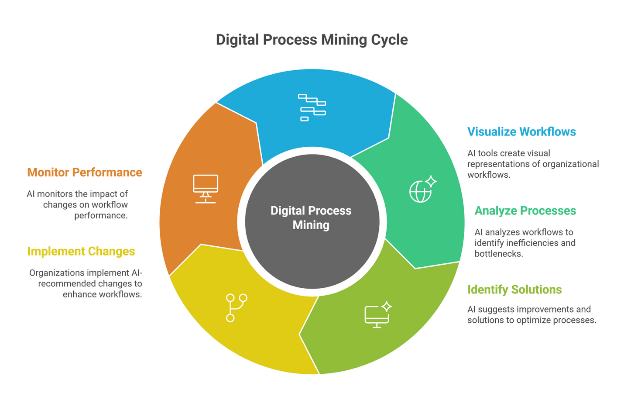
Insights from Leading Innovators
Across industries, process mapping has emerged as a vital instrument for clarity, alignment, and transformation. Engineers at Siemens and Bosch recount how value-stream mapping was instrumental in enabling their shift toward integrated digital manufacturing, sharply reducing lead times while surfacing hidden inefficiencies in globally distributed operations. In healthcare, clinicians at the Cleveland Clinic and the UK’s NHS stress that process documentation is foundational for continuous improvement. Without mapping, efforts to standardize patient care or accelerate throughput collapse under the weight of ambiguity and tribal knowledge. Meanwhile, software leaders at Atlassian and Salesforce describe visual process tools as the scaffolding for agile development, ensuring that as teams scale (sometimes 5x in a year), knowledge transfer and workflow innovation keep pace with business demands. Retailers such as Walmart and Target share how mapping store-level and supply chain processes, then iterating with frontline feedback, empowers rapid adaptation to everything from holiday surges to pandemics.
Barriers and Solutions
Despite its value, process mapping efforts often flounder on human and organizational rocks. Employees may view documentation as “busywork” unrelated to real results, while managers accustomed to command-and-control may feel threatened by the transparency into their domain. The static, one-off maps of the past quickly lose relevance in environments where teams, technology, and goals shift rapidly. Overcoming these obstacles means positioning mapping as an ongoing, participatory activity embedded in continuous improvement cycles. Successful organizations blend top-down clarity (mapping as a leadership-sanctioned initiative) with bottom-up engagement. Process owners are included from the start, their expertise and tacit knowledge valued, and changes tested in pilots before scaling.
Digital mapping tools enable iterative updates and collaboration across locations and time zones. Linking process-mapping outcomes to concrete business value is also critical. Highlighting outcomes such as cycle time reductions, improved handovers, smoother onboarding ensure that the benefits are visible and owned by teams.
Reflections and Future Directions
As organizations evolve in complexity and speed, process mapping is transitioning from a bureaucratic artifact to a dynamic operating system. The integration of AI and process mining tools is starting to automate map creation and analysis, allowing for real-time updates and predictive insight into bottlenecks or failure points. The next phase will blend these digital technologies with an even stronger emphasis on human-centric design: process maps that track emotion, team morale, and collaboration quality as well as steps and touch points. Organizations poised for success will cultivate mapping as a habit (not just an event), ensuring that the living map becomes the canvas for experimentation, resilience, and customer-centric reinvention.
Interactive Group Activity: Innovation Pipeline Mapping Workshop
Participants, organized into cross-functional teams, will select a specific innovation-related process within their organization (e.g., “from initial idea submission to prototype approval” or “talent onboarding for a new R&D role”). Using a large whiteboard, flip charts, or a digital collaborative tool, they will collaboratively map the “current state” of this process. They must identify all key steps, decision points, handoffs between teams, and any perceived bottlenecks or areas of friction. The activity will culminate in each group identifying and presenting 3-5 key areas for improvement that their map revealed.
Case Study: Siemens AG: Digital Lean Integration with Value Stream Mapping
Siemens AG, a global technology powerhouse, provides a compelling example of how digital process mapping, specifically Value Stream Mapping (VSM), can drive significant operational improvements in complex environments. At its Electronic Works facility in Amberg, Germany, Siemens implemented a “Digital Lean Manufacturing” approach, combining traditional lean principles with Industry 4.0 technologies. A core component of this transformation was the implementation of digital value stream mapping using real-time data. Unlike traditional, static VSM, Siemens leveraged real-time data to continuously visualize and analyze its production processes. This digital mapping enabled them to identify inefficiencies, bottlenecks, and waste with unprecedented precision. The results were remarkable: a 99.9989% quality rate (just 1.1 defects per million), a 140% productivity improvement over ten years, a 17% reduction in energy consumption, and a 50% reduction in engineering change implementation time. On-time delivery performance also improved significantly, from 91% to 99.7%. This case study demonstrates how digital process mapping, augmented by real-time data and lean principles, can transform a complex manufacturing and R&D environment. By providing continuous visibility into workflows and enabling data-driven identification of issues, Siemens was able to implement targeted changes that led to sustained operational excellence and continuous innovation. The ability to map processes digitally and dynamically was crucial in achieving these profound improvements.
Course Manual 3: SWOT Analysis
The SWOT (Strengths, Weaknesses, Opportunities, Threats) analysis is an indispensable strategic planning tool that provides a structured framework for assessing an organization’s internal capabilities and external environment. It functions as a roadmap for strategic planning and informed decision-making. By systematically identifying and categorizing these four elements, businesses gain profound insights into their strategic position, particularly when diagnosing their innovation capacity and talent landscape.
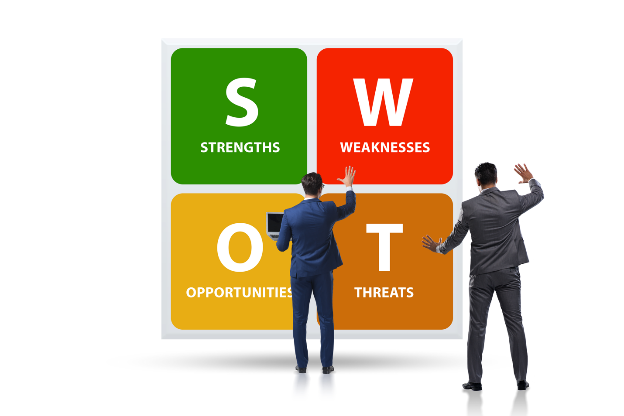
Deconstructing the SWOT Framework
Strengths (Internal): These are the inherent advantages and positive attributes within an organization that give it a competitive edge. They can include financial resources, unique technological capabilities, strong R&D departments, a positive organizational culture, highly skilled human resources, distinctive product features, or effective marketing channels. When identifying strengths, organizations should consider what they do exceptionally well, what resources they possess that competitors lack, and what aspects consistently receive positive feedback.
Weaknesses (Internal): These are the internal limitations or disadvantages that hinder an organization’s performance or competitiveness. Weaknesses might include a lack of a well-established brand, operational inefficiencies, outdated technology, insufficient funding, or gaps in employee experience, education, or training. Uncovering weaknesses requires an honest self-assessment, identifying areas where hurdles or inefficiencies frequently arise, or where customers express concerns. A critical weakness for innovation often lies in “soft skills” or cultural aspects, such as communication barriers or risk aversion, which a deep SWOT analysis can uncover. While technical capabilities often receive primary focus, a comprehensive SWOT for innovation must also delve into these less tangible, human-centric weaknesses that can stifle creativity and collaboration. This implies that talent development strategies derived from SWOT should include strengthening these soft skills and actively fostering a culture of psychological safety to enable open idea sharing and experimentation.
Opportunities (External): These are favorable external conditions or trends that an organization could exploit to its advantage. Opportunities can emerge from market gaps, technological advancements, regulatory changes, evolving consumer trends, or potential strategic alliances. For instance, a new government policy promoting renewable energy could be an opportunity for a green tech firm, or the rise of health consciousness could benefit plant-based food companies.
Threats (External): These are external challenges or risks that could negatively impact an organization’s stability, growth, or competitive position. Threats might include new competitors entering the market, emerging technologies that render existing products obsolete, economic downturns, or shifts in consumer preferences. Identifying threats requires staying abreast of industry changes, market trends, and competitor activities.
Foundations of Strategic SWOT Analysis
SWOT analysis provides a systematic framework for evaluating organizational strategic position through comprehensive examination of Strengths, Weaknesses, Opportunities, and Threats. Within talent management contexts, this framework enables organizations to understand how their human capital capabilities, organizational culture, and talent management processes position them for innovation success. Effective SWOT analysis in talent management goes beyond surface-level assessments to examine the underlying factors that drive organizational innovation capacity.
Strengths analysis in talent management focuses on identifying the internal capabilities, resources, and competencies that provide competitive advantage and support innovation objectives. These strengths may include exceptional talent in critical areas, strong organizational culture that supports innovation, effective talent development processes, or superior talent management technologies. Understanding organizational strengths provides foundation for developing strategies that leverage existing capabilities while building additional innovation capacity.
Weaknesses analysis examines internal limitations, gaps, and deficiencies that may constrain innovation potential or create vulnerability to competitive pressures. In talent management contexts, weaknesses commonly include skills gaps in critical areas, ineffective talent development processes, poor employee engagement, or inadequate talent management infrastructure. Identifying weaknesses enables organizations to develop targeted improvement strategies while preventing limitations from undermining innovation initiatives.
Opportunities analysis examines external conditions and trends that create potential for organizational advancement and innovation success. These opportunities may include emerging technologies that enhance talent management capabilities, changing workforce demographics that create new talent pools, evolving employee expectations that drive innovation in workplace practices, or regulatory changes that create demand for new capabilities. Understanding opportunities enables proactive strategy development that positions organizations to capitalize on favorable external conditions.
Threats analysis identifies external factors that may constrain organizational performance or create risks for innovation initiatives. Common threats in talent management include increasing competition for critical talent, changing workforce expectations that challenge traditional practices, technological disruptions that require new capabilities, or economic conditions that limit resource availability. Understanding threats enables development of risk mitigation strategies and contingency plans that protect organizational innovation capacity.

Advanced SWOT Analysis Techniques
Quantitative SWOT analysis incorporates numerical data, metrics, and statistical analysis to provide more objective and precise assessment of organizational factors. This approach moves beyond qualitative judgments to examine measurable indicators of organizational performance, capability levels, and external conditions. Quantitative techniques enable more rigorous comparison of different factors and more evidence-based strategic decision-making.
Weighted SWOT analysis recognizes that not all factors identified in SWOT analysis have equal strategic importance or impact on organizational outcomes. This technique involves assigning numerical weights to different factors based on their relative importance and potential impact on innovation objectives. Weighted analysis enables more sophisticated prioritization of strategic initiatives and resource allocation decisions.
Dynamic SWOT analysis acknowledges that organizational strengths, weaknesses, opportunities, and threats change over time in response to internal developments and external conditions. This approach involves conducting periodic SWOT assessments and tracking changes in key factors over time. Dynamic analysis enables more responsive strategy development and adaptation to changing conditions.
Cross-impact SWOT analysis examines the interdependencies and interactions between different SWOT factors rather than treating them as independent elements. This technique recognizes that
organizational strengths may help address threats, external opportunities may help overcome internal weaknesses, and various factors may reinforce or counteract each other. Cross-impact analysis provides more sophisticated understanding of strategic dynamics and enables development of more integrated strategies.
Stakeholder-specific SWOT analysis recognizes that different organizational stakeholders may have different perspectives on organizational strengths, weaknesses, opportunities, and threats. This approach involves conducting separate SWOT assessments from the perspectives of different stakeholder groups including employees, managers, customers, and partners. Multi-stakeholder analysis provides more comprehensive understanding of organizational strategic position while identifying potential areas of disagreement or conflict.
SWOT Analysis in Innovation Strategy Development
Strategic option generation involves using SWOT analysis results to develop specific strategic initiatives that address identified factors and advance innovation objectives. This process typically involves developing strategies that leverage strengths to capitalize on opportunities, address weaknesses that may prevent opportunity capture, use strengths to mitigate threats, and minimize vulnerabilities that may be exposed by external threats. Effective option generation requires creative thinking combined with rigorous analysis of feasibility and potential impact.
Strength-Opportunity strategies focus on leveraging organizational strengths to capitalize on external opportunities for innovation and growth. In talent management contexts, this might involve using strong organizational culture to attract top talent in emerging fields, leveraging existing talent development capabilities to build new competencies, or utilizing effective talent management processes to support expansion into new markets or technologies.
Weakness-Opportunity strategies address internal limitations that may prevent organizations from capitalizing on external opportunities. These strategies typically involve capability development, process improvement, or resource acquisition initiatives that enable organizations to pursue attractive opportunities. Examples might include developing new talent acquisition capabilities to access emerging talent pools or implementing new technologies to support innovative talent management practices.
Strength-Threat strategies utilize organizational strengths to mitigate external threats and reduce organizational vulnerability. In talent management, this might involve using strong employee engagement to reduce turnover risks, leveraging talent development capabilities to address skills obsolescence threats, or utilizing organizational culture to maintain talent retention despite competitive pressures.
Weakness-Threat strategies address the most challenging strategic situation where internal limitations combine with external threats to create significant organizational vulnerability. These strategies typically require comprehensive improvement initiatives that address multiple internal and external factors simultaneously. Examples might include major talent management transformation initiatives that address both internal process limitations and external competitive pressures.
Technology-Enhanced SWOT Analysis
Digital SWOT analysis platforms provide sophisticated tools for conducting, analyzing, and managing SWOT assessments across large, complex organizations. These platforms enable real-time collaboration among distributed teams, automated data collection and analysis, and integration with other strategic planning and performance management systems. Digital platforms can significantly enhance the efficiency and effectiveness of SWOT analysis while providing better documentation and tracking of strategic insights.
Artificial intelligence and machine learning technologies are beginning to enhance SWOT analysis through automated data collection, pattern recognition, and insight generation. These technologies can analyze large volumes of internal and external data to identify trends, patterns, and relationships that may not be apparent through manual analysis. AI-enhanced SWOT analysis provides more comprehensive and objective assessment while reducing the time and effort required for strategic analysis.
Predictive SWOT analysis uses advanced analytics and modeling techniques to forecast how organizational strengths, weaknesses, opportunities, and threats may evolve over time. This approach enables more forward-looking strategic planning that anticipates future conditions rather than simply responding to current situations. Predictive analysis is particularly valuable for long-term innovation strategy development that must account for rapidly changing technological and market conditions.
Real-time SWOT monitoring involves continuous tracking of key factors and indicators that influence organizational strategic position. This approach enables organizations to identify emerging opportunities and threats more quickly while monitoring the effectiveness of strategies designed to leverage strengths and address weaknesses. Real-time monitoring supports more agile and responsive strategic management.
Social media and external data integration enables SWOT analysis to incorporate broader sources of information about external opportunities and threats. These data sources can provide early indicators of emerging trends, competitive developments, and stakeholder sentiment that may impact organizational strategic position. External data integration provides more comprehensive and current understanding of the external environment.
Stakeholder Engagement in SWOT Analysis
Multi-stakeholder SWOT analysis recognizes that different organizational stakeholders possess unique perspectives and information that can enhance strategic assessment accuracy and completeness. Effective stakeholder engagement ensures that SWOT analysis incorporates diverse viewpoints while building organizational commitment to resulting strategic initiatives. Stakeholder engagement also helps identify potential implementation challenges and opportunities that may not be apparent from single-perspective analysis.
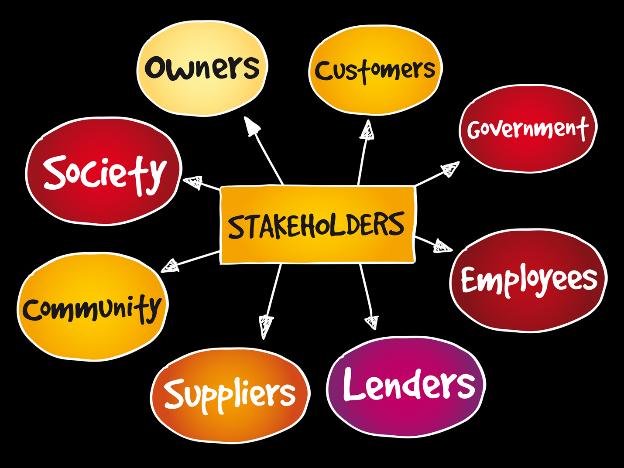
Employee engagement in SWOT analysis taps into front-line knowledge and experience that may reveal important organizational strengths and weaknesses not apparent to senior management. Employees often have detailed understanding of operational capabilities, process limitations, and improvement opportunities that can significantly enhance SWOT analysis accuracy. Employee engagement also builds organizational commitment to strategic initiatives by involving employees in strategy development processes.
Customer and external stakeholder input provides crucial perspective on organizational strengths and weaknesses from the perspective of those who receive organizational outputs and services. External stakeholders may identify organizational capabilities that are not fully recognized internally while highlighting weaknesses that create barriers to value delivery. External perspectives are particularly valuable for identifying opportunities and threats that may not be apparent from internal analysis.
Cross-functional collaboration ensures that SWOT analysis incorporates perspectives from different organizational areas and functional specialties. Different functional areas may have unique insights about organizational capabilities, limitations, and external conditions based on their specific roles and responsibilities. Cross-functional collaboration also helps identify interdependencies and integration opportunities that may not be apparent from single-function analysis.
Facilitated SWOT workshops provide structured approaches for bringing together diverse stakeholders to conduct collaborative SWOT analysis. Effective facilitation ensures that all perspectives are heard while maintaining focus on strategic objectives and avoiding unproductive discussions. Facilitated workshops can generate more comprehensive and creative strategic insights while building consensus and commitment among participants.
Conducting a SWOT Analysis for Innovation and Talent
To effectively conduct a SWOT analysis with a focus on innovation and talent, organizations should follow a systematic approach:
Define the Objective: Clearly state the purpose of the SWOT analysis (e.g., “to assess our capacity for disruptive innovation,” or “to identify talent development needs for future AI integration”).
Collect Data: Gather relevant internal and external information. This includes internal audits, employee surveys, performance reviews, market research reports, competitor analysis, customer feedback, and industry trend analyses.
Identify Factors: Brainstorm and list specific factors for each of the four quadrants. For innovation, consider factors like R&D capabilities, intellectual property, innovation culture, employee creativity, market receptiveness to new ideas, and competitor innovation. For talent, think about skill sets, leadership capabilities, employee engagement, retention rates, and the talent pool availability in the market.
Analyze and Prioritize: Evaluate each identified factor based on its significance and potential impact. This involves understanding the interdependencies between factors (e.g., how a lack of a specific skill (W) might prevent capitalizing on a market opportunity (O)).
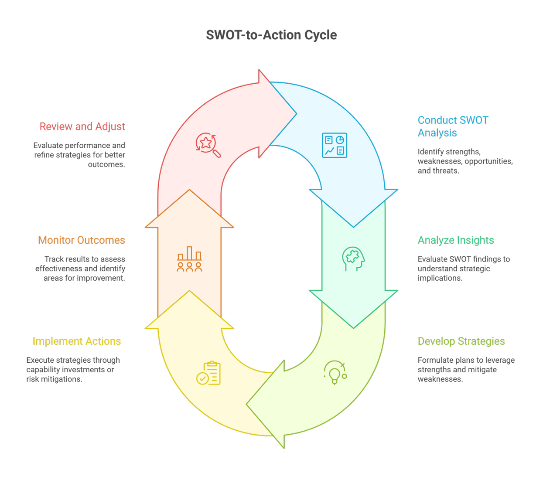
Develop Strategies: Translate the SWOT findings into actionable strategies. These strategies typically fall into four categories:
Leverage (S+O): Using strengths to capitalize on opportunities.
Inhibitory (W+O): Addressing weaknesses to take advantage of opportunities.
Vulnerability (S+T): Using strengths to mitigate threats.
Problematic (W+T): Addressing weaknesses to minimize the impact of threats.
AI’s Augmentation of SWOT Analysis
Artificial Intelligence is profoundly enhancing the SWOT analysis process and transforming it considerably in the following manner : AI’s ability to analyze unstructured data (e.g., customer feedback, employee pulse surveys) transforms SWOT from a qualitative brainstorming session into a more objective, data-driven diagnostic tool. The use of AI’s natural language processing (NLP) and natural language generation (NLG) to analyze data and AI-based sentiment analysis to detect morale dips highlights the fact that traditional SWOT relies heavily on subjective input. AI allows for the automated processing of vast amounts of qualitative data, providing a more comprehensive and unbiased view of internal perceptions and external market signals. This enables more accurate identification of true strengths, weaknesses, opportunities, and threats, leading to more robust innovation strategies.
AI-powered tools can automate data collection, analysis, and presentation, saving time and effort while providing more accurate and comprehensive insights than human analysts alone. For example, AI can:
Identify Hidden Strengths and Weaknesses: By analyzing operational data, audit trails, and natural language feedback from employees and customers, AI can uncover subtle inefficiencies or overlooked capabilities.
Pinpoint Opportunities: AI-powered trend analysis tools can scan market reports, social media chatter, and economic indicators to identify emerging trends and potential market gaps.
Anticipate Threats: AI algorithms can monitor regulatory changes, news feeds, and competitor behavior to help anticipate challenges before they fully materialize.
This integration allows for more precise strategic interventions, such as using AI-powered learning platforms to upskill employees based on identified weaknesses or automating inefficient processes.
Integrating the 6-Step Business Process for SWOT Analysis
The application of SWOT analysis is deeply integrated with the AI-TALENT FUSION program’s 6-step business process, providing a structured approach from data gathering to strategic action.
Process Mapping: This initial step involves mapping the data collection and analysis processes required to conduct a comprehensive SWOT analysis for innovation and talent. It ensures that all relevant internal and external information sources—from employee surveys and performance data to market research and competitor analysis—are identified and integrated into the diagnostic process.
Process Analysis (Core): This is the heart of the SWOT activity, where the identified Strengths, Weaknesses, Opportunities, and Threats are systematically analyzed. The analysis aims to understand their root causes, their interdependencies, and their potential impact on the organization’s innovation capacity and talent landscape. This step moves beyond mere listing to deep strategic interrogation.
Process Re-design: Based on the analysis, strategic initiatives and process adjustments are designed. This is where the SWOT findings are translated into action. The re-design phase focuses on creating plans to leverage strengths, address weaknesses (e.g., launching targeted upskilling programs), capitalize on opportunities (e.g., forming strategic partnerships to enter new markets), and mitigate threats (e.g., developing contingency plans for talent retention).
Process Resources: This involves identifying the human expertise (e.g., market analysts, HR data specialists, strategic planners), technological tools (e.g., AI platforms for sentiment analysis and trend monitoring), and financial investment required to conduct a thorough and ongoing SWOT analysis and to fund the resulting strategic initiatives.
Process Communications: A clear and compelling communication strategy is developed to share the SWOT findings and the resulting strategic priorities with leadership and cross-functional teams. This ensures organizational alignment, fosters a shared understanding of the competitive landscape, and gains buy-in for the proposed changes in innovation and talent strategy.
Process Review: A regular review cycle for the SWOT analysis is established. This is crucial for transforming it from a static, one-time exercise into a dynamic strategic tool. The organization continuously monitors changes in its internal and external environment, allowing it to adapt its innovation and talent strategies to ensure ongoing relevance and effectiveness.
Insights from Leading Innovators
Executives from diverse sectors recognize that the most valuable SWOT analyses are living, regularly-refreshed, and deeply honest assessments. Senior leaders at Nestlé and P&G discuss using SWOT as a foundation for quarterly strategy reviews—a discipline that transforms the framework from academic exercise to operational dashboard. Entrepreneurial founders in fintech and biotech describe mobilizing company-wide SWOT “jams” to unearth the unvarnished assessments of opportunity and threat held by teams on the periphery. In energy and infrastructure, firms such as Siemens and Orsted embrace cross-functional SWOTs—pairing engineers with marketers and sustainability experts—to spot risks and capabilities invisible to any one silo. Their insight is echoed by digital-native businesses, where teams at Spotify and Netflix leverage data-rich “SWOT dashboards” to monitor market shifts and competitor innovations in close to real-time.
Barriers and Solutions
The most pernicious barrier to effective SWOT analysis is organizational defensiveness—leaders who fear surfacing weaknesses, or cultures that punish truth-tellers and mistake optimism for realism. When SWOT is conducted in isolation by a few planners, disconnection from on-the-ground conditions renders it irrelevant; when it is not revisited as conditions change, it can lull organizations into dangerous complacency. Solutions center on moving SWOT from the boardroom to the floor. Crowdsourcing input, using digital collaboration tools for wide participation, and making SWOT an iterative process, not a one-and-done are all vital. Incorporating quantitative data—employee engagement, customer churn, IP filings—alongside qualitative insight reduces bias. Some organizations now pair SWOTs with “pre-mortems,” where teams imagine how a future initiative might fail, surfacing additional threats and vulnerabilities.
Reflections and Future Directions
The future of SWOT will be more dynamic, democratized, and data-enriched. Artificial intelligence is increasingly able to parse external trends (social media, analyst reports) and internal signals (turnover hotspots, innovation metrics) to keep SWOTs current and contextual. As organizations grow more networked and less hierarchical, the most insightful SWOT analyses will be those that capture both the diversity of internal voices and the rapidly shifting landscape of external forces.

Interactive Group Activity: “SWOT for Our Innovation Challenge”
In small groups, participants will select a specific innovation challenge or opportunity currently facing their organization (e.g., “How to integrate AI into our core product line,” “How to foster more internal entrepreneurship,” or “Addressing a specific market disruption”). For this chosen challenge, they will collaboratively conduct a mini-SWOT analysis, identifying key factors in each quadrant. Each group will then share their most surprising or impactful insight derived from their SWOT analysis with the wider cohort.
Case Study: Starbucks: Leveraging Opportunities for Innovation through SWOT
Starbucks, the global coffeehouse chain, provides an illustrative example of how continuous market awareness and strategic partnerships, akin to a robust SWOT analysis, can be leveraged to identify and capitalize on opportunities for innovation and market expansion. While not explicitly stated as a formal SWOT document, the company’s strategic moves reflect a deep understanding of its internal strengths and external opportunities.
Starbucks’ strengths include its strong brand reputation, global presence, and customer loyalty. Its ability to identify and seize opportunities has been a key driver of its innovation strategy. Starbucks has consistently explored opportunities for co-branding with other food and drink manufacturers and brand franchising. Its global expansion into new markets, particularly in regions like India and the Pacific Rim nations, also represents a strategic capitalization on emerging market opportunities identified through ongoing environmental scanning. The company’s continuous innovation in product offerings, such as low-price products, also reflects a response to market needs and competitive pressures.
This case demonstrates how a company, by continuously assessing its environment and internal capabilities (implicitly, through a SWOT-like lens), can proactively identify and leverage opportunities to drive innovation, expand its market presence, and maintain its competitive edge. It underscores the importance of being agile and responsive to external shifts, turning potential trends into strategic advantages.
Course Manual 4: Value Streams
Value Stream Mapping (VSM) is a lean management technique that provides a visual, analytical, and improvement-oriented approach to understanding the flow of information and materials required to deliver a product or service to a customer. While historically rooted in manufacturing, VSM has proven to be an increasingly vital tool for optimizing “knowledge work” and “product development” within innovation pipelines, signifying a strategic shift towards viewing innovation as a systematic “product factory”.
The Essence of Value Stream Mapping
At its core, a value stream map illustrates the entire process, from the initial concept or customer request to the final delivery, highlighting every step, decision point, and delay. The primary objective of VSM is to identify and eliminate waste (non-value-adding activities), thereby streamlining operations, enhancing quality, and increasing overall efficiency.
Key components of a value stream map include:
Inputs and Outputs: What enters and exits each step of the process.
Value-Adding Steps (VA): Actions that directly transform the product or service in a way the customer values and is willing to pay for.
Non-Value-Adding Steps (NVA): Activities that consume resources but do not add value from the customer’s perspective. These are often targeted for elimination.
Necessary Non-Value-Adding Steps: Activities that do not directly add value but are currently required by the process (e.g., regulatory checks). These are targeted for reduction or optimization.
Information Flow: How data and communication move through the process.
Material Flow: How physical products or components move.
Metrics: Quantifiable data points such as lead time (total time from start to finish), cycle time (time for one unit to pass through a step), and inventory levels (queues between steps).
Fundamentals of Value Stream Analysis in Talent Management
Value stream analysis involves systematic examination of the complete sequence of activities required to deliver value to talent management stakeholders, including employees, managers, organizational leaders, and ultimately customers and communities served by the organization. This comprehensive perspective recognizes that talent management value creation involves multiple interconnected processes that span organizational boundaries and extend over extended time periods.
The foundation of effective value stream analysis lies in clearly defining value from the perspective of different stakeholders and understanding how various activities contribute to or detract from value creation. In talent management contexts, value may include employee development and satisfaction, organizational capability enhancement, innovation capacity building, and business performance improvement. Different stakeholder groups may define and prioritize value differently, requiring analysis to consider multiple value perspectives simultaneously.
Value stream mapping provides visual representation of all activities, decision points, information flows, and resource requirements involved in creating and delivering talent management value. Unlike simple process flowcharts, value stream maps capture the timing, resources, and performance characteristics associated with each activity while identifying value-adding and non-value-adding elements. This comprehensive documentation enables systematic analysis of improvement opportunities and supports evidence-based decision making about process enhancement initiatives.
Value stream analysis distinguishes between activities that directly create value for stakeholders, activities that are necessary but do not directly add value, and activities that add no value and represent pure waste. This categorization enables organizations to focus improvement efforts on eliminating waste while preserving and enhancing value-creating activities. The analysis also examines flow characteristics including cycle times, lead times, waiting periods, and resource utilization patterns.
Current state value stream mapping documents existing talent management processes in their actual operating condition, capturing both formal procedures and informal practices that employees use to accomplish their objectives. This current state documentation provides baseline understanding that enables meaningful measurement of improvement outcomes while revealing hidden inefficiencies and improvement opportunities that may not be apparent through casual observation.
Value Stream Mapping Techniques and Methodologies
Traditional value stream mapping originated in manufacturing environments but has been successfully adapted for service processes including talent management. The adaptation requires modifications to account for the knowledge-intensive, relationship-based, and highly variable nature of talent management activities. These modifications include expanded focus on information flows, decision-making processes, and stakeholder interactions that characterize talent management value streams.
Information value stream mapping focuses specifically on the flow of information through talent management processes, recognizing that information represents the primary “product” in many knowledge work contexts. This approach maps how information is collected, processed, analyzed, stored, and communicated throughout talent management processes while identifying opportunities for improving information quality, accessibility, and utility.
Cross-functional value stream mapping addresses the reality that most talent management value streams span multiple organizational functions and require coordination between different departments, systems, and stakeholder groups. This approach maps not only activities within individual functions but also handoffs, integration points, and coordination mechanisms between functions. Cross-functional mapping often reveals opportunities for better integration and reduced complexity.
End-to-end value stream mapping examines complete talent management value streams from initial stakeholder needs through final value delivery, regardless of organizational boundaries or time spans involved. This comprehensive approach may map value streams that extend over months or years and involve numerous organizational units. End-to-end mapping provides strategic perspective on talent management value creation that enables more systematic improvement initiatives.
Digital value stream mapping leverages technology platforms that enable real-time data collection, automated analysis, and dynamic visualization of value stream performance. These platforms can integrate with existing talent management systems to capture actual performance data rather than relying solely on estimates or observations. Digital mapping enables continuous monitoring and optimization of value streams over time.
Steps for Creating Value Stream Maps
The VSM process typically involves:
Define the Product or Product Line: Identify the specific innovation or product value stream to be analyzed and improved.
Assemble a Cross-Functional Team: Bring together individuals from all relevant departments involved in the value stream (e.g., R&D, design, engineering, marketing, HR).
Map the Current State: Visually represent the “as-is” flow of information and materials, capturing all steps, queues, and decision points. This often involves “walking the floor” to observe the actual process.
Apply Value Stream Metrics: Quantify the lead time, cycle times, and value-added vs. non-value-added time for each step.
Brainstorm Improvements: Identify areas of waste and brainstorm solutions to eliminate or reduce them, often through “Kaizen events” (continuous improvement initiatives).
Define the Future State: Design an optimized “to-be” value stream map that incorporates the improvements, aiming for streamlined flow and reduced waste.
Continuously Improve: Implement the changes and establish mechanisms for ongoing monitoring and adaptation, ensuring sustained improvements.
Identifying Waste in Innovation Value Streams
VSM is particularly effective at exposing various forms of waste that impede innovation velocity:
Waiting: Delays for approvals, information, or resources.
Overproduction: Creating ideas, prototypes, or features that are not immediately needed or valued.
Over-processing: Adding unnecessary steps or complexity to an innovation process.
Defects: Errors in design, development, or implementation that require rework.
Motion: Unnecessary movement of people or information, such as searching for data.
Transport: Moving work between teams or systems unnecessarily.
Inventory: Backlogs of ideas, projects, or unfinished work waiting between stages.
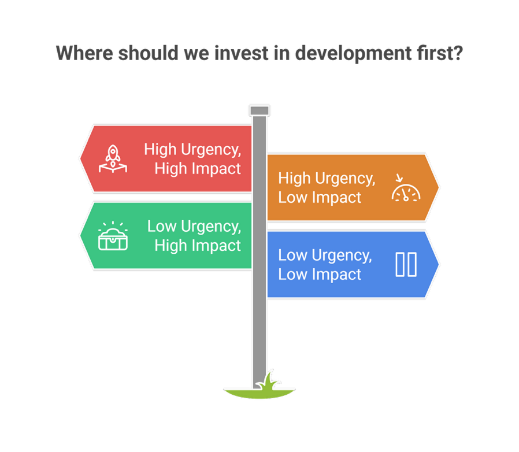
Waste Identification and Elimination in Talent Processes
Waste identification represents a critical component of value stream analysis that focuses on identifying and categorizing activities that consume resources without creating value for stakeholders. In talent management contexts, waste commonly occurs through redundant data collection, unnecessary approval steps, poor integration between systems, inadequate communication, and ineffective handoffs between organizational units.
Transportation waste in talent management involves unnecessary movement of information, documents, or people through processes that could be streamlined or eliminated. Examples include multiple data entry requirements, redundant approvals, and excessive handoffs between organizational units. Transportation waste often reflects poor process design or inadequate system integration that forces inefficient workflows.
Inventory waste occurs when information, requests, or decisions accumulate in queues waiting for processing rather than flowing smoothly through talent management processes. Common examples include application backlogs, pending approvals, and delayed feedback that creates bottlenecks and extends cycle times. Inventory waste often indicates capacity constraints or unbalanced workflow design.
Motion waste involves inefficient or unnecessary activities performed by individuals within talent management processes. This includes searching for information that should be readily
available, recreating work that already exists elsewhere, or performing redundant verification activities. Motion waste often reflects poor system design, inadequate training, or insufficient standardization of procedures.
Waiting waste occurs when talent management processes experience delays due to unavailable resources, pending decisions, or coordination delays. Examples include waiting for approvals, delayed feedback, and scheduling difficulties. Waiting waste extends cycle times and reduces stakeholder satisfaction while consuming organizational resources without creating value.
Over-processing waste involves performing more work than necessary to meet stakeholder requirements or applying excessive precision to activities that do not require high precision. Examples include overly complex approval processes, excessive documentation requirements, and redundant quality checks. Over-processing waste often reflects risk-averse organizational cultures or poorly designed control mechanisms.
Value Stream Performance Measurement
Value stream performance measurement involves developing comprehensive metrics that capture both efficiency and effectiveness dimensions of talent management value creation. These metrics enable organizations to understand current performance levels, identify improvement opportunities, and track progress over time. Effective measurement systems balance multiple perspectives including stakeholder satisfaction, process efficiency, quality outcomes, and resource utilization.
Cycle time measurement tracks the time required to complete specific activities or processes within talent management value streams. This includes both active processing time and waiting time that occurs between activities. Cycle time measurement enables identification of bottlenecks and opportunities for acceleration while providing baseline data for improvement initiatives.
Lead time measurement examines the total elapsed time from initial stakeholder request through final value delivery. Lead time encompasses all activities, delays, and waiting periods involved in complete value stream execution. Lead time reduction often provides significant stakeholder satisfaction improvements while enabling organizations to be more responsive to changing needs and conditions.
Quality metrics assess the accuracy, completeness, and stakeholder satisfaction associated with talent management value stream outputs. Quality measurement may include error rates, rework requirements, stakeholder feedback scores, and outcome achievement rates. Quality metrics help organizations understand whether process improvements enhance or compromise value delivery to stakeholders.
Resource utilization metrics examine how effectively organizational resources including people, technology, and financial resources are deployed within talent management value streams. These metrics help identify opportunities for better resource allocation while ensuring adequate capacity to meet stakeholder needs. Resource metrics should balance efficiency considerations with service quality requirements.
Value delivery metrics assess the ultimate outcomes achieved through talent management value streams including employee development, organizational capability enhancement, and business performance contribution. These metrics connect process performance with strategic outcomes to ensure improvement efforts focus on activities that create meaningful organizational value.

Technology Integration in Value Stream Analysis
Digital transformation is fundamentally changing how value streams operate and can be analyzed within talent management contexts. Advanced technologies enable real-time visibility into value stream performance, automated optimization of workflows, and enhanced stakeholder experiences throughout talent management processes. Technology integration creates opportunities for more responsive, efficient, and effective value stream management.
Artificial intelligence and machine learning technologies can analyze large volumes of value stream data to identify patterns, predict bottlenecks, and recommend optimization opportunities. These technologies enable more sophisticated analysis than manual approaches while providing insights that may not be apparent through traditional analytical methods. AI-enhanced value stream analysis supports continuous optimization and adaptive improvement over time.
Robotic process automation can eliminate waste and improve flow within talent management value streams by automating routine, rules-based activities. Automation enables faster processing, reduced errors, and freed capacity for higher-value activities while improving consistency and reliability. Strategic automation deployment can significantly improve value stream performance while enhancing employee satisfaction.
Cloud-based platforms enable distributed access to talent management value streams while providing centralized visibility and control. Cloud platforms support more flexible, scalable value stream designs that can adapt to changing organizational needs and conditions. The accessibility and integration capabilities of cloud platforms enable more collaborative and responsive value stream management.
Analytics and business intelligence platforms provide comprehensive dashboards and reporting capabilities that enable real-time monitoring of value stream performance across multiple dimensions. These platforms can integrate data from multiple sources to provide holistic understanding of value stream dynamics while supporting evidence-based decision making about improvement priorities and approaches.By quantifying these wastes, organizations can prioritize improvement efforts and allocate resources effectively. Like an architectural diagram shows you the layout of a house, a value stream map shows you the layout of your ‘product factory’ This reframes the abstract nature of innovation into a tangible, manageable process. This implies that applying lean principles, traditionally for physical goods, to the intangible flow of ideas and knowledge can yield significant efficiencies and accelerate time-to-market for innovations.
AI’s Enhancement of Value Stream Mapping
Artificial Intelligence is revolutionizing VSM, enabling “predictive insights” and “dynamic updates” , moving beyond static analysis to real-time, adaptive optimization of innovation pipelines. AI-driven VSM tools can automate data collection and analysis, significantly reducing the time required to create value stream maps while ensuring accuracy and consistency. More importantly, AI leverages historical data and advanced algorithms to forecast future bottlenecks and suggest optimal pathways, allowing for proactive interventions rather than reactive problem-solving. This capability is a significant advancement. Traditional VSM identifies existing waste, but AI adds a predictive layer, allowing organizations to anticipate where innovation projects might get stuck before it happens. This shifts the focus from fixing problems to preventing them, enabling a more agile and resilient innovation ecosystem. This means the underlying operational machinery for innovation is always evolving to support faster ideation, development, and deployment, without needing major, infrequent interventions. AI can also enhance the value stream by automating repetitive tasks and providing insights for decision-making.
Integrating the 6-Step Business Process for Value Streams
The application of Value Stream Mapping is a core component of the AI-TALENT FUSION program’s 6-step business process, providing a clear path from visualization to optimization.
Process Mapping (Core): This manual emphasizes the creation of detailed “current state” value stream maps for key innovation or product development processes. This involves visually representing the flow of both materials (e.g., code, designs) and information, and meticulously identifying all steps, queues, handoffs, and decision points. This provides a comprehensive, data-informed overview of the existing process.
Process Analysis (Core): The current state VSM is then systematically analyzed to identify and quantify the “seven wastes” of lean (e.g., waiting, overproduction, defects). This analysis pinpoints bottlenecks, uncovers non-value-adding activities, and calculates key metrics like total lead time versus value-added time, revealing the true efficiency of the innovation pipeline.
Process Re-design: Based on the deep insights from the analysis, teams design an ideal “future state” value stream map. This map aims to eliminate waste, streamline flow, dramatically reduce lead times, and optimize the overall efficiency of the innovation delivery pipeline. This often involves incorporating lean principles like pull systems and continuous flow, as well as considering potential AI integrations for automation or decision support.
Process Resources: This step involves identifying and optimizing the allocation of all resources—personnel, technology, and information systems—within the value stream to support the redesigned, more efficient flow. This ensures that valuable resources are aligned with value-adding activities and that bottlenecks caused by resource constraints are eliminated.
Process Communications: The visual VSM serves as an exceptionally powerful communication tool. It aligns cross-functional teams, fosters a shared, data-driven understanding of the innovation process, and helps gain enthusiastic buy-in for the proposed improvements. It creates a common language for discussing process flow and improvement priorities.
Process Review: A system of continuous monitoring is established, using key performance indicators (KPIs) like lead time, cycle time, and first-pass yield to track the performance of the redesigned value stream. This ensures that improvements are sustained, and it allows the organization to remain agile and adaptive to changing conditions, facilitating ongoing optimization.
Insights from Leading Innovators
Automotive giants like Toyota and BMW, long the standard-bearers for lean thinking, now use value stream mapping not just for manufacturing but to accelerate the development of new mobility services and connected vehicle ecosystems. At Salesforce and SAP, product teams align their “feature to customer” value streams for speed—treating delays between ideas, review, build, and release as prime candidates for root-cause improvement. Healthcare systems such as Kaiser Permanente reimagine patient care journeys as value streams, with continuous monitoring of handoffs between staff, reducing errors and boosting both safety and satisfaction. Fast-moving consumer goods firms, from Unilever to PepsiCo, share how end-to-end value visibility reduces redundant approvals and enables more agile investment in high-potential ideas.
Barriers and Solutions
Value stream initiatives regularly confront two types of resistance: “this is how we’ve always done it” and “we can’t measure what we don’t see.” Legacy KPIs reward volume and activity over flow; teams optimize sub-processes but overlook systemic latency. Overcoming these barriers requires a mindset shift away from local optimization—celebrating end-to-end improvements, incentivizing “flow managers,” and rewarding the identification of resource traps, even if it means exposing inefficiencies. Data tools, including process mining and automated workflow visualization, are increasingly vital for revealing bottlenecks hidden within complex modern value streams.
Reflections and Future Directions
The trajectory for value stream management points toward richer data integration, more transparent real-time monitoring, and the application of AI to optimize flow in response to shifting demand. As ecosystems become more interconnected—suppliers, partners, digital platforms—the boundaries of value streams will extend outside the enterprise, requiring shared metrics, trust, and co-creation alongside customers and the broader market.
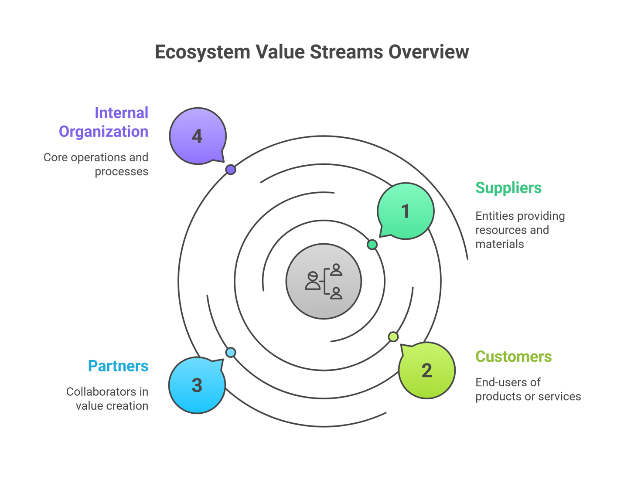
Interactive Group Activity: “Future State VSM Design”
Building on a provided hypothetical “current state” innovation value stream map (or a map developed in a previous activity), groups will identify 3-5 key areas of waste (e.g., long approval queues, excessive rework, information silos). They will then collaboratively design a “future state” value stream map, incorporating lean principles (e.g., pull systems, single-piece flow) and potential AI integrations (e.g., AI for automated decision points, predictive maintenance for tools), to eliminate or significantly reduce these wastes. Each group will present their redesigned flow, highlighting the expected improvements in efficiency and innovation velocity.
Case Study: Verigreen Pty (Ltd): Transforming Production with Value Stream Mapping
Verigreen Pty (Ltd), a manufacturing company, provides a compelling illustration of the transformative power of Value Stream Mapping (VSM) when combined with strategic benchmarking. Facing the ambitious goal of increasing production capacity from 900,000 to 1.2 million bags per day, Verigreen undertook a weeklong VSM workshop involving its senior management team. The process involved mapping three types of flow: information flow, material flow, and a timeline capturing process durations. By documenting their “current state” process, the team was able to identify significant inefficiencies and bottlenecks. A key innovation in their “future state” design was the introduction of a “supermarket” model in the finished goods warehouse, where stock levels would automatically trigger production at the bottleneck area, replacing their existing push-based system with a more efficient pull system. The VSM intervention fostered a shared understanding and commitment to change among senior management, who actively participated in identifying waste and co-creating solutions. The impact was significant and ongoing: Verigreen achieved a 99% On-Time In-Full (OTIF) delivery rate and reduced its inventory holding. The company continues to hold bi-weekly VSM sessions, demonstrating a dedication to continuous improvement and leveraging the insights from the VSM process to drive efficiency and innovation across its operations. This case highlights how VSM can enable organizations to identify inefficiencies and design a more efficient “future state,” leading to tangible improvements in operational excellence and production goals.
Course Manual 5: AI Diagnostics
Artificial Intelligence (AI) is rapidly transforming the landscape of organizational and talent diagnostics, moving beyond traditional reactive analyses to provide proactive, predictive insights. AI diagnostics involve the sophisticated application of AI techniques to analyze vast and complex datasets, identify intricate patterns, predict future outcomes, and generate actionable intelligence for strategic decision-making in areas such as organizational health, talent capabilities, and innovation potential.
The evolution of AI diagnostics in talent management extends far beyond simple automation of routine tasks to encompass sophisticated analysis of complex organizational dynamics, predictive modeling of talent behaviors and outcomes, and intelligent recommendation generation for strategic decision-making. Modern AI diagnostics enable organizations to uncover hidden patterns in talent data, predict future talent needs and behaviors, and optimize talent management processes in ways that were previously impossible through traditional analytical approaches.
AI diagnostics integration with talent management innovation creates unprecedented opportunities for understanding organizational innovation capacity, identifying talent-related constraints on innovation performance, and developing targeted interventions that enhance both individual and organizational innovation capabilities. The strategic application of AI diagnostics enables organizations to move from reactive, intuition-based talent management toward proactive, evidence-based approaches that systematically build innovation capacity and competitive advantage.
The Power of AI in Organizational Diagnosis
Traditional organizational diagnosis often relies on surveys, interviews, and historical data, which can be time-consuming and sometimes subjective. AI, however, offers the capacity to process immense volumes of data from diverse sources – including internal systems, external market trends, and unstructured feedback – to provide a more objective and comprehensive view of an organization’s operational health and future trajectory. This capability shifts the focus from identifying what happened to predicting what will happen and why, enabling proactive strategic interventions in innovation and talent management. AI, for example, has the ability to forecast employee turnover and identify trends in employee engagement, turnover, and productivity portray the fact that AI moves organizations beyond descriptive analytics to predictive and prescriptive analytics. This implies that HR and innovation leaders can transition from reactive problem-solving to proactive strategy formulation, addressing potential issues (e.g., talent flight risk) or seizing opportunities (e.g., emerging skill needs) before they fully materialize.
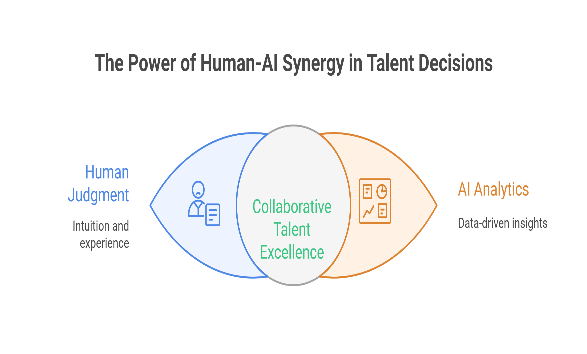
For instance, AI can analyze communication patterns, project collaborations, and organizational structures to diagnose the health of an organization and measure its performance. It can identify subtle anomalies and predict potential issues before they escalate, allowing for timely interventions. This is particularly valuable in dynamic environments where rapid adaptation is crucial.
Foundations of AI-Enabled Talent Diagnostics
AI diagnostics in talent management encompasses the application of machine learning algorithms, natural language processing, predictive analytics, and other artificial intelligence techniques to analyze talent-related data and generate actionable insights for organizational improvement. These technologies enable analysis of vast amounts of structured and unstructured data from multiple sources including HR information systems, performance management platforms, learning management systems, communication tools, and external data sources.
Machine learning algorithms excel at identifying complex patterns in talent data that may not be apparent through traditional analytical methods. These algorithms can analyze relationships between multiple variables simultaneously, identify non-linear relationships, and uncover subtle patterns that influence talent outcomes. Machine learning applications in talent diagnostics include predicting employee performance, identifying flight risk factors, recommending development opportunities, and optimizing talent allocation decisions.
Natural language processing enables analysis of unstructured text data from sources such as employee feedback, performance reviews, exit interviews, and communication logs. NLP techniques can extract sentiment, identify themes and topics, analyze communication patterns, and generate insights about employee engagement, organizational culture, and innovation capacity. This capability provides access to rich qualitative data that complements quantitative metrics.
Predictive analytics combines historical data with statistical modeling and machine learning techniques to forecast future talent-related outcomes and trends. Predictive models can anticipate turnover risks, identify high-potential employees, predict training effectiveness, and forecast future skill requirements. These predictive capabilities enable proactive talent management decisions that prevent problems and optimize outcomes.
Computer vision and behavioral analytics can analyze video interviews, assessment centers, and workplace behaviors to provide insights about candidate fit, employee engagement, and team dynamics. These technologies enable more objective assessment of soft skills and cultural fit while reducing bias in talent decisions. Behavioral analytics can also identify patterns associated with high performance and innovation success.
AI Diagnostic Applications in Innovation Management
Innovation capacity diagnosis through AI involves analyzing multiple organizational factors that contribute to innovation performance including talent capabilities, collaboration patterns, knowledge sharing behaviors, and resource allocation effectiveness. AI algorithms can identify the combination of factors that predict innovation success while highlighting organizational constraints that limit innovation capacity. This comprehensive analysis enables targeted interventions that enhance innovation performance.
Talent innovation profiling uses AI to analyze individual employee characteristics, behaviors, and performance patterns to identify those with high innovation potential. These profiles can consider multiple factors including problem-solving capabilities, creative thinking patterns, collaboration skills, risk tolerance, and learning agility. Innovation profiling enables organizations to identify and develop innovation talent while optimizing team composition for innovation projects.

Collaboration network analysis applies AI algorithms to communication data and project participation patterns to map how knowledge and ideas flow through organizations. This analysis reveals innovation hubs, identifies potential collaboration opportunities, and highlights organizational silos that may constrain innovation. Network analysis provides insights for optimizing organizational structure and processes to enhance innovation capacity.
Skills gap analysis utilizes AI to compare current organizational capabilities with future requirements based on industry trends, technological developments, and strategic objectives. AI
algorithms can analyze job market data, skill evolution patterns, and organizational strategic plans to identify emerging skill requirements and capability gaps. This forward-looking analysis enables proactive talent development and acquisition strategies.
Innovation project success prediction combines project characteristics, team composition, resource allocation, and organizational context data to predict the likelihood of innovation project success. These predictions enable better project selection, resource allocation, and team formation decisions while identifying factors that enhance innovation project outcomes.
AI in Talent Management Diagnostics
AI is revolutionizing how organizations diagnose and manage their talent. Key applications include:
Employee Turnover Prediction: AI analyzes work engagement data, performance reviews, and career progression patterns to predict employee departures, enabling HR teams to implement targeted retention strategies. This proactive approach can significantly reduce attrition rates.
Career Path Optimization & Talent Development: AI maps internal career paths and suggests personalized upskilling opportunities based on individual skills, interests, and organizational needs. Machine learning algorithms can recommend mentorship programs and leadership tracks for high-potential employees, fostering internal promotions and engagement.
Workforce Planning & Succession Management: AI evaluates industry trends, market conditions, and internal workforce data to predict future hiring needs and skill gaps. This helps companies balance external recruitment with internal talent mobility, optimizing workforce planning and strengthening organizational stability.
Skill Gap Analysis: AI models and transformers can automate the process of identifying skill gaps and mapping learner performance data, providing more precise and efficient insights into where development is needed. AI can even help lower skill barriers by making learning more accessible.
AI in Innovation and R&D Diagnostics
In the realm of innovation and R&D, AI diagnostics are transforming how new ideas are generated, evaluated, and managed:
Idea Generation and Evaluation: AI can quickly generate a greater volume and variety of design candidates, often producing ideas that human researchers might overlook due to cognitive biases.
It can also assist in evaluating and selecting the most promising new ideas based on data-driven insights, rather than subjective opinions.
R&D Portfolio Optimization: AI-driven systems leverage machine learning and predictive analytics to optimize the selection of research projects and drug candidates in biopharmaceutical R&D. They can forecast market trends, streamline asset prioritization, and integrate real-time data for dynamic portfolio adjustments, significantly enhancing decision-making and risk management.
Trend Prediction: AI can analyze vast amounts of social data from online sources to detect and predict emerging consumer trends, allowing companies like L’Oréal to stay ahead of competitors by anticipating beauty trends months in advance.

Ethical Considerations and Challenges
The effectiveness and ethical deployment of AI diagnostics are deeply intertwined with data quality, bias mitigation, and transparency. This requires significant investment in data governance and AI literacy. While AI’s benefits are clear, the challenges related to “Data privacy and security concerns” and the potential for “latent biases” in AI models trained on historical data are critical. This highlights that simply deploying AI tools is insufficient. Organizations must ensure that the data feeding these diagnostics is clean, comprehensive, and unbiased, and that the AI models themselves are regularly audited for fairness and transparency. This necessitates not only robust technical infrastructure but also a strong ethical framework and continuous training for employees on AI’s capabilities and limitations, ensuring the reliability and ethical soundness of AI-driven innovation and talent decisions. Issues such as data privacy, algorithmic bias, and the need for explainable AI are paramount. Organizations must establish comprehensive data handling policies, implement stringent access controls, and conduct regular audits to ensure compliance and build trust.
Real-Time Talent Analytics and Monitoring
Real-time talent analytics leverage AI to provide continuous monitoring and analysis of talent-related metrics and trends enabling organizations to identify emerging issues and opportunities as they develop. Real-time capabilities enable more responsive talent management decisions while preventing small issues from becoming significant problems. These systems can monitor employee engagement, performance trends, skill development progress, and organizational health indicators continuously.
Predictive workforce planning uses real-time data and AI algorithms to forecast future talent needs based on business projections, market conditions, and organizational changes. These forecasts consider multiple factors including growth plans, technology adoption, competitive dynamics, and economic conditions to predict future talent requirements across different roles and skill areas. Predictive planning enables proactive talent acquisition and development strategies.
Employee sentiment analysis applies natural language processing to analyze employee communications, feedback, and social media activity to assess organizational sentiment and identify emerging issues. Sentiment analysis can detect early indicators of employee dissatisfaction, identify popular initiatives, and monitor organizational culture dynamics. This real-time feedback enables responsive management interventions.
Performance anomaly detection uses machine learning algorithms to identify unusual patterns in employee performance data that may indicate emerging issues or opportunities. Anomaly detection can identify employees at risk of performance decline, detect potential fraud or misconduct, and highlight exceptional performance that deserves recognition. Early detection enables timely interventions that prevent problems and optimize outcomes.
Skills evolution tracking monitors how employee skills and capabilities change over time through analysis of training completions, project participation, performance assessments, and external learning activities. This tracking enables organizations to understand skill development patterns, identify successful development approaches, and predict future capability evolution.
Implementation Strategies for AI Talent Diagnostics
AI diagnostics implementation requires systematic approaches that address technology selection, data preparation, algorithm development, testing and validation, deployment, and ongoing management. Successful implementation considers organizational readiness, technical capabilities, resource requirements, and change management needs. Implementation should be phased to enable learning and adaptation while minimizing risks and disruption.
Data strategy development represents the foundation for successful AI diagnostics implementation. Organizations must identify relevant data sources, assess data quality, establish data
governance procedures, and implement data integration capabilities. Data strategy should consider both current data availability and future data requirements while addressing privacy, security, and compliance considerations.
Technology platform selection involves evaluating available AI platforms and tools based on organizational requirements, technical capabilities, and resource constraints. Platform selection should consider factors including scalability, integration capabilities, user interfaces, vendor support, and total cost of ownership. Organizations may choose to build custom solutions, implement vendor platforms, or pursue hybrid approaches.
Pilot project development enables organizations to test AI diagnostics capabilities on limited scope initiatives before broader deployment. Pilot projects should focus on high-value use cases with clear success metrics while providing learning opportunities for broader implementation. Effective pilots balance ambition with feasibility while generating evidence for broader AI investment decisions.
Change management and training ensure that organizational stakeholders understand AI diagnostics capabilities and limitations while developing skills needed for effective utilization. Change management should address both technical and cultural considerations while building confidence and competence in AI-supported decision making. Training programs should be tailored to different stakeholder needs and roles.
Integrating the 6-Step Business Process for AI Diagnostics
The application of AI diagnostics is central to the AI-TALENT FUSION program’s 6-step business process, enabling a more intelligent and predictive approach to talent management.
Process Mapping: This involves mapping the data sources, AI models, and analysis workflows that constitute the AI diagnostic process itself. It requires a clear visualization of the data flow, from collection and cleaning to model processing and insight generation, ensuring transparency and understanding of the system.
Process Analysis (Core): AI tools are utilized at this stage to analyze vast sets of organizational data. This analysis moves beyond historical reporting to identify hidden patterns, predict future trends (such as emerging skill gaps or potential market shifts), and diagnose the root causes of complex innovation challenges or talent issues. This transforms analysis from a reactive to a proactive function.
Process Re-design: New diagnostic processes are designed that strategically integrate AI to provide more efficient, accurate, and proactive insights. This represents a paradigm shift, redesigning talent management workflows to move from merely reacting to problems (like high turnover) to actively predicting and preventing them through data-driven interventions.
Process Resources: This step focuses on identifying the necessary resources for a successful AI diagnostic capability. This includes the AI platforms and software, the underlying data infrastructure, the specialized human talent (such as data scientists, AI ethicists, and machine learning engineers), and the computational power required to implement and scale these systems effectively.
Process Communications: Clear, non-technical communication strategies are developed to explain the findings and recommendations from AI diagnostics to various stakeholders, including employees, managers, and executives. This is crucial for building trust, ensuring transparency, and promoting data-driven decision-making across the organization.
Process Review: A rigorous and continuous review cycle is established for the AI diagnostic models themselves. This involves regularly assessing their accuracy, fairness, and ethical implications. This ensures that the models are continuously refined based on their performance and evolving organizational needs, maintaining the integrity, utility, and trustworthiness of the AI systems.
Insights from Leading Innovators
Banks like JPMorganChase and BBVA now analyze internal networks, communications, and project data, using machine learning to identify innovation hot spots and hidden influencers. Pharmaceutical firms such as Novartis and Johnson & Johnson leverage AI to predict which teams are most likely to generate breakthrough research based on collaboration signals and learning metrics. Tech leaders at IBM and Google recount how AI-powered sentiment analysis supports more targeted interventions to boost engagement, surface training needs, and even forecast attrition risks far earlier than traditional reviews. Across sectors, HR leaders stress that the greatest leaps come when AI insights are paired with leadership coaching and human judgment, not replaced by them.
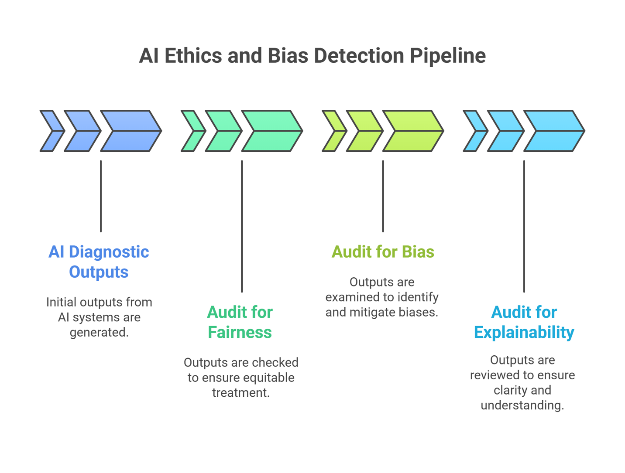
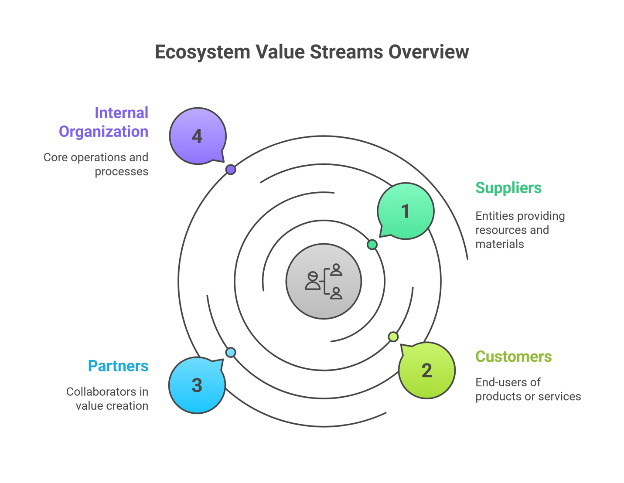
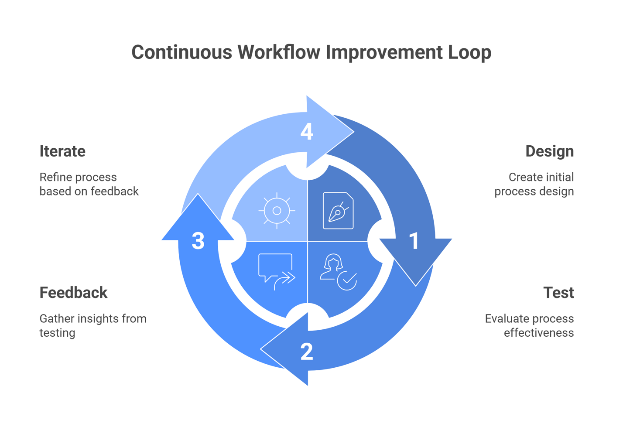
Barriers and Solutions
Organizations face significant hurdles in deploying AI diagnostics, foremost, data silos and low-quality, biased, or incomplete records that skew insights. There is often hesitation about privacy, transparency, and the implications of predictive “black box” judgments. Solutions begin with foundational data governance: cleansing, anonymization, and ongoing bias audits. Building cross-functional teams—HR, IT, legal, analytics—ensures both compliance and adoption. Organizations report strong results when AI analytics are rolled out in partnership with employees, with transparency about what is being analyzed, why, and how the results will be used for individual and strategic development.
Reflections and Future Directions
AI diagnostics are rapidly maturing, promising deeper, more predictive workforce analytics and new talent operating systems. As generative AI and machine learning advance, we should expect real-time, personalized development pathways and the automation of routine assessment workflows, with an ongoing need for ethical frameworks, human oversight, and cross-disciplinary skill in interpreting results.
Interactive Group Activity: ‘AI Impact Quick Scan”
In groups, participants quickly list 2-3 ways they believe AI could either improve or disrupt a specific function within their organization (e.g., HR, marketing, operations). They share their most interesting idea.The objective is to stimulate initial thinking about the practical implications of AI in their work context.
Case Study: Johnson & Johnson’s AI-Driven Skills Intelligence Platform
Johnson & Johnson represents a pioneering example of how large organizations can leverage AI diagnostics to transform talent management and drive innovation capacity. The company’s implementation of an AI-driven skills intelligence platform demonstrates how sophisticated diagnostic capabilities can be integrated with existing HR systems to create more effective approaches to talent development and deployment. This case study examines the development, implementation, and outcomes of Johnson & Johnson’s AI diagnostic initiative, providing insights into best practices for leveraging AI in talent management. The foundation of Johnson & Johnson’s approach lies in their recognition that traditional skills assessments were insufficient for identifying and developing the capabilities needed for digital transformation and innovation. The company needed more sophisticated approaches to understanding their workforce capabilities and predicting future skill needs. This led to the development of an AI-powered skills intelligence platform that could analyze employee data to identify existing skills, predict future needs, and recommend development pathways. The technical architecture of Johnson & Johnson’s AI diagnostic system integrates multiple data sources including employee profiles, performance data, learning records, and project participation. Advanced machine learning algorithms analyze these data sources to create comprehensive skills profiles for employees while also identifying patterns and trends that inform strategic workforce planning. The system uses natural language processing to analyze unstructured data such as project descriptions and feedback to identify skills that might not be captured in traditional assessments. The implementation of the AI diagnostic system required significant organizational change management to ensure employee acceptance and effective utilization. Johnson & Johnson invested in extensive training programs for HR professionals and managers to help them understand and effectively use AI diagnostic insights. The company also developed governance frameworks to ensure that AI diagnostics were used ethically and effectively while maintaining employee trust and confidence in the system.
The results of Johnson & Johnson’s AI diagnostic initiative have been substantial across multiple dimensions. The company has improved its ability to identify internal talent for new roles, reducing external recruitment costs and improving employee retention. The system has enhanced the effectiveness of learning and development programs by providing more targeted and personalized recommendations. Most importantly, the company has improved its innovation capacity by better identifying and developing employees with potential for creative and strategic contributions.
The lessons learned from Johnson & Johnson’s experience highlight both the potential and challenges of AI diagnostics in talent management. The company found that success depends on high-quality data, sophisticated algorithms, and effective change management. They also discovered that AI diagnostics are most effective when combined with human expertise and judgment rather than replacing traditional talent management practices entirely. The ongoing evolution of their system demonstrates the importance of continuous improvement and adaptation in AI diagnostic implementations.
Course Manual 6: Data Metrics
In the current data-driven business environment, the ability to define, collect, analyze, and effectively utilize data metrics is paramount for measuring and driving innovation performance. This capability moves beyond mere reporting; it provides a quantifiable understanding of the impact and effectiveness of innovation initiatives, allowing organizations to make informed decisions, justify investments, and foster a culture of continuous improvement.
The Importance of Measuring Innovation
Measuring innovation is inherently challenging due to its often intangible nature and the long lead times required to see a return on investment. However, without robust metrics, organizations risk wasting resources, pursuing ineffective ideas, and failing to demonstrate the value of their innovation efforts to stakeholders. Effective measurement provides clarity on what is working, what needs improvement, and where to focus future ideation. It allows organizations to track progress against strategic goals, identify bottlenecks in the innovation pipeline, and understand the ROI of their innovation portfolio.
Innovation-Focused Talent Metrics
Innovation capacity metrics assess organizational ability to generate, develop, and implement innovative ideas through talent-related factors. These metrics examine both individual innovation capabilities and organizational systems that support innovation including collaboration patterns, knowledge sharing behaviors, risk-taking propensity, and creative problem-solving skills. Innovation capacity metrics enable organizations to understand and optimize their talent-related innovation drivers.
Collaboration effectiveness metrics analyze how well employees work together across organizational boundaries to generate innovative solutions and drive organizational learning. These metrics might include cross-functional project participation rates, knowledge sharing frequency, internal networking activity, and collaborative problem-solving success rates. Collaboration metrics help identify opportunities for enhancing innovation through improved teamwork and knowledge exchange.
Learning agility metrics assess individual and organizational capacity to acquire new knowledge, adapt to changing conditions, and apply learning to novel situations. Learning agility represents a critical capability for innovation success, enabling individuals and organizations to respond effectively to emerging opportunities and challenges. Metrics might include learning program completion rates, skill acquisition speed, adaptability assessments, and knowledge application effectiveness.

Creative thinking metrics evaluate individual and team capacity for generating novel ideas, identifying innovative solutions, and challenging conventional approaches. These metrics may include idea generation rates, creative problem-solving assessments, innovation challenge participation, and breakthrough innovation contributions. Creative thinking metrics help identify and develop innovation talent while optimizing conditions that support creative work.
Risk tolerance metrics assess individual and organizational willingness to pursue uncertain but potentially valuable opportunities. Innovation requires calculated risk-taking, making risk tolerance assessment crucial for building innovation capacity. Metrics might include experimental project participation, failure recovery effectiveness, calculated risk-taking behaviors, and tolerance for ambiguous situations.
Advanced Analytics and Predictive Modeling
Predictive talent analytics utilize statistical modeling and machine learning techniques to forecast future talent outcomes based on historical data and current trends. These advanced analytical approaches enable organizations to anticipate challenges and opportunities before they become critical, supporting more proactive and strategic talent management decisions. Predictive analytics applications in talent management include turnover prediction, performance forecasting, succession planning, and skill demand projection.
Machine learning algorithms excel at identifying complex patterns in talent data that may not be apparent through traditional analytical methods. These algorithms can analyze relationships between multiple variables simultaneously, identify non-linear relationships, and uncover subtle patterns that influence talent outcomes. Machine learning applications include candidate selection optimization, personalized development recommendations, team formation optimization, and performance prediction modeling.
Clustering analysis groups employees, teams, or organizational units based on similar characteristics, behaviors, or performance patterns. This analytical technique enables organizations to identify distinct talent segments that may require different management approaches while revealing hidden patterns in organizational talent dynamics. Clustering can support personalized talent strategies, targeted development programs, and optimized resource allocation.
Regression analysis examines relationships between different variables to understand what factors influence talent outcomes and by how much. This analytical approach enables organizations to identify the most important drivers of talent success while quantifying the impact of different interventions. Regression analysis supports evidence-based decision making about talent management priorities and resource allocation.
Natural language processing enables analysis of unstructured text data from sources such as employee feedback, performance reviews, and communication logs. NLP techniques can extract sentiment, identify themes and topics, analyze communication patterns, and generate insights about employee engagement, organizational culture, and innovation capacity. This capability provides access to rich qualitative insights that complement quantitative metrics.
Real-Time Metrics and Dashboard Development
Real-time talent metrics provide continuous monitoring and immediate visibility into organizational talent dynamics, enabling rapid response to emerging issues and opportunities. Real-time capabilities are particularly valuable for managing dynamic conditions such as organizational change, market volatility, or project-based work environments where talent needs and performance requirements may shift rapidly.
Dashboard design principles ensure that talent metrics are presented in ways that support effective decision making by different organizational stakeholders. Effective d dashboards balance comprehensiveness with clarity, providing relevant information without overwhelming users with excessive detail. Dashboard design should consider user needs, decision-making processes, and organizational context while ensuring accessibility and usability across different devices and technical capabilities.
Key performance indicator visualization enables stakeholders to quickly understand talent performance trends and identify areas requiring attention. Effective visualization techniques include trend charts, performance scorecards, heat maps, and comparative analyses that highlight important patterns and relationships. Visualization should support both high-level overview and detailed analysis capabilities based on user needs.
Alert and notification systems ensure that critical talent issues receive timely attention from appropriate stakeholders. These systems should balance sensitivity with specificity, identifying truly important issues without generating false alarms that reduce system credibility. Alert criteria should be carefully calibrated based on organizational context and stakeholder capacity to respond effectively.
Mobile accessibility enables stakeholders to access talent metrics and respond to issues regardless of location or time constraints. Mobile capabilities are particularly important for managing distributed teams, supporting field operations, and enabling rapid response to time-sensitive talent issues. Mobile interfaces should be optimized for different device types while maintaining essential functionality and security requirements.
Data Quality and Governance
Data quality represents a fundamental requirement for effective talent metrics, as poor quality data leads to inaccurate insights and potentially harmful decision making. Data quality encompasses multiple dimensions including accuracy, completeness, consistency, timeliness, and relevance. Organizations must implement comprehensive data quality management processes that ensure talent metrics are based on reliable, current, and relevant information.
Data governance frameworks establish policies, procedures, and accountability structures for managing talent data throughout its lifecycle. Effective governance addresses data collection, storage, processing, analysis, sharing, and retention while ensuring compliance with legal and regulatory requirements. Data governance should balance accessibility with security while maintaining appropriate controls over sensitive talent information.
Privacy and security considerations are paramount in talent metrics given the sensitive nature of employee data and the potential for misuse. Organizations must implement comprehensive privacy protection measures that comply with applicable regulations while enabling legitimate business uses of talent data. Privacy protection requires attention to data minimization, consent management, access controls, and breach response procedures.
Data integration challenges arise when talent metrics require information from multiple systems, databases, and sources that may use different formats, definitions, and update schedules. Effective integration requires careful attention to data mapping, transformation, and synchronization while maintaining data integrity and consistency. Integration challenges are particularly complex in large organizations with multiple HR systems and decentralized data management.
Audit and compliance requirements ensure that talent metrics systems maintain appropriate controls and documentation to support regulatory compliance and organizational accountability. Audit trails should document data sources, processing procedures, access patterns, and changes over time. Compliance requirements may vary based on industry, geography, and organizational characteristics.
Types of Innovation Metrics
Innovation metrics can be broadly categorized to provide a comprehensive view of performance:
Input Metrics: These quantify the resources and efforts invested in innovation. Examples include the number of employees active in innovation activities, total investment into innovation projects, hours of employee time allocated to innovation exercises, or the diversity within innovation teams.
Output Metrics: These measure the tangible results of innovation investments. Examples include the number of new products or services launched, revenue generated from new offerings, market share gained, or the number of patents filed.
Process Metrics: These track the efficiency and effectiveness of the innovation process itself, such as the time taken for an idea to move from concept to launch (lead time), or the number of ideas evaluated versus those that remain unreviewed.
Outcome/Impact Metrics: These measure the broader business impact of innovation, such as increased customer satisfaction, improved talent retention, or enhanced organizational adaptability.
Effective innovation metrics move beyond simple counts (e.g., number of ideas) to measure actual impact, ROI, and strategic alignment, requiring a shift in organizational mindset. The caution against “vanity metrics” is real and it is always crucial to define each innovation project in advance. The challenge is not just what to measure, but how to define success for often intangible innovation efforts. This implies that organizations must establish clear, SMART (Specific, Measurable, Achievable, Relevant, Time-bound) innovation goals and then select metrics that directly track progress towards those strategic goals, fostering a culture of accountability for results, not just activity.
Data-Driven Decision-Making and AI’s Role
The shift from intuition-based decision-making to data-driven strategies is transforming how organizations approach innovation. Companies like Amazon and Google have built their business models around continuous testing and learning, where hypotheses are constantly validated through empirical evidence.This approach allows for informed adjustments and optimization.
Artificial Intelligence (AI) and big data analytics are transforming innovation measurement from reactive reporting to predictive intelligence, enabling organizations to anticipate future trends and optimize resource allocation proactively. Examples from operational contexts, such as Walmart’s data-driven inventory management and Domino’s predictive analytics for demand forecasting , illustrate this principle. AI can analyze vast datasets of market trends, R&D investments, and project progress to predict the likelihood of success for new initiatives, identify emerging opportunities, and optimize resource deployment before problems arise. This moves innovation measurement from a historical record to a forward-looking strategic tool.

AI-powered analytics platforms and cloud technologies are democratizing access to HR and innovation data, empowering non-technical HR and L&D professionals to generate reports, analyze trends, and extract insights without relying solely on IT support. This shift fosters a data-driven decision-making culture across the organization, enabling HR teams to become more agile and proactive in responding to workforce dynamics and aligning people strategies with broader business goals. AI can process millions of data points daily, identify patterns, and suggest optimal actions, making decision-making smarter and sharper.
Integrating the 6-Step Business Process for Data Metrics
The effective utilization of data metrics is deeply integrated with the AI-TALENT FUSION program’s 6-step business process, forming the analytical backbone of the diagnostic phase.
Process Mapping: This initial step involves mapping the data collection points, measurement processes, and reporting workflows for all key innovation metrics. This provides essential clarity on where data originates, how it is processed and aggregated, and how it is ultimately presented to decision-makers, ensuring data integrity from start to finish.
Process Analysis (Core): The collected data metrics are systematically analyzed to evaluate the effectiveness of innovation initiatives. This involves identifying trends, pinpointing areas of underperformance, understanding the return on investment (ROI) of various innovation projects, and diagnosing the root causes of any observed issues. This analysis moves beyond surface-level numbers to uncover underlying causal factors.
Process Re-design: Based on the analysis, robust measurement frameworks, interactive dashboards, and streamlined reporting systems are designed. The goal of this re-design is to provide actionable insights for continuous improvement in innovation, ensuring that metrics are not just collected for reporting’s sake but are actively used to inform and refine strategic adjustments.
Process Resources: This involves identifying the necessary resources to implement and manage innovation metrics effectively. This includes access to the right data sources, the implementation of powerful analytics tools (including AI-powered platforms), and the cultivation of human expertise, such as data analysts and business intelligence specialists.
Process Communications: Clear, concise, and compelling communication strategies are developed for presenting innovation performance metrics to various stakeholders. This ensures transparency, promotes accountability, and fosters a data-driven decision-making culture at all levels of the organization, from project teams to the C-suite.
Process Review (Core): A continuous review cycle is established for all key innovation KPIs. Progress is regularly tracked against targets, deviations are promptly identified, and innovation strategies are adapted based on data-driven insights. This ensures sustained performance, strategic alignment, and organizational agility.
Insights from Leading Innovators
At Microsoft and Meta, innovation dashboards now serve as living nerve centers, tracking everything from idea velocity to collaboration density and customer impact. Leaders at SAP and GE describe how layered, transparent metrics—each tailored for executives, frontline teams, and functional leads—anchor learning and resource allocation. Retailers such as Target and fast-growing fintechs stress that qualitative metrics (employee sentiment, customer narratives) are cross-referenced with more traditional ROI or time-to-market analytics to get a true picture of innovation health.
Barriers and Solutions
Inertia and vanity measures are persistent blockers. Too often, organizations drown in a proliferation of KPIs that reflect activity, not value ( such as number of innovation workshops run) , but not the efficacy or adoption of ideas. Data silos remain endemic, as teams hang on to proprietary or complex data sets. Clear alignment depicted by asking ‘what are the two or three measures that matter most for this stage of your innovation journey ‘ is critical. Solutions include instituting regular metric reviews (dashboard retros), automating data collection for transparency, and pairing lagging indicators (revenue from new products) with leading ones (speed of idea generation, prototyping frequency).
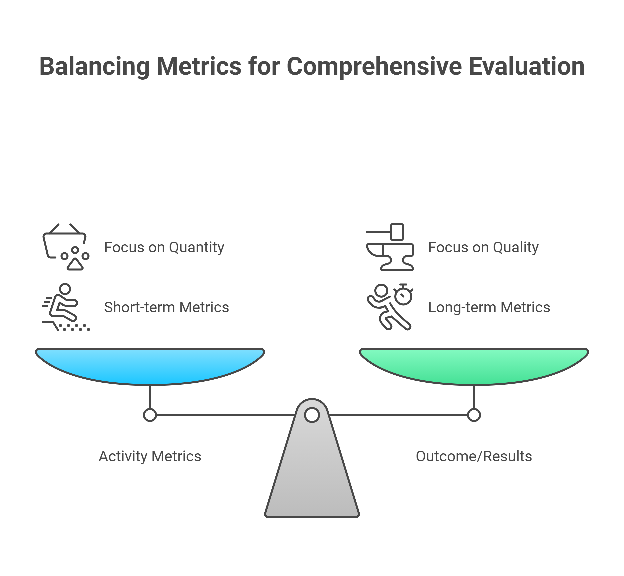
Reflections and Future Directions
The next frontier for innovation analytics lies in AI-powered, adaptive dashboards that sense and flag early signals of success, risk, or bottlenecks, often before humans notice patterns. As organizations double down on evidence-based decision-making, the ability to “see the system” with clarity—combining people, process, and business metrics—will separate incremental from breakthrough performers.
Interactive Group Activity: “Innovation KPI Brainstorm & Refinement”
In groups, participants will identify a specific innovation initiative relevant to their organization (e.g., “launching a new AI-powered internal tool,” “improving cross-functional collaboration for innovation,” or “developing a new sustainable product line”). They will then brainstorm 3-5 potential input KPIs (e.g., R&D spend, employee participation in ideation, training hours) and 3-5 potential output KPIs (e.g., adoption rate, cost savings, new revenue generated) for this initiative. Finally, they will refine these KPIs using the SMART criteria (Specific, Measurable, Achievable, Relevant, Time-bound) and discuss how AI tools could help track or analyze these metrics effectively.
Case Study: Walmart: Data-Driven Inventory Management and Supply Chain Optimization
Walmart, one of the world’s largest retailers, provides a compelling illustration of how extensive data analytics and robust data metrics can drive significant operational innovation and efficiency across a global enterprise. Walmart fundamentally transformed its inventory management and supply chain operations by moving from traditional methods to a highly data-driven approach. The company leveraged vast amounts of data, analyzing purchasing patterns, seasonal trends, and even external factors like weather forecasts, to optimize its stock levels across its more than 11,000 stores worldwide. This predictive capability allowed Walmart to ensure products were available when and where customers needed them, while minimizing excess inventory and associated costs. Walmart’s implementation of a “Control Tower” system provides real-time visibility across its entire supply network, integrating data from manufacturing facilities, distribution centers, transportation providers, retail partners, and consumer demand signals. This comprehensive data integration, coupled with advanced analytics, enabled the company to make agile, informed decisions, leading to substantial improvements in efficiency and customer satisfaction. This case demonstrates how a strategic focus on collecting and analyzing data metrics can transform core business processes, leading to significant competitive advantages and continuous innovation in operations.
Course Manual 7: Gap Analysis
Gap analysis is a powerful strategic diagnostic tool that enables organizations to systematically identify and quantify the discrepancies between their current state and a desired future state. This process is particularly critical in the dynamic fields of innovation and talent management, where rapidly evolving technologies and market demands necessitate a clear understanding of what capabilities are missing or underdeveloped.
Fundamentals of Organizational Gap Analysis
Gap analysis provides a structured methodology for comparing current organizational performance with desired future performance across multiple dimensions including capabilities, processes,
resources, and outcomes. Within talent management contexts, gap analysis enables organizations to understand how their current human capital capabilities, organizational culture, and talent management processes position them relative to their innovation objectives and competitive requirements.
The foundation of effective gap analysis lies in establishing clear, measurable definitions of both current state and desired future state conditions. Current state assessment involves comprehensive evaluation of existing organizational capabilities including talent competencies, process effectiveness, resource availability, and performance outcomes. This assessment must be based on objective data and evidence rather than assumptions or perceptions to ensure accuracy and credibility of subsequent analysis.
Desired future state definition requires clear articulation of organizational aspirations and requirements based on strategic objectives, competitive analysis, and stakeholder expectations. Future state definition should be ambitious yet achievable, providing clear direction for improvement efforts while maintaining realistic expectations about implementation timelines and resource requirements. The gap between current and future states represents the improvement opportunity that drives strategic planning and resource allocation decisions.
Gap analysis methodology involves systematic comparison of current and future state conditions across multiple dimensions to identify specific areas where improvements are needed. This comparison should consider both quantitative metrics and qualitative factors that influence organizational performance. The analysis should prioritize gaps based on their impact on strategic objectives, implementation difficulty, and resource requirements to guide effective decision-making about improvement initiatives.
Effective gap analysis requires engagement with diverse stakeholders who possess different perspectives on organizational capabilities and improvement needs. Stakeholder engagement ensures comprehensive understanding of organizational conditions while building commitment for improvement initiatives. The collaborative nature of gap analysis helps identify hidden capabilities and constraints that may not be apparent through traditional assessment approaches.
The Strategic Imperative of Gap Analysis
At its core, gap analysis helps an organization understand “where we are” versus “where we want to be”.This understanding is vital for strategic planning, resource allocation, and targeted development initiatives. For innovation, it helps identify areas where current processes, technologies, or cultural attributes hinder the pursuit of new opportunities. For talent, it pinpoints skill shortages or capability deficiencies that could impede future growth and innovation.
The process of conducting a gap analysis typically involves several systematic steps:
Define the Objective: Clearly articulate the purpose of the analysis and the specific area to be evaluated (e.g., “to identify skill gaps for AI integration,” or “to assess our innovation capability maturity”).
Assess Current Performance: Investigate the organization’s current performance, collecting both quantitative data (e.g., financial records, employee performance data) and qualitative information (e.g., customer feedback, internal surveys).
Establish Desired Future State: Define specific, measurable goals for the future state. This involves envisioning ideal capabilities, market positioning, or talent profiles. Benchmarking against competitors or industry best practices can inform this step.
Identify and Quantify Gaps: Compare the current state with the desired future state to identify the differences. This involves understanding not just what the gaps are, but why they exist and their magnitude.
Develop Solutions: Create an action plan with specific, measurable interventions to bridge the identified gaps. These solutions might involve training programs, technology investments, process changes, or recruitment strategies.
Monitor and Iterate: Continuously track the effectiveness of the implemented solutions and make adjustments as needed. Gap analysis is an iterative, not linear, process.
Gap analysis for innovation must consider both internal capabilities (e.g., skills, processes) and external factors [e.g., market trends, competitor innovation], highlighting the interconnectedness of internal development and external positioning. The process involves identifying gaps in areas like (products are sold, which demographics you’re serving… what locations are being reached) (external) and [employee benefits] (internal) , along with “benchmarking” against external criteria. Thus, a holistic gap analysis for innovation cannot be purely internal. This implies that organizations must integrate market intelligence, competitive analysis, and talent landscape assessments into their gap analysis to ensure their innovation efforts are strategically aligned with external realities and future demands
Types of Gap Analysis in Talent Management
Skills gap analysis focuses specifically on identifying discrepancies between current employee competencies and the skills required to achieve organizational innovation objectives. This analysis examines both technical skills required for specific roles and broader innovation capabilities such as creative thinking, problem-solving, collaboration, and change leadership. Skills gap analysis provides foundation for targeted learning and development initiatives while informing talent acquisition and retention strategies.
Performance gap analysis examines differences between actual organizational performance and desired performance levels across key talent management metrics including productivity, engagement, retention, and innovation outcomes. This analysis identifies areas where talent management processes are not delivering expected results while revealing underlying factors that may be constraining performance. Performance gap analysis enables evidence-based improvement planning that addresses root causes of performance limitations.
Capability gap analysis takes a broader perspective by examining organizational capabilities required to support innovation including leadership development, knowledge management, collaboration systems, and change management capabilities. This analysis considers both current capability levels and future capability requirements based on strategic objectives and environmental changes. Capability gap analysis provides strategic framework for comprehensive organizational development initiatives.
Process gap analysis focuses on identifying inefficiencies and improvement opportunities within talent management processes including recruitment, onboarding, performance management, development, and succession planning. This analysis examines process effectiveness, efficiency, and stakeholder satisfaction to identify areas where process improvements could enhance overall talent management outcomes. Process gap analysis provides specific guidance for operational improvement initiatives.
Cultural gap analysis examines differences between current organizational culture and the cultural characteristics required to support innovation including risk tolerance, collaboration patterns, learning orientation, and change readiness. Cultural assessment is particularly challenging because culture involves intangible factors that may be difficult to measure objectively. Cultural gap analysis requires sophisticated assessment techniques and long-term improvement strategies that address deeply embedded organizational patterns
Application to Skill Gaps and Innovation Capability
A significant application of gap analysis is in identifying skill gaps, which are mismatches between the skills employees possess and those required for current or future roles. These gaps are not merely individual issues; they represent a systemic challenge that can directly impede innovation, prolong project timelines, and increase recruitment and training costs. In today’s rapidly evolving technological landscape, skill gaps, particularly in technical skills, problem-solving, and teamwork, are widespread and can hinder the implementation of new work practices. This highlights that skill gaps are a systemic challenge that can directly impede innovation and organizational agility, especially in a rapidly evolving technological landscape. Skill gaps are not just an HR problem but a fundamental barrier to innovation capacity. This implies that innovation diagnosis must integrate a robust skill gap analysis, identifying both technical and soft skills (e.g., critical thinking, adaptability) crucial for an innovative workforce.
Similarly, gap analysis can be applied to assess an organization’s innovation capability—its ability to continuously create and apply new products, services, or processes to drive growth. This involves evaluating factors like R&D investments, skilled personnel, collaboration networks, and organizational culture. Identifying gaps in these areas is crucial for developing strategies to adapt to market changes, meet customer demands, and secure a competitive advantage.
Advanced Gap Analysis Methodologies
Quantitative gap analysis utilizes numerical data and statistical analysis techniques to measure gaps and prioritize improvement opportunities objectively. This approach involves establishing baseline metrics for current performance, defining target performance levels, and calculating the magnitude of gaps across different organizational dimensions. Quantitative analysis enables precise measurement of improvement progress while supporting evidence-based decision-making about resource allocation and improvement priorities.
Root cause gap analysis examines the underlying factors that create and maintain performance gaps rather than focusing solely on gap symptoms. This methodology involves systematic investigation of causal relationships between organizational factors and performance outcomes. Root cause analysis helps ensure that improvement initiatives address fundamental issues rather than superficial problems, leading to more sustainable and effective organizational improvements.
Benchmarking gap analysis compares organizational performance with external benchmarks including industry standards, best practice organizations, and competitive performance levels. This approach provides objective reference points for assessing organizational performance while identifying improvement opportunities based on proven practices. Benchmarking analysis helps organizations understand their relative competitive position while learning from successful approaches implemented by other organizations.
Trend gap analysis examines how gaps are changing over time and projects future gap evolution based on current trends and planned improvements. This forward-looking approach enables proactive identification of emerging gaps while assessing the effectiveness of current improvement initiatives. Trend analysis supports strategic planning by identifying areas where gaps may increase or decrease based on environmental changes and organizational actions.
Multi-stakeholder gap analysis incorporates perspectives from different organizational stakeholder groups including employees, managers, customers, and partners to provide comprehensive understanding of organizational gaps. Different stakeholders may perceive gaps differently based on their roles and experiences, providing valuable insights that might not be apparent through single-perspective analysis. Multi-stakeholder analysis builds broader organizational understanding and commitment for improvement initiatives.
Technology-Enhanced Gap Analysis
Digital assessment platforms provide sophisticated tools for collecting, analyzing, and reporting gap analysis data across large, complex organizations. These platforms enable real-time data collection, automated analysis, and interactive reporting that supports more efficient and comprehensive gap analysis processes. Digital platforms can integrate with existing organizational systems to leverage available data while providing standardized assessment frameworks that ensure consistency across different organizational units.
Artificial intelligence and machine learning technologies enhance gap analysis through automated pattern recognition, predictive modeling, and insight generation capabilities. AI algorithms can analyze large volumes of organizational data to identify gaps that may not be apparent through manual analysis while predicting future gap evolution based on current trends. Machine learning capabilities enable continuous improvement of gap analysis accuracy and relevance through iterative learning from organizational data and outcomes.
Predictive gap analysis uses advanced analytics to forecast future gaps based on current trends, planned changes, and environmental projections. This forward-looking approach enables proactive identification of emerging gaps while supporting strategic planning for capability development initiatives. Predictive analysis helps organizations anticipate future needs and prepare improvement strategies before gaps become critical constraints on performance.
Real-time gap monitoring involves continuous tracking of key performance indicators and gap metrics to identify emerging issues and monitor improvement progress. Real-time capabilities enable more responsive management of gap reduction initiatives while providing early warning of potential problems. Continuous monitoring supports adaptive improvement strategies that can adjust to changing conditions and emerging opportunities.
Visualization and dashboard technologies provide interactive displays of gap analysis results that support effective communication and decision-making by organizational stakeholders. Advanced
visualization techniques enable complex gap analysis data to be presented in accessible formats that facilitate understanding and action planning. Dashboard technologies enable stakeholders to explore gap analysis results from different perspectives while tracking improvement progress over time.
Implementation Strategies for Gap Analysis
Gap analysis planning involves establishing clear objectives, scope, and methodology for gap analysis initiatives while securing necessary resources and stakeholder commitment. Effective planning considers organizational readiness, available data sources, analytical capabilities, and improvement capacity to ensure that gap analysis efforts generate actionable results. Planning should also address timing considerations and integration with other organizational initiatives to maximize value and minimize disruption.
Stakeholder engagement strategies ensure that gap analysis incorporates diverse perspectives while building organizational commitment for subsequent improvement initiatives. Engagement approaches should be tailored to different stakeholder groups based on their roles, interests, and availability. Effective engagement balances comprehensive input collection with efficient process management to avoid overwhelming stakeholders while ensuring meaningful participation.
Data collection and validation processes ensure that gap analysis is based on accurate, current, and relevant information about organizational conditions and performance. Data collection should utilize multiple sources including quantitative metrics, qualitative assessments, and stakeholder input to provide comprehensive understanding of organizational gaps. Validation processes help ensure data accuracy while identifying potential biases or limitations that may affect analysis results.
Analysis and interpretation activities transform raw data into actionable insights about organizational gaps and improvement opportunities. Analysis should consider both quantitative evidence and qualitative factors that influence gap significance and improvement feasibility. Interpretation should focus on identifying root causes, prioritizing improvement opportunities, and developing specific recommendations for addressing identified gaps.
Action planning and implementation involve translating gap analysis results into specific improvement initiatives with clear objectives, timelines, and resource requirements. Action planning should prioritize improvement opportunities based on strategic importance, implementation feasibility, and available resources. Implementation planning should address change management requirements, stakeholder communication, and progress monitoring to ensure successful gap reduction outcomes.
AI’s Role in Enhancing Gap Analysis
Artificial Intelligence is significantly enhancing the precision and efficiency of skill gap analysis, transforming it into a proactive tool for talent development and innovation planning. AI models and transformers can automate the process of identifying skill gaps and mapping learner performance data, providing more accurate and efficient insights than traditional manual methods. AI’s ability to lower skill barriers, helping more people acquire proficiency in more fields further underscores its role in bridging these gaps. This capability is a significant advancement. Traditional skill gap analysis can be labor-intensive and prone to human bias. AI can process vast amounts of employee data (e.g., performance reviews, training records, project assignments) and external market data to/ identify precise skill discrepancies and predict future needs. This enables more targeted and effective talent development interventions, directly supporting the organization’s innovation capacity.
AI can analyze vast datasets from internal HR systems, external job markets, and industry trends to identify skill discrepancies with greater accuracy and speed. Predictive analytics can forecast future skill requirements, allowing organizations to proactively address shortages before they become critical roadblocks to innovation. AI can also recommend personalized learning pathways to close individual skill gaps, thereby enhancing overall organizational capability.
Integrating the 6-Step Business Process for Gap Analysis
The application of Gap Analysis is a core component of the AI-TALENT FUSION program’s 6-step business process, providing a clear diagnostic-to-action pathway.
Process Mapping: This step involves mapping the “as-is” state of current innovation capabilities and defining the desired “to-be” state. This visual delineation of the starting point and the end goal makes the gaps between them tangible and clear, providing a visual roadmap for the analysis.
Process Analysis (Core): The identified gaps—whether they are in skills, knowledge, experience, or behaviors—are systematically analyzed. This deep dive aims to understand their root causes, their strategic implications for the organization’s innovation agenda, and their relative urgency. This analysis ensures that the subsequent solutions are targeted at the core problem, not just the symptoms.
Process Re-design: Targeted strategies, programs, and process changes are designed to effectively bridge the identified innovation and talent gaps. This involves crafting specific interventions tailored to the nature of the gap, such as designing a new leadership development program to close an experience gap or launching a targeted reskilling initiative to address a technical skill gap.
Process Resources: This involves identifying and allocating the necessary resources to implement the gap-closing solutions. This includes securing the budget for training programs, approving new hires with specific skills, investing in new technologies, or deploying AI tools for more sophisticated and ongoing skills analysis.
Process Communications: The results of the gap analysis, the identified critical gaps, and the proposed solutions are clearly and transparently communicated to all relevant stakeholders. This is crucial for gaining buy-in, aligning efforts across the organization, and ensuring that everyone understands the strategic importance of addressing these capability disparities.
Process Review: A continuous monitoring and evaluation framework is established to track progress in closing the identified gaps. This allows for measuring the impact and ROI of the interventions, making real-time adjustments, and iterating on the strategies as needed. This ensures the gap analysis process leads to sustainable and effective capability building.
Insights from Leading Innovators
Companies like Siemens, 3M, and Schneider Electric recount how regular capability gap analyses—mapping current strengths against anticipated market and technology needs—underpin resilient workforce strategies and new business model pivots. Human capital specialists at PwC and Korn Ferry now use organization-wide gap analyses not just for skills but for culture. They ask questions to delineate what beliefs, practices, and social connections will be essential in five years, and find out how does today’s landscape measure up? Tech unicorns emphasize that gap analysis is especially powerful during hypergrowth, when current practices risk falling far behind the pace of opportunity.
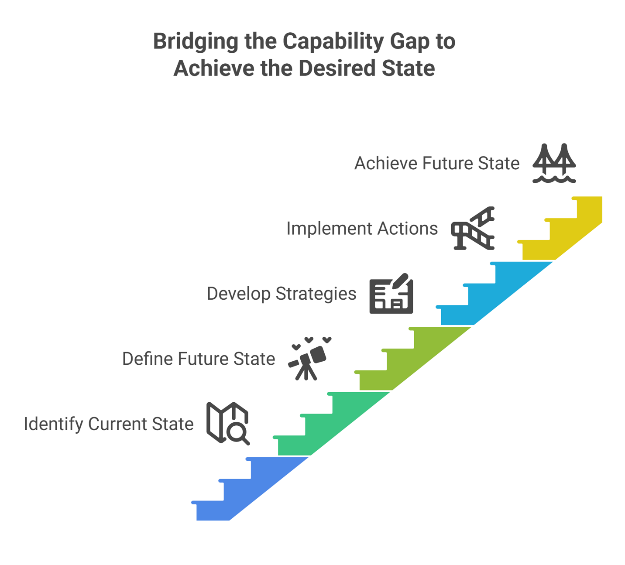
Barriers and Solutions
Gap analysis efforts can be stymied when leaders mistake the “present state” for the “stepping stone”—ignoring how quickly markets, skills, and customer expectations evolve. Organizational silos and unexamined assumptions cloud analysis. Best-in-class organizations bring in diverse analysts and external benchmarks, crosswalk future plans against emerging trends, and commit to closing not just technical gaps but behavioral and leadership ones as well. Living skill inventories and clear, fast feedback loops between analysis and action (for example, training, recruitment, or new incentive models) transform gap identification from diagnosis to sustained evolution.
Reflections and Future Directions
With accelerating technological change and workforce disruption, “gap analysis as usual” will soon be inadequate. AI-powered skills mapping is enabling finer-grained, dynamically updated inventories. The future will elevate scenario analysis and risk modeling asking questions such as “what if a new competitor emerges, or a core competency becomes automated “? Organizations that make capability gap sensing a core habit will be best positioned to thrive amidst intersecting uncertainties.
Interactive Group Activity: “Skill Gap Identification for Future Innovation”
Participants, in small groups, will select an emerging technology or market trend highly relevant to their industry (e.g., “Quantum Computing’s impact on finance,” “Personalized Healthcare’s data demands,” or “Advanced Robotics in manufacturing”). They will then brainstorm what new skills (both technical and soft skills like adaptability, ethical reasoning) their organization would need to innovate effectively and competitively in this emerging area. Following this, they will conduct a quick “gap analysis” by estimating their current organizational proficiency in these identified skills and pinpointing the largest gaps. Groups will share their most critical skill gap and a preliminary idea for addressing it.
Case Study: AT&T’s “Future Ready” Initiative
In the face of massive disruption in the telecommunications industry, AT&T launched an ambitious initiative called “Future Ready” to reskill its workforce for the jobs of the future. The company recognized that its traditional business was in decline and that to compete in the new world of software-defined networking and 5G, it needed to transform its talent base. The first step in the Future Ready initiative was a massive gap analysis. AT&T analyzed its entire workforce to identify the skills that would be needed in the future and the skills that were at risk of becoming obsolete. The company found that a significant portion of its workforce lacked the skills needed to compete in the new environment.
Based on this analysis, AT&T developed a multi-pronged strategy to close its skills gaps. The strategy included a mix of “build, buy, and borrow” approaches:
Build: AT&T invested over $1 billion in a massive reskilling program, offering its employees a wide range of online courses, certifications, and even “nanodegrees” in high-demand areas like data science, cybersecurity, and cloud computing.
Buy: The company also continued to hire external talent with critical skills, particularly in emerging technology areas.
Borrow: AT&T partnered with a number of universities and online learning providers to develop and deliver its training programs.
The Future Ready initiative has been a massive undertaking, but it has been critical to AT&T’s successful transformation. The company has been able to reskill a large portion of its workforce, reduce its reliance on external hiring, and create a more agile and adaptable talent base. The AT&T case study demonstrates the power of a systematic and data-driven approach to gap analysis. It also highlights the importance of a long-term commitment to talent development. In a world of constant change, the most successful companies will be those that are able to continuously reskill and upskill their workforces to meet the challenges of the future.
Course Manual 8: Workflow Redesign
Introduction
Workflow redesign is a strategic imperative for organizations seeking to enhance both operational efficiency and their capacity for innovation. It involves a systematic examination and optimization of existing processes to remove inefficiencies, reduce costs, and foster a more agile and effective operational environment. The core objective is to identify pain points, redundancies, and bottlenecks that hinder productivity and innovation, and then to design streamlined “to-be” workflows that address these issues.
Workflow redesign represents a transformative approach to reimagining how talent management processes operate to better support innovation objectives and organizational effectiveness. This systematic methodology involves analyzing current workflows, identifying improvement opportunities, and implementing redesigned processes that eliminate inefficiencies while enhancing value creation and stakeholder satisfaction. This course manual provides comprehensive guidance on workflow redesign specifically within pharmaceutical, healthcare, technology, manufacturing, and biotechnology organizations seeking to optimize their talent management processes for enhanced innovation capacity.
The strategic importance of workflow redesign in talent management extends beyond simple process improvement to encompass fundamental transformation of how organizations manage their human capital to drive innovation outcomes. Modern workflow redesign incorporates advanced analytical techniques, stakeholder engagement approaches, and technology integration strategies that enable more responsive, efficient, and effective talent management processes. These contemporary approaches create opportunities for developing talent management workflows that actively support and accelerate organizational innovation initiatives.
Effective workflow redesign implementation requires systematic attention to process analysis, stakeholder needs, technology capabilities, and change management considerations while maintaining focus on sustainable improvements that enhance both operational efficiency and strategic capability. The integration of workflow redesign with talent management innovation creates opportunities for developing more agile, data-driven approaches to human capital management that systematically build organizational innovation capacity and competitive advantage.
Fundamentals of Talent Management Workflow Redesign
Workflow redesign involves systematic analysis and reconstruction of organizational processes to improve efficiency, effectiveness, and stakeholder satisfaction while better supporting strategic objectives. Within talent management contexts, workflow redesign addresses the complete spectrum of human capital processes from recruitment and onboarding through performance management, development, and succession planning. Effective workflow redesign considers both process mechanics and the underlying logic that drives process decisions and outcomes.
The foundation of effective workflow redesign lies in understanding current process limitations and stakeholder pain points that constrain organizational performance and innovation capacity. Current state analysis must examine not only formal process documentation but also actual process execution including workarounds, exceptions, and informal practices that employees use to accomplish their objectives. This comprehensive understanding provides realistic foundation for redesign efforts.
Workflow redesign methodology involves systematic examination of process objectives, stakeholder requirements, resource constraints, and performance expectations to develop improved process designs that better support organizational goals. Redesign efforts should consider multiple design alternatives while evaluating trade-offs between different objectives such as efficiency, quality, flexibility, and stakeholder satisfaction. The selected design should optimize overall value creation rather than simply minimizing costs or processing time.
Stakeholder-centered design principles ensure that redesigned workflows address the needs and preferences of all process participants including employees, managers, customers, and support personnel. This human-centered approach recognizes that process success depends heavily on stakeholder acceptance and engagement with new procedures. Effective redesign balances different stakeholder needs while maintaining focus on strategic objectives and operational requirements.
Technology integration considerations examine how digital tools and systems can enhance redesigned workflows through automation, decision support, information sharing, and performance monitoring capabilities. Technology integration should be aligned with process redesign rather than driving it, ensuring that technological capabilities support improved processes rather than constraining them. The integration should consider both current technology capabilities and future technology evolution that may influence process effectiveness.
Workflow Analysis and Assessment Techniques
Current state mapping provides comprehensive documentation of existing talent management workflows including all activities, decision points, stakeholders, information flows, and resource requirements. This detailed mapping reveals the actual complexity of current processes while identifying inefficiencies, bottlenecks, and improvement opportunities that may not be apparent through casual observation. Current state mapping should capture both formal procedures and informal practices that influence process outcomes.
Value stream analysis examines workflow from the perspective of value creation for different stakeholders including employees, managers, and organizational objectives. This analysis categorizes workflow activities as value-adding, necessary but non-value-adding, or waste to identify opportunities for streamlining and improvement. Value stream analysis provides strategic perspective on workflow optimization that goes beyond simple efficiency improvement to focus on maximizing stakeholder value.
Bottleneck identification analyzes workflow capacity constraints that limit overall process performance and throughput. Bottlenecks may occur at specific process steps, resource allocation points, or decision-making stages that constrain overall workflow effectiveness. Identifying and addressing bottlenecks often provides the highest return on workflow improvement investments by removing constraints that limit system performance.
Stakeholder journey mapping examines workflow from the perspective of different stakeholder groups to understand their experience, pain points, and satisfaction levels throughout the process. This approach reveals opportunities for improving stakeholder experience while identifying process elements that may create frustration or inefficiency. Stakeholder journey mapping provides human-centered perspective on workflow improvement that considers both operational and experiential outcomes.
Exception analysis examines instances where normal workflow procedures are not followed including emergency processes, special cases, and error recovery procedures. Understanding exception patterns reveals process flexibility requirements while identifying opportunities for standardization or procedure modification. Exception analysis often reveals hidden process complexity that should be addressed through redesign efforts.
Principles of Effective Workflow Redesign
Effective workflow redesign begins with a thorough process analysis, which entails breaking down a process into its individual steps, analyzing inputs, outputs, and activities, and identifying opportunities for optimization.
Common inefficiencies that workflow redesign targets include:
Communication Breakdowns: Misunderstandings or delays in information flow between teams or individuals.
Excessive Approval Layers: Too many sign-offs required for tasks, leading to delays.
Manual Data Entry: Repetitive, error-prone tasks that consume valuable human time.
Data Silos: Information accessible to one department but isolated from others, hindering holistic views.
Redundancies: Duplicated efforts or unnecessary steps within a process.
Bottlenecks: Points in a workflow where work accumulates, slowing down the entire process.
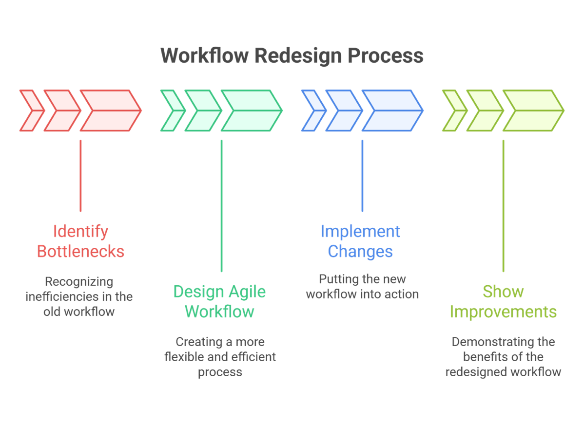
By addressing these inefficiencies, organizations can achieve significant benefits, including increased efficiency, improved quality, enhanced customer satisfaction, better compliance, and increased agility. This highlights that workflow redesign is not just about efficiency but about building organizational agility and adaptability, which are crucial for continuous innovation. Increased agility is a benefit of process analysis and optimization. The link between process redesign and becoming more agile portray the fact that the goal is not merely to make existing processes faster, but to make the organization itself more responsive to change. This implies that workflows must be flexible enough to accommodate new ideas, rapid prototyping, and iterative development, directly supporting an agile learning model and fostering a culture of continuous improvement.
Redesign Principles and Methodologies
Lean workflow principles focus on eliminating waste while preserving value-creating activities throughout talent management processes. These principles include reducing unnecessary handoffs, eliminating redundant activities, minimizing waiting time, and streamlining decision-making processes. Lean redesign creates more efficient workflows that deliver better results with fewer resources while maintaining or improving quality outcomes.
Agile workflow design emphasizes flexibility, responsiveness, and continuous improvement in process design and implementation. Agile approaches involve iterative redesign cycles that enable rapid testing and refinement of process improvements based on stakeholder feedback and performance results. This methodology is particularly valuable in dynamic environments where process requirements may change frequently due to organizational or environmental factors.
Human-centered design principles prioritize stakeholder needs, preferences, and capabilities in workflow redesign decisions. This approach recognizes that process success depends heavily on user acceptance and engagement with redesigned procedures. Human-centered design considers cognitive load, skill requirements, motivation factors, and work environment constraints that influence process effectiveness and stakeholder satisfaction.
Systems thinking approaches examine workflow within the broader organizational context including interdependencies with other processes, organizational culture factors, and strategic alignment considerations. Systems thinking helps ensure that workflow improvements create positive outcomes for the overall organizational system rather than optimizing individual processes in isolation. This perspective is particularly important for talent management workflows that intersect with multiple organizational functions.
Digital transformation principles leverage technology capabilities to fundamentally reimagine how work is accomplished rather than simply automating existing processes. Digital transformation involves rethinking process logic, information flows, and decision-making approaches based on available technology capabilities. This approach can create breakthrough improvements that would not be possible through traditional process optimization methods.

Technology Integration in Workflow Redesign
Automation opportunities analysis examines which workflow activities can be automated using available technologies including robotic process automation, artificial intelligence, and workflow management systems. Automation can eliminate routine, rules-based activities while freeing human capacity for higher-value work that requires judgment, creativity, and relationship management. Effective automation integration maintains appropriate human oversight while optimizing overall process performance.
Artificial intelligence integration enables enhanced decision support, pattern recognition, and predictive capabilities within redesigned workflows. AI technologies can analyze large volumes of data to identify trends, recommend actions, and predict outcomes that support better decision-making throughout talent management processes. AI integration should augment human capabilities rather than replacing human judgment in complex or sensitive situations.
Digital collaboration platforms enable more effective coordination and communication among workflow participants regardless of location or time constraints. These platforms support distributed work arrangements while maintaining process integrity and stakeholder engagement. Digital collaboration tools should be integrated thoughtfully to enhance rather than complicate workflow execution.
Real-time analytics and monitoring capabilities provide continuous visibility into workflow performance including cycle times, quality metrics, and stakeholder satisfaction measures. Real-time monitoring enables proactive identification of performance issues while supporting continuous improvement of redesigned processes. Analytics capabilities should provide actionable insights that enable responsive management of workflow performance.
Mobile and cloud technologies enable flexible access to workflow systems and information that supports more responsive and convenient process execution. Mobile capabilities are particularly valuable for talent management workflows that involve field activities, travel, or flexible work arrangements. Cloud technologies provide scalable infrastructure that can adapt to changing workflow volume and complexity requirements.
Change Management for Workflow Redesign
Stakeholder engagement strategies ensure that workflow redesign efforts incorporate diverse perspectives while building commitment for process changes. Engagement should begin early in the redesign process and continue through implementation to address concerns, gather feedback, and maintain support for changes. Effective engagement balances comprehensive input with efficient decision-making to avoid prolonged redesign cycles.
Communication planning addresses the need to inform stakeholders about workflow changes, implementation timelines, and expected benefits while addressing concerns and resistance. Communication should be tailored to different stakeholder groups based on their roles, interests, and information needs. Clear, consistent communication helps build understanding and support for workflow changes while managing expectations about implementation challenges and outcomes.
Training and development programs ensure that stakeholders have the knowledge and skills needed to execute redesigned workflows effectively. Training should address both technical skills required for new procedures and change management skills needed to adapt to new ways of working. Development programs should be delivered using multiple formats and timing options to accommodate different learning preferences and scheduling constraints.
Pilot testing approaches enable organizations to validate redesigned workflows on limited scope before full implementation. Pilot testing provides opportunities to identify implementation issues, refine procedures, and demonstrate benefits before broader deployment. Effective pilot programs balance comprehensive testing with timely implementation to avoid prolonged transition periods that may reduce stakeholder enthusiasm.
Performance monitoring and feedback systems enable continuous assessment of redesigned workflow effectiveness while identifying opportunities for further improvement. Monitoring should include both quantitative metrics and qualitative feedback from stakeholders to provide comprehensive understanding of workflow performance. Feedback systems should enable responsive adjustment of workflows based on experience and changing requirements.
Leveraging AI and Automation in Workflow Redesign
The integration of technology, particularly Artificial Intelligence (AI) and automation, is profoundly transforming workflow redesign. AI-powered process mining tools can automatically uncover and map complex business processes by analyzing data generated during various tasks, providing deep insights into how processes work. This capability enables real-time monitoring, predictive insights into potential deviations, and continuous learning that suggests improvements, ensuring processes evolve as the business grows. AI-powered process mining and generative AI enable real-time adaptability and continuous improvement in workflow redesign, transforming it from a static project into a dynamic, self-optimizing capability. In essence, AI has the ability to continuously learn from past data, suggesting improvements and ensure that processes evolve as the business grows .Thus, traditional workflow redesign can be a periodic, disruptive overhaul, but AI allows for constant, granular adjustments based on real-time data, making the process of optimization continuous and less disruptive. For innovation, this means the underlying operational machinery is always evolving to support faster ideation, development, and deployment, without needing major, infrequent interventions.
By leveraging AI and automation, organizations can significantly reduce employee downtime and automate repetitive tasks. This allows valuable human capital to focus on higher-value, strategic, and innovative work, directly contributing to fostering an innovation-driven culture. For instance, AI can streamline content delivery in training, automate administrative tasks like curating content or scheduling sessions, and provide real-time feedback, making learning smarter and more efficient. AI-powered Robotic Process Automation (RPA) tools can take over repetitive tasks like manual data entry or invoice processing, freeing up employees for more strategic activities.
Change Management for Successful Implementation
Successful workflow redesign is not just a technical exercise; it requires careful change management. Employees must understand the rationale and benefits of the redesigned workflows to ensure buy-in and smooth adoption. This involves clear communication, comprehensive training plans, and often, the establishment of “change champion” networks to facilitate the transition. Continuous monitoring and evaluation of redesigned workflows are essential to ensure they achieve desired innovation outcomes and adapt to changing needs.
Integrating the 6-Step Business Process for Workflow Redesign
The application of Workflow Redesign is a core component of the AI-TALENT FUSION program’s 6-step business process, guiding the transformation from an inefficient present to a streamlined future.
Process Mapping: This step involves meticulously documenting the “as-is” workflows for key innovation or talent management processes. This visual mapping highlights all the steps, handoffs, decision points, and potential points of friction that are targets for improvement, creating a clear baseline for the redesign effort.
Process Analysis (Core): The existing workflows, now visually mapped, are deeply analyzed to pinpoint specific pain points, diagnose the root causes of inefficiencies, and identify the highest-impact opportunities for optimization that can unlock significant innovation potential. This systematic examination helps to understand not just what is broken, but why.
Process Re-design (Core): Optimized “to-be” workflows are strategically designed. This core activity involves eliminating waste, streamlining steps, clarifying roles, integrating new technologies like AI and automation where appropriate, and improving collaboration to dramatically enhance the effectiveness of innovation delivery and talent management processes.
Process Resources: This involves identifying and allocating the necessary resources to both implement and sustain the newly redesigned workflows. This includes acquiring new software, providing comprehensive training for employees on the new processes, deploying AI tools for automation, and potentially reallocating human capital to higher-value, more strategic tasks.
Process Communications: A robust change management communication plan is developed and executed. This plan is designed to inform, engage, and train all affected employees on the new workflows. This is crucial for gaining buy-in, ensuring a smooth adoption process, and proactively addressing any potential resistance to change.
Process Review: Continuous monitoring mechanisms, such as KPIs, regular feedback loops, and performance audits, are established to evaluate the ongoing effectiveness of the redesigned workflows. This allows for the identification of any new issues that may arise and ensures a cycle of continuous optimization for both innovation and efficiency.
Insights from Leading Innovators
Leaders at Google and Amazon speak to regular “process sprints” and hackathons that invite employees to reimagine workflows, often resulting in surprisingly simple but powerful improvements. In banking, ING and DBS Bank credit workflow redesign with enabling genuine agility—moving from hierarchical approval chains to autonomous teams with end-to-end accountability. In health and life sciences, workflow redesign has dramatically improved hands-offs, cut error rates, and enabled faster feedback in diagnostics and drug development.
Barriers and Solutions
The most stubborn obstacle is inertia—change fatigue and the fear that workflow redesign means tighter surveillance or increased workload. Organizations can also underinvest in redesign, treating it as a one-off rather than a discipline. Solutions include robust change management: clear communication of purpose, involvement of those doing the work in design and testing, and visible recognition of workflow “wins.” Many organizations now use simulations and digital twins to pressure-test redesigned workflows before company-wide rollouts.
Reflections and Future Directions
As AI and automation tools take over more repetitive work, workflow redesign will cease to be an episodic IT or operations project and become a continuous, enterprise-wide capability—blending human-centric design with adaptive, learning organization models. The most innovative organizations will look to redesign not just processes but the incentives, relationships, and feedback systems underpinning them.

Interactive Group Exercise: “Process Problem-Solving”
The instructor provides a common workflow problem (e.g., “Too many emails for approvals,” “Difficulty finding the right document,” “Slow feedback on ideas”). In small groups, participants quickly brainstorm 2-3 simple, non-AI solutions to streamline or improve this workflow. They share their best idea with the group. This activity is designed to encourage practical, immediate problem-solving.
Case Study: Google’s Innovation-Driven Workflow Redesign for Talent Management
Google Corporation provides a compelling example of how systematic workflow redesign can transform talent management processes to support innovation excellence. The company’s approach to redesigning workflows demonstrates how organizations can create systems that balance efficiency with creativity, structure with flexibility, and individual development with organizational objectives. This case study examines Google’s development, implementation, and outcomes of their workflow redesign initiatives, providing insights into best practices for innovation-focused process improvement.
The foundation of Google’s approach lies in their recognition that traditional talent management workflows were not well-suited to their innovation-driven culture and objectives. The company needed workflows that could accommodate rapid growth, continuous learning, and frequent adaptation to changing technology and market conditions. This led to comprehensive redesign efforts that questioned fundamental assumptions about how talent management processes should function.
The technical implementation of Google’s workflow redesign leverages advanced technology platforms that enable real-time collaboration, automated routine tasks, and data-driven decision making. The company developed integrated systems that connect different aspects of talent management including hiring, development, performance management, and career planning. These systems provide comprehensive visibility into talent processes while enabling flexibility and adaptation.
The organizational integration of redesigned workflows at Google required significant investment in change management and capability development. The company implemented extensive training programs for managers and employees to help them understand and effectively use new processes. They also developed governance frameworks to ensure that workflow changes were aligned with organizational objectives and appropriately supported.
The cultural dimensions of Google’s workflow redesign reflect their emphasis on innovation, learning, and employee empowerment. The company designed workflows that encourage experimentation, support rapid learning, and enable employee-driven career development. These workflows reflect Google’s belief that innovation emerges from empowered employees who are supported by effective systems and processes.
The business outcomes of Google’s workflow redesign efforts have been substantial across multiple dimensions. The company has maintained rapid growth while preserving its innovation culture and attracting top talent. Employee engagement and satisfaction scores remain high, with particular strength in areas related to learning opportunities and career development. The company’s continued innovation leadership demonstrates the effectiveness of their workflow redesign approach.
The lessons learned from Google’s experience highlight both the potential and challenges of workflow redesign in innovation contexts. The company found that success depends on comprehensive analysis, creative redesign, and sustained investment in implementation. They also discovered that workflow redesign is most effective when it addresses not only process efficiency but also cultural and motivational factors that influence employee engagement and performance.
Course Manual 9: Resource Planning
Introduction
Strategic resource planning is a critical enabler for successful innovation initiatives, ensuring that organizations possess the necessary financial, human, and technological capital to drive new ideas from conception to market. It involves the meticulous identification, acquisition, and optimal allocation of these diverse resources to fuel and sustain innovation efforts across the entire organization.
Resource planning represents a critical strategic capability that enables organizations to align their human capital, financial investments, and technological resources with innovation objectives and talent management priorities. This systematic approach to resource allocation and optimization ensures that organizations have the right resources in the right places at the right times to support innovation initiatives while maintaining operational excellence. This course manual provides comprehensive guidance on resource planning specifically within pharmaceutical, healthcare, technology, manufacturing, and biotechnology organizations seeking to optimize their resource utilization for enhanced innovation capacity and talent management effectiveness.
The strategic importance of resource planning in talent management extends beyond traditional budgeting and staffing to encompass sophisticated forecasting, optimization, and dynamic allocation strategies that support organizational agility and innovation responsiveness. Modern resource planning incorporates advanced analytical techniques, predictive modeling, and real-time monitoring capabilities that enable more proactive and strategic resource management decisions. These contemporary approaches create opportunities for developing resource planning systems that systematically support innovation initiatives while optimizing organizational performance and competitive advantage.
Effective resource planning implementation requires careful integration of strategic objectives, operational requirements, and stakeholder needs while maintaining focus on sustainable resource utilization that supports both current performance and future innovation capacity. The application of resource planning to talent management innovation creates opportunities for developing more strategic, evidence-based approaches to resource allocation that systematically build organizational innovation capabilities while optimizing return on investment in human capital and supporting technologies.
Fundamentals of Strategic Resource Planning
Strategic resource planning involves systematic analysis and allocation of organizational resources including human capital, financial assets, technological infrastructure, and operational capabilities to support strategic objectives and innovation initiatives. Within talent management contexts, resource planning addresses the complex challenge of optimizing resource utilization across multiple competing priorities while ensuring adequate investment in innovation-supporting capabilities and future organizational requirements.
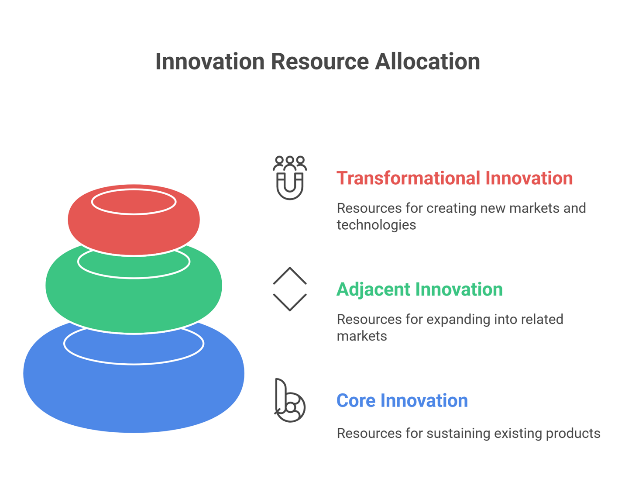
The foundation of effective resource planning lies in comprehensive understanding of organizational resource requirements, availability, and constraints that influence strategic capability and innovation potential. Resource requirements analysis must consider both current operational needs and future strategic objectives including innovation initiatives, capability development programs, and competitive response requirements. This forward-looking perspective ensures that resource planning supports sustainable organizational development rather than simply maintaining current operations.
Resource planning methodology involves systematic evaluation of resource alternatives, trade-offs, and optimization opportunities to maximize value creation and strategic impact from available resources. Planning processes should consider multiple resource categories simultaneously while evaluating interdependencies and synergies between different resource investments. Effective planning balances competing priorities while maintaining focus on strategic objectives and long-term organizational sustainability.
Stakeholder alignment ensures that resource planning decisions reflect diverse organizational priorities and constraints while building commitment for resource allocation decisions. Different stakeholder groups may have competing resource priorities based on their roles and responsibilities, requiring careful negotiation and compromise to achieve acceptable resource allocation outcomes. Stakeholder engagement also provides valuable input about resource utilization effectiveness and improvement opportunities.
Dynamic resource planning capabilities enable organizations to adapt resource allocations in response to changing conditions, emerging opportunities, and performance feedback. Traditional annual planning cycles may be insufficient for managing resources in rapidly changing environments that require responsive adaptation to new information and conditions. Dynamic planning approaches provide flexibility while maintaining strategic focus and accountability for resource utilization outcomes.
Components of Innovation Resources
Effective resource planning for innovation encompasses three primary categories:
Financial Capital: This includes dedicated R&D budgets, innovation funds, venture capital for internal startups, and investment in prototyping, testing, and scaling new products or services. Adequate and flexible funding is crucial, as innovation can be both costly and time-consuming.
Human Capital: This refers to the skilled talent, diverse expertise, and cross-functional teams required to generate, develop, and implement innovative solutions. This includes researchers, designers, engineers, marketing specialists, and agile project managers. The availability of the right talent with the right skills is paramount.
Technological Infrastructure: This comprises the tools, platforms, and systems that support innovation, such as AI platforms, data analytics tools, innovation management software, collaborative platforms, and specialized equipment for R&D.
Resource planning for innovation is increasingly about dynamic allocation and reallocation, necessitating agile budgeting and flexible talent deployment rather than static, annual cycles. AI enables dynamic portfolio adjustments and optimizes resource allocation in R&D. Thus, in a fast-evolving innovation landscape, rigid resource planning can stifle agility. This implies that organizations need to adopt more agile financial and talent management practices, allowing for quick pivots and re-prioritization of resources based on emerging insights or changing market conditions, rather than being locked into long-term commitments.
Human Capital Resource Planning
Workforce planning involves systematic forecasting of human capital requirements based on strategic objectives, business projections, and organizational capability needs. Effective workforce planning considers both quantitative staffing requirements and qualitative skill and capability needs that support innovation objectives. Planning must address diverse workforce categories including permanent employees, contract personnel, and specialized consultants who contribute to organizational innovation capacity.
Skills inventory and gap analysis provide comprehensive understanding of current organizational capabilities and future skill requirements that drive human capital planning decisions. Skills assessment should consider both technical competencies required for specific roles and broader innovation capabilities such as creative thinking, collaboration, and change leadership. Gap analysis identifies priority areas for talent acquisition, development, and retention investments that support innovation objectives.
Talent acquisition planning addresses strategic recruitment requirements including timing, sourcing strategies, and resource allocation for attracting and securing critical talent. Acquisition planning should consider competitive labor market conditions, organizational employer brand positioning, and recruitment process effectiveness to optimize talent acquisition outcomes. Planning must also address onboarding and integration requirements that enable new talent to contribute effectively to innovation initiatives.
Learning and development resource allocation ensures adequate investment in capability building programs that support both individual career development and organizational innovation requirements. Development planning should prioritize high-impact learning initiatives while considering diverse learning preferences and delivery methods. Resource allocation must balance investment in current skill enhancement with development of future capabilities required for emerging innovation opportunities.
Retention and engagement strategies require resource allocation for programs and initiatives that maintain critical talent commitment and motivation. Retention planning should address both tangible compensation and benefits as well as intangible factors such as career development opportunities, work environment quality, and innovation participation that influence talent decisions to remain with the organization.
Financial Resource Optimization
Budget allocation strategies ensure that financial resources support both operational requirements and strategic innovation initiatives while maintaining appropriate risk management and return on investment considerations. Financial planning should consider multiple time horizons from immediate operational needs to long-term strategic investments that build innovation capacity.
Allocation decisions must balance competing priorities while maintaining financial sustainability and stakeholder confidence.
Innovation investment planning addresses specific financial requirements for research and development activities, technology acquisition, talent development, and infrastructure enhancement that support organizational innovation objectives. Investment planning should evaluate project portfolios to optimize overall innovation returns while managing risks associated with uncertain outcomes. Planning must also consider timing and sequencing of investments to maximize cumulative innovation impact.
Cost optimization analysis identifies opportunities for reducing resource requirements while maintaining or improving organizational performance and innovation outcomes. Cost optimization should consider both direct cost reduction opportunities and efficiency improvements that enable better resource utilization. Analysis should avoid short-term cost cutting that may compromise long-term innovation capacity or organizational sustainability.
Financial performance monitoring enables real-time tracking of resource utilization effectiveness and return on investment from talent management and innovation initiatives. Monitoring systems should provide early warning of budget variances while enabling responsive adjustment of resource allocations based on performance feedback. Financial tracking should align with strategic objectives to ensure accountability for resource utilization outcomes.
Risk management and contingency planning address financial uncertainties and potential resource constraints that may affect organizational capability to maintain innovation investments. Risk planning should consider diverse scenarios including economic downturns, competitive pressures, and unexpected opportunities that may require resource reallocation. Contingency planning provides frameworks for maintaining critical innovation capabilities under adverse conditions.
Technology Resource Management
Technology infrastructure planning addresses hardware, software, and system requirements that support talent management processes and innovation initiatives. Infrastructure planning should consider both current operational needs and future scalability requirements as organizational innovation activities expand. Planning must evaluate technology alternatives based on capability, cost, reliability, and integration requirements while maintaining appropriate security and compliance standards.
Digital platform selection and integration ensure that technology investments support seamless workflow execution and data sharing across talent management and innovation processes. Platform planning should prioritize user experience, system integration, and analytical capabilities that enhance decision-making and process effectiveness. Selection decisions should consider both immediate functionality requirements and future evolution potential that supports organizational growth and adaptation.
Data management and analytics capabilities require resource allocation for data collection, storage, processing, and analysis systems that support evidence-based talent management and innovation decisions. Data resource planning should address privacy and security requirements while enabling access to information needed for effective decision-making. Analytics capabilities should provide both operational reporting and strategic insights that guide resource optimization and innovation planning.
Cybersecurity and compliance investments protect organizational data and systems while ensuring regulatory compliance that maintains organizational credibility and operational continuity. Security planning should address both technological protection measures and human training requirements that prevent security breaches and compliance violations. Investment in security capabilities should balance protection requirements with operational efficiency and user experience considerations.
Technology skill development ensures that organizational personnel have capabilities needed to effectively utilize technology investments and support innovation initiatives. Skill development planning should address both technical competencies and change management capabilities that enable successful technology adoption. Development resources should prioritize high-impact training that maximizes return on technology investments while building organizational technology fluency.
Performance Measurement and Optimization
Resource utilization metrics provide objective assessment of how effectively organizational resources are deployed to support talent management and innovation objectives. Metrics should address both efficiency measures such as cost per outcome and effectiveness measures such as innovation success rates and talent development outcomes. Measurement systems should enable comparison across different resource categories and time periods to identify optimization opportunities.
Return on investment analysis evaluates the value created through resource investments in talent management and innovation initiatives relative to the costs incurred. ROI analysis should consider both quantitative financial returns and qualitative benefits such as organizational capability enhancement and competitive positioning improvement. Analysis should address multiple time horizons to capture both immediate and long-term value creation from resource investments.
Benchmarking and comparative analysis provide external perspective on resource utilization effectiveness by comparing organizational performance with industry standards and best practice organizations. Benchmarking helps identify opportunities for resource optimization while validating current resource allocation strategies. Comparative analysis should consider both absolute performance levels and improvement trends that indicate organizational capability development.
Continuous improvement processes enable systematic optimization of resource planning and utilization based on performance feedback and changing organizational requirements. Improvement
processes should address both operational efficiency enhancement and strategic effectiveness improvement that supports innovation objectives. Continuous improvement should involve stakeholder feedback and systematic experimentation with resource allocation alternatives.
Predictive analytics and forecasting capabilities enable proactive resource planning based on projected future requirements and performance trends. Predictive capabilities should consider both internal organizational factors and external environmental conditions that influence resource needs and effectiveness. Forecasting should support scenario planning and risk management that maintains organizational preparedness for diverse future conditions.
Strategic Allocation and Optimization
Effective resource planning goes beyond simply securing funds; it involves strategically aligning human capital with innovation goals, which is critical for long-term success. While financial resources are often the primary focus, the detailed descriptions of talent mapping as a strategic process to align its recruitment strategy with its goals and objectives and determine the most efficient resource planning illuminates the delineation of human resources. It is not merely a separate HR function but a core “resource” that requires strategic planning and allocation, just like financial capital. This implies that HR and innovation leaders must collaborate closely on workforce planning to ensure the right skills are available for future innovation projects.
Resource planning for innovation also involves a continuous assessment of current resource utilization, identifying bottlenecks in resource availability or deployment, and evaluating the efficiency and Return on Investment (ROI) of innovation investments. By analyzing these factors, organizations can redesign resource allocation models to better support strategic innovation objectives, potentially shifting investment towards high-impact projects. This dynamic approach ensures that resources are deployed effectively to initiatives that offer the highest potential return.

To sum it up, the strategic alignment of resource planning with overarching innovation objectives is paramount to ensure that all human capital and financial investments are supporting broader organizational goals and contributing to the creation of a sustainable competitive advantage. This alignment requires a clear understanding of how different innovation activities contribute to the organization’s strategic priorities and how various resource allocation decisions will influence innovation outcomes. The ultimate challenge for leadership lies in skillfully balancing short-term operational needs and financial pressures with the long-term strategic objectives of innovation, all while maintaining the flexibility to adapt to changing market conditions and seize emergent opportunities.
AI’s Transformative Impact on Resource Planning
Artificial Intelligence (AI) is fundamentally transforming resource planning, moving it from a reactive, human-intensive process to a proactive, data-driven strategic function that significantly de-risks innovation investments. AI-driven portfolio optimization, particularly in complex fields like biopharmaceutical R&D, demonstrates AI’s capacity to enhance decision-making, resource allocation, and risk management. AI can analyze vast datasets, predict outcomes, and automate complex tasks, enabling optimized clinical trial selection, streamlined asset prioritization, and accurate market trend forecasting. This capability is a significant advancement. Traditionally, resource allocation for innovation can be based on intuition or limited historical data. AI’s ability to analyze vast datasets, simulate scenarios, and predict the likelihood of success for different innovation projects allows for more objective and optimized resource deployment, minimizing waste and maximizing the potential ROI of innovation investments. This transforms resource planning from a static budget exercise to a dynamic, predictive strategic function, ensuring resources are deployed effectively to high-impact projects and aligned with evolving strategic priorities.
AI tools can integrate real-time data from multiple sources, enabling dynamic portfolio adjustments and scenario planning. Natural Language Processing (NLP) can facilitate automated analysis of scientific literature and regulatory documents to identify strategic opportunities, further informing resource allocation decisions.
Integrating the 6-Step Business Process for Resource Planning
The application of Workflow Redesign is a core component of the AI-TALENT FUSION program’s 6-step business process, guiding the transformation from an inefficient present to a streamlined future.
Process Mapping: This step involves meticulously documenting the “as-is” workflows for key innovation or talent management processes. This visual mapping highlights all the steps, handoffs, decision points, and potential points of friction that are targets for improvement, creating a clear baseline for the redesign effort.
Process Analysis (Core): The existing workflows, now visually mapped, are deeply analyzed to pinpoint specific pain points, diagnose the root causes of inefficiencies, and identify the highest-impact opportunities for optimization that can unlock significant innovation potential. This systematic examination helps to understand not just what is broken, but why.
Process Re-design (Core): Optimized “to-be” workflows are strategically designed. This core activity involves eliminating waste, streamlining steps, clarifying roles, integrating new technologies like AI and automation where appropriate, and improving collaboration to dramatically enhance the effectiveness of innovation delivery and talent management processes.
Process Resources: This involves identifying and allocating the necessary resources to both implement and sustain the newly redesigned workflows. This includes acquiring new software, providing comprehensive training for employees on the new processes, deploying AI tools for automation, and potentially reallocating human capital to higher-value, more strategic tasks.
Process Communications: A robust change management communication plan is developed and executed. This plan is designed to inform, engage, and train all affected employees on the new workflows.
This is crucial for gaining buy-in, ensuring a smooth adoption process, and proactively addressing any potential resistance to change.
Process Review: Continuous monitoring mechanisms, such as KPIs, regular feedback loops, and performance audits, are established to evaluate the ongoing effectiveness of the redesigned workflows. This allows for the identification of any new issues that may arise and ensures a cycle of continuous optimization for both innovation and efficiency.
Course Manual 10: Talent Allocation
Introduction
The strategic allocation of talent is arguably the most critical determinant of an organization’s innovation capacity. In an era defined by rapid technological evolution and shifting market demands, the ability to effectively deploy human capital – matching diverse skills, experiences, and mindsets to the right innovation challenges – is paramount. This manual explores the nuanced process of talent allocation, moving beyond traditional hierarchical structures to embrace dynamic, project-based assignments that foster creativity, collaboration, and continuous learning. It emphasizes that talent is not a static resource but a dynamic asset that, when strategically cultivated and deployed, can unlock unprecedented levels of innovative output.
Talent allocation represents a strategic capability that enables organizations to optimize the deployment of human capital across different roles, projects, and initiatives to maximize innovation outcomes and organizational performance. This systematic approach to talent deployment involves understanding individual capabilities, organizational needs, and strategic priorities to make evidence-based decisions about how talent is assigned and utilized throughout the organization. This course manual provides comprehensive guidance on talent allocation specifically within pharmaceutical, healthcare, technology, manufacturing, and biotechnology organizations seeking to optimize their human capital deployment for enhanced innovation capacity and competitive advantage.
The strategic importance of talent allocation in innovation management extends beyond traditional staffing decisions to encompass sophisticated matching of individual capabilities with organizational opportunities, dynamic reassignment based on changing priorities, and development of talent mobility systems that enable rapid response to emerging needs. Modern talent allocation incorporates advanced analytical techniques, predictive modeling, and real-time capability assessment that enable more strategic and responsive talent deployment decisions. These contemporary approaches create opportunities for developing talent allocation systems that systematically optimize human capital utilization while supporting individual career development and organizational innovation objectives.
Effective talent allocation implementation requires careful integration of individual preferences and capabilities with organizational strategic objectives and operational requirements while maintaining focus on sustainable talent deployment that supports both current performance and future innovation capacity. The application of talent allocation to innovation management creates opportunities for developing more agile, data-driven approaches to human capital deployment that systematically build organizational innovation capabilities while optimizing individual talent development and engagement.
Fundamentals of Strategic Talent Allocation
Strategic talent allocation involves systematic analysis and deployment of human capital to optimize organizational performance and innovation capacity while supporting individual career development and engagement objectives. Within innovation contexts, talent allocation addresses the complex challenge of matching individual capabilities and preferences with organizational opportunities and requirements across multiple competing priorities and time horizons.
The foundation of effective talent allocation lies in comprehensive understanding of individual talent capabilities, organizational requirements, and strategic priorities that drive optimal deployment decisions. Individual capability assessment must consider both current competencies and development potential while understanding personal preferences, career aspirations, and engagement factors that influence performance and retention. Organizational requirements analysis should examine both immediate staffing needs and future capability requirements based on strategic innovation objectives.
Talent allocation methodology involves systematic evaluation of deployment alternatives, capability matching, and optimization opportunities to maximize value creation from human capital investments. Allocation processes should consider multiple factors simultaneously including individual fit, organizational needs, development opportunities, and strategic impact while evaluating trade-offs between different deployment options. Effective allocation balances individual and organizational interests while maintaining focus on strategic objectives and sustainable talent development.
Skills-based allocation approaches focus on matching specific competencies and capabilities with role requirements and project needs rather than relying solely on traditional job classifications or organizational hierarchy. Skills-based approaches enable more flexible and responsive talent deployment while providing better utilization of individual capabilities and interests. This methodology requires sophisticated skills assessment and matching capabilities that can identify optimal deployment opportunities based on detailed capability analysis.
Dynamic allocation capabilities enable organizations to adjust talent deployment in response to changing priorities, emerging opportunities, and performance feedback. Traditional static assignment approaches may be insufficient for managing talent in rapidly changing innovation environments that require responsive adaptation to new information and conditions. Dynamic allocation provides flexibility while maintaining strategic focus and accountability for talent utilization outcomes.
Talent Assessment and Capability Mapping
Comprehensive skills assessment provides detailed understanding of individual competencies, capabilities, and development potential that drives effective allocation decisions. Skills assessment should consider both technical competencies required for specific roles and broader innovation capabilities such as creative thinking, collaboration, problem-solving, and change leadership. Assessment approaches should utilize multiple evaluation methods including performance review data, skills testing, peer feedback, and self-assessment to provide comprehensive capability understanding.
Competency frameworks establish standardized approaches for evaluating and comparing individual capabilities across different roles and organizational units. Frameworks should address both role-specific competencies and broader organizational capabilities that support innovation and collaboration objectives. Standardized competency assessment enables more objective and consistent allocation decisions while providing clear development pathways for individual talent growth.
Career aspirations and preferences assessment ensures that talent allocation decisions consider individual goals, interests, and development priorities alongside organizational requirements. Understanding individual preferences helps identify deployment opportunities that will generate higher engagement and performance while supporting long-term retention objectives. Preference assessment should address both immediate assignment interests and longer-term career development goals that influence talent decisions.
Performance tracking and potential assessment provide evidence-based foundation for allocation decisions by examining historical performance patterns and future capability potential. Performance analysis should consider both individual achievement levels and contextual factors that influence performance outcomes. Potential assessment should identify individuals with capacity for expanded responsibilities and leadership roles that support organizational succession planning and innovation leadership development.
Cultural fit and team dynamics assessment examines how individuals work within different organizational contexts and team environments to optimize deployment decisions. Cultural assessment should consider both organizational culture alignment and specific team or project culture requirements that influence collaboration effectiveness. Understanding team dynamics helps identify deployment opportunities that will enhance overall team performance while supporting individual development and engagement.
Talent Allocation for Innovation
At its core, talent allocation for innovation is about creating the optimal conditions for individuals and teams to generate, develop, and implement novel ideas. This begins with a comprehensive understanding of the skills and competencies required for various types of innovation. Incremental innovation might lean heavily on engineering and product development expertise, while radical innovation could demand a blend of foresight, design thinking, and cross-disciplinary collaboration. Organizations must conduct thorough skill inventories and future-gazing exercises to identify both existing strengths and potential gaps in their talent pool. This foresight allows for proactive talent development initiatives, such as upskilling existing employees or strategically recruiting external talent with specialized expertise. The goal is to build a versatile and adaptable workforce capable of pivoting to new challenges as the innovation landscape evolves.
The traditional model of fixed roles and rigid reporting structures can often stifle innovation by limiting cross-functional collaboration and hindering the flow of ideas. Effective talent allocation for innovation necessitates a shift towards more agile and fluid organizational designs. This includes the widespread adoption of project-based teams, where individuals are temporarily assigned to specific innovation initiatives, bringing their unique skills to bear on a particular problem. These teams should ideally be cross-functional, bringing together individuals from different departments (e.g., R&D, marketing, operations, IT) to foster diverse perspectives and holistic problem-solving. Empowering these teams with autonomy and clear objectives, while providing necessary support and resources, is crucial for their success. The emphasis shifts from “who owns what” to “who can contribute most effectively to this specific innovation challenge.”
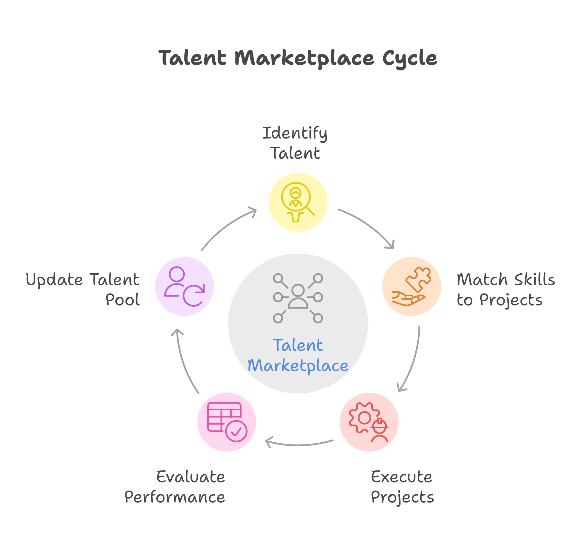
A key challenge in talent allocation is balancing the demands of day-to-day operations with the need to dedicate resources to future-oriented innovation projects. Organizations often fall into the trap of prioritizing immediate operational needs over long-term strategic innovation, leading to a shortage of available talent for new initiatives. To counteract this, forward-thinking companies establish dedicated innovation labs or “skunkworks” where teams can work on high-risk, high-reward projects in a protected environment, free from the pressures of daily business. Another approach involves implementing internal talent marketplaces, where employees can volunteer for or bid on innovation projects that align with their skills and interests, fostering a sense of ownership and engagement. This not only optimizes talent utilization but also serves as a powerful employee retention tool, offering opportunities for professional growth and meaningful work.
The role of leadership in talent allocation for innovation cannot be overstated. Leaders must act as facilitators, removing bureaucratic obstacles, providing strategic guidance, and championing innovative initiatives. They are responsible for creating a culture that values experimentation, tolerates intelligent failure, and celebrates learning. This includes actively identifying and nurturing “innovation champions” – individuals who possess a natural inclination for creative problem-solving and who can inspire others. Furthermore, leaders must ensure that performance management systems are aligned with innovation goals, recognizing and rewarding contributions to new ideas and successful project outcomes, rather than solely focusing on traditional operational metrics. A supportive leadership environment is essential for talent to feel empowered to take risks and explore unconventional solutions.
Strategic Dimensions of Talent Allocation
The strategic dimensions of talent allocation encompass the critical alignment of human capital deployment with the organization’s overarching business objectives and competitive strategy. This alignment requires a deep and clear understanding of how different innovation activities contribute to specific strategic goals and how individual talent allocation decisions can influence the development of long-term organizational capabilities. The central challenge for leaders lies in balancing the immediate, short-term needs of specific projects with the long-term strategic imperative of building a robust and adaptable talent pipeline, all while maintaining the flexibility to adapt to changing conditions.
The identification of high-potential talent represents a critical component of any effective talent allocation system. High-potential individuals possess not only a strong set of current capabilities but also, more importantly, the capacity for rapid learning, high resilience, and remarkable adaptability that enables them to contribute effectively to a wide range of diverse and evolving innovation challenges. The accurate identification of these individuals requires sophisticated and multi-faceted assessment approaches that can evaluate both their demonstrated past performance and their underlying learning potential across different contexts and challenges.
The development of robust talent mobility systems enables organizations to rapidly deploy their critical capabilities where they are most needed, while also providing invaluable development opportunities for their employees. These systems encompass both formal mechanisms, such as structured rotation programs, cross-functional project assignments, and international postings, as well as the cultivation of informal networks that facilitate knowledge sharing and collaboration. The effectiveness of these mobility systems depends on their ability to skillfully balance the organization’s strategic needs with the career development objectives and aspirations of its individual employees.

Finally, the consideration of team composition and dynamics in talent allocation decisions recognizes the well-established fact that innovation outcomes depend not only on the sum of individual capabilities but also on how team members interact, collaborate, and challenge one another. A large body of research in team effectiveness demonstrates that diversity of perspectives, a mix of complementary skills, and the presence of effective collaboration processes all contribute significantly to innovation success. Modern talent allocation systems, often powered by AI, are increasingly designed to consider these complex factors when recommending team formations and making critical deployment decisions.
Strategic Workforce Planning and Allocation
Demand forecasting analyzes future talent requirements based on strategic objectives, business projections, and innovation initiatives to guide proactive allocation planning. Demand analysis should consider both quantitative staffing requirements and qualitative capability needs across different organizational functions and time horizons. Forecasting should address multiple scenarios to enable responsive planning for different business conditions and strategic opportunities.
Supply analysis evaluates current talent availability, capability levels, and development potential to understand organizational capacity for meeting future requirements. Supply assessment should consider both internal talent development opportunities and external acquisition requirements to maintain adequate capability levels. Analysis should address talent mobility potential and development timelines that influence availability for different deployment opportunities.
Gap analysis identifies discrepancies between talent supply and demand that require strategic intervention through allocation optimization, development initiatives, or external acquisition. Gap analysis should prioritize capability gaps based on strategic importance and implementation urgency while considering development and acquisition timelines. Understanding gaps enables proactive planning for talent allocation and development that maintains organizational innovation capacity.
Scenario planning addresses uncertainty in talent requirements and availability by developing allocation strategies for different potential future conditions. Scenario analysis should consider various business growth projections, competitive dynamics, and technology evolution patterns that influence talent requirements. Multiple scenario planning enables robust allocation strategies that maintain organizational capability across diverse potential futures.
Portfolio optimization balances talent allocation across different organizational priorities and time horizons to maximize overall organizational value creation and innovation capacity. Portfolio approaches consider interdependencies between different allocation decisions while optimizing overall talent utilization and development outcomes. Optimization should balance competing objectives including current performance, future capability development, and individual engagement and retention.
Technology-Enhanced Talent Allocation
AI-powered matching algorithms utilize machine learning and data analytics to identify optimal talent deployment opportunities based on comprehensive analysis of individual capabilities, organizational requirements, and historical performance patterns. AI algorithms can analyze large volumes of data to identify matching opportunities that may not be apparent through manual analysis while continuously improving recommendations based on allocation outcomes and feedback.
Talent marketplaces provide internal platforms where individuals can explore deployment opportunities and managers can access talent for projects and initiatives. Marketplace approaches democratize allocation processes by enabling individuals to identify opportunities that align with their capabilities and interests while providing managers with broader access to organizational talent. Digital marketplaces should include comprehensive profile information, matching algorithms, and feedback systems that support effective allocation decisions.
Real-time capability tracking enables continuous monitoring of individual skill development and availability that supports more responsive allocation decisions. Real-time tracking should integrate with learning management systems, project management platforms, and performance management tools to provide comprehensive understanding of individual capability evolution. Continuous tracking enables identification of emerging allocation opportunities and development needs.
Predictive analytics forecast individual performance potential and allocation success based on historical data, capability assessment, and contextual factors. Predictive models can identify individuals likely to succeed in specific roles or projects while highlighting factors that influence allocation success. Analytics capabilities should provide both individual recommendations and aggregate insights that guide allocation strategy development and optimization.
Mobile and cloud-based allocation platforms enable flexible access to talent information and allocation tools that support more responsive and convenient deployment decisions. Mobile capabilities are particularly valuable for managing distributed teams and dynamic project environments where allocation needs may change rapidly. Cloud platforms provide scalable infrastructure that can adapt to changing organizational size and complexity while maintaining data security and accessibility.
Performance Management and Optimization
Allocation effectiveness metrics provide objective assessment of how successfully talent deployment decisions achieve intended outcomes including individual performance, project success, and organizational capability development. Metrics should address both efficiency measures such as time to deployment and effectiveness measures such as performance outcomes and retention rates. Measurement systems should enable comparison across different allocation approaches and time periods to identify optimization opportunities.
Individual development tracking monitors how allocation experiences contribute to talent growth and capability development while identifying deployment opportunities that support career advancement. Development tracking should align with individual career goals and organizational capability requirements to optimize both personal and organizational outcomes. Tracking should provide feedback for improving allocation decisions and development planning processes.
Project and initiative outcomes assessment evaluates how talent allocation decisions contribute to innovation project success and organizational strategic objective achievement. Outcome assessment should consider both quantitative results and qualitative factors such as team collaboration effectiveness and stakeholder satisfaction. Assessment should identify allocation factors that predict success while providing guidance for future allocation decisions.
Continuous improvement processes enable systematic optimization of talent allocation strategies and processes based on performance feedback and changing organizational requirements. Improvement processes should address both operational efficiency enhancement and strategic effectiveness improvement that supports innovation objectives. Continuous improvement should involve stakeholder feedback and systematic experimentation with allocation approaches and technologies.
Feedback systems collect input from individuals, managers, and stakeholders about allocation effectiveness and improvement opportunities to guide allocation process enhancement. Feedback should address both individual allocation experiences and broader process effectiveness while identifying systemic issues that require attention. Feedback systems should provide both immediate input for specific allocation decisions and aggregate insights that guide strategic allocation improvement.
AI in Talent Optimization
The advent of artificial intelligence offers transformative capabilities for optimizing talent allocation. AI-powered platforms can analyze vast datasets of employee skills, project requirements, and historical performance to recommend optimal team compositions for innovation projects. These systems can identify hidden skill sets, predict potential skill gaps, and even forecast the likelihood of success for different team configurations. For instance, AI can help match individuals with complementary working styles, ensuring greater team cohesion and productivity. It can also identify employees who might be “underutilized” in their current roles but possess valuable skills for emerging innovation areas. However, the ethical implications of
AI in talent allocation, particularly regarding bias and fairness, must be carefully managed. Human oversight remains indispensable to ensure equitable opportunities and to foster the human elements of trust, empathy, and psychological safety that are vital for truly collaborative innovation.

In conclusion, strategic talent allocation is a dynamic and multifaceted process that underpins successful innovation. It involves understanding current and future skill needs, embracing agile team structures, balancing operational demands with innovation imperatives, and fostering a supportive leadership environment. By leveraging the power of AI while maintaining human oversight, organizations can unlock the full potential of their human capital, transforming their workforce into a powerful engine for continuous innovation. This proactive and adaptive approach to talent management ensures that the right people are in the right place at the right time, driving the breakthroughs that secure future competitiveness.
Integrating the 6-Step Business Process for Talent Allocation
The application of Talent Allocation is a core component of the AI-TALENT FUSION program’s 6-step business process, ensuring that human capital is deployed as a strategic asset.
Process Mapping: This step involves mapping the current processes for how talent is assigned to projects and teams. This includes understanding both formal assignment processes run by HR or management and informal processes where individuals volunteer or are pulled into work. This visual map reveals how talent currently flows through the organization.
Process Analysis: The current talent allocation processes are analyzed for effectiveness. This includes assessing the speed of deployment, the quality of the match between talent and project needs, and the impact of allocations on both project success and employee engagement and development. This analysis identifies bottlenecks and biases in the current system.
Process Re-design: Based on the analysis, new, more agile, and strategic talent allocation processes are designed. This could involve creating an internal talent marketplace, implementing a more structured approach to forming cross-functional teams, or using AI to recommend optimal talent-to-task matches. The goal is to make the process more dynamic, data-driven, and fair.
Process Resources: This involves identifying the resources needed to support the new allocation processes. This includes the technology platforms for a talent marketplace, the training for
managers on how to use new allocation tools and methodologies, and the time required for more thoughtful team formation.
Process Communications: A clear communication strategy is developed to explain the new talent allocation philosophy and processes to the entire organization. This is crucial for managing employee expectations, encouraging participation in new mobility programs, and ensuring that managers understand their role in the new system.
Process Review: A continuous review cycle is established to monitor the effectiveness of the talent allocation strategy. Key metrics such as deployment velocity, internal mobility rates, project success rates, and employee satisfaction with their assignments are tracked. This allows for the ongoing refinement of the allocation process to ensure it continues to meet strategic needs.
Insights from Leading Innovators
At companies like General Electric, L’Oréal, and Google, talent allocation is treated as a dynamic market—top performers and high-potential newcomers are strategically rotated through mission-critical projects. HubSpot and fast-scaling startups report internal “gig marketplaces” where employees bid for stretch assignments, creating a fluid, meritocratic, and democratized allocation environment. Even in highly regulated industries, such as insurance and pharma, dynamic talent pools and short-term project assignments accelerate innovation and reduce burnout.
Barriers and Solutions
Fixed role definitions, internal politics, and the “fear of letting go” among line managers remain common obstacles. Some organizations hang onto outdated succession models that reward tenure over adaptability. Trailblazers have built platforms and review rhythms specifically for re-matching talent every quarter, integrate leadership pipelines with innovation priorities, and provide coaching so managers become champions of talent mobility rather than gatekeepers. Making successful agile allocation a celebrated metric (tracked in performance reviews and compensation) cements this transformation.
Reflections and Future Directions
Machine learning will increasingly drive “best-fit” matching between individuals, teams, and projects, across boundaries and geographies. The organizations that encourage open talent marketplaces, enable distributed leadership, and reward experimentation will command loyalty from the most adaptable, growth-oriented employees—turning talent allocation into a sustainable competitive advantage.
Key Interactive Group Activity: “Skill Swap Brainstorm”
Objective: To rapidly identify latent or underutilized skills within the team and explore potential internal talent mobility for small, ad-hoc innovation projects.
Process: Ask each participant to write down one skill they possess that is not explicitly listed in their current job description but which they believe could be valuable for an innovation project. Examples could include “proficient in Python for data analysis,” “strong public speaking and presentation skills,” “experienced in graphic design software,” or “possesses deep knowledge of a niche market segment outside our core.” Collect these “hidden” skills anonymously (e.g., on sticky notes or a shared digital board). Then, as a group, collaboratively brainstorm how these newly revealed skills could be creatively applied to current or future innovation challenges within the organization. The discussion should focus on imaginative applications and potential cross-functional pairings.
Case Study: IBM’s Agile Transformation and Talent Reallocation
IBM, a long-standing technology and consulting company, embarked on a massive agile transformation in the 2010s to accelerate its innovation cycles and respond more quickly to market demands. A core component of this transformation was a fundamental shift in how talent was allocated. Instead of traditional, fixed departmental structures, IBM moved towards a model where employees were increasingly organized into small, cross-functional agile teams.
This involved a significant reallocation of talent, often requiring individuals to move between projects and even business units more frequently. The focus shifted from individual roles to team contributions and the rapid delivery of value. IBM invested heavily in upskilling its workforce in agile methodologies, design thinking, and new technologies, ensuring that employees had the versatility to contribute to diverse innovation initiatives. They also implemented internal platforms to help employees discover project opportunities and for project leaders to find the right talent, effectively creating an internal talent marketplace.
The impact was profound: faster product development cycles, improved collaboration, and a more adaptive workforce. This case demonstrates that for a large, established organization, strategic talent reallocation, supported by continuous learning and agile frameworks, is not just about efficiency but is a critical enabler for sustained innovation and market relevance.
Course Manual 11: Communication Strategies
Introduction
In the intricate ecosystem of organizational innovation, communication is not merely a supportive function; it is the lifeblood that nourishes ideas, fosters collaboration, and accelerates the journey from concept to realization. This manual explores the pivotal role of strategic communication in creating and sustaining a vibrant innovation culture. It delves into how effective communication can break down silos, build psychological safety, align diverse stakeholders, and ensure that groundbreaking ideas receive the attention and resources they deserve. Without clear, consistent, and empathetic communication, even the most brilliant innovations risk remaining isolated concepts, unable to gain traction or achieve their full potential.
Communication strategies represent a fundamental enabler for successful innovation initiatives and organizational transformation, providing the foundation for stakeholder engagement, change management, and collaborative problem-solving that drives innovation outcomes.
Effective communication in talent management and innovation contexts requires sophisticated understanding of stakeholder needs, message design, channel selection, and feedback systems that create shared understanding and commitment to organizational objectives. This course manual provides comprehensive guidance on developing and implementing communication strategies specifically within pharmaceutical, healthcare, technology, manufacturing, and biotechnology organizations seeking to enhance their innovation capacity through strategic talent management.
The strategic importance of communication in innovation management extends beyond simple information sharing to encompass persuasion, motivation, collaboration facilitation, and culture change that enables organizational transformation and innovation success. Modern communication strategies incorporate advanced digital technologies, behavioral insights, and stakeholder analytics that enhance message effectiveness while enabling more personalized and responsive communication approaches. These contemporary methods create opportunities for developing communication systems that systematically support innovation initiatives while building organizational capability for continuous adaptation and improvement.
Effective communication strategy implementation requires careful integration of strategic objectives, stakeholder analysis, message development, and channel optimization while maintaining focus on measurable outcomes that drive organizational innovation capacity and performance improvement. The application of communication strategies to talent management innovation creates opportunities for developing more engaging, persuasive, and sustainable approaches to organizational change that systematically build stakeholder commitment and capability for innovation success.
The foundation of innovation communication lies in establishing psychological safety. This is an environment where individuals feel safe to express ideas, ask questions, admit mistakes, and even challenge the status quo without fear of negative repercussions or ridicule. When psychological safety is high, employees are more likely to take calculated risks, experiment with novel approaches, and share nascent ideas that might otherwise be suppressed. Communication strategies to build this safety include active listening from leadership, open forums for brainstorming and feedback, and a clear articulation that failure in experimentation is a learning opportunity, not a punishable offense. Leaders must model this behavior, demonstrating vulnerability and a willingness to learn, thereby encouraging similar openness throughout the organization. Transparent communication about the risks and rewards of innovation further reinforces this safe space.
Beyond fostering safety, effective communication is crucial for aligning stakeholders around innovation goals. In any large organization, innovation initiatives often involve multiple departments, leadership levels, and external partners. Each group may have different priorities, perspectives, and levels of understanding regarding the innovation vision. Strategic communication involves crafting clear, compelling narratives that articulate the “why” behind innovation – its strategic importance, potential impact, and alignment with organizational values. This narrative must be consistent across all channels and tailored to resonate with different audiences. Regular updates, progress reports, and success stories help maintain momentum and keep everyone informed and engaged. Workshops and collaborative sessions can also serve as powerful communication tools, allowing stakeholders to co-create understanding and build shared ownership of innovation outcomes.
The channels and frequency of communication are equally important. Innovation thrives on both formal and informal exchanges. Formal channels include dedicated innovation portals, internal newsletters, town halls, and project management platforms that track progress and facilitate collaboration. These ensure that critical information is disseminated systematically. Informal channels, such as water cooler conversations, virtual coffee breaks, and cross-functional social events, are equally vital for serendipitous idea generation and relationship building. Organizations should encourage a mix of synchronous (real-time meetings, brainstorming sessions) and asynchronous (discussion forums, shared documents) communication to accommodate diverse working styles and global teams. The key is to create a multi-channel communication ecosystem that allows ideas to flow freely and information to be easily accessed by those who need it.
A common pitfall in innovation is the “not invented here” syndrome, where ideas originating outside a particular team or department are resisted. Effective communication strategies actively combat this by promoting cross-pollination of ideas and celebrating contributions from all corners of the organization. This involves creating platforms for internal idea sharing, showcasing successful collaborations, and explicitly encouraging inter-departmental dialogue. Communication also plays a critical role in managing change associated with innovation. New products, processes, or technologies often require significant shifts in how employees work. Clear, empathetic communication about the reasons for change, its benefits, and the support available helps mitigate resistance and facilitates smoother adoption. This involves not just telling people what is changing, but why and how it will impact them, providing opportunities for questions and feedback
Fundamentals of Strategic Communication for Innovation
Strategic communication involves systematic planning and execution of message development, stakeholder engagement, and feedback systems that support organizational objectives and innovation initiatives. Within talent management contexts, strategic communication addresses the complex challenge of building understanding, commitment, and collaboration among diverse stakeholder groups with different interests, perspectives, and communication preferences while maintaining focus on innovation outcomes and organizational performance.
The foundation of effective communication strategy lies in comprehensive understanding of stakeholder needs, communication objectives, and organizational context that drives message development and channel selection decisions. Stakeholder analysis must consider diverse audience characteristics including roles, interests, communication preferences, and decision-making authority that influence how messages should be designed and delivered. Communication objectives should be specific, measurable, and aligned with broader organizational innovation and talent management goals.
Communication strategy methodology involves systematic evaluation of message alternatives, channel options, and engagement approaches to maximize communication effectiveness and stakeholder response. Strategy development should consider multiple communication objectives simultaneously while evaluating trade-offs between different approaches based on resource requirements, stakeholder preferences, and expected outcomes. Effective strategies balance comprehensive stakeholder engagement with efficient resource utilization and timely decision-making.
Message architecture ensures that communication content is structured, consistent, and compelling across different stakeholder groups and communication channels while maintaining strategic alignment and brand consistency. Message development should consider both rational information needs and emotional engagement factors that influence stakeholder receptivity and response. Architecture should provide frameworks for adapting core messages to different audiences while maintaining consistency and strategic focus.
Feedback and measurement systems enable continuous assessment of communication effectiveness while providing insights for strategy optimization and adaptation. Measurement should address both communication process metrics such as reach and engagement as well as outcome metrics such as stakeholder understanding, commitment, and behavior change. Feedback systems should provide both immediate response data and longer-term impact assessment that guides strategic communication improvement.
Stakeholder Analysis and Engagement Planning
Comprehensive stakeholder mapping identifies all individuals and groups who influence or are affected by innovation initiatives and talent management changes, providing foundation for targeted communication planning. Stakeholder analysis should consider both direct participants in innovation processes and indirect stakeholders who may influence success through their support, resources, or resistance. Mapping should address stakeholder relationships, influence patterns, and communication networks that affect message dissemination and impact.
Influence and interest assessment evaluates stakeholder power to affect innovation outcomes and their level of interest in or concern about proposed changes. This analysis helps prioritize communication efforts while identifying stakeholders who require special attention due to their high influence or strong concerns about changes. Assessment should consider both formal authority and informal influence that stakeholders exercise within organizational networks and decision-making processes.
Communication needs analysis examines what information stakeholders require to understand, support, and participate effectively in innovation initiatives. Needs analysis should consider both explicit information requests and implicit understanding requirements that may not be directly articulated by stakeholders. Analysis should address different types of information needs including strategic context, operational details, personal impacts, and success metrics that influence stakeholder engagement and support.
Engagement strategy development creates tailored approaches for different stakeholder groups based on their characteristics, needs, and communication preferences. Engagement strategies should specify communication objectives, key messages, preferred channels, timing considerations, and feedback mechanisms for each stakeholder group. Strategies should balance personalization with efficiency while ensuring consistent strategic messaging across different audiences.
Resistance and concern management addresses potential stakeholder objections, fears, and resistance to innovation initiatives through proactive communication and engagement. Resistance management should identify likely sources of opposition while developing specific communication approaches that address concerns and build support. Management strategies should include both preventive communication that addresses concerns before they become problems and responsive communication that addresses resistance when it emerges.

Message Development and Content Strategy
Core message framework establishes the fundamental themes, value propositions, and key points that should be communicated consistently across all stakeholder interactions and communication channels. Framework development should align with organizational strategy while addressing stakeholder needs and concerns identified through analysis. Core messages should be memorable, credible, and compelling while providing clear guidance for more detailed message development.
/
Audience-specific adaptation ensures that core messages are presented in ways that resonate with different stakeholder groups while maintaining strategic consistency and avoiding contradictory communications. Adaptation should consider stakeholder communication preferences, technical knowledge levels, cultural factors, and decision-making processes that influence message receptivity. Adaptation strategies should provide guidelines for customizing message content, tone, and emphasis while preserving essential strategic themes.
Storytelling and narrative techniques enhance message impact by creating emotional connection and memorable communication experiences that support stakeholder engagement and retention. Storytelling should incorporate relevant organizational examples, success stories, and personal testimonials that make abstract concepts more concrete and relatable. Narrative approaches should balance emotional appeal with factual accuracy while maintaining professional credibility and strategic focus.
Evidence and credibility building incorporates data, research findings, best practice examples, and expert testimonials that support key messages and build stakeholder confidence in proposed innovations. Evidence should be relevant, current, and credible while being presented in accessible formats that support stakeholder understanding. Credibility building should address potential skepticism or resistance while providing objective foundation for innovation recommendations and decisions.
Visual communication and multimedia integration enhance message effectiveness through infographics, videos, presentations, and interactive content that support different learning preferences and communication contexts. Visual elements should complement and reinforce text-based messages while providing accessible alternatives for complex information. Multimedia integration should consider technical constraints and stakeholder preferences while maintaining consistent brand and message standards.
Communication Channels and Platform Selection
Multi-channel communication strategies utilize diverse communication methods and platforms to reach different stakeholder groups effectively while providing multiple touchpoints that reinforce key messages. Channel selection should consider stakeholder preferences, message types, timing requirements, and resource constraints while ensuring comprehensive coverage of target audiences. Multi-channel approaches should coordinate message timing and content to create reinforcing communication experiences.
Digital communication platforms leverage technology tools including email, social networks, collaboration platforms, and mobile applications that enable efficient and scalable stakeholder engagement. Digital platform selection should consider stakeholder technology adoption, security requirements, integration capabilities, and user experience factors that influence engagement effectiveness. Platform strategies should balance technological capabilities with user accessibility and organizational technical infrastructure.
Face-to-face engagement opportunities include meetings, presentations, workshops, and informal interactions that provide high-impact communication experiences and enable real-time feedback and dialogue. Face-to-face communication is particularly valuable for complex or sensitive topics that require personal interaction and immediate response to questions or concerns. Engagement planning should balance the high impact of personal interaction with resource requirements and stakeholder availability.
Internal communication systems utilize organizational channels including intranets, newsletters, team meetings, and leadership communications that reach employees through established organizational structures. Internal systems should integrate innovation communication with regular organizational communication while maintaining appropriate emphasis and visibility. System utilization should consider organizational communication culture and established channels that stakeholder groups already use and trust.
External communication coordination ensures that innovation communications align with broader organizational messaging and brand positioning while managing public relations and media relations that may affect stakeholder perceptions. External coordination should address both proactive communication opportunities and reactive response to external inquiries or coverage. Coordination should maintain message consistency while adapting to different external audience needs and media requirements.
Change Communication and Culture Development
Change readiness communication prepares stakeholders for innovation initiatives by building understanding of change necessity, benefits, and implementation approaches while addressing concerns and resistance that may emerge. Readiness communication should provide strategic context that explains why changes are necessary while highlighting opportunities and benefits that motivate stakeholder support. Communication should be honest about challenges while maintaining optimism and confidence about success potential.
Culture change messaging addresses organizational values, behaviors, and norms that must evolve to support innovation success while providing guidance for individual and group adaptation. Culture messaging should connect innovation objectives with organizational identity and values while highlighting how changes enhance rather than threaten organizational strengths. Messaging should provide concrete examples of desired behaviors while recognizing and celebrating early adopters and success stories.
Leadership communication coordination ensures that organizational leaders provide consistent, credible, and inspiring communication that reinforces innovation messages while demonstrating personal commitment and support. Leadership coordination should address both formal communication opportunities and informal interactions that influence stakeholder perceptions of leadership commitment. Coordination should provide leaders with talking points, key messages, and responses to common questions while maintaining authenticity and personal communication style.
Success celebration and recognition communication highlights innovation achievements, milestone progress, and individual contributions that reinforce positive momentum while motivating continued engagement and support. Celebration communication should be timely, specific, and meaningful while providing models of successful innovation behavior that others can emulate. Recognition should address both individual achievements and team successes while connecting specific accomplishments to broader innovation objectives.
Continuous improvement communication creates ongoing dialogue about innovation progress, lessons learned, and adaptation opportunities that support organizational learning and strategy refinement. Improvement communication should encourage honest feedback about what is working and what needs adjustment while maintaining confidence in overall innovation direction. Communication should model learning behavior by acknowledging mistakes and adaptations while demonstrating commitment to continuous enhancement.
Technology Enablement
The technology enablement of innovation communication has transformed both the possibilities and the challenges of information sharing in innovation contexts. A vast array of digital communication tools can now enable real-time collaboration, seamless knowledge sharing, and relationship building across geographic and organizational boundaries. However, the implementation of this technology must be carefully planned and managed to ensure that it genuinely supports, rather than hinders, effective communication and collaboration. A common mistake is to assume that the tool itself is the solution, without considering the human behaviors and cultural changes needed to use it effectively.
AI in Innovation Communications
The integration of artificial intelligence into communication strategies for innovation offers powerful new capabilities. AI-powered tools can analyze vast amounts of internal communication data to identify emerging ideas, sentiment trends, and potential bottlenecks in information flow. Natural Language Processing (NLP) can help synthesize large volumes of feedback from brainstorming sessions, identifying key themes and actionable insights. AI can also personalize communication, delivering relevant innovation updates to specific employee groups based on their roles and interests, thereby reducing information overload. However, it is crucial to recognize that AI enhances, but does not replace, human communication. The nuances of empathy, persuasion, and building genuine trust – essential for fostering an innovation culture – remain inherently human domains. AI can provide the data and insights, but human leaders must still craft the compelling messages and engage in the personal interactions that truly inspire and connect.
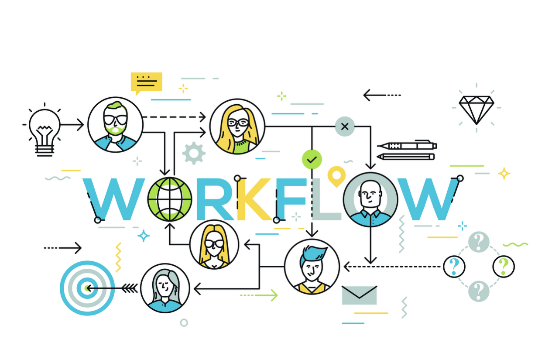
In essence, communication is the invisible architecture that supports and amplifies innovation. By prioritizing psychological safety, aligning stakeholders through compelling narratives, leveraging diverse communication channels, and embracing AI as an enabler, organizations can cultivate an environment where ideas flourish, collaboration thrives, and innovation becomes a continuous, collective endeavor. It transforms innovation from an isolated activity into a shared journey, ensuring that every voice is heard and every idea has the opportunity to contribute to organizational growth and transformation.
Integrating the 6-Step Business Process for Communication Strategies
The application of Communication Strategies is a core component of the AI-TALENT FUSION program’s 6-step business process, ensuring that great ideas can be heard, understood, and acted upon.
Process Mapping: This step involves mapping the current flow of information and communication related to innovation. This includes identifying the formal channels (e.g., meetings, reports) and trying to understand the informal channels (e.g., key influencers, social networks). This map reveals who talks to whom, what is communicated, and where communication breakdowns occur.
Process Analysis: The current communication processes are analyzed for their effectiveness. Are stakeholders getting the information they need in a timely manner? Is there a culture of open feedback? Are there information silos that are preventing collaboration? This analysis identifies the key communication gaps and weaknesses.
Process Re-design: Based on the analysis, a new, more strategic communication process or plan is designed. This could involve creating new communication channels (like an innovation newsletter or portal), establishing new meeting cadences, or defining clear protocols for how innovation projects should communicate their progress and needs.
Process Resources: This involves identifying the resources needed to implement the new communication strategy. This could include technology platforms for collaboration, the time and skill of internal communication specialists, or training for leaders and employees on more effective communication techniques.
Process Communications (Core): This central step involves the actual execution of the communication strategy. It is about crafting and delivering the right messages, to the right audiences, through the right channels, at the right time to build alignment, foster engagement, and drive the innovation agenda forward.
Process Review: A continuous review cycle is established to monitor the effectiveness of the communication strategy. This can be done through surveys, focus groups, and analyzing engagement metrics on communication platforms. This feedback is used to continuously refine the communication approach to ensure it remains effective.
Insights from Leading Innovators
Leaders at Apple, Pixar, and Atlassian highlight the need for intentional, multi-directional communication architectures—combining radical internal candor with carefully curated external messaging. Distributed teams at GitLab and Zapier treat asynchronous knowledge bases and “working in the open” as keys to scaling creativity and avoiding bottlenecks. In hybrid and global settings, multinationals like Tata and Vodafone describe the use of digital “town halls,” AI-driven sentiment scans, and “reverse mentoring” programs as crucial to keeping teams aligned and engaged across borders, time zones, and cultures.
Barriers and Solutions
Communication frequently breaks down due to information overload, lack of clarity on audience needs, and over-reliance on traditional broadcast channels. In some organizations, deeply embedded norms discourage transparency (“need to know”) or diversity of voice. The most successful teams invest in both structured (weekly leadership updates, transparent workflows) and unstructured (internal social channels, open feedback forums) modes and systematically train leaders to communicate vision while actively listening for blind spots. Some now harness AI for dynamic “pulse checks” and sentiment analysis so issues surface before they snowball.
Reflections and Future Directions
As remote and hybrid work become dominant realities, the agility and adaptability of communication strategies will be at a premium. Human and machine co-curation of knowledge flows, real-time feedback loops, and a focus on trust, inclusion, and two-way narrative building will underpin the innovation cultures of tomorrow.
Key Interactive Group Activity: “Innovation Storytelling Workshop”
Objective: To practice articulating innovation ideas and successes in a compelling, concise, and persuasive manner for different stakeholder groups.
Activity Description: Divide participants into groups. Each group is given a simple, hypothetical “innovation idea” (e.g., “A new AI-powered tool for personalized employee learning,” “A sustainable manufacturing process for product X,” “A new customer feedback loop system”).
For each idea, the group must prepare a short (3-minute) “pitch” or “story” tailored to two different audiences:
Senior Leadership/Investors: Focus on strategic alignment, potential ROI, market impact, and risk mitigation.
Front-line Employees/Team Members: Focus on how it benefits their daily work, simplifies processes, or enhances their contribution, and what their role in implementation might be.
Groups should consider what language, tone, and key messages would resonate most with each audience. After preparation, groups present their two pitches, and other groups provide feedback on clarity, persuasiveness, and audience appropriateness. This activity emphasizes the importance of tailoring communication for maximum impact.
Case Study: Atlassian’s Open Communication and Innovation
Atlassian, the software company behind collaboration tools like Jira and Confluence, is renowned for its culture of open communication, which directly fuels its innovation. They actively promote transparency and information sharing across all levels of the organization, believing that informed employees are more engaged and innovative. One notable practice is their “ShipIt” days. The key communication aspect here is not just the event itself, but the mandatory “demo” at the end. Teams must present their prototypes and ideas to the entire company, fostering a culture where ideas are shared openly, feedback is immediate, and successes are celebrated publicly. This creates a powerful communication loop that inspires further innovation.
Atlassian also uses its own tools to facilitate internal communication, creating dedicated spaces for project discussions, idea sharing, and feedback. Leaders regularly communicate strategic priorities and challenges, ensuring that employees understand the broader context for their innovative efforts. This pervasive culture of open and transparent communication has enabled Atlassian to continuously innovate its product suite and maintain its position as a leader in team collaboration software.
Course Manual 12: Review Cycle
Introduction
The journey of innovation is rarely linear; it is an iterative process characterized by experimentation, learning, and adaptation. Central to this iterative nature is the implementation of a robust and continuous review cycle. This manual emphasizes that a well-designed review cycle is not merely about assessing outcomes but, more importantly, about extracting valuable insights from both successes and failures, fostering a culture of continuous learning, and ensuring that innovation efforts remain aligned with strategic objectives. Without a structured approach to review, organizations risk repeating mistakes, missing opportunities for improvement, and ultimately stifling their long-term innovation capacity.
The primary purpose of an innovation review cycle is to facilitate learning. Unlike traditional project reviews that often focus solely on budget and timeline adherence, innovation reviews delve deeper into the “why” and “how.” They seek to understand the underlying assumptions that were made, the hypotheses that were tested, and the unexpected outcomes that emerged. This involves conducting postmortems for completed projects (both successful and unsuccessful), retrospective meetings for ongoing initiatives, and regular check-ins to assess progress against learning objectives. The emphasis is on collective reflection, encouraging teams to openly discuss challenges, share insights, and identify best practices that can be applied to future innovation endeavors. This transforms failures from setbacks into valuable data points for organizational growth.
Review cycles represent a critical governance mechanism that enables organizations to systematically monitor, evaluate, and optimize their innovation initiatives and talent management processes to ensure continuous improvement and strategic alignment. This systematic approach to performance review and process refinement provides the foundation for sustainable organizational learning, adaptive strategy development, and evidence-based decision-making that drives long-term innovation success. This course manual provides comprehensive guidance on implementing review cycles specifically within pharmaceutical, healthcare, technology, manufacturing, and biotechnology organizations seeking to enhance their innovation capacity through systematic evaluation and continuous improvement.
The strategic importance of review cycles in innovation management extends beyond simple performance monitoring to encompass comprehensive organizational learning systems that enable rapid adaptation to changing conditions, emerging opportunities, and performance feedback. Modern review cycles incorporate advanced analytical techniques, real-time monitoring capabilities, and predictive modeling that enhance evaluation accuracy while enabling more proactive and strategic improvement decisions. These contemporary approaches create opportunities for developing review systems that systematically support innovation optimization while building organizational capability for continuous adaptation and competitive advantage.
Effective review cycle implementation requires careful integration of performance measurement, stakeholder feedback, strategic assessment, and improvement planning while maintaining focus on actionable outcomes that drive sustainable organizational improvement and innovation capacity enhancement. The application of review cycles to talent management innovation creates opportunities for developing more responsive, evidence-based approaches to organizational development that systematically build innovation capabilities while optimizing resource utilization and strategic alignment.

Fundamentals of Strategic Review Cycles
Strategic review cycles involve systematic and recurring evaluation of organizational performance, process effectiveness, and strategic alignment to enable continuous improvement and adaptive management of innovation initiatives and talent management processes. Within innovation contexts, review cycles address the complex challenge of maintaining strategic focus while remaining responsive to changing conditions, emerging opportunities, and performance feedback that require ongoing adaptation and optimization.
The foundation of effective review cycles lies in establishing clear evaluation criteria, performance metrics, and assessment processes that provide objective and comprehensive understanding of organizational performance and improvement opportunities. Review criteria should align with strategic objectives while addressing both quantitative performance indicators and qualitative factors that influence innovation success and organizational capability development. Evaluation processes should be systematic, consistent, and stakeholder-inclusive while remaining efficient and actionable.
Review cycle methodology involves systematic collection and analysis of performance data, stakeholder feedback, and environmental information to assess current performance relative to objectives and identify improvement opportunities and strategic adaptations. Review processes should consider multiple perspectives and data sources while balancing comprehensive evaluation with timely decision-making and resource efficiency. Effective cycles create regular opportunities for reflection, learning, and strategic adjustment that maintain organizational alignment and performance optimization.
Performance measurement systems provide quantitative and qualitative data that enables objective assessment of innovation outcomes, process effectiveness, and talent management success. Measurement systems should address both leading indicators that predict future performance and lagging indicators that assess historical results while providing balanced perspective on organizational effectiveness. Systems should be integrated with operational processes to enable real-time monitoring and responsive management of performance issues and opportunities.
Stakeholder feedback integration ensures that review processes incorporate diverse perspectives from employees, managers, customers, partners, and other stakeholders who influence or are affected by innovation initiatives and talent management processes. Feedback integration should utilize multiple collection methods and channels while ensuring representative input from different stakeholder groups. Integration processes should balance comprehensive input collection with efficient analysis and decision-making that maintains stakeholder engagement and confidence.
Review Cycle Design and Implementation
Cycle frequency and timing optimization determines the appropriate intervals and scheduling for different types of review activities based on process characteristics, strategic priorities, and organizational capacity for implementing improvements. Frequency optimization should balance the need for timely feedback and adaptation with the cost and disruption of review activities while considering the natural rhythms of organizational processes and strategic planning cycles.
Multi-level review architecture establishes different review processes for different organizational levels and time horizons including operational reviews focused on process efficiency, tactical reviews focused on program effectiveness, and strategic reviews focused on overall innovation direction and capability development. Multi-level architecture should ensure appropriate coordination and information flow between different review levels while maintaining distinct focus and decision-making authority at each level.
Review scope and boundaries definition clarifies what elements of innovation and talent management processes are included in review activities while establishing appropriate limits that maintain focus and efficiency. Scope definition should consider organizational structure, process interdependencies, and strategic priorities while ensuring comprehensive coverage of critical success factors and performance drivers.
Data collection and analysis frameworks establish systematic approaches for gathering performance information, stakeholder feedback, and environmental intelligence that supports comprehensive and objective review processes. Frameworks should specify data sources, collection methods, analysis techniques, and reporting formats while ensuring data quality, accessibility, and actionability. Analysis should provide both descriptive assessment of current performance and diagnostic insights about improvement opportunities and strategic implications.
Review facilitation and governance structures establish roles, responsibilities, and decision-making processes that ensure effective review execution while maintaining appropriate stakeholder engagement and leadership oversight. Governance should clarify who participates in reviews, who makes decisions based on review findings, and how review outcomes are communicated and implemented throughout the organization.
Performance Measurement and Analytics
Key performance indicator development establishes specific, measurable, and actionable metrics that enable objective assessment of innovation outcomes and talent management effectiveness. KPI development should align with strategic objectives while addressing both efficiency and effectiveness dimensions of organizational performance. Indicators should be balanced across different performance areas while remaining limited in number to maintain focus and usability.
Balanced scorecard approaches integrate multiple performance perspectives including financial outcomes, stakeholder satisfaction, process efficiency, and learning and growth to provide comprehensive assessment of organizational effectiveness. Balanced approaches should address both quantitative metrics and qualitative indicators while maintaining strategic alignment and stakeholder relevance. Scorecard design should enable both detailed analysis and high-level strategic assessment that supports different decision-making needs.
Trend analysis and forecasting utilize historical performance data and analytical techniques to identify patterns, predict future outcomes, and assess the sustainability of current performance levels. Trend analysis should consider both internal performance evolution and external environmental changes that influence future performance requirements and opportunities. Forecasting should support proactive planning and strategic decision-making while acknowledging uncertainty and providing scenario-based assessments.
Benchmarking and comparative analysis provide external perspective on organizational performance by comparing results with industry standards, best practice organizations, and competitive performance levels. Benchmarking should identify both performance gaps and leading practices that provide guidance for improvement initiatives while considering contextual factors that influence performance comparison validity. Analysis should provide actionable insights for strategic and operational improvement planning.
Root cause analysis and diagnostic assessment examine underlying factors that drive performance outcomes to enable more effective improvement planning and strategic decision-making. Diagnostic approaches should distinguish between symptoms and underlying causes while identifying systemic issues that require strategic intervention versus operational problems that can be addressed through process improvement. Analysis should provide specific guidance for improvement prioritization and implementation planning.
Continuous Improvement Integration
Plan-Do-Check-Act cycle integration establishes systematic approaches for translating review findings into improvement initiatives while monitoring implementation effectiveness and adapting strategies based on results. PDCA integration should provide structured frameworks for improvement planning, implementation, evaluation, and adaptation while maintaining strategic alignment and resource efficiency. Cycle integration should enable both incremental improvements and breakthrough innovations based on review insights.
Improvement prioritization frameworks help organizations focus improvement efforts on initiatives that will generate the highest impact relative to implementation requirements and resource constraints. Prioritization should consider both strategic importance and implementation feasibility while addressing urgent problems and longer-term capability development needs. Frameworks should provide objective criteria for comparing different improvement opportunities while maintaining flexibility for emerging priorities and opportunities.
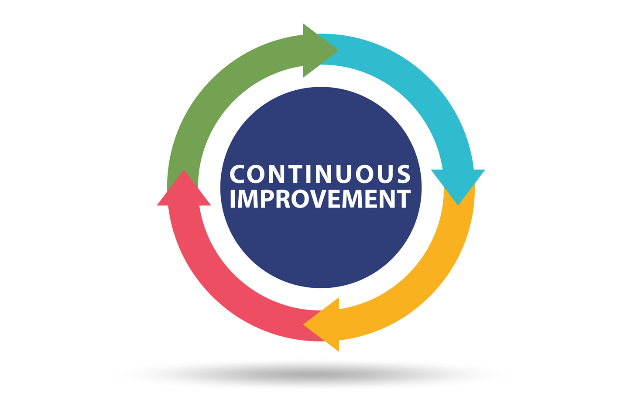
Change management integration ensures that improvement initiatives identified through review processes are supported by appropriate stakeholder engagement, communication, and training that enables successful implementation. Change management should address both technical and cultural factors that influence improvement success while building organizational capability for continuous adaptation and learning. Integration should coordinate improvement implementation with ongoing operations while minimizing disruption and maintaining performance standards.
Innovation pipeline management utilizes review insights to optimize the portfolio of innovation initiatives and ensure appropriate resource allocation across different types of innovation opportunities. Pipeline management should balance incremental improvements with breakthrough innovations while considering risk tolerance, resource availability, and strategic priorities. Management should provide frameworks for evaluating, selecting, and managing innovation initiatives throughout their development lifecycle.
Organizational learning and knowledge management capture insights, lessons learned, and best practices from review processes to build organizational capability for continuous improvement and strategic adaptation. Learning systems should document both successful approaches and improvement failures while making knowledge accessible to support future improvement initiatives. Knowledge management should enable both formal knowledge transfer and informal learning that builds organizational wisdom and capability over time.
Technology-Enhanced Review Systems
Digital dashboard and reporting platforms provide real-time visibility into performance metrics and review outcomes while enabling stakeholder access to relevant information for decision-making and improvement planning. Platform development should consider different stakeholder information needs and technical capabilities while ensuring data security and accessibility. Dashboards should provide both summary information for strategic oversight and detailed data for operational management and improvement planning.
Automated data collection and analysis systems reduce the cost and effort required for review processes while improving data accuracy and timeliness that supports more responsive improvement management. Automation should integrate with existing organizational systems and processes while maintaining appropriate human oversight and validation of automated insights. Systems should balance automation benefits with flexibility for human judgment and contextual analysis that may not be captured through automated processes. Predictive analytics and early warning systems utilize advanced analytical techniques to identify emerging performance issues and improvement opportunities before they become critical problems. Predictive capabilities should analyze multiple data sources and performance indicators while providing actionable alerts and recommendations for proactive management intervention. Systems should balance sensitivity to emerging issues with specificity to avoid false alarms that reduce system credibility and responsiveness.
Collaboration and communication platforms support stakeholder engagement in review processes while enabling efficient information sharing and coordination of improvement initiatives. Platform selection should consider organizational communication culture and technical infrastructure while providing appropriate security and access controls. Platforms should facilitate both formal review processes and informal collaboration that supports continuous improvement and organizational learning.
Mobile and remote access capabilities enable stakeholder participation in review processes regardless of location or schedule constraints while maintaining data security and process integrity. Mobile capabilities should provide appropriate functionality for different types of review activities while considering device limitations and user experience requirements. Access design should balance convenience with security while ensuring that remote participation does not compromise review quality or stakeholder engagement.
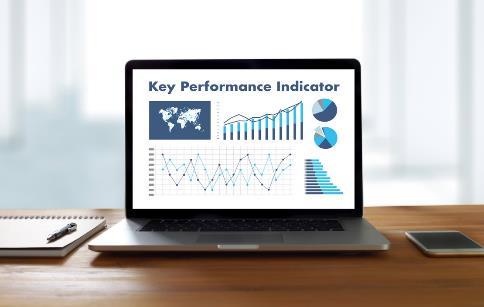
A critical component of the review cycle is the establishment of clear metrics and key performance indicators (KPIs) for innovation. While measuring innovation can be challenging, it is not impossible. Metrics can range from input-focused (e.g., number of ideas generated, investment in R&D) to output-focused (e.g., number of patents filed, revenue from new products) and outcome-focused (e.g., market share gained, customer satisfaction from new offerings). The selection of metrics should be aligned with the organization’s specific innovation strategy. For instance, if the goal is disruptive innovation, metrics might focus on market creation and customer adoption rates rather than incremental revenue growth. Regular tracking and reporting of these KPIs provide objective data for review, allowing leaders to assess the effectiveness of their innovation efforts and make data-driven decisions about future investments.
The review cycle also plays a crucial role in ensuring accountability and adaptability. While fostering a culture that embraces intelligent failure, it is equally important to establish clear responsibilities for innovation projects and to hold teams accountable for learning and adapting. This does not mean punishing failure, but rather ensuring that lessons are learned and incorporated into future plans. Regular reviews provide a structured opportunity for teams to present their progress, discuss challenges, and propose adjustments to their approach. This iterative feedback loop allows for rapid course correction, preventing resources from being wasted on initiatives that are clearly not yielding desired results. It also ensures that innovation efforts remain agile, capable of pivoting in response to new market information or technological developments.
Strategic Alignment of Review Cycles
The strategic alignment of review cycles with overarching innovation objectives is paramount. This alignment ensures that all assessment activities are not just administrative exercises, but are actively supporting broader organizational goals and providing the critical insights that can guide future strategic decisions. This requires a clear understanding of how different review activities contribute to innovation outcomes and how the results from these reviews can and should inform strategic planning and resource allocation. The primary challenge lies in creating review processes that can balance the need for detailed, granular assessment with a high-level, strategic perspective.
The integration of both quantitative and qualitative assessment approaches provides a far more comprehensive and nuanced understanding of innovation performance than either approach could provide on its own. Quantitative assessment includes the tracking of hard metrics such as project completion rates, the health and velocity of the innovation pipeline, and the financial returns generated from innovation activities. Qualitative assessment, on the other hand, delves into factors such as the learning outcomes achieved, the effectiveness of team collaboration, and the development of the organization’s cultural capacity for innovation. The skillful integration of these two approaches enables a more holistic and accurate understanding of the complex dynamics of innovation.
Integrating the review cycle into the broader organizational rhythm is essential for its effectiveness. Innovation reviews should not be isolated events but rather a continuous process embedded within project management methodologies (e.g., Agile sprints, quarterly business reviews). This ensures that learning and adaptation are ongoing, rather than retrospective. Furthermore, insights derived from reviews must be systematically captured, documented, and disseminated across the organization. This could involve creating an internal knowledge base for innovation best practices, conducting “lessons learned” workshops, or integrating findings into training programs. The goal is to transform individual project learnings into collective organizational knowledge, building a cumulative advantage in innovation capabilities.
The stakeholder engagement dimensions of review cycles are also critically important. The success of any innovation effort depends on the contributions of a diverse range of individuals and groups, all of whom may have different and equally valid perspectives on performance and opportunities for improvement. Effective review cycles must be designed to engage multiple stakeholders, including employees, managers, customers, and external partners, while ensuring that these different perspectives are actively solicited, respectfully considered, and integrated into the final improvement efforts.
Technology Enablement of Review Cycles
The technology enablement of review cycles has created powerful new possibilities for data collection, analysis, and feedback, while also providing collaborative platforms for communication. Advanced review systems can integrate multiple data sources, provide real-time feedback and performance dashboards, and support collaborative evaluation processes. However, as with all technology, the implementation must be carefully planned to ensure that it genuinely supports, rather than hinders, the effectiveness of the review and improvement processes. The goal is to use technology to augment and enable a more effective human-led process of reflection and learning.
AI in Review Cycles
The role of artificial intelligence in enhancing the innovation review cycle is becoming increasingly significant. AI-powered analytics can process vast amounts of project data, identifying patterns and correlations that human analysts might miss. For example, AI can analyze project timelines, resource utilization, and outcome data to predict potential bottlenecks or identify factors contributing to success or failure. Natural Language Processing (NLP) can summarize and extract key insights from meeting transcripts, feedback forms, and project documentation, making the review process more efficient. AI can also power real-time dashboards, providing leaders with immediate visibility into the health and progress of their innovation portfolio, enabling faster, more informed decision-making. However, human interpretation and strategic judgment remain indispensable. AI provides the insights, but human leaders must still decide how to act on them, considering the broader organizational context, ethical implications, and long-term vision. The synergy between AI’s analytical power and human strategic wisdom is key to maximizing the value of the innovation review cycle.
In summary, a well-structured and continuously applied review cycle is indispensable for sustained innovation. It transforms experience into learning, data into insight, and challenges into opportunities for adaptation. By establishing clear metrics, fostering a culture of accountability and learning, and leveraging AI to enhance analytical capabilities, organizations can ensure that their innovation efforts are not only productive but also continuously improving, driving long-term growth and maintaining a competitive edge in a rapidly changing world.
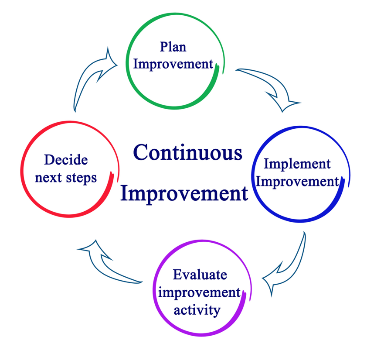
Integrating the 6-Step Business Process for Review Cycle
The application of the Review Cycle is the final, crucial component of the AI-TALENT FUSION program’s 6-step business process, creating the engine for continuous improvement.
Process Mapping: This step involves mapping the review process itself. This means defining the steps of the review (e.g., data collection, review meeting, action planning), the timing and cadence of reviews, and the roles and responsibilities of all participants. This ensures the review process is itself well-designed and understood.
Process Analysis: The outcomes of the review cycle are analyzed. Are the reviews leading to tangible improvements? Are the right issues being discussed? Is the feedback being acted upon? This analysis assesses the health and effectiveness of the learning process itself.
Process Re-design: Based on the analysis, the review process can be redesigned for greater impact. This might involve changing the format of review meetings, introducing new metrics, creating better feedback mechanisms, or adjusting the cadence of reviews to better match the pace of innovation.
Process Resources: This involves identifying the resources needed to conduct effective reviews. This includes the time commitment from leadership and teams, the data analytics tools needed to prepare for reviews, and potentially skilled facilitators to guide the review sessions for maximum effectiveness.
Process Communications: The outcomes and action items from the review cycle must be clearly and promptly communicated to all relevant stakeholders. This ensures that the learnings are disseminated throughout the organization and that everyone is aware of the resulting changes in plans or priorities.
Process Review (Core): This is the central, ongoing activity of the review cycle itself. It is the continuous process of systematically evaluating, learning from, and improving all innovation-driven talent management initiatives, ensuring that the organization can adapt and thrive. It is the engine that drives the entire 6-step process forward.
Insights from Leading Innovators
Across nearly every industry, the review cycle has emerged as one of the most critical levers for turning organizational experience—whether a success, a near-miss, or a failure—into actionable learning and continuous progress. Leaders in technology, manufacturing, pharmaceuticals, biotechnology and services, all describe how
thoughtful, regular review processes are the backbone of keeping innovation alive and relevant in fast-paced, uncertain environments.
At global tech companies such as Microsoft and SAP, the review cycle forms the foundation of agile development, with postmortems and retrospective workshops built into every sprint. These companies have found that the most valuable insights often surface not during the high of launch but in the quieter phases when teams come together to examine what worked, what didn’t, and what could be improved if given another chance. In manufacturing, organizations like Toyota and Bosch have long treated “hansei” meetings—structured reflection sessions after projects or production runs—as sacred moments to probe root causes of error, inefficiency, and even unexpected wins. Such reflections, when conducted openly and without fear, quickly propagate small process tweaks that can yield outsized long-term results.
Financial services firms, including trailblazers like ING and Capital One, routinely conduct review cycles to audit not only compliance but risk-taking and adaptability. Such companies embed learning into risk management and product development alike. In professional services and creative industries such as WPP or IDEO, reviews aren’t just about evaluating deliverables; they facilitate peer-to-peer learning and amplify tacit knowledge on collaboration, client dynamics, and creative breakthroughs.
No matter the sector, one core lesson emerges: the organizations that view the review cycle as a living, evolving system—rather than a static compliance ritual—consistently outperform peers in agility, resilience, and the translation of lessons into future value.
Barriers and Solutions Faced in Implementing Review Cycles
Despite broad recognition of its importance, the review cycle is often under-leveraged due to a variety of entrenched barriers. In many organizations, legacy mindsets paint review meetings as venues for criticism or blame, rather than as essential to growth and improvement. When participants fear repercussions or feel that reviews are a “hunt for the guilty,” candor vanishes and true learning is lost. Time pressure is another universal challenge; under the load of deadlines and new projects, teams often treat reviews as expendable, skipping or skimming them to “move fast,” thereby repeating mistakes that could have been easily prevented.
Another obstacle is the fragmentation of information—insights and lessons get buried in siloed files, emails, or individual memories rather than being captured and shared organization-wide. In larger firms, geographic and functional separation can result in review cycles that are inconsistent or disconnected from broader organizational strategies, limiting their effectiveness and impact. Additionally, many organizations struggle to find the balance between too much structure (template-driven, robotic reviews) and too little structure (chaotic, unfocused sessions with no actionable outcomes).
Leading organizations address these challenges through several proven solutions. Cultural transformation is paramount; when leaders model vulnerability, curiosity, and a genuine interest in learning, the entire tenor of reviews shifts from punitive to developmental. Many firms assign neutral facilitators or “learning champions” to run reviews, ensuring balanced participation, psychological safety, and objective follow-up. The most effective review cycles are regular, time-boxed, and supported by simple, consistent templates—“What went well? What didn’t? What next?”—as well as digital platforms that make insights searchable and shareable across teams and time zones. Some pioneering organizations incorporate cross-team reviews, where outsiders bring fresh perspective and prompt deeper reflection, helping to break down both silos and biases.
Reflections and Future Directions
Review cycles are rapidly evolving from the static “post-mortem” or after-action review into a dynamic, ongoing learning engine for organizations of all types and sizes. As environments become more volatile and change accelerates, the companies that thrive will be those that embed reflection, sense-making, and adaptation at every stage—not just at the end of projects, but as a continuous pulse throughout the work cycle.
Looking ahead, digital tools and artificial intelligence will increasingly augment human-led reviews, surfacing patterns and opportunities that may not be visible in the moment. Automated capture of key metrics, collaboration data, and feedback will feed smarter, more targeted review sessions, ensuring no lesson is lost in the flow of everyday work. Furthermore, the concept of inclusion in the review cycle is broadening: organizations are experimenting with bringing in stakeholders from different geographies, functions, and even customers and partners to enrich the feedback loop.
Critically, the most forward-thinking organizations are reframing the review cycle as a celebration of learning and adaptation—a mark of maturity and competitive strength, rather than an admission of failure. The future will belong to those organizations that not only review and reflect, but act on what they learn, closing the loop between experience, insight, and innovation in a perpetually renewing cycle.
Key Interactive Group Activity: “Lessons Learned Matrix” Workshop
Objective: To systematically extract and categorize lessons from a hypothetical innovation project (success or failure) to inform future initiatives.
Activity Description: Divide participants into small groups. Each group is given a brief “Innovation Project Summary” (could be a success or a failure, with key events and outcomes).
Their task is to fill out a “Lessons Learned Matrix” for the project, with columns for:
What Went Well? (Positive aspects, successful strategies)
What Could Be Improved? (Challenges, inefficiencies, areas for refinement)
What Did We Learn? (Key insights, new knowledge gained)
Actionable Recommendations: (Specific, practical steps for future projects based on the learning)
Groups discuss and populate the matrix, focusing on identifying root causes and actionable takeaways. After completing the matrix, each group presents their key findings and recommendations, leading to a broader discussion on common themes and how to institutionalize these learnings across the organization.
Case Study: Amazon’s “Working Backwards” and Iterative Review
Amazon’s innovation process is deeply rooted in iterative development and continuous review, epitomized by its “Working Backwards” approach. Instead of starting with an idea and building a product, Amazon begins by writing a press release for the product they envision, as if it has already launched. This press release describes the customer problem, how the new product solves it, and the customer experience. This forces teams to think from the customer’s perspective and clearly define the value proposition.
This “Working Backwards” document then serves as a living review document. It’s circulated internally, debated, and refined through multiple iterations. This is a continuous review cycle where assumptions are challenged, features are debated, and the core concept is rigorously tested before significant development resources are committed. This pre-development review minimizes wasted effort and ensures alignment.
Once a product is launched, Amazon continues its relentless review cycle through extensive A/B testing, customer feedback loops, and data analytics. They continuously monitor performance metrics, rapidly iterate on features, and are willing to pivot or even discontinue products that don’t meet customer needs or business objectives. This culture of constant review and adaptation, fueled by data and a customer-centric mindset, is a cornerstone of Amazon’s sustained innovation success across diverse ventures like AWS, Kindle, and Alexa.

SWOT & MOST Analysis Exercises
01. Undertake a detailed SWOT Analysis in order to identify your department’s internal strengths and weaknesses and external opportunities and threats in relation to each of the 12 Workshop Title processes featured above. Undertake this task together with your department’s stakeholders in order to encourage collaborative evaluation.
02. Develop a detailed MOST Analysis in order to establish your department’s: Mission; Objectives; Strategies and Tasks in relation to Workshop Title. Undertake this task together with all of your department’s stakeholders in order to encourage collaborative evaluation.
Project Studies

Project Study (Part 1) – Customer Service
The Head of this Department is to provide a detailed report relating to the AI-Talent Fusion process that has been implemented within their department, together with all key stakeholders, as a result of conducting this workshop, incorporating process: planning; development; implementation; management; and review. Your process should feature the following 12 parts:
01. Innovation Overview
02. Process Mapping
03. SWOT Analysis
04. Value Streams
05. AI Diagnostics
06. Data Metrics
07. Gap Analysis
08. Workflow Redesign
09. Resource Planning
10. Talent Allocation
11. Communication Strategies
12. Review Cycle
Please include the results of the initial evaluation and assessment.

Project Study (Part 2) – E-Business
The Head of this Department is to provide a detailed report relating to the AI-Talent Fusion process that has been implemented within their department, together with all key stakeholders, as a result of conducting this workshop, incorporating process: planning; development; implementation; management; and review. Your process should feature the following 12 parts:
01. Innovation Overview
02. Process Mapping
03. SWOT Analysis
04. Value Streams
05. AI Diagnostics
06. Data Metrics
07. Gap Analysis
08. Workflow Redesign
09. Resource Planning
10. Talent Allocation
11. Communication Strategies
12. Review Cycle
Please include the results of the initial evaluation and assessment.

Project Study (Part 3) – Finance
The Head of this Department is to provide a detailed report relating to the AI-Talent Fusion process that has been implemented within their department, together with all key stakeholders, as a result of conducting this workshop, incorporating process: planning; development; implementation; management; and review. Your process should feature the following 12 parts:
01. Innovation Overview
02. Process Mapping
03. SWOT Analysis
04. Value Streams
05. AI Diagnostics
06. Data Metrics
07. Gap Analysis
08. Workflow Redesign
09. Resource Planning
10. Talent Allocation
11. Communication Strategies
12. Review Cycle
Please include the results of the initial evaluation and assessment.

Project Study (Part 4) – Globalization
The Head of this Department is to provide a detailed report relating to the AI-Talent Fusion process that has been implemented within their department, together with all key stakeholders, as a result of conducting this workshop, incorporating process: planning; development; implementation; management; and review. Your process should feature the following 12 parts:
01. Innovation Overview
02. Process Mapping
03. SWOT Analysis
04. Value Streams
05. AI Diagnostics
06. Data Metrics
07. Gap Analysis
08. Workflow Redesign
09. Resource Planning
10. Talent Allocation
11. Communication Strategies
12. Review Cycle
Please include the results of the initial evaluation and assessment.

Project Study (Part 5) – Human Resources
The Head of this Department is to provide a detailed report relating to the AI-Talent Fusion process that has been implemented within their department, together with all key stakeholders, as a result of conducting this workshop, incorporating process: planning; development; implementation; management; and review. Your process should feature the following 12 parts:
01. Innovation Overview
02. Process Mapping
03. SWOT Analysis
04. Value Streams
05. AI Diagnostics
06. Data Metrics
07. Gap Analysis
08. Workflow Redesign
09. Resource Planning
10. Talent Allocation
11. Communication Strategies
12. Review Cycle
Please include the results of the initial evaluation and assessment.

Project Study (Part 6) – Information Technology
The Head of this Department is to provide a detailed report relating to the AI-Talent Fusion process that has been implemented within their department, together with all key stakeholders, as a result of conducting this workshop, incorporating process: planning; development; implementation; management; and review. Your process should feature the following 12 parts:
01. Innovation Overview
02. Process Mapping
03. SWOT Analysis
04. Value Streams
05. AI Diagnostics
06. Data Metrics
07. Gap Analysis
08. Workflow Redesign
09. Resource Planning
10. Talent Allocation
11. Communication Strategies
12. Review Cycle
Please include the results of the initial evaluation and assessment.

Project Study (Part 7) – Legal
The Head of this Department is to provide a detailed report relating to the AI-Talent Fusion process that has been implemented within their department, together with all key stakeholders, as a result of conducting this workshop, incorporating process: planning; development; implementation; management; and review. Your process should feature the following 12 parts:
01. Innovation Overview
02. Process Mapping
03. SWOT Analysis
04. Value Streams
05. AI Diagnostics
06. Data Metrics
07. Gap Analysis
08. Workflow Redesign
09. Resource Planning
10. Talent Allocation
11. Communication Strategies
12. Review Cycle
Please include the results of the initial evaluation and assessment.
Project Study (Part 8) – Management
The Head of this Department is to provide a detailed report relating to the AI-Talent Fusion process that has been implemented within their department, together with all key stakeholders, as a result of conducting this workshop, incorporating process: planning; development; implementation; management; and review. Your process should feature the following 12 parts:
01. Innovation Overview
02. Process Mapping
03. SWOT Analysis
04. Value Streams
05. AI Diagnostics
06. Data Metrics
07. Gap Analysis
08. Workflow Redesign
09. Resource Planning
10. Talent Allocation
11. Communication Strategies
12. Review Cycle
Please include the results of the initial evaluation and assessment.
Project Study (Part 9) – Marketing
The Head of this Department is to provide a detailed report relating to the AI-Talent Fusion process that has been implemented within their department, together with all key stakeholders, as a result of conducting this workshop, incorporating process: planning; development; implementation; management; and review. Your process should feature the following 12 parts:
01. Innovation Overview
02. Process Mapping
03. SWOT Analysis
04. Value Streams
05. AI Diagnostics
06. Data Metrics
07. Gap Analysis
08. Workflow Redesign
09. Resource Planning
10. Talent Allocation
11. Communication Strategies
12. Review Cycle
Please include the results of the initial evaluation and assessment.
Project Study (Part 10) – Production
The Head of this Department is to provide a detailed report relating to the AI-Talent Fusion process that has been implemented within their department, together with all key stakeholders, as a result of conducting this workshop, incorporating process: planning; development; implementation; management; and review. Your process should feature the following 12 parts:
01. Innovation Overview
02. Process Mapping
03. SWOT Analysis
04. Value Streams
05. AI Diagnostics
06. Data Metrics
07. Gap Analysis
08. Workflow Redesign
09. Resource Planning
10. Talent Allocation
11. Communication Strategies
12. Review Cycle
Please include the results of the initial evaluation and assessment.
Project Study (Part 11) – Logistics
The Head of this Department is to provide a detailed report relating to the AI-Talent Fusion process that has been implemented within their department, together with all key stakeholders, as a result of conducting this workshop, incorporating process: planning; development; implementation; management; and review. Your process should feature the following 12 parts:
01. Innovation Overview
02. Process Mapping
03. SWOT Analysis
04. Value Streams
05. AI Diagnostics
06. Data Metrics
07. Gap Analysis
08. Workflow Redesign
09. Resource Planning
10. Talent Allocation
11. Communication Strategies
12. Review Cycle
Please include the results of the initial evaluation and assessment.
Project Study (Part 12) – Education
The Head of this Department is to provide a detailed report relating to the AI-Talent Fusion process that has been implemented within their department, together with all key stakeholders, as a result of conducting this workshop, incorporating process: planning; development; implementation; management; and review. Your process should feature the following 12 parts:
01. Innovation Overview
02. Process Mapping
03. SWOT Analysis
04. Value Streams
05. AI Diagnostics
06. Data Metrics
07. Gap Analysis
08. Workflow Redesign
09. Resource Planning
10. Talent Allocation
11. Communication Strategies
12. Review Cycle
Please include the results of the initial evaluation and assessment.
Program Benefits
Human Resources
- Innovation Culture
- Diversity Enhancement
- Business Alignment
- Impact Measurement
- Engagement Elevation
- Training Advancement
- Workforce Analytics
- Talent Intelligence
- Future Planning
- Recruitment Enhancement
Management
- Leadership Enhancement
- Decision Optimization
- Organizational Agility
- Talent Retention
- Team Management
- Structure Optimization
- Partnership Fostering
- Strategic Foresight
- Creative Safety
- Virtual Leadership
Information Technology
- AI Coordination
- Risk Mitigation
- Agile Implementation
- Performance Tracking
- Data Leveraging
- Reality Integration
- ROI Optimization
- Workplace Architecture
- Resource Allocation
- Collaborative Networking
Client Telephone Conference (CTC)
If you have any questions or if you would like to arrange a Client Telephone Conference (CTC) to discuss this particular Unique Consulting Service Proposition (UCSP) in more detail, please CLICK HERE.