
Respectful Workplace

The Appleton Greene Corporate Training Program (CTP) for Respectful Workplace is provided by Mr. McIntosh MTS B. Eng Certified Learning Provider (CLP). Program Specifications: Monthly cost USD$2,500.00; Monthly Workshops 6 hours; Monthly Support 4 hours; Program Duration 12 months; Program orders subject to ongoing availability.

Personal Profile
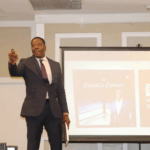
Mr. McIntosh is an accomplished author, podcaster, and keynote speaker whose work has shaped modern approaches to respectful workplace culture, leadership, and organizational transformation. Honored by the Ontario Government with the prestigious Amethyst Award for outstanding public service, he has become a trusted voice on dignity centered leadership and the creation of psychologically safe, respectful workplace communities.
He has delivered impactful speeches and training to professionals and senior leaders across diverse sectors, including public servants at all levels of government and international audiences in Mongolia, the United Kingdom, and the United States. His expertise spans executive coaching, strategic planning, culture change design, respectful workplace training, and restorative dialogue facilitation. Through this work, he has helped organizations strengthen their practices in diversity, inclusion, equity, belonging, and respectful conduct, with a particular focus on transforming organizational culture into communities grounded in trust, accountability, and psychological safety.
As the Founder and Executive Director of a Professional Development Group, he established an inclusive community for Canadian public sector professionals—recognized globally with Apolitical’s 2020 Championing Equality in the Public Sector award. With over 15 years of experience in people development, human rights, and inclusive workplace systems, Mr. McIntosh is widely regarded as an organizational change agent who equips leaders with the frameworks and skills needed to build and sustain respectful workplaces.
He holds a Bachelor of Electrical Engineering from Toronto Metropolitan University, a Master of Theological Studies from McMaster University, and is a certified Project Management Professional (PMP). Through his book on Amazon and his podcast, Mr. McIntosh shares practical insights on coaching, healthy relationships, restorative leadership, and fostering belonging—continuing his mission to help organizations create cultures where every individual feels respected, valued, and safe to contribute.
To request further information about Mr. McIntosh through Appleton Greene, please Click Here.

(CLP) Programs

Appleton Greene corporate training programs are all process-driven. They are used as vehicles to implement tangible business processes within clients’ organizations, together with training, support and facilitation during the use of these processes. Corporate training programs are therefore implemented over a sustainable period of time, that is to say, between 1 year (incorporating 12 monthly workshops), and 4 years (incorporating 48 monthly workshops). Your program information guide will specify how long each program takes to complete. Each monthly workshop takes 6 hours to implement and can be undertaken either on the client’s premises, an Appleton Greene serviced office, or online via the internet. This enables clients to implement each part of their business process, before moving onto the next stage of the program and enables employees to plan their study time around their current work commitments. The result is far greater program benefit, over a more sustainable period of time and a significantly improved return on investment.

Appleton Greene uses standard and bespoke corporate training programs as vessels to transfer business process improvement knowledge into the heart of our clients’ organizations. Each individual program focuses upon the implementation of a specific business process, which enables clients to easily quantify their return on investment. There are hundreds of established Appleton Greene corporate training products now available to clients within customer services, e-business, finance, globalization, human resources, information technology, legal, management, marketing and production. It does not matter whether a client’s employees are located within one office, or an unlimited number of international offices, we can still bring them together to learn and implement specific business processes collectively. Our approach to global localization enables us to provide clients with a truly international service with that all important personal touch. Appleton Greene corporate training programs can be provided virtually or locally and they are all unique in that they individually focus upon a specific business function. All (CLP) programs are implemented over a sustainable period of time, usually between 1-4 years, incorporating 12-48 monthly workshops and professional support is consistently provided during this time by qualified learning providers and where appropriate, by Accredited Consultants.
Executive summary

Respectful Workplace
CREATING A RESPECTFUL/CIVIL WORKPLACE
In today’s complex and diverse work environments, a pervasive and often hidden problem exists: a lack of respect and psychological safety. According to recent research by Christine Porath, from a 2022 survey of US workers published in the Harvard Business Review, 76% of employees experience incivility at work at least once a month. This persistent issue goes beyond simple impoliteness; it erodes trust, stifles innovation, and creates a toxic culture that directly impacts morale, productivity, and employee retention in the workplace. The Creating a Respectful Workplace program is designed to address this critical gap by providing the tools and strategies necessary to transform a culture of disrespect into one that is respectful, collaborative, and genuinely safe.
The overall goal of the program is to transform workplace culture by fostering an environment of profound respect, safety, and psychological freedom, which will enhance organization productivity as a byproduct. This is achieved through a multi-faceted approach:
• Understanding and Empathy: Participants will gain a deep understanding of what respect looks like within their own context while building the empathy to appreciate how this can differ for others.
• Awareness and Impact: Through a clear contrast between a toxic or poisoned work environment and one that is freeing, empowering, and safe, participants will viscerally feel the significant and positive impact of a respectful workplace.
• Practical Implementation: The program will equip all members of the organization with the strategic and tactical knowledge to implement the policies, processes, and practices necessary to sustain this cultural change, ensuring that a respectful and dignified workplace is not an aspiration, but a lived reality for every employee.
This one-year program is a comprehensive curriculum designed to equip leaders and employees with the skills, knowledge, and tools to create and sustain a respectful workplace. It is structured to build from foundational concepts to practical application, addressing prevention, intervention, and long-term cultural change, which enhancing productivity.
SECTION 1: BUILDING THE FRAMEWORKS
This section establishes the core principles and shared understanding necessary for a respectful workplace. It defines key concepts and explores the “why” behind respectful behavior.
Workshop 1: Defining Respectful Workplaces
• Objective: To establish a shared understanding of what a respectful workplace is and its importance for fostering an environment where people feel safe and psychologically secure.
• Content: This workshop will define the core concepts of a respectful and inclusive workplace, highlighting that it values diversity, dignity, and professional conduct.
Workshop 2: Recognizing Harassment & Discrimination
• Objective: To provide an in-depth look at workplace harassment and discrimination, prohibited grounds for discrimination and other behaviours that would create conflict in the workplace—creating feeling and/or culture of disrespect.
• Content: Participants will learn to identify different types of disrespectful behaviors along with its related policy violations and understand their negative impact on individuals and the overall work environment.
Workshop 3: Upholding Our Values
• Objective: To demonstrate how upholding principles and promoting respectful behaviors are key to prevention and early intervention.
• Content: This workshop will explore how organizational and personal values contribute to a respectful workplace culture.
SECTION 2: IMPLEMENTING THE FRAMEWORK
This section transitions from theory to practice, focusing on understanding formal policies and developing the proactive skills needed to maintain a positive environment.
Workshop 4: Understanding Roles & Responsibilities
• Objective: To clarify that all employees have a role to play in creating a respectful workplace, from demonstrating professional behavior to reporting violations, and to explore how to use existing HR data to understand the current state of the workplace culture, identifying trends and areas for improvement.
• Content: This workshop will detail the mandatory requirements of existing HR policy on a respectful workplace while providing an overview of both managers’ and employees’ roles and responsibilities. It will show how to identify and leverage existing HR data to understand current state of the workplace culture.
Workshop 5: Communicating Respectfully
• Objective: To equip managers and employees with the proactive steps they can take to build a positive work environment.
• Content: This session will focus on participants learning how to maintain professional relationships and engage in continuous learning and knowledge sharing to be strong leaders. The workshop will also highlight the importance of consistent communication, such as regular one-on-ones, as an action item.
SECTION 3: RESOLVING CONFLICT EFFECTIVELY
This section provides practical strategies and tools for addressing issues and conflicts, incorporating the critical lens of cultural intelligence for effective resolution.
Workshop 6: Resolving Issues Early
• Objective: To equip participants with the skills to address disrespectful behavior as soon as they become aware of it, preventing it from negatively impacting morale and engagement. It will also focus on leveraging cultural intelligence as a key skill for navigating and resolving conflicts in a diverse workplace.
• Content: This workshop will provide strategies for early intervention and resolution of issues that contradict a respectful or civil workplace.
Workshop 7: Calling It Out
• Objective: To teach participants how to ask more and tell less, using questions to help the other person reflect on their actions and their impact on others.
• Content: This workshop will teach the Socratic method as a framework for respectfully “calling out” behavior that goes against agreed-upon values and norms.
Workshop 8: Taking Personal Accountability
• Objective: To promote self-awareness and personal accountability, leading to a sincere apology and a motivation to restore psychological safety for all involved.
• Content: This session focuses on the receiver of a call-out, teaching them how to receive feedback without defensiveness. Also, a focus for the one who is calling out will be made on how to give fact-based and empathetic feedback to recipient to encourage reflection and change where recipient is motivated to apologize. Vulnerability and trust are twin element required in building respectful workplace for such an exchange will be nurtured.
SECTION 4: SUSTAINING THE CULTURE
This final section addresses the formal complaint process, the importance of confidentiality, and the long-term commitment required to sustain a respectful and healthy workplace culture.
Workshop 9: Resolving Complaints Intentionally
• Objective: To inform employees of their right to file a complaint and their rights and responsibilities during the process, including the importance of confidentiality and the deterrence of reprisal for reporting.
• Content: This workshop will outline the formal process for addressing complaints, providing an overview of how the workplace discrimination and harassment is put into practice to make the workplace respectful.
Workshop 10: Ensuring Fair Investigations
• Objective: To explain why maintaining a fair process to investigate workplace matters of disrespect and incivility and confidentiality is crucial for the integrity of the process and for protecting all individuals involved.
• Content: This workshop will underscore the critical role of fairness, due process and confidentiality during the complaint and investigation process.
Workshop 11: Restoring Workplace Health
• Objective: To equip managers and teams with the tools and understanding to heal relationships and move forward in a collaborative and productive manner.
• Content: This session will cover the services and strategies for restoring a healthy work environment after a complaint has been resolved. Vulnerability and trust once again will be discussed toward restoring and/or building respectful workplace.
Workshop 12: Sustaining Respectful Culture
• Objective: To emphasize that creating an inclusive and respectful workplace is an ongoing journey that requires both proactive measures and a data-driven approach.
• Content: This final workshop will focus on the long-term commitment required to sustain a respectful workplace. Participants will review key learnings, discuss strategies for continuous improvement, and focus on developing and implementing new tools and means of measuring the culture of respect in the workplace.
Case Study
The principle of implementing respectful workplace initiatives, or civility programs, has yielded significant benefits across both private and public sector organizations in Canada, the US, and the UK. In Canada, the British Columbia (BC) government has focused on establishing clear policies and training, while the Ontario Provincial Police (OPP) has used data from internal surveys and high mental health claims to justify investments in officer well-being and cultural change. Similarly, the UK’s National Health Service (NHS) has launched a national program to combat harassment, driven by employee survey data highlighting pervasive issues. These organizations are moving from reactive, complaint-based systems to proactive models that emphasize psychological safety and early conflict resolution, such as the “early resolution” services implemented by the Yukon government in Canada. These efforts are fundamentally about fostering a culture of mutual respect, which in turn improves employee well-being, engagement, and collaboration.
The benefits of these initiatives are both qualitative and quantitative as even documented by US-based organization like the Society for Human Resource Management (SHRM), which is a champion of the business case for workplace civility. On a qualitative level, these programs have helped to cultivate a more collaborative and positive work environment by promoting respectful communication and addressing issues before they escalate. Quantitatively, the financial and operational benefits are substantial. Data from organizations like the OPP and the NHS has been used to calculate the immense costs of a toxic culture, including financial losses from high absenteeism, legal fees **(due to** grievances and/or litigations), and recruitment costs associated with high turnover. By prioritizing civility and respect, organizations like the US Department of the Interior and others are aiming to reduce these measurable costs, improve productivity, and create a more equitable and efficient workforce.
Executive Summary: Creating a Respectful Workplace through Transforming Organizational Culture into Workplace Communities
This executive summary outlines a crucial, 12-month learning program of workshops while adding a 22-month integrated initiative designed to implement learnings to eradicate systemic toxicity and drive measurable, sustained behavioral and organizational change. The current state is defined by urgent business risks—high absenteeism, high turnover, high sick leave, low engagement scores, and a deficient leadership index—all symptoms of a toxic and poisoned workplace culture. This program is not merely a training exercise; it is a data-driven cure that transforms the professional environment into a high-trust, respectful workplace community.
The maximum length for the combined learning and implementation effort is 34 months. However, this timeline can be shortened by being intentional with the application of learning and dedicating resources to address systemic issues. If the organization focuses solely on the learning through the workshops, the minimum time required is 12 months. This intentionality creates systematic ways to prevent disrespect in the workplace and nurture a healthy and respectful workplace.
The Cost of Incivility and Disrespect: An Urgent Mandate
“Today, amid the Great Detachment, employees’ sense of being treated with respect has returned to the levels recorded during the Great Resignation. Measures of employee engagement and wellbeing point to broad discontent across the workforce.” (Ryan Pendell, Gallup. (2024). Respect at Work Returns to a Record Low.) Low engagement is a symptom of a workplace that practices disrespect. The key performance indicators of our organization confirm an unacceptable cultural deficit. Unchecked incivility and a lack of psychological safety are directly fueling our chronic issues. The financial and operational toll of these behaviors is profound. When employees experience incivility, the results are devastating: “48% intentionally decrease work effort, 38% deliberately reduce work quality, 80% waste time worrying about the incident, 66% report declining performance, and 12% quit” (Rely Platform, The ROI of Respect).
The decline in respect is a pervasive issue across the workforce. Gallup states that “About 2 in 5 U.S. Employees Feel Respected at Work,” and reports that the percentage of U.S. employees who strongly agree they are treated with respect at work has returned to a record low of 37% [Ryan Pendell, Gallup]. This decline is directly tied to the “Great Detachment” and rising negative emotions, which exacerbate the very pain points—low engagement and high turnover—we are facing. Recouping even a fraction of this loss through reduced turnover and absenteeism is the clearest path to realizing a substantial Return on Investment (ROI) for this initiative.
Financial Cost Avoidance Calculation
This calculation illustrates the clear Return on Investment (ROI) by demonstrating the value of recapturing lost executive capacity. We assume a conservative 30% salary avoidance benefit, representing the non-value-add time a Vice President (VP) loses while involved in a misconduct investigation. The recovered time is then redirected toward strategic priorities.

Crucial Context for Cost Avoidance: This calculation is deliberately conservative. The 30% factor accounts not only for direct costs (HR investigation time, legal fees) but, more importantly, for the loss of executive efficacy while VPs are under investigation for workplace misconduct.
Non-Value-Add Work Impact
• VPs could spend up to 30% of their work capacity on WDHP complaint resolution and related activities, which is considered non-value-add work for their executive role (this is excluding the work of the Responsible Manager).
• This lost time could be redirected to strategic priorities if preventative education and early resolution reduce the volume of complaints. Given the stress of an investigation, the executive is often operating at less than 70% functional capacity.
Interpretation: The financial inflection point for this initiative is at 5 VPs impacted, where the ROI reaches 176%. This means that avoiding just five VP-level investigations effectively covers the entire Program Cost. At 10 VPs impacted, the ROI exceeds 451%. The key takeaway is that the investment is financially justified purely on cost avoidance at the senior leadership level alone, but the principle generalizes: organizations incurring high volumes of HR investigations, especially involving high-job-classification staff, face massive waste costs due to valuable capacity being tied up in non-strategic activities.
The Solution: Creating a Civil and Respectful Workplace, Building a Workplace Community
The foundation of this transformation is the belief that every organization must first establish a Civil and Respectful Workplace—the essential baseline of dignity and civility—before it can evolve into a high-trust Workplace Community—a safe space characterized by belonging, care, and empathy. The difference between creating a respectful workplace and building a workplace community is the former is a job and labor for the leader, whereas the latter is a way of life and joy for the leader. A workplace community is where employees feel that the workplace is an extension of their home, finding a place where they can grow and thrive surrounded by others who respect them. It’s a workplace where conflicts are not avoided but leaned into with vulnerability, empathy, and humility, making win-wins the norm as a ‘third way.’ Although aspirational, realizing a Workplace Community would heal most of the chronic pain points within an organization and its culture.
Crucially, the learning program of this phase will establish the entry level of a respectful workplace. Investment in this learning program and proactive implementation will provide a level of risk mitigation through prevention to avoid unduly cost and operational waste.
A Data-Driven Mandate, Led by Sponsorship
This change initiative is anchored by the Executive Leadership Team’s unwavering sponsorship, recognizing that culture is a strategic asset. Crucially, the program is data-driven: Phase I workshops will collect real-time, quantitative data on behavioral blind spots and managerial competency gaps. This data is the scientific bedrock for subsequent work by the organization, ensuring that policy and systemic redesign address actual organizational weaknesses, moving beyond mere anecdotal evidence.
The Strategy
The project is executed in a single phase:
• The Respectful Workplace Learning Program (12 Months): This intensive core phase delivers 12 unique, 1-month-long workshops sequentially. This structured, monthly delivery ensures continuous engagement and provides the primary vehicle for data collection through pre- and post-delivery surveys. This deep, 12-month immersion systematically addresses behavioral gaps and builds the critical skills necessary for a civil workplace.
This disciplined, project-management approach ensures that all resources are leveraged to achieve a definitive outcome: the creation of a civil, inclusive, and respectful environment where every colleague thrives, replacing chronic pain points with measurable success. Remember, “A respect-filled workplace is an engaged workplace.” (Ryan Pendell, Gallup, 2024.)
References
• Rely Platform. (2020). The ROI of Respect: Why Incivility Costs Companies Millions.
• Ryan Pendell, Gallup. (2024). Respect at Work Returns to a Record Low.
Curriculum
Respectful Workplace – Part 1- Year 1
- Part 1 Month 1 Defining Respectful Workplaces
- Part 1 Month 2 Recognizing Harassment & Discrimination
- Part 1 Month 3 Upholding Our Values
- Part 1 Month 4 Understanding Roles & Responsibilities
- Part 1 Month 5 Communicating Respectfully
- Part 1 Month 6 Resolving Issues Early
- Part 1 Month 7 Calling It Out
- Part 1 Month 8 Taking Personal Accountability
- Part 1 Month 9 Resolving Complaints Intentionally
- Part 1 Month 10 Ensuring Fair Investigations
- Part 1 Month 11 Restoring Workplace Health
- Part 1 Month 12 Sustaining Respectful Culture
Program Objectives
The following list represents the Key Program Objectives (KPO) for the Appleton Greene Respectful Workplace corporate training program.
Respectful Workplace – Part 1- Year 1
- Part 1 Month 1 Defining Respectful Workplaces – Objective: To establish a shared understanding of what a respectful workplace is and why it is essential for psychological safety and well being. Content: This workshop introduces the foundational concepts of a respectful and inclusive workplace, emphasizing dignity, diversity, and professional conduct. Participants explore what respectful behaviour looks like in practice, how it contributes to psychological safety, and why shared definitions are critical for building a healthy culture.
- Part 1 Month 2 Recognizing Harassment & Discrimination – Objective: To provide an in depth understanding of harassment, discrimination, prohibited grounds, and behaviours that undermine respect. Content: Participants learn to identify subtle, overt, systemic, and interpersonal forms of disrespectful behaviour and examine how these behaviours intersect with organizational policies and legal obligations. Through examples and discussion, they explore the personal, team, and organizational impacts of these behaviours and the importance of early recognition and intervention.
- Part 1 Month 3 Upholding Our Values – Objective: To demonstrate how shared values and principled behaviour support prevention and early intervention. Content: This workshop explores how organizational and personal values shape workplace culture. Participants reflect on the values that guide their decisions and actions and learn how modelling these values consistently strengthens trust, alignment, and respectful interactions.
- Part 1 Month 4 Understanding Roles & Responsibilities – Objective: To clarify the responsibilities of employees and leaders in maintaining a respectful workplace and to introduce the use of HR data to assess cultural health. Content: This workshop outlines the mandatory requirements of the respectful workplace policy and clarifies expectations for employees and managers. Participants explore how individual behaviour, leadership actions, and reporting responsibilities contribute to a safe environment. The session also introduces how HR data can be interpreted to identify cultural trends, risks, and opportunities for improvement.
- Part 1 Month 5 Communicating Respectfully – Objective: To equip employees and leaders with proactive communication strategies that strengthen relationships and prevent conflict. Content: Participants develop communication habits that support respectful interactions, including active listening, constructive feedback, and early intervention. The workshop emphasizes consistent communication practices—such as one on ones and team check ins—and highlights how modelling respectful dialogue enhances leadership effectiveness and team cohesion.
- Part 1 Month 6 Resolving Issues Early – Objective: To equip participants with the skills to address disrespectful behaviour promptly and navigate conflict in a diverse workplace. Content: This workshop introduces strategies for early intervention, recognizing warning signs, and initiating timely conversations. Participants learn how cultural intelligence supports effective conflict resolution and how early action protects morale and reduces the likelihood of formal complaints.
- Part 1 Month 7 Calling It Out – Objective: To teach participants how to use inquiry based dialogue to encourage reflection and accountability. Content: Using the Socratic method as a respectful framework, participants learn how to “call out” behaviour that conflicts with shared values while maintaining dignity and psychological safety. The session emphasizes curiosity, clarity, and constructive dialogue as tools for accountability.
- Part 1 Month 8 Taking Personal Accountability – Objective: To promote self awareness and accountability by helping participants receive feedback constructively and repair harm when needed. Content: This workshop teaches participants how to receive feedback without defensiveness and how to offer fact based, empathetic feedback that encourages reflection and change. The session highlights vulnerability and trust as essential elements of a respectful workplace and supports participants in developing sincere, restorative responses that rebuild psychological safety.
- Part 1 Month 9 Resolving Complaints Intentionally – Objective: To inform employees and leaders of their rights and responsibilities when raising or responding to a complaint, including confidentiality and protection from reprisal. Content: Participants learn how concerns are raised and escalated, the responsibilities of employees and leaders, and the expectations for confidentiality. The workshop clarifies HR’s neutral role in guiding the complaint process and sets the foundation for understanding investigations in the next session.
- Part 1 Month 10 Ensuring Fair Investigations – Objective: To explain how workplace investigations are conducted with neutrality, consistency, and procedural fairness. Content: This workshop outlines the stages of an investigation, how evidence is gathered, and how confidentiality is maintained. Participants learn the distinct responsibilities of the complainant, respondent, support person, HR advisor, investigator, and decision maker, and how each contributes to a fair and trustworthy process.
- Part 1 Month 11 Restoring Workplace Health – Objective: To equip leaders and teams with tools to rebuild trust and move forward collaboratively after a complaint is resolved. Content: Participants explore strategies for restoring psychological safety, reintegrating team members, and addressing lingering tensions constructively. The session emphasizes vulnerability, empathy, and transparent communication and introduces organizational supports that help teams move forward productively.
- Part 1 Month 12 Sustaining Respectful Culture – Objective: To reinforce that maintaining a respectful workplace is an ongoing, data informed commitment. Content: Participants revisit key concepts from the program and explore strategies for continuous improvement, proactive leadership, and cultural monitoring. The session encourages teams to develop tools that measure, reinforce, and sustain a culture of respect over time.
Methodology

Respectful Workplace
The design of this curriculum is rooted in advanced adult learning principles that prioritize self-determination and collective growth. The facilitator’s role is not to simply transmit information, but to guide a dialectical process of inquiry, ensuring the learning is audience-driven and bottom-up.
Rationale for Transformation
This program incorporates human sciences of sociology and psychology by stressing that safety and respect are critical needs, per Maslow’s Hierarchy of Needs, which must be met for learning and growth to occur. By guaranteeing these foundational needs, learners are empowered with self-autonomy and self-agency while co-creating their collective self-determination as an organization.
To ensure transformation occurs at a systemic and systematic level, management sciences like elements of Project Management, Business Analysis, and Change Management are integrated. These frameworks are used to clearly articulate the work that needs to be done, the necessary inputs, and the measurable outcomes that will occur when all work is completed. The work for the organization to undertake becomes apparent through the natural flow of each workshop session.
Intellectual Grounding:
The models for leadership and trust embedded in this curriculum are derived from contemporary organizational research such as: Amy Edmondson’s work on Psychological Safety as the precursor to high-performing teams; Brené Brown’s research on Vulnerability as the core of courageous leadership and trust-building; and Adam Grant’s insights into Belonging and meaningful work. Furthermore, the program’s emphasis on clear, shared understanding is supported by Steven Pinker’s insights on the importance of creating common knowledge for effective human collaboration, while our approach to unbiased communication is informed by Malcolm Gladwell’s findings on the necessity of suspending the “Default-to-Truth” bias when handling sensitive information.
Core Methodologies in Play:
• Socratic Method and Inquiry: Each session relies heavily on open-ended questions and reflective dialogue. This guides managers through the Matrix of Unconscious Competence, moving them from simply knowing the rules (conscious competence) toward instinctively applying cultural principles (unconscious competence).
• Courageous Accountability: The program explicitly cultivates vulnerability, empathy, and courage as core leadership traits. This ensures that calling out is part of the course—enabling honest conversations where accountability is practiced in the moment without fear or reprisal from one another.
• Dialectic and Consensus: We prioritize finding The Third Way—a solution that emerges from reasoned discussion and synthesis (dialectical thinking). This requires a Japanese-style focus on consensus rather than majority rules, embodying the principle: “We can agree to disagree, but let’s do it agreeably.”
• Learner Empowerment: The entire methodology is built around client empowerment, ensuring the audience drives the learning direction.
In Practice
The philosophical lens applied throughout the program is dignity-first (every person deserves respect), utilizing techniques like reflective interview styles and focusing on frameworks for Psychological Safety and Belonging (voice, acceptance, inclusion).
Industries
This service is primarily available to the following industry sectors:

Banking & Financial Services
The Substratum of Global Economic Vitality
Banks and financial institutions are the indispensable cornerstone of the modern world, serving as the primary engine that drives national and global economies. They are the “lubricant” that ensures the flow of capital, providing the essential foundation upon which governments, businesses, and individuals build their futures. However, history—most notably the 2008 global financial crisis—serves as a grave reminder of how deeply entrenched these institutions are in our daily lives and the catastrophic impact when they falter. The collapse of giants like Lehman Brothers and the subsequent bailouts of institutions highlighted a systemic failure where greed and short-term profits were prioritized over the stability of the people they served.
In an era defined by “NINJA” loans (No Income, No Job, or Assets) and predatory lending, the financial sector has often struggled with “cooking the books” and inflating policy rates to satisfy shareholders at the expense of ethical integrity. When financial institutions lose their internal compass, they become breeding grounds for money laundering, fraud, and a “rogue” leadership culture that turns a blinded eye to systemic harm. When a bank fails to hold its leaders accountable for mistreating customers, it inevitably creates a toxic environment for its employees. In such cultures, the pressure to increase book value and make the next big sale often eclipses the fundamental duty of care, leading to a landscape where profit is placed above people.
1. The “Internal vs. External” Logic: Risk Mitigation
When there is a lack of respect, laws are necessary to impose externally what is missing internally. This is the core of a proactive Risk Mitigation Strategy. The Respectful Workplace Program acts as the bridge for institutions to move from Compliance (doing it because the law requires it) to Culture (doing it because it is an intrinsic part of their identity). By fixing the root cause of misconduct—the internal environment—banks can significantly reduce “regulatory drag” and the immense costs associated with legal failures and internal rogue behavior.
2. Character as “Social Collateral” (ESG Integration)
A healthy financial system requires more than just capital; it requires character. If banks expect borrowers to submit to rigorous checks based on trust and respect, customers and investors have an equal right to demand a high ethical standard from their financial partners. This aligns with the global shift toward ESG (Environmental, Social, and Governance) investing. Modern investors are no longer just looking at balance sheets; they are scrutinizing “Social Collateral.” A respectful workplace is the ultimate indicator of long-term organizational stability, ethical resilience, and the “S” and “G” pillars that define a viable modern institution.
3. The “Service Mirror” Effect: EX drives CX
The level of respect a bank shows its employees is a direct indicator of how it will treat its customers. This “Service Mirror” is the heartbeat of the Workplace Community model. For HR and Operations leaders, solving Customer Experience (CX) problems requires first addressing the Employee Experience (EX). Respect is a top-down flow; a toxic back-office will eventually produce a toxic customer-facing front, leaving the institution vulnerable to fraudsters, scammers, and a loss of public trust.
4. AI and the “Human Guardrail”: The Ethical OS
As the digital revolution accelerates, the emergence of Artificial Intelligence (AI) presents a profound challenge of ethics and human impact. A toxic culture risks “weaponizing” AI for short-term profit at the cost of human harm, whereas a respectful culture “humanizes” AI to enhance service and security. The Respectful Workplace Program serves as the “Ethical Operating System” for digital transformation. As institutions integrate AI, they need human guardrails; you cannot have ethical AI without ethical humans at the helm to minimize the impact of harm.
Fact-Check & Verification (2026 Snapshot)
ESG Integration: Confirmed. As of 2026, global financial regulators, including the SEC and OSFI, have tightened reporting requirements on “Human Capital Management,” making workplace culture a measurable and mandatory financial metric.
AI Ethics: Validated. The “Human-in-the-Loop” requirement is now a standard for AI governance in the banking sector to prevent algorithmic bias and predatory lending practices.
The Cost of Toxicity: Confirmed. Recent data shows that “Toxic Culture” remains the #1 predictor of employee turnover, costing large financial institutions billions in “brain drain,” recruitment, and lost intellectual capital.
The Respectful Workplace Program
This 12-month immersion utilizes Emotional Intelligence (EQ) and Cultural Intelligence (CQ) to move financial culture from transactional management to a high-trust “Workplace Community.” It ensures that the “lubricant” of the economy remains clean, ethical, and sustainable, protecting both the people within the building and the citizens who rely on a safe and secure financial state. These practices, rooted in civil discourse and thoughtfulness, create a win-win for everyone by nurturing a culture where respect expands organizational impact.

Government
The Indispensable Hub of National Growth
Government is the ubiquitous foundation of every nation, serving as the essential architect of societal stability and economic possibility. In the global landscape—particularly within G1 to G20 nations—a stable government is not merely a provider of services but an indispensable enabler of growth. It is the primary engine responsible for creating the regulatory frameworks, credit environments, and policy landscapes that allow citizens and businesses to thrive. Research consistently shows that inclusive and accountable institutions support higher economic growth and stronger public services; conversely, when governance systems struggle, development outcomes become harder to sustain.
In this ecosystem, the government acts as the indispensable cog in the wheel. It is the central hub that connects all the “spokes” of society: individuals, not-for-profits, NGOs, and businesses. Because of its unique scale and authority, government is the best entity to bring these macro-level parties together to solve complex challenges. However, for this “hub” to function, it must be a strong and respectful partner. Cross-sector collaboration is key; in Canada, for example, the non-profit sector contributes approximately 8.4% of the GDP and employs over 2.8 million people. When the government engages these sectors respectfully, it fosters an “Innovation Ecosystem” where public value is created that no single partner could produce alone.
Diplomacy in Practice: The Bureaucracy as a Strategic Bridge
The nature of government exists in two primary spheres: the elected official side and the bureaucracy. While elected officials set the vision, the bureaucracy serves as the critical bridge between political vision and community reality. This role requires skilled, politically astute professionals who can put diplomacy into practice. As translators of high-level policy into the lived experience of the public, bureaucrats must be “interlocked” with the evolving needs of the community.
To be a credible convener of diverse interests, the bureaucracy must demonstrate respect not only on the “outside” with its partners but also on the “inside” within its own halls. True diplomacy begins at home; a government that cannot model respect internally will struggle to maintain the high-trust relationships required to lead at a macro level.
Adaptability in a Fluid Landscape: AI and Ethical Governance
Today’s world is defined by extreme fluidity. The changing nature of the global marketplace, the continuous inflow of immigrants, and the emergence of Artificial Intelligence (AI) mean that the landscape of nations is shifting faster than ever before. This digital revolution requires an ever-pressing need for the government to respond with the right laws, regulations, and ethical policies.
Crucially, AI regulation is not merely a technical challenge of “coding”; it is a profound challenge of ethics and human impact. A respectful workplace is the essential prerequisite for ethical AI policy; a toxic internal culture often overlooks the human consequences of technology, whereas a high-trust environment ensures that digitization serves the citizen. This requires a nimble, responsive government that can pivot with agility. For a massive system to “move and sing”—achieving true operational harmony and systemic synchronization—its people must work effectively together. Internal cohesion is the only way for the system to collaborate respectfully toward the urgent demands of the public, ensuring a safe and secure country for all.
The Urgent Mandate for Cultural Transformation
Despite the importance of these partnerships, the public sector faces an urgent mandate for change. When a government fails to respect its people or its external partners, the result is massive upheaval. Statistics Canada estimates the cost of employee absence due to bullying and harassment alone is roughly $19 billion per year, while the broader economic burden of mental health challenges in the Canadian workplace is estimated at $51 billion annually.
Data shows that public sector workers are absent for personal reasons significantly more often than their private-sector counterparts—averaging 15.7 days compared to 9.5 days. Furthermore, while diverse teams are proven to be more innovative—with companies in the top quartile for executive diversity being 39% more likely to outperform peers—the public sector often lags in moving diverse talent into senior leadership roles.
The Respectful Workplace Program
The Respectful Workplace Program is specifically designed to meet the needs of leaders within the bureaucracy, whether they are elected or non-elected officials. By focusing on the synergy between Emotional Intelligence (EQ) and Cultural Intelligence (CQ), this program helps leaders manage relationships across diverse countries and lived experiences. This 12-month immersion moves government culture from transactional management to a high-trust “Workplace Community,” resulting in better policy directives, more efficient processes, and ultimately, better services for the citizens and businesses that rely on a stable state.

Manufacturing
The Engine of Modern Civilization and the Middle Class
Manufacturing is the historical offspring of the Industrial Revolution, an era when steamships and mechanized looms first began to drive the global economy. More than any other sector, manufacturing is the core reason the standard of living was raised from the lower class to the middle class, providing the high-quality jobs and stable income that built modern society. This shift remains the primary economic driver for most first-world countries, especially within the G7.
In fact, while software and technology receive significant attention, a nation’s GDP is tied more closely to manufacturing than to the digital sector. In contemporary global economics, manufacturing is a stalwart pillar, representing the primary physical expression of a nation’s technological and economic health. In the United States alone, manufacturing contributes $2.8 trillion to the economy annually, accounting for over 10% of the total GDP.
The Heartbeat of Innovation and Ingenuity
It was during the global conflicts of the 20th century that manufacturing became the literal heartbeat of industrial nations. The urgent needs of war efforts spurred unprecedented levels of ingenuity, transforming manufacturing into the primary mechanism for putting creative ideas into mass-scale action. From the revolutionary assembly lines of Henry Ford’s Model T to the sophisticated production of everything from aerospace components to consumer electronics, manufacturing remains the essential process of integrating people, products, and policies to deliver goods that the public can use safely and effectively.
The Digital Precipice: A Respectful Transition Strategy
The industry is currently at a historic precipice where the “human touch” is increasingly being enhanced—and in many cases, displaced—by automation, robotics, and digitization. While technology drives efficiency, the transition is often fraught with tension. For every sophisticated system implemented, numerous workers may face displacement. This shift creates a high-stakes environment where the “knee-jerk” reaction is often to prioritize short-term profit over long-term human capital.
A leader who respects their people doesn’t simply “fire and hire”; they prioritize a transition strategy focused on reskilling. Respectful change means looking for ways to transition loyal workers into new, tech-supported roles rather than discarding institutional knowledge. If the transition to technology is not handled with this level of care, the resulting loss of trust leads to a “Great Detachment” within the plant floor. Disengaged employees are less likely to innovate and more likely to oversee processes that result in inferior products, ultimately affecting the end consumer and the brand’s reputation.
The Global Benchmark: Lessons from Japan
The correlation between respect and industrial stability is best observed in global manufacturing leaders like Japan. Japanese corporate philosophy, often rooted in the concept of Monozukuri (the art of making things) and Genba (the actual place where work is done), puts an intense emphasis on taking care of and respecting employees.
In Japan, the relationship between management and labor is traditionally viewed as a partnership rather than a conflict. This culture of mutual respect leads to significantly fewer employee-versus-management altercations and prevents widespread labor issues or disruptions. By fostering a high-trust environment where workers are seen as the primary source of quality and innovation, Japanese manufacturers maintain high productivity even during periods of intense technological change. It boils down to a fundamental truth: Internal respect prevents external disruptions. Respect and trust are the ultimate stabilizers of the modern supply chain.
Bridging the Gap: Where Hard and Soft Skills Meet
While investing in AI and digitization is a technical necessity, investing in the “soft skills” of the workforce is a strategic one. These relational competencies are, in fact, the hardest skills to master and the most difficult for competitors to replicate. In a digitized plant, the ability to communicate technical data humanely is the difference between a system that works and one that is sabotaged by a frustrated workforce.
A workplace that honors the individuals who remain—helping them transition through change with clear communication and dignity—creates a culture that is resilient enough to meet new market demands. The ability for a team to collaborate quickly and troubleshoot complex assembly issues requires a foundation of absolute trust.
The Urgent Need for Cultural Stability
The cost of ignoring the human element in manufacturing is staggering. Research indicates that disengagement and workplace friction can lead to a 20% decrease in productivity and a significant increase in safety incidents. In an environment where precision is paramount, a “poisoned” culture is a direct threat to the bottom line. Conversely, manufacturing firms that prioritize a respectful culture see higher retention rates and a more agile response to technological shifts.
The Respectful Workplace Program
The Respectful Workplace Program is uniquely positioned to support manufacturing organizations navigating the complexities of digitization and workforce transition. By focusing on the synergy between Emotional Intelligence (EQ) and Cultural Intelligence (CQ), the program provides leaders with the tools to manage the “human side” of change. This 12-month immersion builds a “Workplace Community” where trust is restored and employees feel valued. The result is an environment where people and technology achieve true operational harmony and systemic synchronization, ensuring that the organization continues to produce superior products while maintaining the loyalty of its most valuable asset: its people.

Technology
The Historical Engine: From Connectivity to Cognition
The trajectory of the technology sector has been defined by explosive accelerations. Each era has fundamentally redefined the “speed of business” and its contribution to the global economy.
The Internet Era (1990s–2000s): The era of Connectivity. The adoption of the World Wide Web decentralized information, accounting for nearly half of all labor productivity growth in the U.S. during this period.
The Mobile & Cloud Era (2010s): The era of Ubiquity. The shift to SaaS and mobile integration moved technology into every pocket. By 2022, the digital economy grew to represent 10% of U.S. GDP, a share now equivalent to the entire manufacturing sector.
The AI Era (2020s–Present): The era of Cognition. AI is automating cognitive and creative tasks at a velocity significantly faster than its predecessors; while the PC took decades to reach mass adoption, generative AI reached millions of users in mere days.
The GDP Multiplier: Why Tech Outpaces Traditional Sectors
The economic impact of technology acts as a force multiplier for every other industry. While a factory produces a finite number of goods, a software algorithm can be scaled infinitely at near-zero marginal cost.
Growth Velocity: In leading economies, the IT services sector has grown twice as fast as the rest of the economy over the last two decades.
AI’s Economic Promise: Current projections suggest AI could contribute a 21% net increase to U.S. GDP by 2030 through massive efficiency gains in healthcare, finance, and manufacturing.
The Human and Ethical Lag
As technology accelerates, a “gap” is opening between technical capability and human adaptation. Neurosciences show that this rapid growth is coming at a cost to our collective brain chemistry and attention spans. The same algorithms driving GDP are also driving levels of addiction and misinformation that have led to landmark legal challenges against social media giants.
Society is now asking for a “Slow Tech” movement—a demand for products that respect human boundaries. This creates a new economic constraint: the need for Ethics as a Core Competency. Companies that ignore this shift face not just legal risks, but a loss of trust from the very consumers and employees who drive their growth.
The Moral Mirror: Internal Culture and AI Ethics
Tech leaders today must “feel the pulse” of their organizations. They must respect and respond not only to shifts in the markets but to the change in the hearts of people both inside and outside their companies.
Crucial Note: A company that acts disrespectfully toward its employees and allows a toxic environment to flourish will find those “toxins” bleeding directly into their technologies and AI. AI creations mirror their creators. If a culture is biased, exclusionary, or operates under extreme duress, the resulting algorithms will reflect those same traits. Safeguards are vital, and it is the responsibility of leaders to be respectful to their employees and end users—especially children and teenagers—embracing the mantle of Leaders of Respectful Change.
Respectful Leadership in a High-Velocity Sector
In an era of 36% annual growth in AI, the internal pressure on staff is unprecedented. The “scrap and fire” mentality of early Silicon Valley is no longer sustainable.
Reskilling over Replacing: A respectful transition strategy focuses on reskilling and rotation. A leader who values their people finds ways to transition staff from legacy roles into new AI-augmented functions.
Internal Respect and Supply Chain Resilience: High-trust teams catch ethical or technical “bugs” early. When employees feel safe to raise concerns, they prevent these issues from escalating into global scandals or supply chain bottlenecks.
Human Communication of Tech: In a digitized environment, the ability to communicate technical data humanely is the difference between a system that the public trusts and one that the market rejects.
The Respectful Workplace Program
The Respectful Workplace Program helps technology firms transform from high-pressure “output machines” into high-trust “Workplace Communities.” By integrating Emotional Intelligence (EQ) with the technical demands of the sector, the program ensures that leaders can drive record-breaking growth while maintaining the mental health and ethical standards of their workforce.
This 12-month immersion empowers leaders to balance the demands of rapid innovation with the ethical and personal needs of their staff. The result is a more resilient organization that produces excellent products while honoring the humanity of its creators and the society it serves.

Consultancy & Professional Services
As automation and AI increasingly handle routine technical tasks, the Service and Consultancy sector is becoming the primary engine for organizational growth. In this “Post-Routine” economy, businesses no longer just buy tools; they buy perspective, strategy, and change management. Consultancy is the field where external talent is invited into the inner sanctum of an organization to solve its most complex problems.
However, this industry currently faces a significant trust deficit. Many companies are uneasy about bringing in external consultants, fearing an experience fraught with conflict, a “know-it-all” attitude, or a lack of genuine empathy. Whether it is a junior consultant overstating their expertise or a veteran belittling the client’s internal team, a lack of respect often creates a barrier to the very transformation the consultant was hired to achieve.
The Mirror Effect: Internal Toxicity and Client Impact
The consultancy industry is a high-pressure environment where the “march to the next billable hour” can lead to underhanded actions between colleagues. When a firm’s internal culture is built on distrust—where staff feel they must “win” at the expense of their peers—that toxicity inevitably bleeds into the client relationship.
The Transparency Paradox: If consultants are “fudging” data to meet internal KPIs, they cannot possibly teach ethics or financial integrity to their clients.
The Performance Tax: High-pressure “output machines” in consultancy often see record-high disengagement. Gallup research in 2026 shows that only 21% of employees globally are engaged. In professional services, this “detachment” directly correlates to a decrease in the quality of advice provided.
The Leadership Blind Spot: According to McKinsey, 70% of organizational transformations fail, largely due to people-related factors. When consultants enter with a “know-it-all” attitude rather than a respectful partnership model, they inadvertently trigger this resistance.
Intellectual Honesty and The Ethical AI Filter
For the consultancy industry to grow in the AI era, it must shift from a transactional model to a partnership model based on radical respect. As AI simplifies data processing, the consultant’s new value proposition is Ethical Interpretation and Truth.
Intellectual Honesty: A respectful workplace requires the courage to admit what we don’t know. Facing the “ghosting of expertise” head-on by being honest about limitations actually builds significantly more trust with a client than feigned experience.
The AI Ethical Filter: In a digitized landscape, the consultant acts as the Ethical Filter for AI-generated data. If the internal culture is toxic, the temptation is to use AI to “fudge” numbers faster to please a client. A respectful culture ensures AI is used to find the truth, not just the answer the client wants to hear.
The Three Pillars of Consultancy Leadership
To effectively lead a modern Professional Services firm, leaders must move beyond technical oversight and embrace a role as the cultural and ethical architect of the organization.
1. Remove the “Toxins”
Underhanded behaviors like hyper-competition or credit-stealing create “wreckage” between colleagues that eventually spills over into client engagements.
The Action: Leaders must move from a “star performer” culture to a “High-Trust Community” model. This involves identifying and addressing “brilliant jerks” who erode the team’s psychological safety.
The Result: When internal sabotage is eliminated, the firm operates with a unified front, ensuring the client receives the collective intelligence of the team.
2. Build Ethical Guardrails
A consultancy’s most valuable asset is its reputation for integrity. If internal standards for truth are compromised, external advice becomes hollow.
The Action: Establish Intellectual Honesty as a non-negotiable standard. This means ensuring financial integrity in billing and honesty in reporting, even when a project is failing.
The Result: By mirroring internal standards with external advice, the firm provides the client with the truth rather than just the answer they want to hear.
3. Cultivate Respectful Change
The transition from a “vendor” to a “Trusted Advisor” is earned through empathy and empowerment.
The Action: Focus on Respectful Knowledge Transfer. Instead of creating a cycle of dependency, a respectful leader ensures their consultants reskill the client’s team.
The Result: This honors the client’s internal talent and ensures the transformation is sustainable long after the engagement ends.
The Consultant’s Dual Responsibility: Home Away from Home
Consultants occupy a unique and delicate role: they are tasked with creating a respectful workplace in a space that is not technically their “home.” Often, the client’s site becomes their primary base of operations. Over months of immersion, consultants build relationships with the client’s staff that transcend a simple contract; they become part of the team.
This requires the ability to cultivate respect and build teams both inside and outside the office. Because consultants often bridge the gap between professional strategy and social team-building, their ability to model respect in every interaction—whether in a boardroom or a post-work team dinner—is critical to achieving the “Trusted Advisor” status they seek.
The Respectful Workplace Program
The Respectful Workplace Program helps professional services and consultancy firms transform from high-pressure “output machines” into high-trust “Workplace Communities.” By integrating Emotional Intelligence (EQ) and Cultural Intelligence (CQ) with the technical demands of the sector, the program ensures that leaders can drive record-breaking growth while maintaining the mental health and ethical standards of their workforce.
This 12-month immersion builds the cultural infrastructure needed to sustain innovation in a world that is finally demanding a chance to breathe.
Locations
This service is primarily available within the following locations:

New York City NY
The most populous city in the United States is New York City. The hub of the New York metropolitan area, as well as the numerous urban agglomerations, are included. New York is a global powerhouse with huge ramifications in banking, trade, journalism, art, fashion, education, research, technology, and entertainment. New York, the United Nations’ headquarters, is a powerful center for international diplomacy and has been dubbed the world’s cultural and financial capital. New York City had an estimated 8.8 million residents in 2020, with a total population of 20.3 million, making it the largest city in the United States and one of the largest in the world.
New York is a great city for two important reasons–its wealth of public destinations and the energy of its citizens. The city is anchored by architectural marvels like the Art Deco Empire State Building and the sprawling cultural hub of Rockefeller Center, while the Statue of Liberty remains a historic beacon in the harbor. New York is also the only city in the United States with at least two teams in each of the four major professional sports leagues. It is home to the New York Yankees and New York Mets (MLB), the New York Giants and New York Jets (NFL), the New York Knicks and Brooklyn Nets (NBA), and the New York Rangers and New York Islanders (NHL), while also hosting the prestigious US Open tennis tournament.
The city’s intellectual capital is sustained by globally renowned institutions such as Columbia University, a member of the Ivy League, and New York University (NYU), which is deeply integrated into the fabric of Manhattan. Other prestigious centers include Fordham University, The Cooper Union, and the Rockefeller University, a leader in biomedical research. Wall Street remains the headquarters for the US financial industry, which is the city’s most important economic sector and the world’s largest financial center. New York City continues to be the greatest global center for public equities and debt capital market trading, as well as private equity, hedge fund management, and mergers and acquisitions monetary volume. The New York Stock Exchange and the NASDAQ, the world’s largest and second largest stock exchanges, are both located in this powerhouse city.

Toronto ON
Toronto is the capital city of the Canadian Province of Ontario. It has a recorded population of over 2.7 million and is the most populous city in Ontario and the fourth most populous city in North America. Toronto is a global hub for business, finance, the arts, and culture. The Toronto Stock Exchange, which is the world’s seventh-largest stock exchange by market capitalization, has a strong concentration of banks and brokerage businesses on Bay Street, in the Financial District, and is often regarded as Canada’s financial hub. The national offices of Canada’s five largest financial institutions, commonly known as the Big Five, are located in Toronto.
The city is recognized as one of the most multicultural and cosmopolitan cities in the world, with over 180 nationalities and languages spoken. Its economy is highly diversified with robustness in technology, financial services, design, and life sciences. The city’s “hype” is reflected in its mix of historic European-style architecture, such as the grand Casa Loma castle, and modern artistic spaces like the Royal Ontario Museum and Nathan Phillips Square. As Canada’s sporting capital, Toronto hosts the country’s only MLB team, the Toronto Blue Jays, and the only NBA team, the Toronto Raptors. The Toronto Maple Leafs (NHL) remain one of the most historic franchises in hockey, supported by a passionate fan base that also champions Toronto FC (MLS) and the Toronto Argonauts (CFL).
The academic landscape is dominated by the University of Toronto, consistently ranked as the top university in Canada, along with York University and Toronto Metropolitan University, which serve as major engines for innovation and the creative industries. It is known for its iconic skyscrapers, in particular the CN Tower, which is the tallest free-standing structure in the Western Hemisphere, and the Rogers Centre, which featured the world’s first retractable dome.

Chicago IL
With a population of 2.7 million people as of 2019, Chicago is the most populous city in Illinois and the Midwest, as well as the third most populous city in the United States. Chicago is the largest city in the metropolitan area, with a population of over 10 million people. Chicago immediately became a major transportation center due to its location between the Great Lakes and the Mississippi River. Chicago quickly became the Midwest’s fastest growing city due to its ability to create and transport commodities to other parts of the country. Manufacturing is still one of Chicago’s most important industries today.
Other industries located in Chicago include banking and finance, communications, technology, telecommunications, and education. The city’s world-renowned skyline is highlighted by the Skydeck Chicago in the Willis Tower, while the lakefront is defined by the vibrant Navy Pier and the spectacular Buckingham Memorial Fountain. Chicago is a legendary sports town, home to the Chicago Bulls (NBA), famously associated with the Michael Jordan dynasty. It is one of the few cities with two MLB teams: the Chicago Cubs and the Chicago White Sox. The Chicago Bears (NFL), Chicago Blackhawks (NHL), and Chicago Fire FC (MLS) maintain high-intensity followings.
The city is an academic powerhouse, home to the University of Chicago, world-famous for its influence on economics and law, and Northwestern University, a leader in journalism and business located just to the north. Within the city limits, the University of Illinois Chicago (UIC) and the Loyola University Chicago contribute to a robust research and educational environment. Chicago also houses the Federal Reserve Bank of Chicago and the Chicago Board of Trade, which created the first standardized futures contracts in the US, making it the world’s largest derivatives market. In 2017, Chicago exchanged 4.7 billion derivatives with a face value of over one quadrillion dollars. Because of its diversity, Chicago has had the most balanced economy in the US for six consecutive years since 2013.

Los Angeles CA
Los Angeles is the major city of the American West, larger than Chicago and second only to New York in population. It is a massive cosmopolitan hub with cultures represented from every corner of the globe. Known as the world’s multimedia and entertainment capital, Los Angeles is home to Hollywood, but its influence extends far beyond the bright lights into technology, innovation, and international trade. Its vibrant landscape is marked by the Griffith Observatory, which offers sweeping views of the Hollywood Sign, and the circular Capitol Records Building, a musical landmark. The city also boasts the Watts Towers, a testament to individual artistic perseverance.
As a “City of Champions,” Los Angeles is a major global hub for sports innovation, home to the Lakers and Clippers (NBA), the Dodgers and Angels (MLB), and the Rams and Chargers (NFL). The city also boasts the Kings (NHL) and LA Galaxy (MLS), and is a premier destination for world-class competition as the upcoming host of the 2028 Summer Olympics. The region’s prestige is bolstered by the California Institute of Technology (Caltech), the University of California, Los Angeles (UCLA), and the University of Southern California (USC), all of which are top-tier research institutions. As a primary gateway to the Pacific Rim, Los Angeles is a center for aerospace, fashion, and digital media. From the sandy shores of Silicon Beach to the historic studios of the entertainment industry, Los Angeles remains a beacon of cultural artifacts and future-facing industry. It is a city that never sleeps, offering a unique blend of urban vibrancy, world-class sports, and the creative energy of the “Innovation Class.”

London UK
London is Europe’s most populous city and has traditionally been a commercial center. It is now considered as having one of the world’s largest city economies. Trade and business prosper in the city, which has a vibrant culture that impacts commerce. It accounts for around 17% of the UK’s total GDP, with a GDP of over £565 billion. London’s economy is larger than the economies of several European countries. The city’s appeal is defined by its ability to keep centuries of history alive, featuring the medieval Tower of London, the iconic Big Ben clock tower, and the contemporary London Eye rotating above the Thames.
London is the global epicenter of football (soccer), hosting a high density of Premier League clubs including Arsenal, Chelsea, Tottenham Hotspur, West Ham United, and Crystal Palace. Beyond football, it is home to Wimbledon, the world’s oldest tennis tournament, and the historic Lord’s Cricket Ground. The city is an unrivaled global center for higher education, boasting Imperial College London, University College London (UCL), the London School of Economics (LSE), and King’s College London. While manufacturing industries were formerly dominant, service industries—particularly financial and business services—are now the leading sector. London trades more US dollars than New York and more Euros than all other European cities combined as a significant FX trading center. Today, London is the center of operations for almost two out of every three Fortune 500 companies. The London Stock Exchange is one of the largest exchanges in the world, accounting for a massive share of global transactions.
Program Benefits
Leadership & Culture
- Mutual Respect
- True Inclusion
- Ethical Standards
- Clear Accountability
- Team Trust
- Less Bias
- Open Dialogue
- Higher Empathy
- Active Sponsorship
- Modern Leadership
Talent & HR
- Respectful Culture
- Talent Retention
- Deep Belonging
- Lower Risk
- Employee Happiness
- Personal Growth
- Clear Policies
- Efficient Processes
- Ethical Decisions
- Cost Savings
Business & Results
- Peak Productivity
- Stronger Reputation
- Creative Teams
- Faster Delivery
- Stable Workforce
- Quality Service
- Smooth Operations
- Quick Decisions
- Lower Absence
- Future Growth
Testimonials

Muskoka Woods
“Mr. McIntosh has been a trusted partner for several years, helping us shift from simply delivering training to intentionally building a high-trust workplace community. He’s worked closely with our leaders and staff to create an environment where people feel engaged and where leadership is clearly aligned with our values of growth and encouragement.
Creating a workplace where everyone feels recognized and respected is essential in today’s environment. Mr. McIntosh’s long-term, practical approach supports that goal by focusing on the human side of performance and fostering meaningful behaviour change that positively shapes how we work together every day.”

Compassion Canada
“Working with Mr. McIntosh, was a pivotal experience in our organization. At Compassion Canada, we believe every person reflects the image of God, and this work created space for that belief to move from theology into daily experience. Mr. McIntosh facilitated conversations with our Executive team, broader leadership group, and eventually with all staff. Each step of the way building on trust and creating a space for incredibly valuable and meaningful conversations.
Mr. McIntosh helped us step into a space that needed vulnerability, psychological safety and boldness, wading into discussions that were very personal and meaningful to our organization. Over time, we noticed meaningful shifts: higher engagement, greater unity and a healthier relational climate across the organization. These were not just performance outcomes; they were signs of human flourishing — and the markers of a truly respectful workplace.
What has made this work especially meaningful is its long‑term nature. This was never a quick intervention or a one‑off workshop. Mr. McIntosh has walked with us faithfully over the years, helping us practice healthier ways of being together and stewarding a fruitful culture.”
More detailed achievements, references and testimonials are confidentially available to clients upon request.
Client Telephone Conference (CTC)
If you have any questions or if you would like to arrange a Client Telephone Conference (CTC) to discuss this particular Unique Consulting Service Proposition (UCSP) in more detail, please CLICK HERE.